 ×
From Serving Our Country
to Serving Your Roof
Winters in Maine, WI are not easy on rooftops. From late October through early spring, temperatures can swing from single digits in January to the upper 70s by summer, and that range takes a real toll on shingles, flashing, and the layers underneath. Repeated freezing and thawing loosens shingle tabs, opens flashing seams around chimneys and vents, and creates the conditions for ice dams to form along your eaves. When water backs up under shingles and has nowhere to drain, it finds its way inside, and what starts as a small drip can turn into a much more expensive problem if it goes unaddressed through the rest of the season.
Roof repair in this part of central Wisconsin is as much about knowing where to look as it’s about fixing what you can see. Older homes in the area often have attic ventilation gaps and insulation issues that quietly contribute to heat loss through the roof, which speeds up ice dam formation and can hide deeper wear. At Prestige Roofing LLC, we understand how Wisconsin’s weather patterns affect roofs from the inside out, and we focus on repairs that actually hold up through the seasons ahead, not just until the next thaw.
A roof repair begins with identifying where the problem starts and determining what needs to be addressed before work begins. We inspect the roof and related areas, explain our findings, and review the completed repair with you before wrapping up.
Wisconsin winters put roofs through a real workout, and certain problems show up again and again on homes in this area. Understanding what causes the most common repair issues can help you catch trouble early and avoid a bigger fix later in the season.
| Issue | Common Cause | Where to Look First |
|---|---|---|
| Ice dam leaks | Heat escaping through the roof plane refreezes at the eaves, backing water up under shingles | Eave edges, attic ceiling, interior walls near exterior corners |
| Flashing failures | Repeated temperature changes open seams around chimneys, vents, and skylights | Chimney base, roof gaps, valley intersections |
| Loose or cracked shingles | Wind and freeze-and-thaw stress lifting tabs and cracking brittle shingle edges | Ridge lines, rake edges, any area with visible curling or gaps |
| Valley wear | Snow and water concentrate in valleys, wearing through shingles and underlayment faster | Open valleys, areas where two roof planes meet |
| Underlayment damage | Long-term moisture from slow leaks softens roof decking beneath the surface layer | Soft spots found during inspection, staining on attic underlayment |
Most of these problems are repairable when caught before another winter sets in. If your roof has more than one of these issues at once, a complete inspection helps sort out what needs attention now versus what can be monitored going forward.
Chimneys, vents, skylights, and roof gaps all rely on properly sealed flashing to keep water out, and these are the spots that take the hardest hit from repeated temperature changes in central Wisconsin. We reseal or replace flashing where seams have opened, making sure each connection is tight before the next freeze hits.
When moisture works its way past the surface layer over time, it can soften the underlayment beneath your shingles in ways that are not visible from the outside. We address damaged underlayment and roof decking as part of the repair, so your shingles have a solid foundation to attach to, not a compromised one.
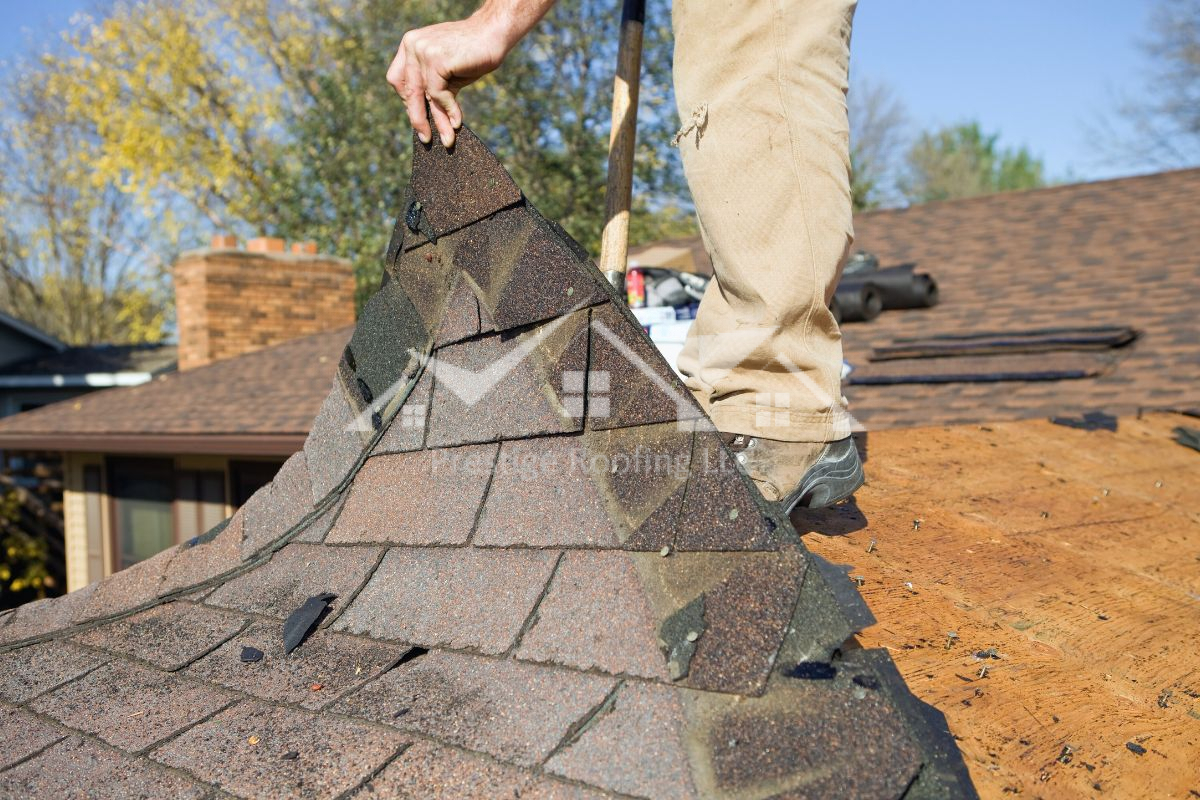
Wind and repeated temperature changes can lift tabs, crack edges, and leave gaps where water gets in during the next storm or thaw. We replace damaged shingles and secure any loose tabs using materials suited to Wisconsin’s weather conditions, so repairs hold up through the full range of seasons ahead.
Poor attic ventilation is one of the less obvious reasons leaks keep coming back on older homes in this area, since trapped heat speeds up ice dam formation and shortens the life of your shingles. As part of your repair, we check ventilation conditions in your attic and let you know if airflow issues are contributing to the problems on your roof.
Central Wisconsin’s winters are long, and the wear they put on a roof adds up faster than most homeowners expect. By the time warmer weather arrives, shingles, flashing, and the layers underneath have been through months of heavy snow, repeated temperature changes, and wind that opens small gaps into bigger ones. Catching those problems during the warmer months gives you the best conditions for repairs that will hold through the next full cycle of seasons, and it keeps small fixes from turning into expensive ones.
If you have noticed a leak, missing shingles, or anything on your roof that did not look right after this past winter, Prestige Roofing LLC is ready to take a look. We serve homeowners in Maine, WI, with honest inspections and repairs done right the first time. Reach out whenever you are ready, and we will help you figure out exactly where things stand.
Got questions about your roof? We’ve got answers. From maintenance tips to insurance claims and repair timelines, our FAQ section covers the most common concerns homeowners have. Get informed and make confident decisions about protecting your home.
Emergency repairs can be made in winter when you have an active leak, but the conditions do limit what is possible. Cold temperatures affect how roofing materials seal, so full shingle replacements are better handled once temperatures are consistently above freezing. For urgent situations, a temporary fix can stop the damage until a proper repair is practical.
If your roof develops ice dams season after season or you keep seeing leaks in the same spots, your attic ventilation or insulation is often part of the problem. Heat escaping through the roof plane warms the snow above it, causing it to melt and refreeze at the eaves where it has nowhere to go. Fixing the roof surface without looking at what is happening in the attic can leave the underlying cause in place.
It depends on the scale of the work. Minor repairs like replacing a few shingles or resealing flashing typically do not require a permit, but work that involves replacing underlayment, changing roof structure, or adding roofing layers may require one under Wisconsin building codes. A reputable contractor will know which jobs cross that line and handle the permitting process correctly before work begins.
Your Local Roofing Experts in Green Bay, WI