 ×
From Serving Our Country
to Serving Your Roof
Mosinee winters are no small thing. With snowfall that can pile up 50 inches or more in a season and temperatures that regularly sit in the teens and 20s, your roof takes a beating from November through March. That repeated exposure to heavy snow, refreezing, and the back-and-forth of warmer days followed by hard freezes puts real stress on shingles, flashing, and the sealed joints around chimneys and pipe boots. When spring arrives and temperatures start climbing, those small gaps and worn spots show up fast, usually as water stains on a ceiling or a drip that wasn’t there last fall.
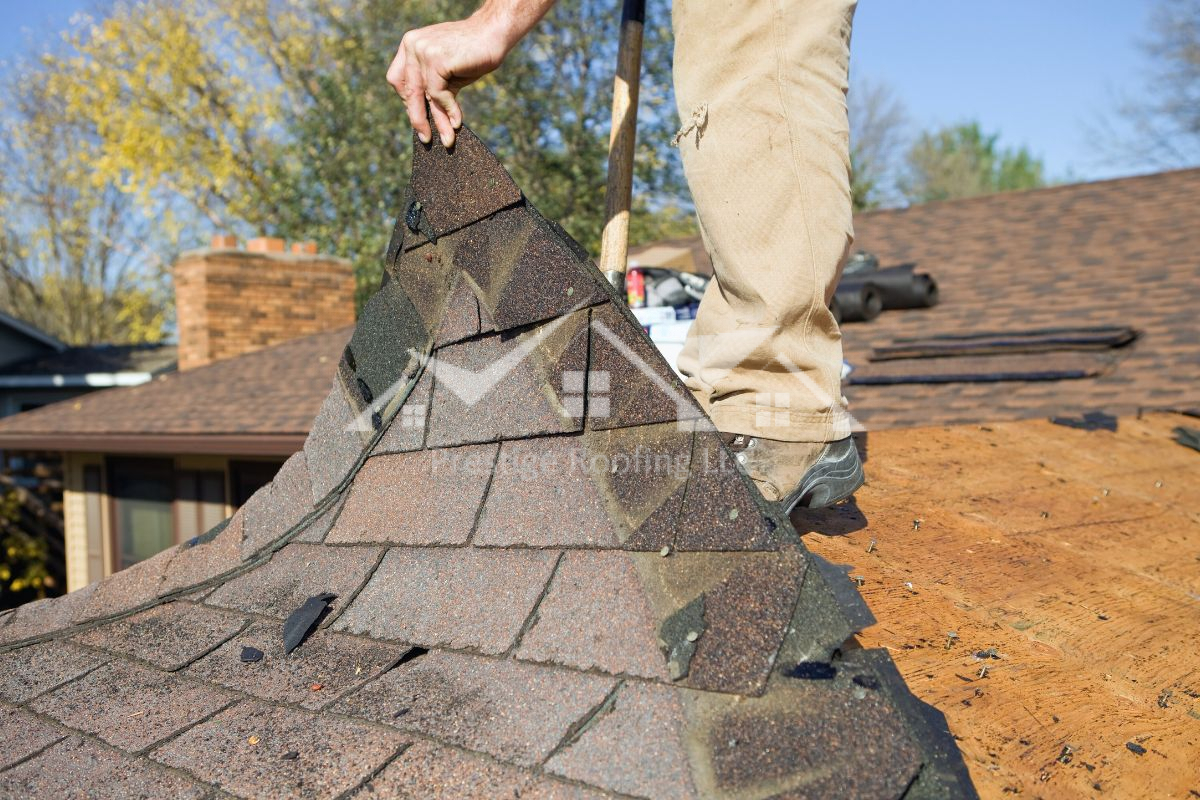
The good news is that most roof damage in this area is caught and repaired before it turns into something much bigger. Prestige Roofing LLC works with homeowners across Mosinee and the surrounding central Wisconsin area to find what’s failing, fix it correctly, and help your roof hold up through the next round of winter weather. That might mean replacing a few damaged shingles, resealing flashing at a dormer or valley, or looking closer at what’s happening at the roof edge where ice dams tend to form and push meltwater back under the surface.
Timing plays a real role in roof repair here. Warmer, drier stretches allow sealants and materials to set properly, while colder conditions sometimes call for immediate attention just to keep water out. Knowing the difference between a quick fix and a repair that needs the right conditions is part of doing the job well.
Getting your roof repaired shouldn’t feel like a guessing game. Here’s exactly what to expect when you work with Prestige Roofing LLC.
Central Wisconsin’s seasonal weather puts specific parts of your roof under repeated stress year after year. Knowing which areas fail most often, and why, helps you catch problems early before water finds its way into your home’s structure or attic space.
| Problem Area | Common Cause | Typical Timing |
|---|---|---|
| Roof edges and eaves | Ice dam formation forces meltwater back under shingles | Late winter to early spring |
| Flashing at chimneys and dormers | Temperature changes loosen sealants and open gaps | Spring thaw and after heavy snow |
| Valleys and intersections | Water concentration and refreezing wear sealant joints | Winter and spring melt |
| Pipe boots and penetrations | Rubber seals crack from repeated expansion and contraction | After cold season exposure |
| Ridge and soffit ventilation | Poor airflow balance contributes to attic heat buildup and ice dam formation | Identified during any repair inspection |
One thing worth understanding is that ice dams are rarely just a roof surface problem. When warm air escapes through the attic and heats the roof deck unevenly, snow melts and refreezes at the cold eave edge. Addressing attic air sealing, insulation levels, and ventilation balance is often part of fixing the underlying cause, not just patching the visible damage. A repair that ignores those factors tends to repeat itself.
When damaged shingles need to be replaced, getting a close match in color, profile, and weight matters for both appearance and performance. We work to source materials that blend with your existing roof so the repair doesn’t stand out or leave your home looking patched together.
Metal flashing around chimneys, skylights, dormers, and valleys takes a lot of abuse from Mosinee’s seasonal temperature changes, and worn or lifted flashing is one of the most common ways water gets in. We repair and reseal flashing joints using materials suited to steep-slope asphalt shingle systems, so the connection points that water targets most are tight again.
Rubber pipe boots crack and shrink over time, especially after seasons of hard freezes and warm stretches. Replacing failed boots and resealing penetrations closes off leak paths that are easy to overlook but quick to cause real damage once water starts getting through.
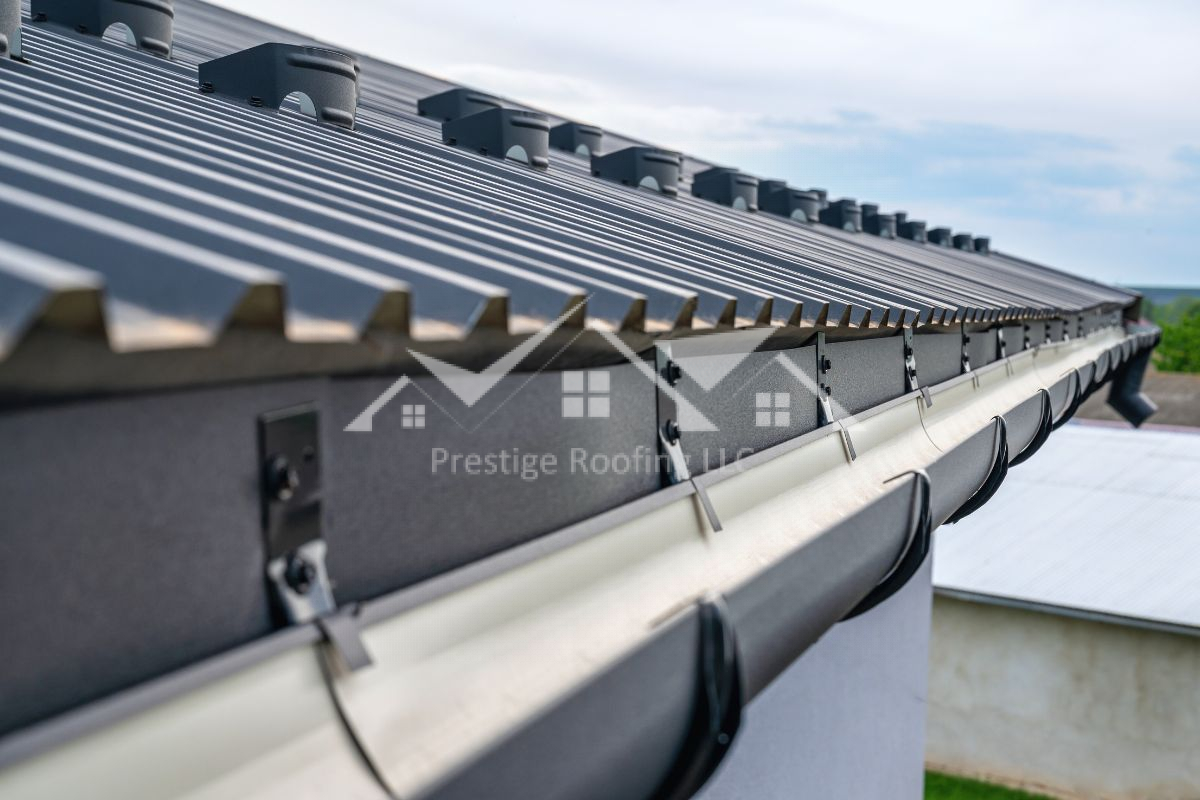
The lower edge of your roof takes the worst of ice dam pressure and repeated snowmelt runoff each winter. We inspect and address drip edge condition and any shingle or underlayment damage along the eave line, where water backing up under the surface tends to cause the most hidden damage to your roof deck and fascia.
Living through central Wisconsin winters means your roof earns its keep every single year. The combination of heavy snowfall, hard freezes, and wet spring conditions puts steady pressure on every sealed joint, shingle edge, and flashing connection across your roof. Keeping up with repairs before small issues grow into bigger ones protects your home and keeps unexpected repair costs from catching you off guard. Warmer stretches in spring and late summer are often the best windows to get permanent repairs done right, though some situations call for attention sooner regardless of the season.
If you’ve noticed a water stain, a loose shingle, or something that just doesn’t look right after a long winter, it’s worth getting a roof inspection before the next round of rain or snow arrives. Prestige Roofing LLC is ready to take a look, walk you through what’s going on, and get your roof back in solid shape. Reach out when you’re ready.
Got questions about your roof? We’ve got answers. From maintenance tips to insurance claims and repair timelines, our FAQ section covers the most common concerns homeowners have. Get informed and make confident decisions about protecting your home.
Recurring leaks in the same area usually mean the original repair addressed the visible damage but not the underlying cause. In central Wisconsin homes, that’s often an attic ventilation or air sealing issue that allows warm air to escape, melt snow unevenly, and push water back under shingles at the same spot every winter. A repair that holds long-term needs to account for what’s happening above the ceiling, not just at the roof surface.
It depends on the scope of the work. A straightforward shingle patch or pipe boot replacement typically does not require a permit, but repairs that touch structural framing, affect ventilation systems, or involve significant changes to the roof deck may fall under local building code requirements in Marathon County. If your repair crosses into that territory, we’ll let you know before any work begins so nothing gets skipped.
The best thing you can do is get an inspection in late summer or early fall, before temperatures drop and conditions make roof work harder to complete properly. That timing lets you catch worn flashing, cracked pipe boots, or shingle damage that a Mosinee winter will turn into an active leak. Catching those details in September or October is far easier than dealing with them in the middle of a freeze.
Your Local Roofing Experts in Green Bay, WI