 ×
From Serving Our Country
to Serving Your Roof
Rib Mountain winters are no small thing. With around 63 inches of snowfall in a typical year, plus wind and repeated temperature changes that push shingles and flashing through a constant cycle of stress, your roof takes a serious beating from November through March. And it’s not just the cold season. Summer brings warm, wet weather that keeps the pressure on, especially for older roofs that have already been through years of Wisconsin weather. Many homes in the area were built between the 1940s and 1990s, which means a lot of roofs here are working through repair and replacement cycles tied to age and long-term exposure, not just last winter’s storm.
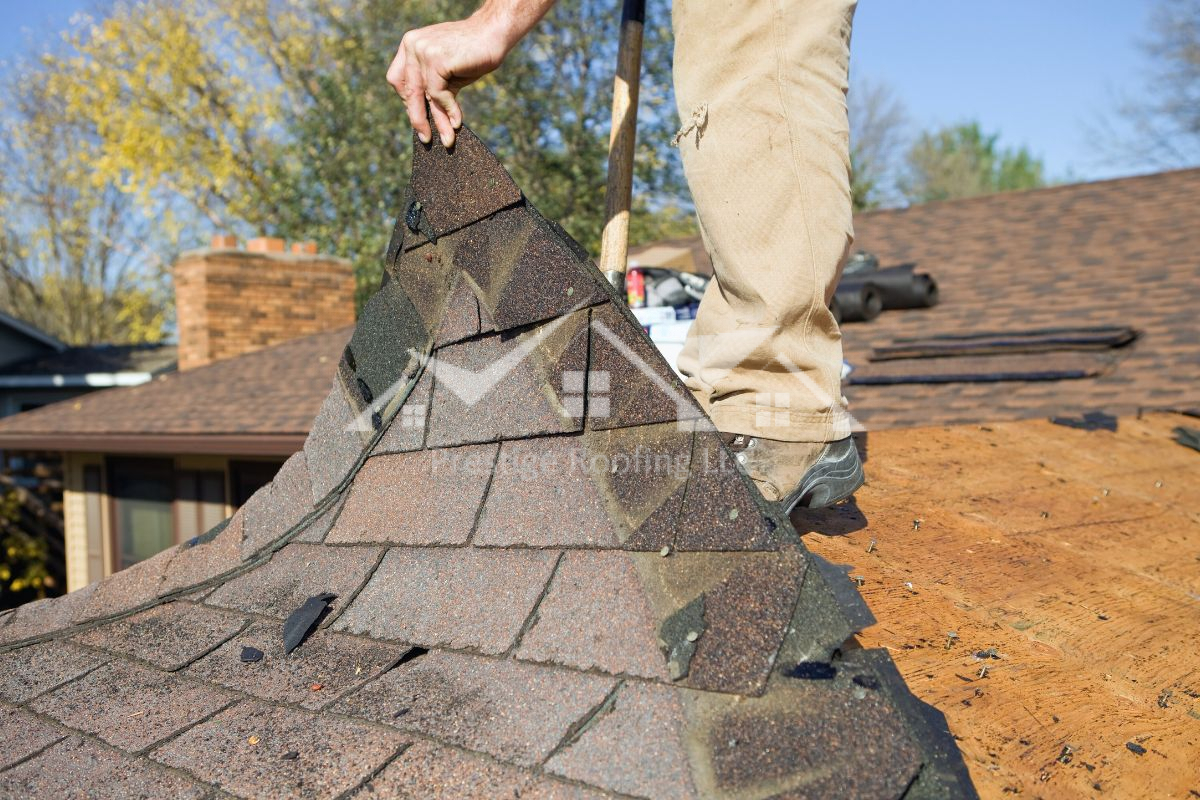
When shingles crack, curl, or blow off, or when flashing separates at a chimney, valley, or roof edge, the damage rarely stays small for long. Water finds its way in quickly, and what starts as a minor repair can become a much bigger problem if it goes unaddressed through another wet season. That’s where Prestige Roofing LLC comes in. As a local roofing contractor familiar with the conditions in Rib Mountain, we inspect roofs with an eye toward what actually causes problems here: wind-lifted shingles, failed seal strips, debris buildup from the surrounding trees, and flashing gaps that open up with temperature changes.
Matching existing asphalt shingles on older homes, repairing underlayment that has weakened over time, and making sure repairs hold through a Wisconsin winter all require work done right the first time. That’s what we focus on with every residential roof repair job in Rib Mountain.
Roof repairs can involve more than the damage that first catches your attention. Prestige Roofing LLC examines the roof closely, explains what the findings mean, and reviews the completed repair before the job is finished.
Asphalt shingles hold up well in Wisconsin conditions, but repeated temperature changes, heavy snow, and tree coverage all take a toll over time. Knowing what typically goes wrong helps you catch problems early, before water gets a chance to reach your roof decking or interior.
| Issue | Common Cause | Why It Matters |
|---|---|---|
| Shingle blow-off or lifting | Wind getting under failed seal strips | Exposed roof decking allows water in quickly |
| Cracked or curled shingles | Age and repeated temperature changes | Breaks in surface coverage invite leaks |
| Flashing gaps at chimneys and valleys | Seasonal movement opening sealed joints | High-risk leak points that gets worse over time |
| Debris buildup in valleys and gutters | Tree coverage trapping moisture and leaves | Trapped moisture accelerates shingle wear |
| Underlayment failure beneath shingles | Long-term snow and water exposure on aging roofs | Shingle patches alone will not stop recurring leaks |
Many Rib Mountain homes are several decades old, so repairs often involve more than replacing a few shingles. If the underlayment beneath has weakened, or if flashing was installed to older standards, patching the surface is only part of the fix. A thorough inspection helps identify what actually needs attention so the repair holds through the next Wisconsin winter.
Replacing a section of shingles on a home built in the 1960s, 70s, or 80s means finding a profile and color that blends with what is already up there. We take the time to source shingles that come as close as possible to your existing roof so the repaired area does not stand out or affect your home’s curb appeal.
Chimneys, skylights, and roof valleys are the spots where water most often finds a way in, especially on roofs that have been through years of Wisconsin temperature changes. We repair or replace flashing at these joints using corrosion-resistant materials so the seal holds through freeze and thaw cycles, not just through the next rain.
When the layer beneath your shingles has been compromised by years of snow and moisture exposure, surface patching alone will not keep leaks from coming back. Where needed, we address underlayment issues in the repair area so your roof has the proper barrier in place, not just a fresh shingle on top of a weak foundation.
Rib Mountain’s wooded setting means branches, leaves, and trapped moisture can accelerate shingle wear on certain parts of your roof, especially in low-lying valleys and areas near the gutterline. Our repairs account for localized damage caused by debris buildup, so the fix addresses what actually caused the wear, not just what is visible on the surface.
Living in a wooded, elevated area with Wisconsin winters means your roof handles more than most. Heavy snow, wind, and the back-and-forth of temperature changes across the seasons put real stress on shingles, flashing, and the layers underneath, especially on homes that have been standing for several decades. Taking care of a repair now, while conditions allow and the problem is still contained, protects your home and helps you avoid the kind of expensive work that comes from letting a small issue sit through another wet season.
Prestige Roofing LLC works with homeowners across the Rib Mountain area on exactly these kinds of repairs, from minor shingle fixes to flashing and underlayment work on older roofs. If you have noticed something that does not look right, or just want a professional set of eyes on your roof before winter arrives, we are happy to help. Reach out whenever you are ready.
Got questions about your roof? We’ve got answers. From maintenance tips to insurance claims and repair timelines, our FAQ section covers the most common concerns homeowners have. Get informed and make confident decisions about protecting your home.
It can, yes. Tree coverage creates shade that keeps moisture trapped on shingles longer than it would on a more open lot, and that sustained dampness accelerates wear in valleys and along the gutterline. When we repair a roof in a heavily wooded area, we account for that localized wear pattern so the fix addresses the source of the damage, not just the visible surface. Keeping gutters clear and trimming branches that hang over your roof goes a long way toward protecting the repair over time.
Minor repairs like replacing a few shingles or resealing flashing typically do not trigger a permit requirement, but work that involves structural changes or larger sections of the roof may fall under county or state building rules. It depends on the scale of what needs to be done. We can walk you through whether your repair is the kind of work that requires a compliance review before anything gets started.
Cold-weather repairs are possible in urgent situations, but they come with real limitations. Asphalt shingles and sealants perform best above freezing; in very cold conditions, shingles can become brittle, and seal strips will not bond the way they should, which affects how well the repair holds long-term. For anything beyond an emergency patch, waiting for a warmer stretch in late spring or early fall gives the materials a better chance to set correctly and gives you a more durable result.
Your Local Roofing Experts in Green Bay, WI