 ×
From Serving Our Country
to Serving Your Roof
Schofield winters are no joke. With 60 to 65 inches of snow a year and a snow season that can stretch from October all the way into May, your roof takes a beating for months at a time. Cold temperatures cause shingles and flashing to expand and contract repeatedly, which weakens seals and opens up gaps over time. Ice dams form along eaves when heat escapes through the attic, and once water backs up under shingles, it moves fast. Summer brings its own problems, with June through August being the wettest stretch of the year and thunderstorms rolling through without much warning. A roof that made it through winter with minor damage can turn into an active leak the moment the rain hits hard enough.
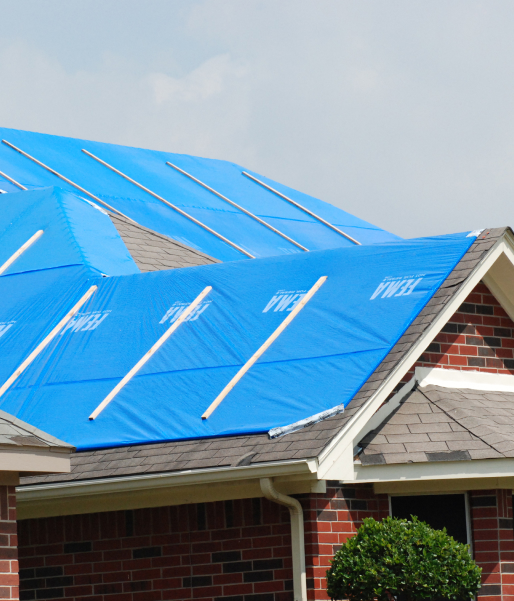
That is exactly where emergency roofing services matter most. When water is coming in, or your roof has been torn up by wind, you need someone who knows how to stop the damage quickly and do the repair correctly under real-world conditions. In cold weather, shingles do not bond the same way they do in warmer temperatures, so emergency repairs in Schofield often require hand-sealing and cold-weather practices to hold until a full fix can be completed.
Prestige Roofing LLC works in this market and understands what central Wisconsin roofs go through season after season. Whether the problem is a missing section of shingles, a failed flashing, or a leak you just discovered at midnight, the goal is always the same: protect your home and stop the damage from getting worse.
When roof damage leaves your home exposed, knowing how the problem will be handled can make the situation easier to manage. Prestige Roofing LLC focuses on limiting further damage first, then identifying the repairs needed to restore your roof.
Not every roof emergency looks the same, and in central Wisconsin, the causes tend to follow a familiar pattern tied to the seasons. Knowing what typically drives emergency calls can help you spot trouble before it turns into a bigger repair.
| Damage Type | Common Cause | What to Watch For |
|---|---|---|
| Ice dam leaks | Heat escaping through the attic melts snow, which refreezes at the eaves | Water stains near exterior walls, dripping at eaves or interior ceilings |
| Flashing failure | Repeated temperature changes loosen seals around chimneys, vents, and valleys | Leaks at roof gaps or along ridges after rain or snowmelt |
| Wind damage | High winds lift or tear shingles, especially on older or already stressed roofs | Missing shingles, exposed underlayment, or granule buildup in gutters |
| Heavy snow stress | Extended snow cover weighs on roof structure and forces water under compromised shingles | Sagging areas, interior ceiling stains appearing during or after snowmelt |
| Storm-driven leaks | Summer thunderstorms expose existing weak points in shingles or seals | Sudden interior leaks during or shortly after heavy rain |
Most of these problems share something in common: they show up at the worst possible time, often when temperatures make repairs harder to complete. Cold-weather emergencies in Schofield require extra steps to seal repairs properly since shingles below roughly 40 degrees will not bond on their own. Getting the right repair done the first time, even in difficult conditions, is what keeps a manageable situation from becoming a much larger one.
Standard shingles won’t self-seal below around 40 degrees, so emergency repairs in Schofield require materials and methods rated for cold conditions. That means using hand-applied sealants, cold-weather compatible underlayments, and ice and water protection products that bond even when temperatures are working against a standard installation.
Wisconsin code requires ice dam protection on shingled roofs over heated spaces with lower-slope sections, and emergency repairs are no exception. When damaged areas are opened up for repair, any missing or inadequate ice and water barrier along the eaves and valleys gets addressed at the same time so the fix actually holds through the rest of winter.
Chimneys, vents, skylights, and pipe boots are common failure points that don’t always get attention during a quick patch job. When these parts are involved in or adjacent to the damaged area, they get properly re-flashed and sealed rather than just covered over, which is where a lot of repeat leaks start.
Schofield follows city building inspection requirements, and roofing work in Wisconsin is tied to contractor certification standards. Repairs completed by Prestige Roofing LLC are done to code so you’re not left with a patch job that creates problems down the road during a home sale or insurance review.
Central Wisconsin winters are long, and the stretch between late fall and early spring puts real pressure on older asphalt-shingle roofs. Once a roof is compromised, whether by wind, ice, or a summer storm that found a weak spot, the damage rarely stays contained on its own. Getting emergency repairs handled quickly and correctly protects your home from the kind of water damage that turns a straightforward fix into a far more expensive project.
Prestige Roofing LLC is familiar with what roofs in this part of Wisconsin go through year after year, and that experience matters when the repair needs to hold through difficult conditions. If you have an active leak or visible damage you are not sure about, reaching out sooner rather than later is always the better call. We are happy to take a look and give you a straight answer about what your roof actually needs.
Got questions about your roof? We’ve got answers. From maintenance tips to insurance claims and repair timelines, our FAQ section covers the most common concerns homeowners have. Get informed and make confident decisions about protecting your home.
Yes, but it requires the right materials and methods for the conditions. Standard shingles won’t self-seal below around 40 degrees Fahrenheit, so cold-weather repairs rely on hand-applied sealants and underlayments rated for low temperatures rather than the shingle’s built-in adhesive strip. A repair done correctly with cold-weather products can hold through the rest of winter and buy time until a full permanent fix is completed under better conditions.
Interior stains don’t always line up directly below the actual leak point because water can travel along rafters or underlayment before it drips. In Schofield homes, flashing around chimneys, vents, and pipe boots is one of the most common sources of hidden leaks, especially after repeated temperature changes loosen the seals over time. Ridge lines and eave areas where ice dams have been active are also worth checking, even if the shingles above look intact from the ground.
Schofield follows city building inspection requirements, and permit needs can vary depending on the scale of the repair. For smaller emergency patches, work can often begin immediately to stop active damage, with permitting handled as part of the broader repair process. Knowing how local requirements apply to the specific work being done is part of getting the repair completed correctly, so it doesn’t create issues later during a home sale or review.
Your Local Roofing Experts in Green Bay, WI