 ×
From Serving Our Country
to Serving Your Roof
From Serving Our Country
to Serving Your Roof
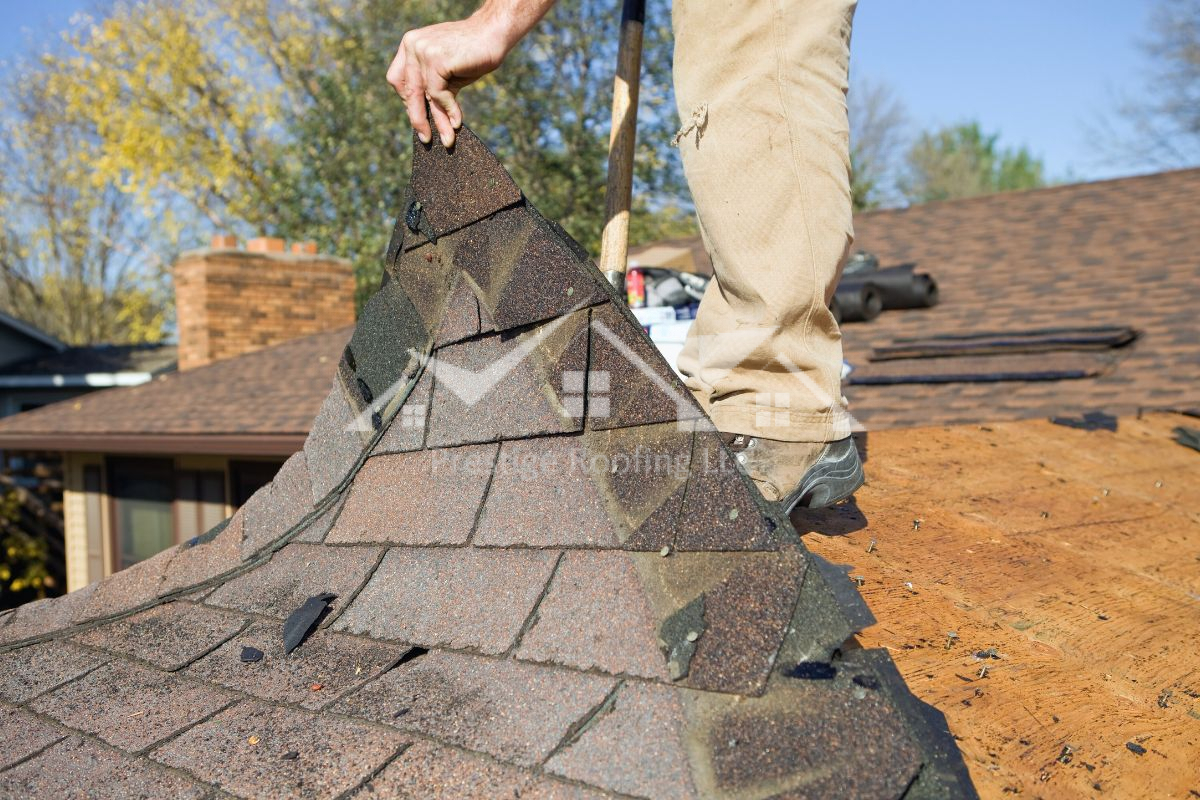
Roofs in Schofield take a beating year-round. Winters here bring extended cold, single-digit lows, and anywhere from 60 to 65 inches of snow that can sit on your roof for weeks at a time. When temperatures rise and fall repeatedly through late winter and early spring, shingles crack, flashing separates, and sealants around chimneys and vents start to give out. Add in 30 or more inches of annual rainfall and warm, wet summers, and your roof rarely gets a break. Schofield also has a large share of homes built before 1960, and older roofs are far more likely to show missing shingles, worn valleys, and leaks that have been quietly spreading long before they show up on your ceiling.
Professional residential roof repair addresses these local conditions directly. That means inspecting for ice dam damage at the eaves, checking flashing at every gap, and identifying where repeated temperature changes have loosened materials over time. Prestige Roofing LLC works with homeowners throughout the Schofield area and understands how Wisconsin weather patterns interact with older housing to create the kinds of repair needs that only get more expensive when left alone. Catching a weak flashing seal or a few damaged shingles early protects your home from the water damage that tends to follow a hard winter or a stretch of heavy spring rain.
A residential roof repair starts with understanding both the visible damage and the surrounding roof conditions. Prestige Roofing LLC examines the problem areas, explains the appropriate repair, and reviews the completed work before the job is finished.
Schofield homes face a specific set of repair patterns driven by cold winters, heavy snow, and repeated temperature changes through the year. Knowing which problems show up most often can help you catch trouble early and avoid more expensive work down the road.
| Repair Issue | Common Cause | Why It Matters Here |
|---|---|---|
| Ice dam damage at eaves | Heat loss from living space melts snow, which refreezes at the roof edge | A leading source of hidden leaks in Schofield winters |
| Flashing failures at chimneys and vents | Temperature changes expand and contract metal over time | Older homes are especially prone to separating seals at gaps |
| Cracked or missing shingles | Repeated freezing and warming makes shingle material brittle | Wisconsin requires low-temperature adhesion, and worn shingles lose that bond |
| Valley leaks | Snow and ice accumulate in valleys, accelerating wear | A frequent problem on aging roofs with worn or improperly installed flashing |
| Sealant separation around gaps | Seasonal movement pulls sealant away from vents, skylights, and pipe boots | Spring inspections often reveal gaps that formed quietly during winter |
Repair work done in spring is especially valuable in this area. Thaw cycles reveal leak paths that stayed hidden through the coldest stretches, and catching them before summer rain arrives keeps a small fix from turning into a much larger job. Local permit rules may apply depending on the scale of the repair, so working with a qualified contractor ensures the work meets Marathon County requirements.
Wisconsin limits residential roofs to two shingle layers, and that rule directly affects how repairs are planned on older Schofield homes. If your roof is already at or near that limit, a qualified repair includes identifying whether the existing layers can stay or whether a tear-off is needed before new materials go down.
Repairs that address eave damage include proper underlayment detailing to protect against water that backs up behind ice build-up along the roof edge. This type of work is especially relevant in Schofield where extended cold and heavy snow make ice dam leaks one of the most common sources of interior water damage each winter.
Asphalt shingles installed or repaired during cooler weather need to meet low-temperature adhesion requirements so they seal correctly through the repeated temperature changes Schofield sees from fall through spring. Using materials rated for these conditions keeps repaired sections from lifting or separating during the next hard freeze.
Many repairs on older Schofield homes require replacing flashing rather than simply resealing it, particularly around chimneys, vents, skylights, and valley seams where metal has been expanding and contracting for decades. New flashing at these spots closes off the leak paths most likely to reopen after the next round of heavy snow or spring rain.
Schofield homes deal with some of the most demanding seasonal conditions a roof can face, from months of heavy snow and ice to wet summers and the repeated temperature changes that work on materials year after year. Keeping up with repairs as issues surface protects your home from the kind of water damage that spreads quietly and turns a straightforward fix into something far more involved. Staying ahead of small problems also helps protect your property value and keeps unexpected repair costs from catching you off guard.
Prestige Roofing LLC is familiar with the repair patterns that show up on homes throughout the Schofield area and handles each job with the care the local climate requires. If you have noticed a leak, missing shingles, or something that just does not look right after a rough stretch of weather, reaching out sooner rather than later is usually the better call. We are happy to take a look and help you understand what your roof actually needs.
Got questions about your roof? We’ve got answers. From maintenance tips to insurance claims and repair timelines, our FAQ section covers the most common concerns homeowners have. Get informed and make confident decisions about protecting your home.
It depends on the scale of the work. Minor repairs like replacing a few shingles or resealing a flashing joint typically do not require a permit, but more involved work in Marathon County may trigger local permit and inspection requirements. Working with a qualified contractor who understands Wisconsin dwelling contractor rules helps ensure any permit-required work is handled correctly from the start.
Not necessarily. Interior staining that appears during late winter or early spring is often caused by water that has been working its way under shingles or along flashing seams for months, only becoming visible once temperatures rise enough for it to move. Ice dams at the eaves are a common culprit, pushing meltwater back beneath roofing materials where it travels before surfacing inside your home. A spring inspection after a hard winter is one of the best ways to find these hidden leak paths before they spread further.
Wisconsin limits residential roofs to two shingle layers total, so whether an overlay is even an option depends on how many layers are already on your home. Many older Schofield houses are already at or near that limit, which means a repair may require a partial or full tear-off before new materials can go down. Skipping that step not only puts you out of code compliance but can also hide damage underneath that will continue to get worse.
Your Local Roofing Experts in Green Bay, WI