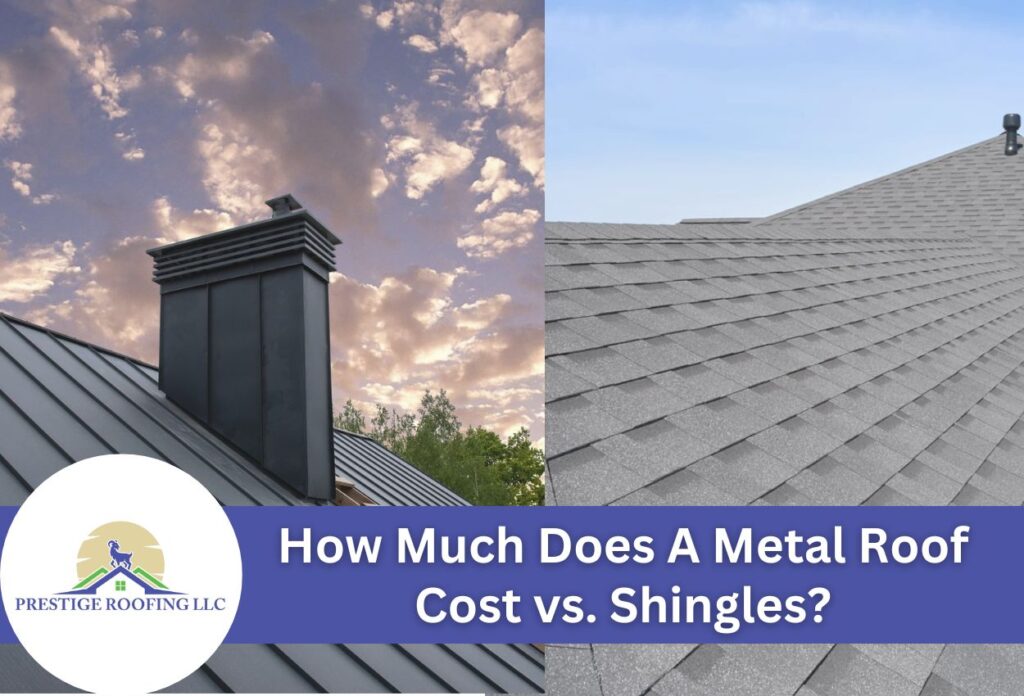
The question of whether metal roofs or conventional shingles are the better option is a common question in the roofing industry. This year, the debate over how affordable these roofing materials are is becoming more heated.
All types of homeowners, contractors, and builders want to know which option gives them the most return on their money. This comparison explores metal roof cost vs. shingle roof cost, offering a current analysis to help you make an informed choice.
Key Takeaways: Metal Roof Cost vs. Shingles
- 50-Year Savings: Metal roofs save $50,000–$100,000 over 50 years despite higher upfront costs, requiring 0–1 replacements versus 2–3 for shingles.
- Lifespan Advantage: Metal roofs last 30–80 years compared to asphalt shingles’ 15–30 years, meaning fewer replacements and lower long-term maintenance costs.
- Initial Investment: Wisconsin metal roofs cost $10,000–$20,000 ($5–$20/sq ft) while shingle roofs run $4,500–$20,000 ($3–$10/sq ft) for comparable homes.
- Insurance Discounts: Class 4 impact-resistant metal roofs qualify for premium discounts from many insurance companies, providing immediate financial benefits.
Metal Roof vs. Shingles Cost: A Cost Comparison
How Much Does A Metal Roof Cost In Wisconsin?
The type of metal, size, and design are some of the variables that can impact the cost of a metal roof in Wisconsin. The typical price range for a 1,700-square foot home is around $10,000 and $20,000, or between $5.00–$20.00 per square foot.
However, elements like the particular metal selected and the layout of the house can affect this range. The location in Wisconsin, as well as the roofing company chosen, can affect prices.
What Is The Price Of A Shingle Roof In Wisconsin?
Depending on the roof’s size and the type of shingles chosen, shingle roof prices in Wisconsin can vary. The typical price range for installing an asphalt shingle roof is between $3.00–$10.00 per square foot, but can be higher if you choose designer options. In general, the price of asphalt shingles for a 1,000-square foot roof can range from $4,500 to $20,000.
Cost of Installation: Metal Roof vs. Shingles
The cost of installing asphalt shingles and metal roofs varies depending on factors like material, labor, and job complexity. Labor costs vary from $30 to $80 per hour, depending on local cost of living and the contractor’s experience. If your home is larger, has a more complex roof design, or the weather conditions are not ideal, expect to pay more for installation.
Material Cost of Metal Roofs vs. Shingles
| Roofing Material | Type | Cost per Sq. Ft. |
|---|---|---|
| Metal Roofs | Corrugated Metal | $8.00–$12.00 |
| Standing Seam Metal | $10.00–$15.00 | |
| Aluminum | $3.00–$7.00 | |
| Copper/Zinc | $10.00–$20.00 | |
| Shingle Roofs | Asphalt Shingles | $3.00–$5.00 |
| Architectural Shingles | $4.00–$7.00 | |
| Wood Shingles | $6.00–$9.00 | |
| Slate Shingles | $10.00–$20.00 | |
| Composite Shingles | $7.00–$12.00 |
Metal Roof

1. Corrugated Metal
Cost: $8.00–$12.00 per square foot
Affordable option with good durability and weather resistance.
2. Standing Seam Metal
Cost: $10.00–$15.00 per square foot
Sleek appearance with excellent weather protection and longevity.
3. Aluminum
Cost: $4 to $11 per square foot
Lightweight, corrosion-resistant, and energy-efficient, ideal for coastal areas.
4. Copper
Cost: $13 to $25 per square foot
Distinctive appearance with natural patina, highly durable, and low maintenance but comes with a premium price.
5. Zinc
Cost: $6 to $12 per square foot
Similar to copper in durability and appearance, it develops a unique patina, suitable for various designs.
Shingle Roof

1. Asphalt Shingles:
Price: $1 to $2.50 per square foot for 3-tab shingles
Affordable and versatile, available in various styles and colors.
2. Slate Shingles:
Price: $12 to $25 per square foot for natural slate, $5 to $12 per square foot for synthetic slate
Durable, elegant, and fire-resistant; natural slate has longevity, while synthetic options offer affordability.
3. Wood Shingles:
Price: $6 to $14 per square foot
Natural, rustic appearance, and can be treated to be fire and insect-resistant.
4. Solar Shingles:
Price: $20 to $30 per square foot
Incorporates photovoltaic cells for electricity generation and potential long-term energy savings.
5. Composite Shingles:
Price: $8 to $14 per square foot
Synthetic roofing materials that mimic natural slate or wood. Durable, low maintenance, and available in various styles.
Metal Roof Cost vs. Shingles: Lifespan Comparison
When picking a roof for your home, think about more than just the upfront price. You should also consider how long the material will last, how much work it’ll need, and how it affects the environment. Let’s compare metal roofs and asphalt shingles to see which is the better deal over time.
| Factor | Metal Roofs | Asphalt Shingles |
|---|---|---|
| Initial Cost (Wisconsin) | $10,000–$20,000 | $4,500–$20,000 |
| Cost per Sq. Ft. | $5.00–$20.00 | $3.00–$10.00 |
| Lifespan | 30–80 years | 15–30 years |
| Replacements Needed (50 years) | 0–1 | 2–3 |
| 50-Year Cost Savings | $50,000–$100,000 | Baseline |
| Maintenance | Annual inspections | Regular cleaning, repairs |
Getting Started
Metal roofs usually cost more upfront compared to asphalt shingles, but they last longer and need less fixing.
Upkeep and Maintenance
Asphalt shingles can get damaged by hail, strong winds, and sunlight, so they need regular check-ups and fixes. Metal roofs resist moss and algae growth, and simple annual inspections are usually sufficient. Shingles require cleaning gutters of loose granules and checking for curled or damaged sections. You might need to clean off moss or algae growth more frequently, especially in humid climates.
Material Lifespan
Asphalt shingle roofs typically last 15–30 years, while metal roofs last 30–80 years, so you won’t have to replace them as often.
Disposal
Getting rid of old asphalt shingles can be tricky because they can’t be recycled easily. They often end up taking up space in landfills and can harm the environment. Metal roofs, though, can be recycled, which is better for the planet.
Saving Energy
Metal roofs reflect sunlight instead of absorbing it, which helps keep your home cooler in the summer. This means you’ll spend less on air conditioning, saving money in the long run. Metal roofs can also serve as an excellent base for solar panels if you’re considering renewable energy.
Boosting Your Home’s Value
Homes with metal roofs tend to sell for more because of their enhanced durability. People like knowing they won’t have to replace the roof anytime soon, which makes the house more valuable. Many insurance companies offer premium discounts for Class 4 impact-resistant metal roofs, providing immediate financial benefits.
Overall Savings
Let’s say you have a 2,000-square foot house, and you’re trying to decide between a metal and asphalt shingle roof. Over 50 years, you could save anywhere from $50,000 to $100,000 by choosing metal instead of asphalt shingles.
While metal roofs might cost more at first, they’re tough, need less work, save energy, and increase the value of your home. When you add up all the costs over time, metal roofing ends up being the better choice for many homeowners who want a reliable and eco-friendly roof.
Pros and Cons of Metal Roofs and Shingles
Metal Roofs
Pros:
- Longevity: Metal roofs can last 50 to 75 years or even over a century, longer asphalt shingles.
- Low Maintenance: They require minimal upkeep due to their durability and resistance to weather as well as pests.
- Variety: There’s a wide selection of metal roofing materials like stainless steel, zinc, copper, and aluminum.
- Durable: Metal roofs are extremely resistant to fire, wind, water, and pests, offering robust protection. Metal roofs can withstand strong winds and heavy snow slides right off the slick surface. They’re also fire-resistant, which adds an extra layer of protection to your home.
- Environmentally Friendly: They’re fully recyclable and are reflective, potentially saving you money on energy bills.
Cons:
- Higher Initial Cost: A metal roofing installation is pricier upfront, although it proves cost-effective in the long run due to its low maintenance and replacement needs.
- Noise: During heavy rain or hail, metal roofs can be noisier than other materials, though proper insulation can help minimize this issue.
Asphalt Shingles
Pros:
- Affordable: Asphalt shingles have a lower upfront cost compared to metal roofs.
- Easy Installation: They are lightweight and easy to install.
- Variety: Shingles come in various colors, designs, and styles suitable for different home aesthetics.
- Easy Repairs: Repairs are usually straightforward and cost-effective – if a section gets damaged, you can often replace just the affected shingles rather than large sections of the roof.
Cons:
- Shorter Lifespan: Asphalt shingles last around 15 to 30 years, requiring more replacement or repairs.
- Environmental Impact: They’re less likely to be recycled and rely on petroleum in their production. However, some manufacturers like CertainTeed and Malarkey have impressive recycling initiatives for shingles.
- Susceptible to Damage: Shingles are more vulnerable to strong winds and can crack in extreme temperature changes. They can be damaged by wind, fire, water, and pests.
- Regular Maintenance Needed: They require ongoing maintenance and may not be as cost-effective in the long term due to their repair and replacement needs.
Factors to Consider Before Buying
Climate Considerations
If you live in an area with extreme weather, metal roofs might be worth the investment due to their ability to withstand severe conditions, which is one reason homeowners often ask do metal roofs increase home value when considering long-term upgrades. But if you live in a moderate climate, a shingle roof is a better option. Metal roofs can withstand strong winds and heavy snow slides right off the slick surface, while shingles are more vulnerable to strong winds and can crack in extreme temperature changes.
Architectural Compatibility
Victorian and craftsman homes often shine with traditional shingles, while modern and contemporary designs complement metal roofs’ sleek appearance. Consider your home’s architectural character and local aesthetic when choosing your roofing material to maintain its authentic charm and curb appeal.
Local Regulations
Before starting your roofing project, check your local homeowners association and building codes carefully. Some neighborhoods have strict guidelines about roofing materials, colors, and styles. Homeowners associations may restrict metal roofs to preserve a cohesive community look, while others might require specific shingle grades. Always secure necessary approvals to avoid costly modifications later.
Conclusion
The choice between metal roofing and shingles ultimately comes down to your priorities, what you want for the future of your home, and your budget. Metal roofs have greater longevity and durability than shingles, but shingles offer more options and affordability to suit a variety of homeowner preferences. By weighing the costs and your preferences, you can confidently decide on an option that keeps your home safe, dependable, and appealing for many years.
Prestige Roofing LLC can assist you if you’re thinking about upgrading your roof. Our knowledgeable staff can guide you through the entire process, from choosing the right material to installing the metal roof and conducting a final inspection.
Reach out to us at (920) 791-0414 for a free consultation.
What are the main maintenance differences between metal roofs and shingles?
Metal roofs typically require only annual inspections and occasional debris removal, while shingles demand more frequent attention including gutter cleaning, checking for curled or missing pieces, and treating moss or algae growth. In humid climates, shingles may need specialized cleaning treatments to prevent organic growth that can shorten their lifespan.
How do metal roofs and shingles perform in Wisconsin’s harsh winter weather?
Metal roofs excel in Wisconsin winters because snow slides off their smooth surface, preventing ice dam formation and reducing structural stress. Shingles can trap snow and ice, leading to potential water infiltration when thawing occurs. Metal’s superior wind resistance also protects against winter storms that commonly damage shingle installations.
Can I install a metal roof over existing shingles?
Yes, metal roofing can often be installed directly over one layer of existing shingles, which saves on removal and disposal expenses. However, this approach depends on your roof deck’s condition, local building codes, and structural capacity. A professional inspection is essential to determine if your home qualifies for this installation method.
Which roofing material is better for resale value and insurance benefits?
Metal roofs typically increase home resale value more than shingles due to their longevity and low maintenance appeal to buyers. Many insurance companies offer premium discounts for Class 4 impact-resistant metal roofs, recognizing their superior protection against hail, fire, and wind damage compared to standard asphalt shingles.
How does the installation timeline compare between metal roofs and shingles?
Shingle installation is generally faster, often completed in 1-3 days for average-sized homes due to their lightweight nature and straightforward application. Metal roof installation typically takes 3-7 days because it requires more precise measurements, specialized fastening techniques, and skilled labor to ensure proper panel alignment and weatherproofing.