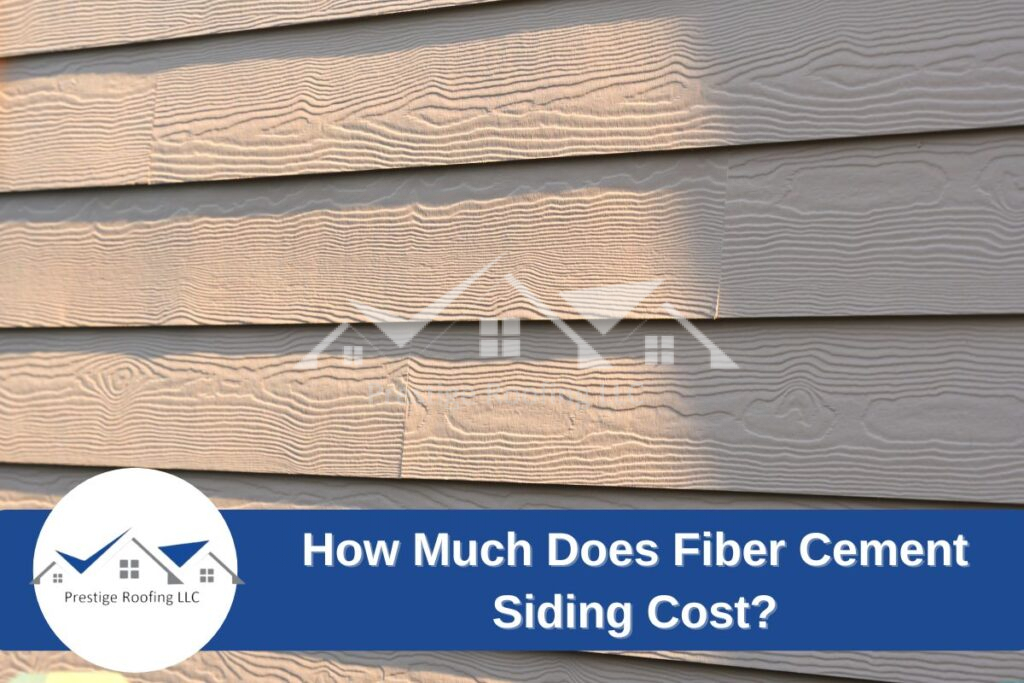
For homeowners looking for a durable, attractive, and low-maintenance exterior, fiber cement siding is a great choice. Made from a blend of cement, sand, water, and cellulose fibers, this manufactured material is known for withstanding harsh weather events, pests, and fire, making it an ideal choice to protect your home while maintaining its aesthetic appeal. But investing in a home improvement project doesn’t come cheap, with material costs, labor rates, and other miscellaneous charges impacting your budget. Understanding the costs involved before getting started is very important.
Here’s everything you need to know about fiber cement siding costs and how to calculate a budget for your project.
Understanding the Costs of Fiber Cement Siding
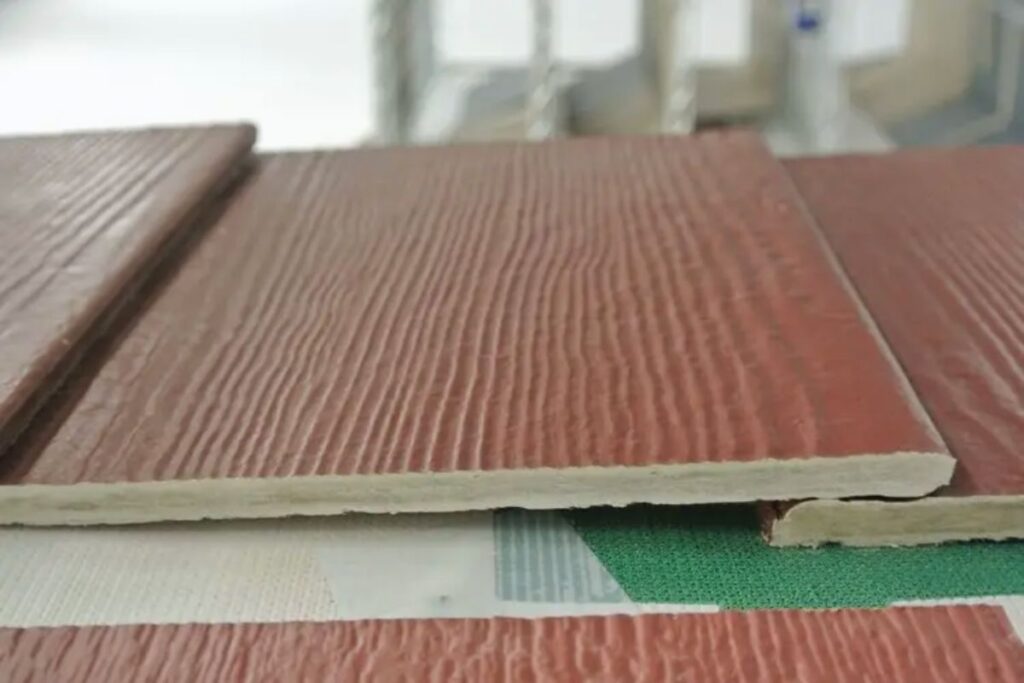
Not all fiber cement siding costs the same. The cost depends on the manufacturer, the style of material used, your location, and the contractor you choose. According to HomeGuide and Homewyse, homeowners typically spend $2 to $6 per square foot for fiber cement siding materials alone.
Installation costs for this material range from $4 to $9 per square foot, though the cost depends on your siding contractor’s rates and the complexity of the project. Together, this means the total installed cost per square foot can fall between $6 and $15. While this might seem steep compared to other siding materials, the long-term benefits of fiber cement siding make it worth considering.
| Home Size | Square Footage | Material Cost | Labor Cost | Total Installed Cost |
|---|---|---|---|---|
| Small Home | 1,000-1,500 sq ft | $2,000-$9,000 | $4,000-$13,500 | $6,000-$22,500 |
| Medium Home | 1,500-2,000 sq ft | $3,000-$12,000 | $6,000-$18,000 | $9,000-$30,000 |
| Large Home | 2,000-2,500 sq ft | $4,000-$15,000 | $8,000-$22,500 | $10,000-$32,000 |
Keep in mind these figures are averages. If your home has unique architectural details or if you live in an area with higher labor rates, your costs may be higher.
What Influences the Cost of Fiber Cement Siding?
Several factors can affect the final price of your fiber cement siding project.
1. Material Choices and Brand Options
When choosing fiber cement siding, you can select from different finishes, styles, and thicknesses. The material excels at replicating other materials like wood and stone, offering options such as lap siding and board-and-batten styles. Leading brands include James Hardie, CertainTeed, Allura, and Nichiha, each offering unique benefits. James Hardie provides premium products with factory-applied finishes, CertainTeed focuses on design versatility and comprehensive warranties, while Allura and Nichiha offer distinctive textures and color options.
If you opt for a simpler, unpainted style, the upfront costs may be lower, but you’ll need to account for additional painting expenses. Factory-finished panels can save on initial painting costs and typically last up to 15 years before needing touch-ups.
2. Installation Complexity
The design of your house determines both the amount of materials required and the total installation cost. Homes with multiple stories, irregular shapes, or architectural features like dormers or bay windows require more labor and can raise the cost compared to homes with simple designs. The weight of fiber cement also adds complexity to the project. Because fiber cement is heavier than materials like vinyl, professional installation is non-negotiable, which can increase labor costs.
3. Additional Expenses
Beyond materials and installation, budget for other potential expenses. Removing old siding can add $1,000 to $3,000 to your project, depending on your home’s size and the existing material’s condition. If you decide to add insulation or a weather barrier beneath the siding, these upgrades will also increase the total cost.
How Does Fiber Cement Compare to Other Siding Options?
While fiber cement siding usually costs more than some alternatives, its durability and strength make it a smart investment. To illustrate the quality difference, vinyl materials cost approximately $0.75-$1.00 per square foot compared to fiber cement’s $2-$6 per square foot, reflecting the higher density and superior quality of fiber cement.
| Siding Material | Cost Per Sq Ft (Installed) | Lifespan | ROI/Resale Value |
|---|---|---|---|
| Fiber Cement | $6-$15 | 30-50 years | 80-90% recoup |
| Vinyl | $4-$12 | 20-30 years | Lower resale value |
| Wood | $7-$14 | 15-25 years | Moderate resale value |
| Aluminum | $6-$10 | 20-40 years | Moderate resale value |
Vinyl is prone to warping and fading over time, which can lead to additional replacement and maintenance costs. Wood provides a classic look but requires regular maintenance like painting or sealing to prevent rot and pest damage. Fiber cement, however, requires minimal attention and can last 30 to 50 years.
Long-Term Value of Fiber Cement Siding
One of the key features of fiber cement siding is its exceptional durability and low maintenance requirements. The material offers complete resistance to extreme temperatures, UV exposure, termites, woodpeckers, and other pests. Being non-combustible, it provides fire protection that may even result in insurance savings. Its impact resistance protects against hail and debris, while moisture resistance prevents rot and warping that plague other materials.
Unlike wood, fiber cement doesn’t need frequent repainting or sealing, and it won’t warp, crack, or rot under extreme weather like vinyl. Premium products come with warranties up to 50 years, demonstrating manufacturer confidence in the material’s longevity.
Fiber cement siding also provides energy efficiency benefits by creating a thermal barrier that reduces heat transfer, helping to lower heating and cooling costs. This insulation property adds to the long-term financial benefits beyond the initial investment.
The material offers a higher return on investment for your home. New homebuyers often seek siding that provides durability without requiring frequent replacements. Homeowners can recoup 80 to 90 percent of their investment in fiber cement siding upon resale, making it a smart financial decision if you’re planning to sell your home.
Important Considerations
While fiber cement offers numerous benefits, homeowners should be aware that periodic repainting may be needed, especially in areas with intense sunlight, heavy rainfall, or freezing winters. The material’s weight and complexity require professional installation, which is factored into the higher labor costs compared to lighter materials.
Tips to Save Money on Fiber Cement Siding
Several strategies can help reduce your fiber cement siding investment. You can often buy siding during the off-season (winter) for less due to lower demand. Off-season purchases frequently come with sales and discounts that allow you to purchase materials at much lower prices compared to busy seasons.
Choosing pre-finished panels can save on painting or staining costs, and working with a reputable contractor ensures the job is done efficiently, reducing labor expenses. Trustworthy contractors may also offer warranties on their work, covering repair costs within a specified period.
If you’re looking for expert siding installation services, we are here to help.
Conclusion
Fiber cement siding is a perfect option for homeowners who prioritize durability, long-term value, and curb appeal. Even though the price might seem high initially, the minimal maintenance requirements and extended lifespan make it a cost-effective choice over time.
If you want to give your home a complete makeover with fiber cement siding, give us a call at (920) 791-0414 to get a personalized estimate and start your siding project with confidence. Our experienced consultants at Prestige Roofing LLC will help you choose the right siding for your home.
What maintenance does fiber cement siding require over its lifetime?
Fiber cement siding is remarkably low-maintenance, requiring only occasional cleaning with a garden hose to remove dirt and debris. You should inspect caulking around windows and doors annually and reapply as needed to maintain water resistance. Depending on your climate and the finish quality, you may need to repaint every 10-15 years to maintain optimal appearance.
Can fiber cement siding be installed in cold climates?
Yes, fiber cement siding performs exceptionally well in cold climates due to its resistance to freeze-thaw cycles that damage other materials. Unlike wood that can crack or vinyl that becomes brittle in freezing temperatures, fiber cement maintains its structural integrity year-round. The material won’t expand or contract significantly with temperature changes, preventing warping and gaps.
How long does it take to install fiber cement siding on a typical home?
Installation timeline varies based on home size and complexity, but most residential projects take 1-3 weeks to complete. A straightforward single-story home might be finished in 5-7 days, while multi-story homes with architectural details require 2-3 weeks. Weather conditions and the need for old siding removal can extend this timeframe.
Is special equipment needed to cut and install fiber cement siding?
Yes, fiber cement requires specialized cutting tools and safety equipment due to the material’s density and silica content. Contractors use fiber cement shears, circular saws with specific blades, and dust collection systems to safely cut panels. Professional installers also need proper respiratory protection and follow strict safety protocols during cutting and installation.
Will fiber cement siding work with my home’s architectural style?
Fiber cement siding is incredibly versatile and complements virtually any architectural style from traditional to contemporary. It’s available in numerous profiles including horizontal lap, vertical board-and-batten, shingles, and panels that mimic wood grain or smooth stucco. The material can be painted any color and accepts textures that authentically replicate cedar, redwood, or other premium materials.