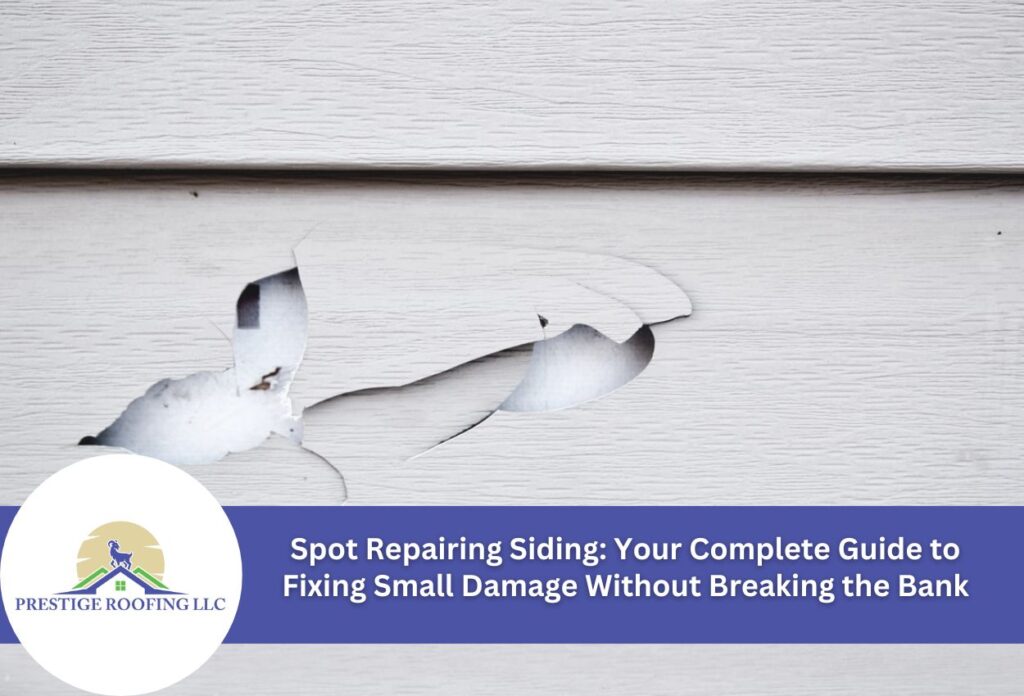
Damaged siding doesn’t always mean homeowners need to replace entire sections or invest in full-scale renovations. Spot repairs offer an effective solution for addressing localized problems like small cracks or holes, loose panels, and weather-related wear without the expense and disruption of a complete replacement project.
Siding spot repair techniques focus on fixing specific damaged areas while leaving surrounding materials intact. This approach works well for newer siding systems where only isolated sections show signs of deterioration. Common scenarios perfect for spot repairs include impact damage from hail or debris, small splits from temperature changes, loose fasteners, and small gaps between panels.
Understanding when spot repairs are appropriate versus when replacement becomes necessary helps property owners make smart maintenance decisions. Factors like the age of existing materials, the extent of damage, and the overall condition of the surrounding areas all influence whether DIY siding repair methods will provide lasting results.
The key to successful spot repairs lies in matching materials properly and addressing the underlying issues that caused the original damage. When done correctly, these repairs can extend the life of siding systems while maintaining structural integrity and appearance throughout Green Bay’s challenging weather conditions.
When Spot Repairs Work and When They Don’t
Understanding which siding problems respond well to spot repairs helps homeowners make informed decisions about maintenance strategies. Localized small issues often occur when debris strikes panels during storms or when normal expansion and contraction create small splits in the material.
Siding spot repair techniques are most effective on damage spanning less than a few square feet, with surrounding materials remaining structurally sound. Loose or slightly warped panels, small areas where caulking has failed, and minor color fading on individual sections all respond well to focused repair efforts. Repairs are straightforward when damage stays contained and the underlying structural elements remain intact.
However, extensive rot, widespread leaks, or structural damage require more comprehensive solutions than spot repairs can provide. When multiple panels show signs of deterioration, damage extends behind the siding into the framing, or when problems span large, continuous areas, partial siding replacement becomes the more practical approach.
Professional assessment can help determine whether spot repairs will provide lasting results or if the situation needs broader intervention for long-term protection.
Essential Tools and Materials for Successful Siding Spot Repairs
Having the right tools makes the difference between professional-looking siding spot repair results and amateur attempts that fail more quickly. Basic measuring tools like tape measures and levels give you the accuracy to make cuts and proper alignment when installing replacement pieces. A circular saw or miter saw handles most cutting requirements, while tin snips work well for trimming metal siding materials. Safety equipment, including eye protection, work gloves, and sturdy ladders, protects workers during repair projects.
Essential hand tools include hammers, screwdrivers, utility knives, and pry bars for removing damaged sections and installing new materials. A drill with various bit sizes for fastener installation and pilot hole creation is also important and can make the repair process go quicker. Repairing damaged siding can sometimes require specialized removal tools, like a zip tool or a side swiper, that help extract damaged pieces without affecting surrounding panels.
Material selection varies depending on siding type, but common additional supplies include replacement panels that match existing profiles and colors, appropriate fasteners like nails or screws designed for exterior use, and high-quality exterior caulk for sealing joints.
Successful DIY siding repairs depend on using materials specifically designed for exterior applications that can withstand weather exposure. Galvanized or stainless steel fasteners prevent rust stains, while flexible sealants accommodate normal building movement. Quality materials paired with proper tools create lasting repairs that maintain both protection and appearance.
The Different Processes for Different Types of Spot Repairs
Repairing vinyl siding damage requires attention to detail and proper technique to achieve seamless results. The process begins with cutting out the damaged section using a utility knife or fine-tooth saw blade, making cuts that extend slightly beyond the damaged area. Remove the damaged piece by lifting the panel above and carefully sliding out the compromised section without disturbing adjacent panels. If you need to use a zip tool, run it under the panel above the damaged one to loosen it further.
Installing replacement pieces involves measuring the opening precisely and cutting the new panel to fit with slight room for expansion. Slide the replacement piece into position, making sure that there is proper overlap with existing panels and that it is aligned with surrounding materials. Fasten the new section using appropriate nails or screws (if it doesn’t have a way to snap into place with existing material), maintaining consistent spacing and depth to match the original installation pattern.
Different materials require different approaches for effective spot repairs. Wood siding repairs often involve filling small holes with exterior wood filler, sanding smooth when dry, and applying primer and matching paint for protection and appearance. Fiber cement repairs may require specialized cutting tools and dust control measures due to the material’s composition and hardness.
Aluminum siding problems typically involve straightening dents using specialized tools or replacing severely damaged sections by cutting along panel edges and installing matching replacement pieces. Each material has unique challenges that affect the way you repair the damaged siding. Preparation, accurate measurements, and attention to manufacturer specifications ensure repairs blend seamlessly with existing installations while providing long-lasting protection against weather exposure.
Making Your Repair Blend In Perfectly
Achieving invisible siding spot repairs requires careful attention to color matching, texture alignment, and seamless integration with existing materials. The most noticeable repairs often result from rushing through the finishing process or overlooking subtle variations in material appearance that develop over time through weathering and exposure.
Successful color matching starts with obtaining replacement materials from the same manufacturer and product line as the original siding when possible. Even identical products can show slight variations between production runs, making it important to compare new pieces against existing panels in different lighting conditions. Natural sunlight reveals color differences that indoor lighting might hide, helping identify potential matching issues before installation begins.
Texture consistency plays an equally important role in creating professional-looking results. New siding materials often display sharper edges and more pronounced surface patterns compared to weathered existing panels. Light sanding can soften new material edges to better match surrounding weathered surfaces, while careful attention to grain direction and panel orientation maintains visual continuity across the repair area.
When working with painted surfaces, feathering primer and finish coats onto adjacent undamaged areas creates gradual transitions that disguise repair boundaries. The goal isn’t just to fix the direct issues that could come from damaged siding, you also want to maintain the appearance of your home to maintain curb appeal and keep your property value up.
Avoiding Common Mistakes That Lead to Failed Repairs
Poor preparation work represents the primary cause of siding spot repair failures that require expensive do-overs within months of completion. Many homeowners rush through surface cleaning, skip moisture content checks, or fail to identify underlying damage that extends beyond visible problems. These oversights create weak foundations that compromise even technically correct repair work.
Improper measuring leads to gaps, overlaps, and alignment issues that create entry points for leaks. Successful siding spot repair techniques require precise measurements that account for thermal expansion, existing irregularities, and manufacturer specifications. Cutting replacement pieces too short leaves gaps that allow moisture to get in, while oversized pieces create buckling and stress that can become future damage.
Installation errors frequently occur when homeowners attempt repairs using incorrect fastener types or improper spacing. Each siding material requires specific fastening methods that distribute weight properly and accommodate normal building movement. Over-driving fasteners creates dimples and stress points, while under-driving leaves panels vulnerable to wind uplift and separation.
Poor timing with bad weather on the way can cause more issues down the line. Water getting in, high winds harming the cut-away areas more, or snow making the work area unsafe and slippery are all possible if you don’t work around the forecast. Repairing damaged siding successfully requires dry conditions that allow the materials to cure properly. Siding repairs work best during stable weather with moderate temperatures and low humidity levels that support the best material performance and bonding. Attempting repairs during temperature extremes or high moisture conditions often results in premature failure regardless of technique quality.
Deciding Between DIY Repairs and Professional Help
Determining whether to tackle siding spot repairs independently or hire professional contractors depends on several key factors, including damage complexity, required tools, and individual skill levels. Simple repairs like replacing a single damaged vinyl panel, filling small holes in wood siding, or reattaching loose sections often fall within the capabilities of homeowners with basic construction knowledge and standard tools.
Straightforward DIY siding repair methods work well for surface-level damage that doesn’t involve structural components or special equipment. Projects requiring only common hand tools, basic measuring skills, and readily available materials from local suppliers are typically good candidates for a DIY approach. Small cracks, minor impact damage, and isolated weather-related wear respond well to focused repair efforts when the underlying structure remains intact.
However, there are warning signs that indicate when professional expertise is needed for safe and effective results. Extensive damage spanning multiple panels, problems involving electrical or plumbing gaps, and repairs requiring specialized cutting or installation equipment exceed typical homeowner capabilities. Water damage that has compromised sheathing or framing materials also needs professional assessment to prevent future structural problems.
Choose Prestige Roofing LLC for Expert Siding Spot Repairs
If you’ve noticed minor damage to your siding and are unsure whether to go for a DIY fix or call in the professionals, Prestige Roofing LLC is here to help. Don’t let small cracks or holes turn into much larger problems. Our team specializes in siding spot repair techniques that not only save you money but also extend the life of your siding.
Don’t risk further damage by delaying repairs. Call Prestige Roofing LLC today at (920) 791-0414 to schedule a consultation and keep your home looking its best. Remember, quick repairs can prevent the need for more expensive full replacements in the future.
Related Articles
-
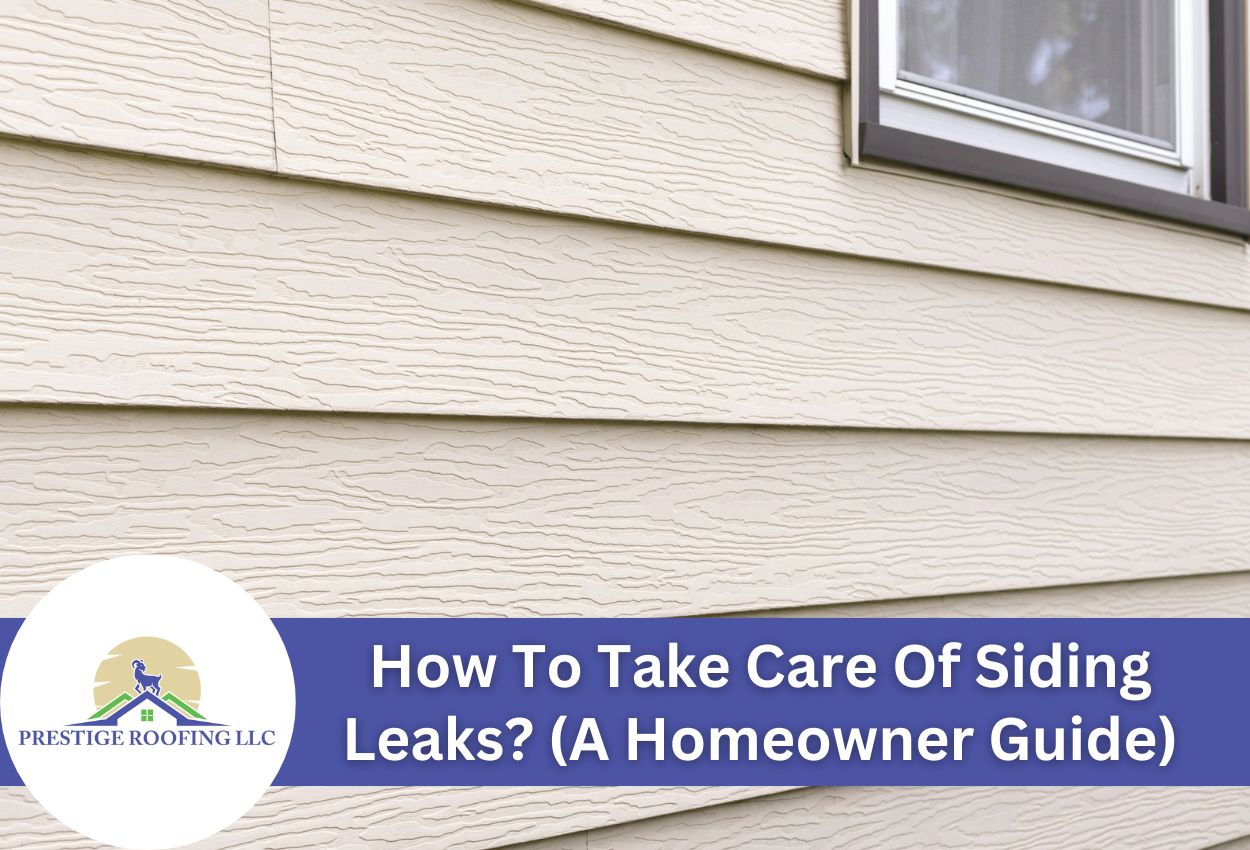 April 18, 2025How To Take Care Of Siding Leaks? (A Homeowner Guide)Being a homeowner means living with smart technology and modern materials, but it also means staying on top of basic maintenance, like preventing siding leaks. You might notice a damp patch on your wall or get a smart alert about hidden moisture. Even with the many tools available in the market, siding leaks can still […]
 -
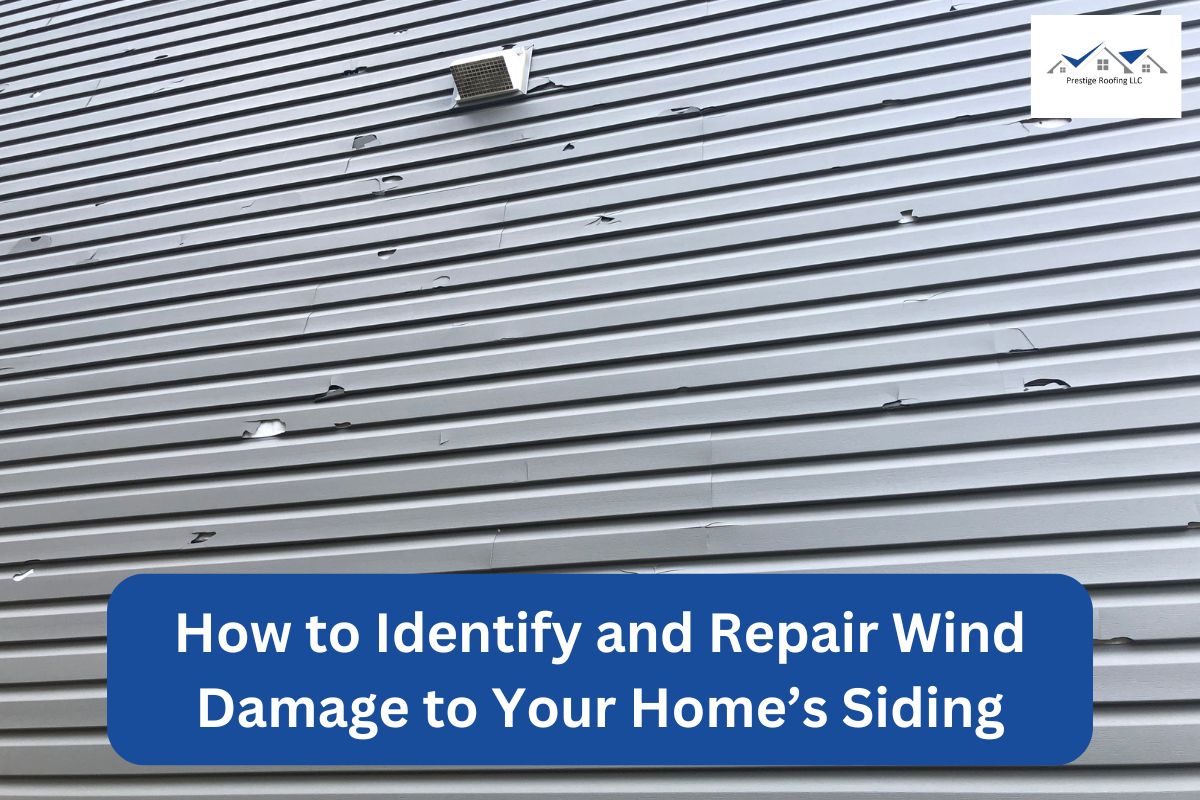 September 15, 2024How to Identify and Repair Wind Damage to Your Home’s SidingThis year, Wisconsin experienced numerous severe windstorms, including 39 tornadoes. These powerful winds left a trail of destruction, with countless homes suffering damage to their siding. As a local roofing and siding company serving the region, we have seen firsthand the toll these storms can take on our community’s homes. If you’re a homeowner in […]
 -
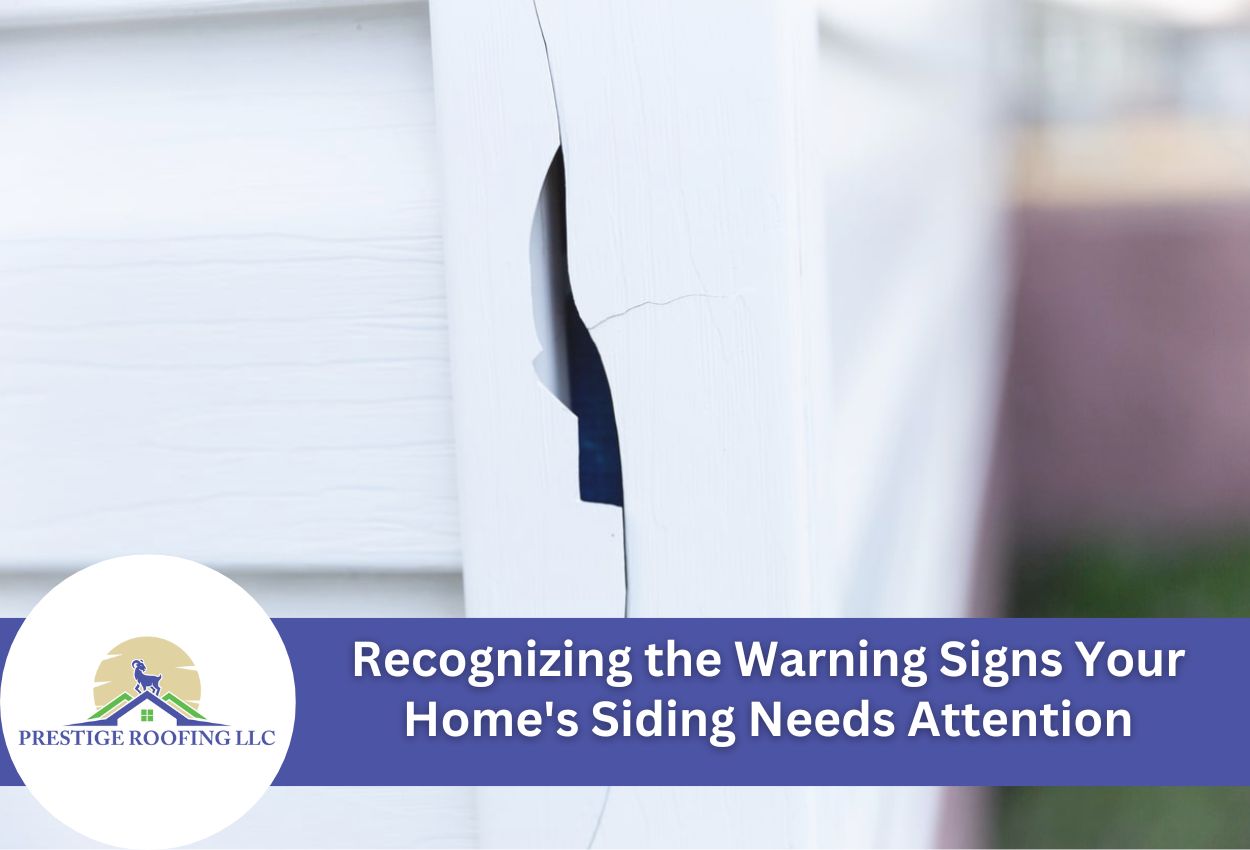 December 13, 2025Common Types of Siding Damage Every Homeowner Should RecognizeConcerned about your home's exterior? Learn to spot common siding damage early to protect your property.
Protect Your Home with Expert Roofing
Don’t wait for leaks or storm damage to cause costly repairs. Our experienced roofing team provides fast, reliable service, high-quality materials, and lasting results. Ensure your home stays safe, secure, and looking great—contact us today for a free estimate.