A Guide to the Winter Roofing Service Process for Cold Weather
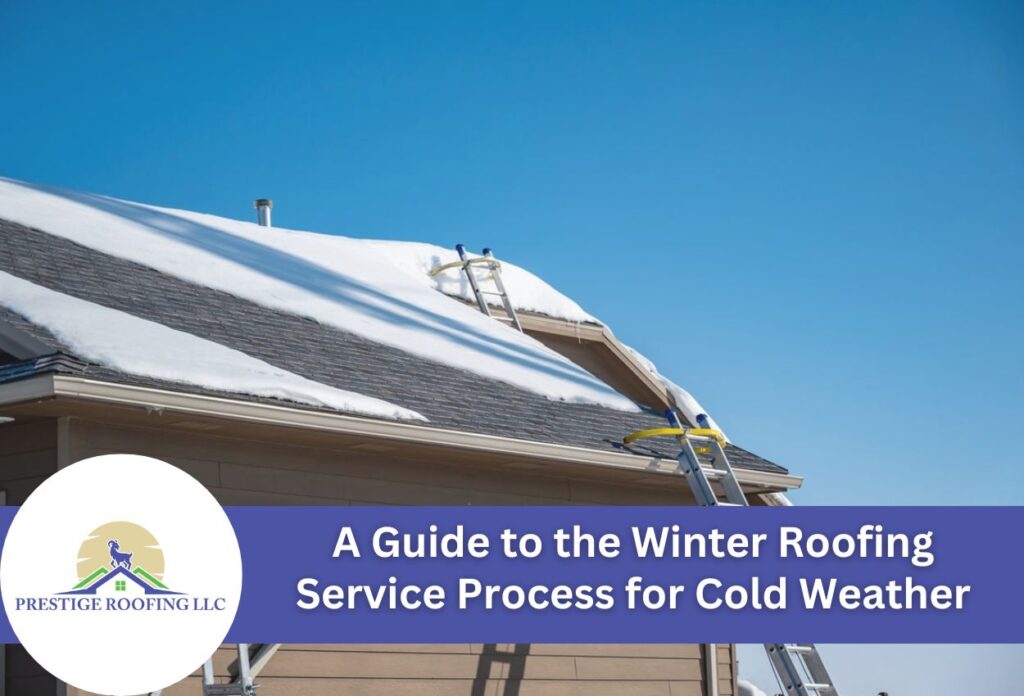

The winter roofing service process requires specialized expertise that differs significantly from standard roofing work during warmer months. Snow, ice, and freezing temperatures create unique challenges that demand professional knowledge and proper equipment to address them safely and effectively.
Cold-weather roofing presents homeowners with several complex issues that can compromise their roof’s structural integrity. Heavy snow can stress structural components beyond their design limits, while ice formation creates conditions for leaks and damage. Temperature changes can cause roofing materials to expand and contract repeatedly, leading to cracks, loose fasteners, and compromised seals.
Winter roof maintenance becomes important when standard DIY approaches prove inadequate or dangerous. Professional roofing contractors understand how to navigate icy surfaces, use appropriate tools for frozen materials, and implement solutions that work in freezing conditions. Ice dam prevention requires specific techniques and materials that perform effectively when temperatures drop below freezing.
Removing snow from roofing surfaces involves more than simple shoveling. Proper technique prevents damage to shingles and gutters. Winter roof inspection protocols focus on identifying vulnerabilities that cold weather can exploit, including areas where heat loss might contribute to ice formation or where accumulated moisture could cause long-term structural problems.
The Steps for a Winter Roof Inspection Before Cold Weather Hits
A professional winter roof inspection involves an examination of important components that face the greatest stress during cold-weather roofing conditions. Contractors focus on gutters, flashing, shingles, and structural elements to identify vulnerabilities before winter weather creates serious problems.
Structural components undergo assessment for adequate support capacity to handle expected snow loads. Contractors evaluate roof decking, rafters, and trusses for signs of weakness or previous damage that winter conditions might cause.
Homeowners should watch for several warning signs indicating that immediate professional attention is needed. Water stains on interior ceilings or walls suggest that existing leaks that winter weather will amplify. Loose or damaged shingles become more problematic when ice forms underneath them. Sagging gutters or visible separation from the roofline indicate structural issues requiring prompt repair.
Winter roof maintenance scheduling becomes crucial when these warning signs appear, as delaying repairs allows minor issues to develop into major problems during severe weather conditions.
Professional Snow Removal Techniques That Protect Your Roof
Professional roofing contractors employ specialized techniques to remove snow from roof structures that prioritize both safety and material preservation. These methods differ significantly from amateur approaches that often cause damage to shingles, gutters, and underlying roof components.
Contractors use roof rakes with extended handles to remove snow from ground level when possible, avoiding the need to walk on icy surfaces. When roof access becomes necessary, professionals wear appropriate safety equipment, including harnesses, non-slip footwear, and use proper ladder techniques. Specialized tools include plastic shovels that won’t damage shingles and snow pushers designed to move snow without scraping roofing surfaces.
The timing for snow removal becomes important when accumulation reaches specific thresholds. Most residential roofs can handle about 20 pounds per square foot, but wet snow weighs significantly more than dry powder. Professional contractors assess snow density and its total weight to determine when removal becomes necessary to prevent structural damage.
Ice dam prevention techniques involve creating channels for proper drainage while avoiding damage to gutters and downspouts. Contractors never use sharp tools or excessive force that could puncture roofing materials. Steam removal methods provide effective ice elimination without the mechanical stress that hammering or chipping creates.
Preventing Ice Dams with Proper Ventilation and Insulation
Ice dam prevention requires addressing the root cause of ice formation rather than simply treating symptoms after problems develop. Professional roofing contractors understand that ice dams form when heated air from interior spaces warms the roof deck, causing snow to melt and refreeze at the colder roof edges and gutters.
Insulation problems add to existing ventilation issues by allowing excessive heat transfer from living spaces into attic areas. The professional winter roofing service process includes assessing insulation depth, continuity, and air sealing around gaps where heated air commonly escapes. Contractors identify gaps around recessed lighting, plumbing vents, and electrical boxes that contribute to uneven roof heating.
When existing ice dams require immediate attention, professional removal techniques prioritize safety and material preservation. Contractors use steam equipment or low-pressure hot water to melt ice formations without damaging gutters or shingles. Chemical ice melters designed specifically for roofing applications provide controlled melting without the environmental concerns of road salt.
Emergency repairs following ice dam removal focus on preventing water infiltration, while permanent solutions address underlying ventilation and insulation deficiencies that created the original problem during winter roof maintenance cycles.
Cold Weather Roofing Materials and Installation Methods
Cold-weather roofing projects require specialized materials engineered to perform effectively in freezing temperatures and harsh winter conditions. Professional contractors rely on temperature-rated adhesives that maintain bonding strength when standard products become brittle or fail to cure properly. These specialized adhesives ensure that the seal is properly formed even when ambient temperatures drop well below freezing during installation.
Modified installation processes accommodate the unique challenges that winter conditions present. Contractors adjust working schedules to take advantage of warmer daylight hours when materials remain more pliable. Shingles require careful handling since cold temperatures make them prone to cracking, while sealants need additional time or heat application to achieve proper adhesion.
Equipment modifications include heated storage for materials and specialized tools designed for cold-weather operation. Some repairs require temporary heating of work areas to ensure proper material performance and worker safety on icy surfaces.
Winter roofing work faces significant limitations that require careful project planning around weather conditions. High winds, active precipitation, and extremely low temperatures can halt work entirely, making weather monitoring essential for project scheduling. Professional contractors understand these constraints and plan accordingly to ensure lasting repair results.
Emergency repairs during severe weather focus on temporary weatherization until permanent solutions become feasible. These interim measures prevent further damage while ensuring repairs meet long-term performance standards once proper working conditions return for the comprehensive winter roofing service process.
Emergency Winter Roof Repair Process and Response
Winter roof emergencies demand immediate professional response to prevent extensive property damage when severe weather strikes. Professional roofing contractors maintain emergency protocols specifically designed for cold weather conditions, utilizing specialized equipment and techniques that ensure effective repairs despite challenging environmental factors.
Temporary weatherization solutions provide important protection while permanent repairs await suitable working conditions. Contractors apply emergency tarping systems secured with specialized fasteners that maintain integrity in high winds and heavy snow. Emergency sealants formulated for cold-weather application stop immediate leaks, while temporary flashing redirects water away from vulnerable areas until comprehensive repairs become feasible.
Professional emergency response includes rapid damage assessment to prioritize repairs based on severity and potential for additional damage. Contractors evaluate structural integrity, water infiltration points, and areas requiring immediate attention versus those that can wait for better working conditions.
Homeowners facing winter roof emergencies should prioritize safety while taking specific protective measures. Moving furniture and belongings away from leak areas prevents additional property damage. Placing containers to collect dripping water protects the flooring and prevents slip hazards. Documenting damage with photographs assists with insurance claims and provides contractors with preliminary assessment information.
Ongoing Winter Roof Maintenance Throughout the Season
Consistent winter roof maintenance requires implementing regular inspection routines that professional roofing contractors recommend for sustaining optimal roof performance during extended cold weather periods. These systematic approaches focus on monitoring changing conditions and addressing small issues before they develop into expensive emergency repairs.
Monthly visual inspections from ground level help homeowners identify accumulating problems such as ice buildup in gutters, icicle formation patterns, or visible damage to roof edges. Professional contractors recommend checking for signs of ice dam formation along roof perimeters, monitoring snow load distribution across roof surfaces, and observing drainage patterns during brief warming periods.
Removing snow from the roof becomes necessary when the accumulation exceeds safe weight limits or when uneven distribution creates stress. Professional maintenance schedules account for varying snow densities throughout winter, as wet spring snow weighs significantly more than early winter powder. Regular gutter maintenance prevents ice formation that contributes to backup problems.
Establishing relationships with local roofing professionals provides access to seasonal maintenance programs that offer proactive care throughout winter. These partnerships typically include priority emergency response, regular condition assessments, and preventive treatments before problems develop.
A comprehensive winter roofing service process partnerships often include scheduled maintenance visits, priority scheduling for emergency repairs, and detailed documentation of roof conditions that help track performance over multiple seasons while ensuring cold-weather roofing challenges receive prompt professional attention.
Trust Prestige Roofing LLC for Expert Winter Roofing Services in Green Bay
Don’t wait for winter weather to take a toll on your roof. Prestige Roofing LLC specializes in comprehensive winter roofing services designed to protect your home during Green Bay’s harshest months. Our experienced team is equipped to handle everything from pre-winter inspections and snow removal to emergency repairs and ice dam prevention. We understand the unique challenges that cold weather brings, and we’re prepared with the right tools and techniques to ensure your roof remains in top condition.
Whether you’re concerned about potential ice dams or the integrity of your shingles, we offer tailored solutions that address all aspects of winter roofing. Regular maintenance and timely interventions can save you from expensive damage and repairs in the future. Call Prestige Roofing LLC today at (920) 791-0414 and ensure your roof is ready to withstand the winter season.
Related Articles
-
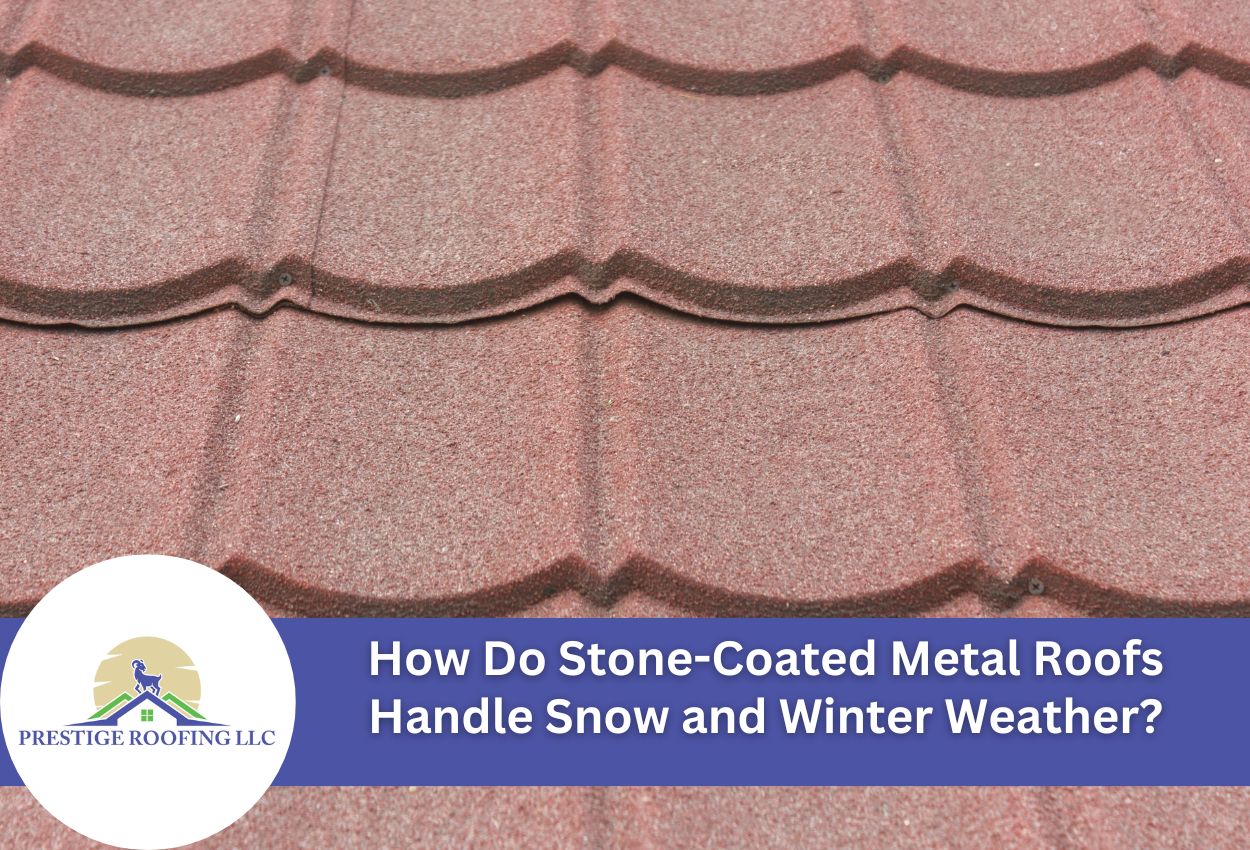 October 14, 2025How Do Stone-Coated Metal Roofs Handle Snow and Winter Weather?Curious how stone-coated metal roofs perform in snow? Learn about their high snow load capacity.
 -
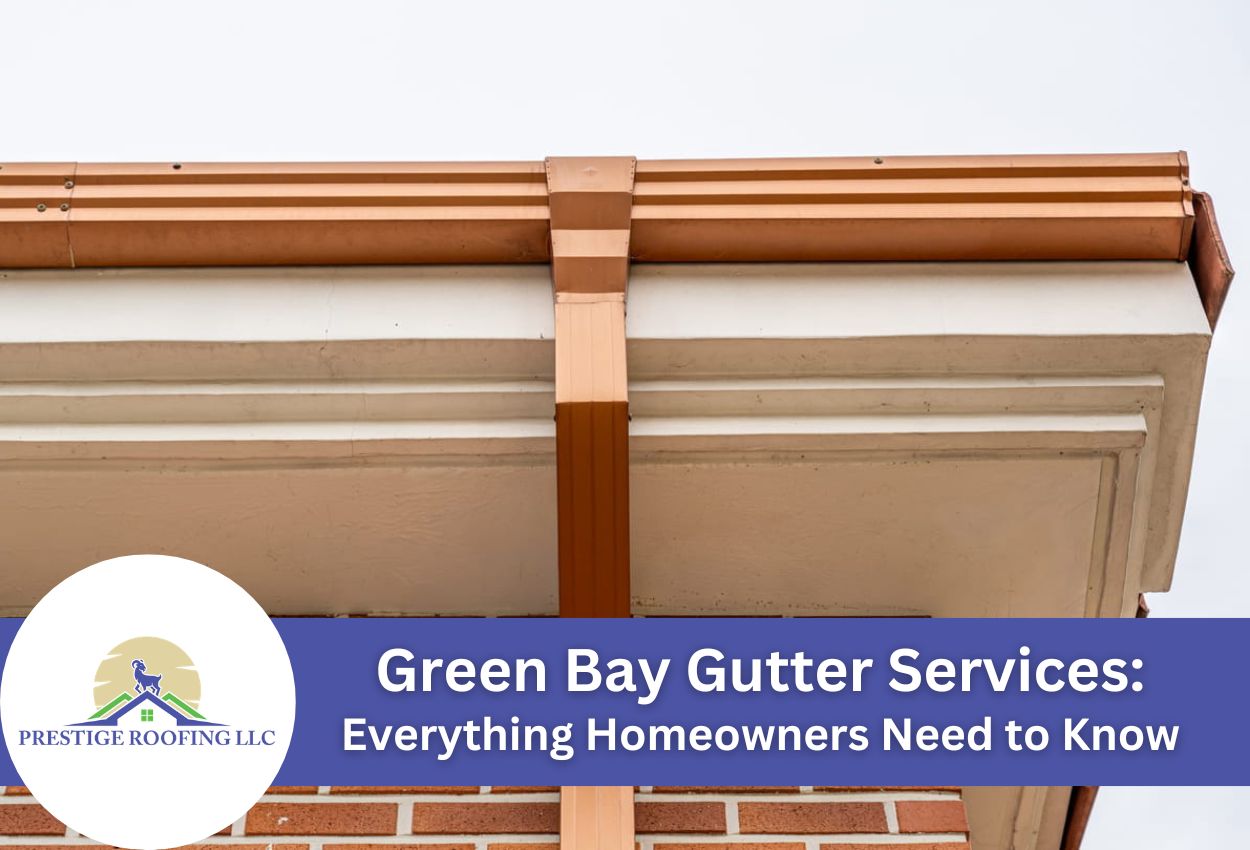 August 6, 2026All About Green Bay Gutter Services: Costs, Types, and When to Call a ProGutter cleaning, seamless gutter systems, gutter protection, gutter repairs, and professional gutter installation.
 -
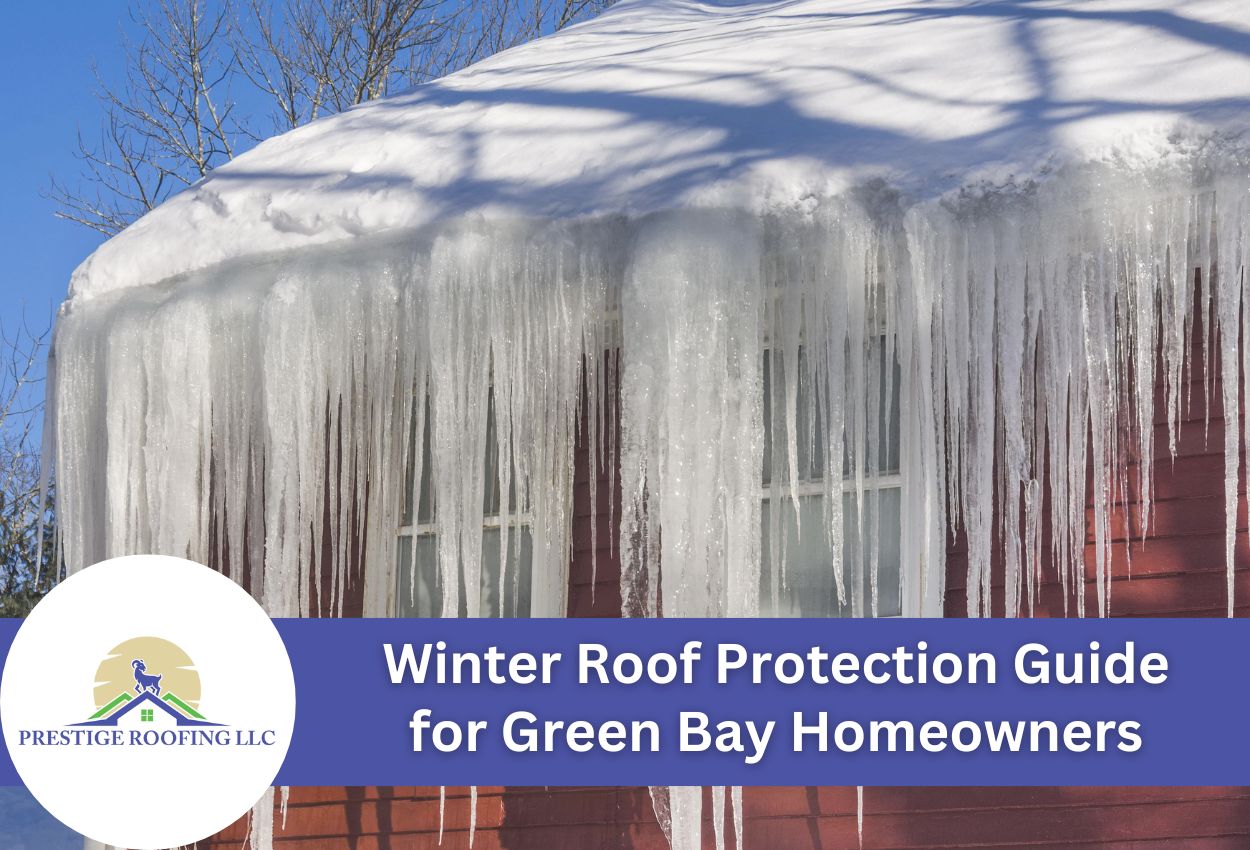 December 5, 2025How to Prevent Ice Dams on Your Roof This WinterProtect your home this winter prevent ice dams with proper insulation, ventilation, and heating.
Protect Your Home with Expert Roofing
Don’t wait for leaks or storm damage to cause costly repairs. Our experienced roofing team provides fast, reliable service, high-quality materials, and lasting results. Ensure your home stays safe, secure, and looking great—contact us today for a free estimate.