How to Determine if Your Windows Are Actually Saving You Money on Energy Bills


Identifying whether windows are energy efficient requires understanding specific visual cues and performance indicators that reveal how well they insulate your home. Energy-efficient windows include features like double or triple-pane glass, low-E coatings, and proper sealing around frames that prevent air leaks and temperature transfer.
Most homeowners can assess their current windows through simple observation methods without professional equipment. Feeling for drafts, checking weather strips, and feeling drastic temperature differences around the window compared to the rest of the room are good ways for homeowners to easily diagnose possible issues.
Energy efficiency ratings provide standardized measurements, but several practical indicators reveal performance issues. Drafts around window frames, visible condensation, difficulty maintaining consistent indoor temperatures, and unusually high heat or cooling costs are often signs of a window not doing what it is supposed to do. Indicators that signal the need for a window replacement include damaged seals, warped frames, and windows installed more than 20 years ago.
Understanding these assessment methods helps homeowners make informed decisions about their windows’ energy performance and potential need for upgrades.
Decoding Window Energy Efficiency Ratings and Labels
Understanding the energy efficiency ratings of windows requires familiarity with standardized labels and performance measurements found on window documentation. ENERGY STAR labels can be indicators that the windows meet strict energy performance criteria set by the EPA, while U-factor ratings measure how well windows prevent heat transfer through the glass and frame materials.
Locating manufacturer specifications on existing windows involves checking for labels on window frames, spacer bars between glass panes, or etched markings in glass corners. Many manufacturers include model numbers and performance data that can be referenced through the company’s websites or included documentation.
Visual Inspection Techniques That Reveal Issues with a Window’s Performance
Conducting a thorough visual examination of a window’s components helps identify specific energy problems affecting the comfort of a home and its utility costs. Signs your windows are maintaining their energy efficiency include intact weatherstripping, properly sealed frames, and clear glass without visible condensation between the panes.
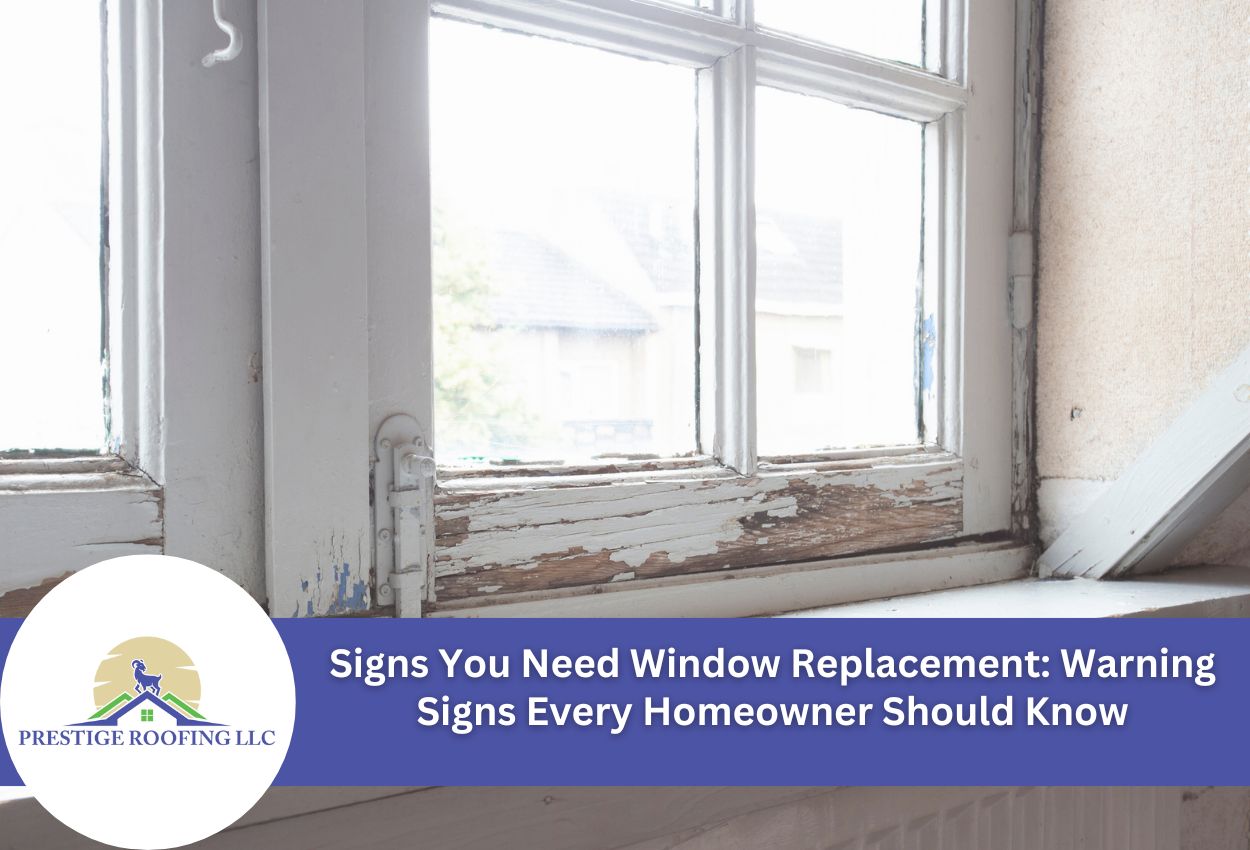
Examining window frames requires checking for cracks, warping, or gaps where air can leak around the perimeter. Indicators of a window replacement being necessary often appear as deteriorated caulking, loose or missing weatherstripping, and frames that no longer close tightly against seals.
Simple household tests reveal air leaks using lit candles or incense sticks held near the edges of a window on windy days. Moving flames or smoke are indicators of drafts that reduce energy efficiency. Temperature differences can be detected by holding hands near different parts of the window to feel cold spots or air movement.
Condensation patterns provide additional clues about a window’s performance issues. Moisture between glass layers is a sign of a seal failure, while excessive condensation on interior surfaces suggests poor insulation that affects heating and cooling throughout the home.
The Science Behind Double and Triple-Pane Glass Construction
Multiple glass layers create insulation barriers that significantly impact how effectively windows prevent heat transfer and maintain indoor comfort levels. The benefits of double-pane windows include an insulating air space between glass layers that reduces conductive heat loss, while triple-pane units add another layer for enhanced thermal performance in extreme climates.
Gas fills between panes enhance the insulation beyond standard air gaps by using argon or krypton gases. These specialized gases improve insulation performance, but gradual gas loss can occur over time, even without complete seal failure, reducing efficiency compared to original ratings.
Determining pane count involves examining the edge of the window where glass thickness becomes visible, or looking for manufacturer markings that specify construction details. Energy-efficient window signs include spacer bars between glass layers and evidence of gas fills, though these features require close inspection to identify properly.
Condensation between panes confirms seal failure, which typically coincides with partial or complete loss of insulating gas, though gas degradation can also occur without visible condensation. Window energy efficiency ratings depend heavily on intact gas fills, making this assessment important for homeowners evaluating the current performance of their windows.
Frame Materials and Their Impact on Energy Performance
Window frame materials directly influence the overall energy efficiency through their thermal conductivity properties and ability to prevent heat transfer between the interior and exterior environments. Vinyl frames offer excellent insulation characteristics with hollow chambers that reduce thermal bridging, while wood frames provide natural insulation but require regular maintenance to maintain energy performance over time.
Aluminum frames conduct heat readily, making them less energy efficient unless manufactured with thermal breaks that interrupt heat flow. Fiberglass frames combine durability with strong insulation properties, expanding and contracting at rates similar to glass to maintain tight seals. These material differences affect a window’s energy efficiency ratings and long-term performance significantly.
Identifying frame-related energy loss involves examining connection points where frames meet walls for gaps or separation. Indicators that it is time for a window replacement include warped frames that no longer seal properly, metal frames without thermal breaks showing condensation, and deteriorated wood frames with visible rot or damage affecting structural integrity.
The condition of the frame directly impacts the energy efficiency benefits of a window by affecting how well the entire window system performs as an insulation barrier against outdoor temperature extremes and air infiltration throughout different seasons.
When Poor Window Performance Signals Need for Replacement
Certain threshold indicators clearly demonstrate when window repairs cannot address fundamental performance problems and full replacement becomes the most practical solution. Indicators of a window replacement being necessary include condensation between glass layers, warped frames preventing proper closure, and single-pane windows that cannot achieve modern energy-efficient standards.
Calculating the potential energy savings involves comparing current utility costs against projected savings from new windows with improved window energy efficiency ratings. Homeowners can estimate annual energy waste by identifying temperature differences near existing windows specific to Wisconsin’s climate patterns.
Professional energy audits provide precise measurements of window-related heat loss, but simple calculations using current energy bills help determine the viability of a replacement. In some cases, replacing severely underperforming windows can reduce energy use enough to offset installation costs over time.
Replacement becomes cost-effective when repair attempts cannot restore proper sealing, insulation, or structural integrity needed for the best possible energy performance.
Professional Assessment Options and Next Steps
Professional energy audits provide comprehensive window performance evaluations beyond basic visual inspections, using specialized equipment to measure heat loss, air infiltration rates, and overall thermal efficiency throughout the home. Certified energy auditors use infrared cameras to identify problem areas invisible to the naked eye, while blower door tests reveal specific air leak locations around window frames.
Local window specialists offer detailed consultations focusing specifically on window energy efficiency ratings and replacement options suited for Wisconsin’s climate conditions. These professionals assess existing windows against current energy-efficient window standards and provide recommendations based on home-specific factors like what direction the window faces, the age of the system, and architectural requirements.
Preparing for professional consultations involves gathering existing documentation, utility bills showing seasonal energy usage patterns, and noting specific comfort issues in different rooms. Questions should address window energy efficiency ratings, expected lifespan of recommended products, warranty coverage, and how new installations will address current performance problems.
Understanding the benefits of a double or triple-pane window requires professional guidance when comparing different glass packages, frame materials, and installation methods. Contractors can explain how specific products address identified window replacement indicators while providing realistic expectations for energy savings and comfort improvements based on current conditions.
Discover Energy–Efficient Windows with Prestige Roofing LLC
Are your current windows truly saving you money on energy bills? It’s crucial to recognize the signs of energy inefficiency in your windows. Drafts, condensation, and deteriorating frames are clear indicators that your windows may not be performing well, potentially costing you more in energy bills. Prestige Roofing LLC can help you assess and understand the efficiency of your windows.
Call us today at (920) 791-0414 to schedule a consultation and learn more about your options for energy-efficient windows suitable for the Green Bay climate. Let Prestige Roofing LLC help you make informed decisions and save on future energy costs.