 ×
×
Combined Locks sits in a part of Wisconsin where your roof takes a beating from every direction. Winters bring heavy snow and ice that press down on shingles and force water under vulnerable edges. Summers flip the script with high humidity and roof surfaces that can climb well above 140 degrees Fahrenheit on a hot afternoon. That constant back and forth, expanding in the heat and contracting in the cold, creates small cracks and micro-fissures over time that grow into real problems if they go unaddressed. Granules washing into your gutters, soft spots near the eaves, or a subtle stain on your ceiling are all signs that the weather has already started winning.
Professional residential roof repair addresses exactly these conditions, targeting the specific failure points that Wisconsin weather creates, including flashing around chimneys and skylights, worn shingle edges, and drainage issues that lead to ice buildup along the roofline.
Prestige Roofing LLC works with homeowners in Combined Locks who want a straightforward answer to what is wrong and a repair that holds up through the next season and the one after that. Your home deserves more than a patch job that buys a few months. It needs repair work done by people who understand what this region throws at a roof every single year.
Understanding how a roof repair is handled helps remove uncertainty and gives you a clear picture of what to expect from beginning to end. Here is exactly how Prestige Roofing LLC manages residential roof repairs from the initial inspection to the final walkthrough.
Your roof faces a specific set of challenges in this part of Wisconsin, and knowing what tends to fail first can help you catch problems before they spread. The same weather patterns that make the area beautiful through the seasons are hard on roofing materials year after year.
| Common Issue | Primary Cause | Best Repair Window |
|---|---|---|
| Flashing failures at chimneys and skylights | Repeated temperature changes pulling sealants loose | Spring or fall |
| Ice dam formation along eaves | Clogged drainage and poor ventilation trapping heat | After winter, before spring rain |
| Shingle granule loss | Summer heat accelerating surface wear | Late summer or early fall |
| Ridge vent and ventilation damage | Moisture buildup from inadequate airflow | Spring inspection following winter |
| Fascia board rot near roofline edges | Water backup from blocked gutters and ice | Spring, once snow has cleared |
Scheduling repairs twice a year, once after winter and again after summer, lines up well with the peak stress cycles your roof goes through in Combined Locks. Catching issues like flashing gaps or granule loss early keeps a straightforward repair from turning into a much larger project. When something looks off, getting a trained eye on it quickly is always the right call.
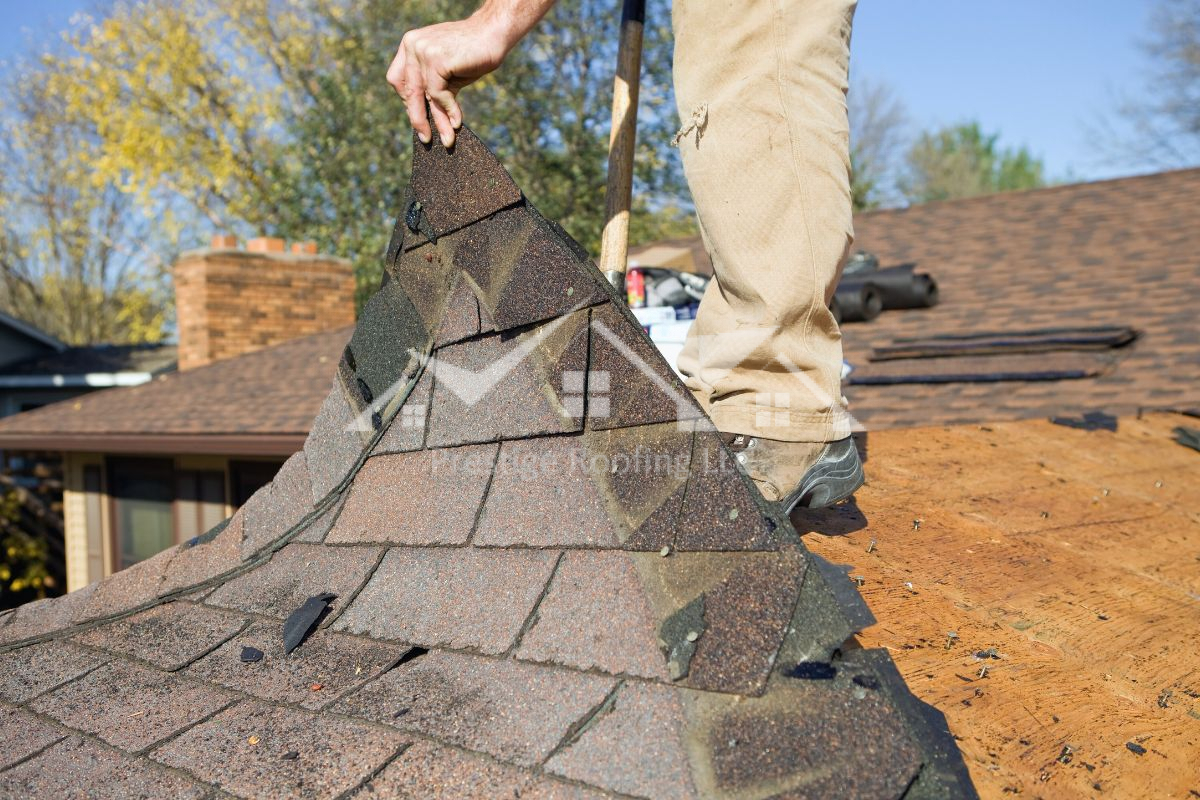
Cracked, curling, or missing shingles leave your roof exposed to the kind of moisture that works its way in fast during Wisconsin’s wet seasons. Repair work includes replacing damaged shingles and resealing exposed edges so water has no easy path into the layers underneath.
Chimneys, skylights, and vents are the points where metal flashing meets roofing material, and that junction fails more often than any other part of your roof. Properly reseating and securing flashing at these spots stops leaks that often look minor on the outside but cause real damage to framing and ceilings over time.
Blocked or damaged ridge vents trap heat and moisture in your attic, which speeds up shingle wear from the inside out and creates conditions where ice dams are more likely to form in winter. Restoring proper airflow through these vents reduces the pressure your roof faces from both summer heat and cold-season moisture buildup.
Gutters that are pulling away, clogged, or pitched incorrectly push water back toward your fascia boards and roofline instead of moving it away from your home. Addressing drainage as part of a repair visit protects the work already done and keeps the areas most vulnerable to rot and water backup from becoming repeat problems.
Wisconsin weather does not give roofs much of a break, and homes in Combined Locks face that reality every year. The same cycles of cold winters and humid summers that wear down shingles, loosen flashing, and compromise drainage are not going anywhere. Keeping up with repairs as issues surface is what separates a roof that holds for another decade from one that turns a small problem into a much bigger expense. Addressing things early protects your home and keeps your investment in your property on solid ground.
Prestige Roofing LLC is ready to help you figure out exactly where your roof stands and what it needs. Whether you noticed something after a rough winter or you just want a trained eye on things before summer heat sets in, reaching out is a simple first step. Contact us whenever you’re ready, and we’ll take it from there.
Got questions about your roof? We’ve got answers. From maintenance tips to insurance claims and repair timelines, our FAQ section covers the most common concerns homeowners have. Get informed and make confident decisions about protecting your home.
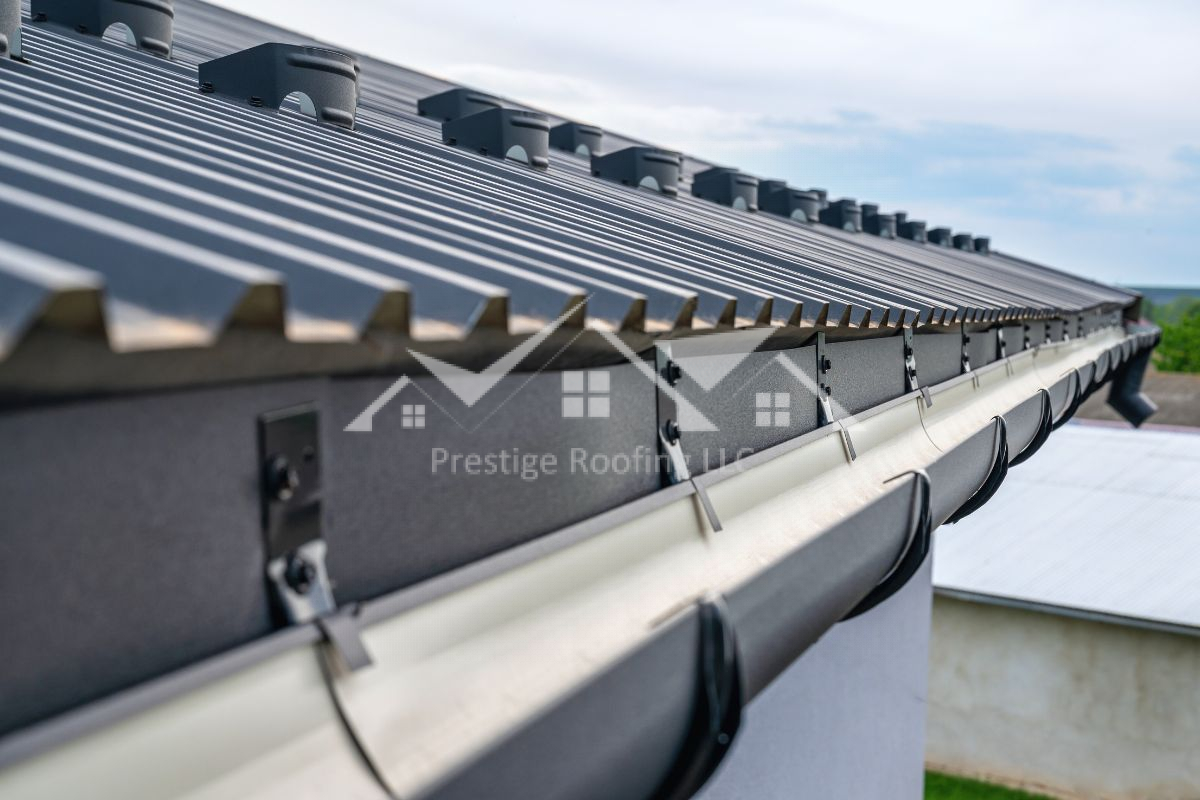
Timing does make a difference, especially here in Wisconsin. Some materials, particularly a metal roofing system, need warmer temperatures to adhere and lay correctly, so repairs involving those systems are best scheduled when temperatures are reliably above 70 degrees. For most standard shingle repairs, spring and fall tend to offer the most cooperative conditions, though urgent issues should never wait on ideal weather.
That debris is granule loss from your shingles, and it is one of the earliest signs that your roof’s surface is breaking down. The combination of summer heat and repeated temperature changes through Wisconsin’s seasons accelerates this wear faster than most homeowners expect. By the time granules are showing up consistently in your gutters, the underlying shingle layer is already losing the protection it needs, and a repair inspection sooner rather than later can prevent that from turning into a leak situation.
It is often both, but the roofing side of the problem is usually where it starts. Blocked or damaged ridge vents restrict airflow through the attic, which traps heat in summer and allows moisture to build up when temperatures drop. A roof repair visit that includes a look at your ventilation can identify whether the vents themselves need attention, which in turn takes pressure off your insulation and helps your roof last longer overall.
Your Local Roofing Experts in Green Bay, WI