Why Wisconsin Homes Need Proper Roof Ventilation Year-Round
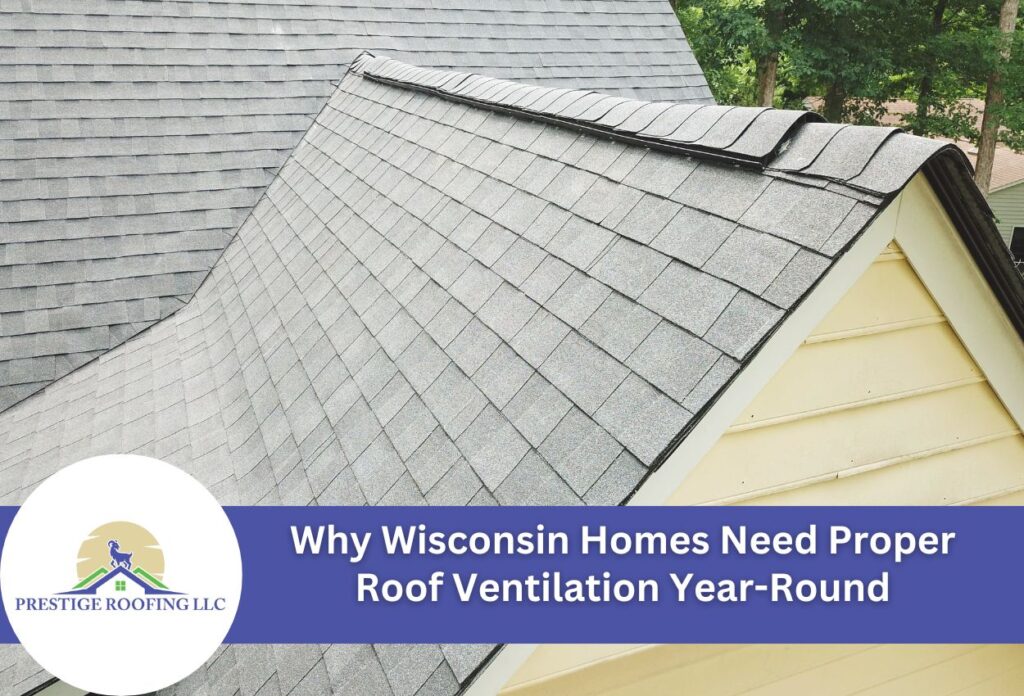

Roof ridge vents are necessary in Wisconsin due to the state’s extreme seasonal temperature swings and challenging weather conditions. Wisconsin homeowners face unique ventilation requirements as temperatures plummet below zero in winter and soar into humid summers, creating constant pressure on roofing systems and attic spaces.
Ridge vent benefits in cold weather become particularly apparent when ice dams form along rooflines during Wisconsin’s harsh winters. Without proper attic ventilation, warm air trapped in attic spaces melts snow on the surface of the roof, which then refreezes at gutters and eaves. This cycle creates expensive ice dam damage and potential leaks.
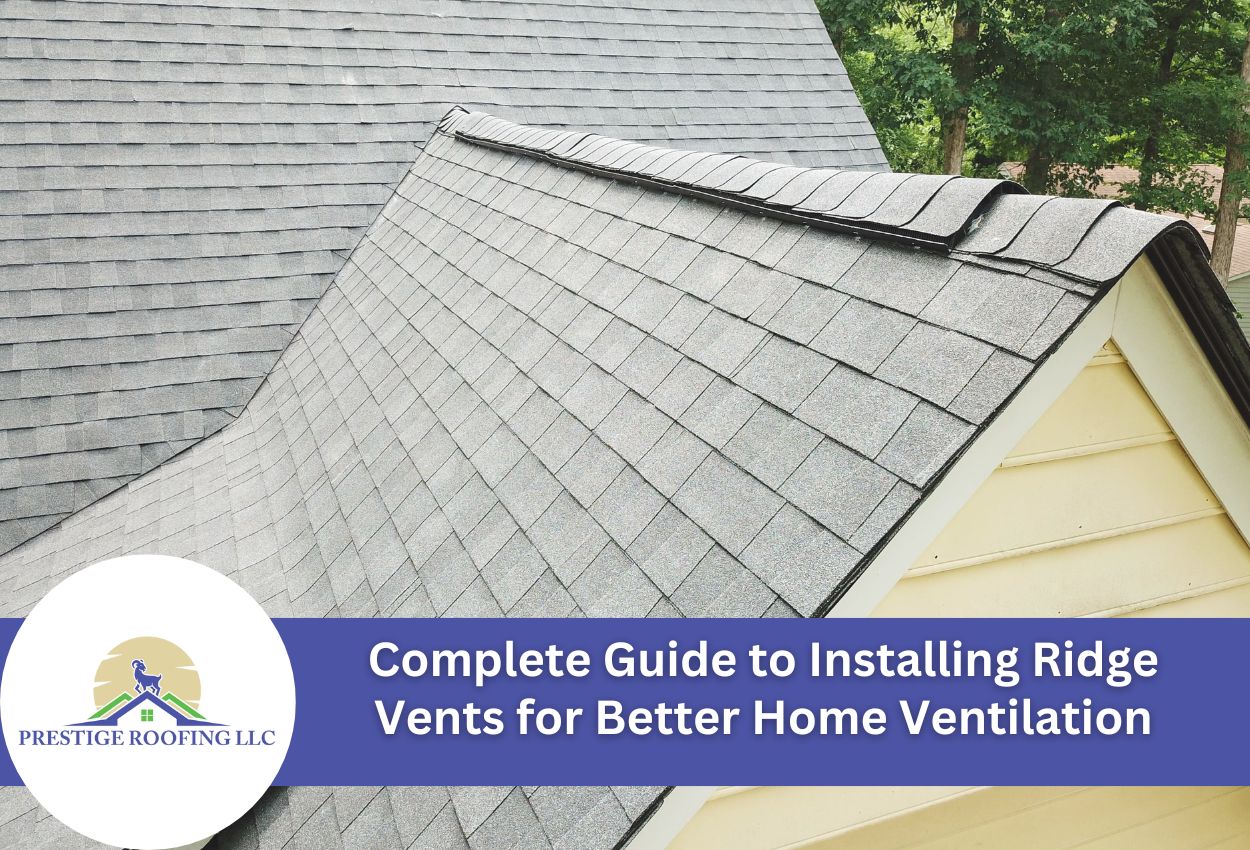
Roof ventilation in a Wisconsin climate serves dual purposes throughout the year. During summer, ridge vents expel superheated air that would otherwise increase cooling costs and stress HVAC systems. Winter ventilation prevents moisture buildup that leads to mold growth, wood rot, and insulation damage. Ridge vents provide continuous airflow along the entire roof peak, making them more effective than traditional box vents or turbine systems for Wisconsin’s variable weather patterns and building code requirements.
How Ridge Vents Prevent Ice Dams and Winter Roof Problems
Ice dam formation occurs when warm attic air heats the surface of the roof unevenly, causing snow to melt and refreeze at colder eaves and gutters. This process creates dangerous ice buildup that can damage gutters, shingles, and interior structures through leaks. Ridge vent benefits in cold weather become essential as these systems maintain consistent roof temperatures by allowing continuous airflow that prevents the hot spots responsible for uneven snow melting.
Attic ventilation winter ice dams prevention requires balanced airflow between intake and exhaust points. Ridge vents work with soffit vents to create natural convection currents that draw cold outside air through soffits while expelling warm attic air through the ridge. This continuous circulation eliminates temperature variations across the surface of the roof that trigger ice dam formation during Wisconsin’s freeze-thaw cycles.
Proper roof ventilation in a Wisconsin climate maintains attic temperatures closer to outdoor conditions, preventing the dramatic temperature differences that cause snow to melt and refreeze. Ridge vents provide superior performance compared to other exhaust options because they span the entire roof length, ensuring consistent airflow patterns that eliminate problematic hot spots throughout winter.
Summer Benefits of Ridge Vents for Wisconsin Homeowners
Ridge vents significantly reduce attic temperatures during Wisconsin’s hot summers by creating continuous airflow that expels superheated air before it builds up in attic spaces. Without proper roof ventilation in a Wisconsin climate, attic temperatures can reach 150 degrees Fahrenheit or higher, forcing air conditioning systems to work harder and increasing energy costs substantially.
The natural convection process created by ridge vents draws cooler outdoor air through soffit vents while pushing hot attic air out through the ridge opening. This constant air circulation prevents heat buildup that would otherwise transfer into living spaces below, reducing strain on cooling systems and maintaining more comfortable indoor temperatures during summer heat waves.
Moisture control represents another important summer benefit as ridge vents prevent condensation problems that occur when humid outdoor air meets cooler attic surfaces. Wisconsin roof ventilation requirements address these concerns because trapped moisture creates ideal conditions for mold growth and wood rot in attic structures. Ridge vent installation ensures continuous moisture removal, protecting structural components and maintaining healthy indoor air quality throughout humid summer conditions when temperature differentials between indoor and outdoor environments create the greatest condensation risks.
Ridge Vent Performance Compared to Other Ventilation Systems
Ridge vents outperform turbine vents, gable vents, and powered exhaust fans in Wisconsin’s challenging wind patterns and weather conditions. While turbine vents rely on wind speed to operate effectively, Wisconsin’s variable wind conditions often leave these systems inadequate during calm periods when ventilation remains important. Ridge vents provide consistent airflow regardless of wind speed through natural convection principles that work continuously.
Gable vents create cross-ventilation but fail to address hot air accumulation at roof peaks where temperatures reach their highest levels. Ridge vent installation addresses this limitation by targeting the exact location where heated air naturally rises and accumulates. Powered exhaust fans require electrical connections and moving parts that struggle with Wisconsin’s freeze-thaw cycles, leading to frequent maintenance issues and potential system failures during the winter.
Maintenance requirements favor ridge vents significantly when exposed to Wisconsin’s severe weather and temperature extremes. Unlike turbine vents with moving parts that freeze or break during storms, ridge vents contain no mechanical components requiring repair or replacement. Their low-profile design withstands high winds better than protruding alternatives, while their continuous construction prevents the ice buildup that commonly disables other ventilation systems during Wisconsin winters.
Wisconsin Building Codes and Ridge Vent Requirements
Wisconsin residential building codes mandate specific ventilation ratios that ridge vents help achieve efficiently for both new construction and renovation projects. The state requires one square foot of ventilation for every 150 square feet of attic space, with balanced intake and exhaust components. Ridge vent installation typically satisfies exhaust requirements more effectively than alternative systems because it provides continuous ventilation along the entire roof peak.
Current Wisconsin roof ventilation requirements specify that exhaust vents must be positioned in the upper portion of roof areas to maximize natural airflow patterns. Ridge vents inherently meet these positioning standards while providing superior performance compared to scattered individual vents. Building inspectors recognize ridge vents as code-compliant solutions that often exceed minimum ventilation standards.
Local permit requirements in the Green Bay area typically include ventilation specifications during roofing project approvals. Inspection considerations focus on proper ridge vent installation techniques, adequate intake ventilation through soffits, and balanced airflow calculations. Contractors must demonstrate that ridge vent systems meet or exceed Wisconsin building code ventilation requirements through proper sizing calculations and installation methods that ensure the best possible performance throughout the state’s extreme seasonal conditions.
Installation Considerations for Wisconsin Homes
Ridge vent installation works best on standard gable roofs with consistent ridge lines, though Wisconsin homes often feature complex rooflines requiring specialized approaches. Hip roofs, dormers, and multi-level structures common in Wisconsin architecture need careful planning to achieve proper roof ventilation in a Wisconsin climate.
Complex rooflines with valleys, dormers, and intersecting ridges require modified installation techniques to maintain continuous airflow patterns. These architectural elements can create ventilation challenges that impact attic ventilation and winter ice dams prevention if not properly addressed during the planning phases. Ridge vent benefits in cold weather depend heavily on uninterrupted airflow, making professional assessment important for homes with intricate roof designs.
Wisconsin’s limited construction season affects roof ridge vent installation timing significantly. Spring through early fall provides the best weather windows for roofing projects, with peak contractor availability during summer. Planning installation projects during favorable weather ensures proper sealing and prevents leaks during Wisconsin’s roof ventilation requirements. Scheduling considerations should account for weather delays and contractor availability to ensure timely project completion before winter weather arrives.
Making the Right Decision for Your Wisconsin Home
Determining whether your Wisconsin home needs ridge vent installation requires evaluating specific factors, including your home’s age, current ventilation system, and location within the state’s diverse climate zones. Homes built before modern building codes often lack adequate ventilation, making ridge vent benefits in cold weather particularly valuable for older properties experiencing ice dam issues or excessive energy costs.
Several warning signs indicate inadequate roof ventilation in a Wisconsin climate that requires immediate attention. Ice dam formation along roof edges signals poor attic ventilation, winter ice dams prevention, while excessive attic heat during summer suggests insufficient airflow. Moisture problems, including condensation, mold growth, or frost accumulation in attic space,s indicate ventilation deficiencies that ridge vent installation can resolve effectively.
Wisconsin homeowners should prioritize ridge vent installation when experiencing recurring ice dams, unusually high energy bills, or visible moisture damage in attic areas. Homes in northern Wisconsin face more severe winter conditions requiring robust ventilation systems, while southern regions benefit from enhanced summer cooling through proper airflow. Consulting with experienced roofing contractors ensures Wisconsin roof ventilation requirements compliance while addressing your home’s specific ventilation challenges through appropriate ridge vent solutions.
Unlock the Benefits of Ridge Vents for Your Wisconsin Home
If you’re contemplating the roofing needs of your Wisconsin home, consider how essential proper ventilation is throughout the year. Ridge vents, in particular, are not just an option but a necessity to combat the diverse climate challenges of Wisconsin. At Prestige Roofing LLC, we specialize in the installation of ridge vents that align with Wisconsin’s specific weather conditions, ensuring your home maintains structural integrity and energy efficiency.
Ridge vents prevent a host of winter roofing problems, such as ice dams, which can cause significant damage and lead to expensive repairs. In the summer, these vents help in reducing attic temperatures, thus saving on cooling costs and protecting your home from moisture-related issues like mold and wood rot.
Don’t wait for the weather to take a toll on your home. Call Prestige Roofing LLC today at (920) 791-0414 to discuss how our roof ridge vent solutions can enhance the comfort and safety of your Wisconsin home year-round.