Can You Replace a Roof in Sections? Understanding this Roofing Approach
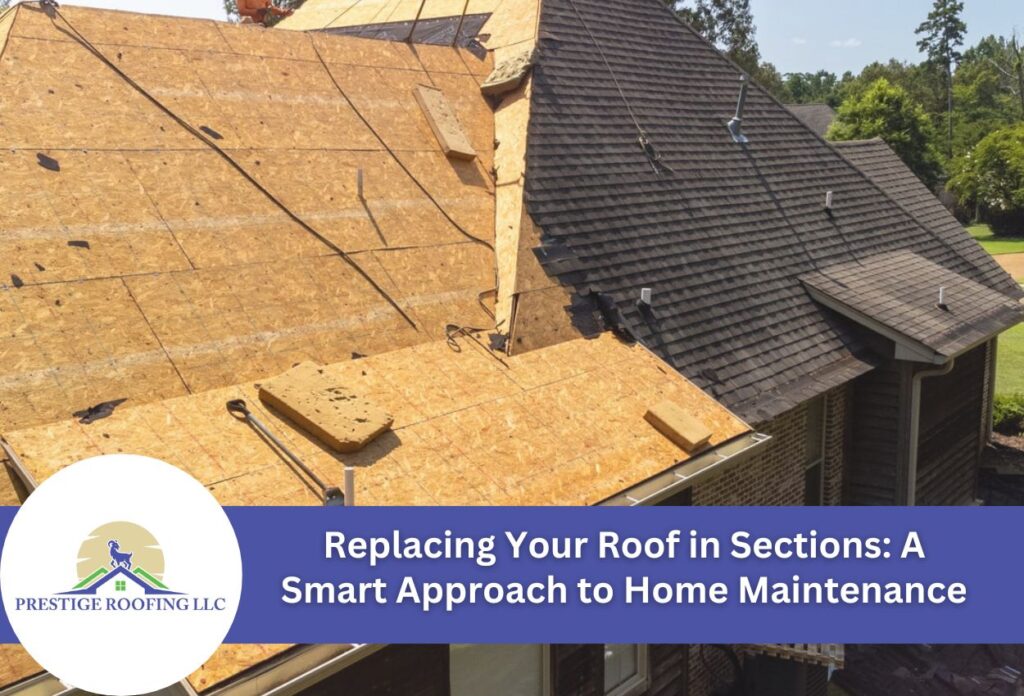

Many homeowners face the challenging decision of whether to replace their entire roof or tackle specific problem areas through sectional repairs. Partial roof replacement can be an alternative to full roof replacement, allowing property owners to address damaged or deteriorated sections while preserving the areas that remain in good condition.
Sectional roofing repair focuses on replacing specific portions of a roof system rather than removing old components and installing new materials. This roof replacement method can be particularly beneficial when storm damage affects only certain areas, when different sections of a roof age at different rates, or when budget considerations make a complete replacement impractical.
Understanding residential roof sections and how they function as part of the overall roofing system helps homeowners choose between a complete replacement and sectional repairs. Factors such as the age of existing materials, the extent of damage, and the compatibility of new materials with existing components all determine whether sectional replacement is a viable solution.
The key to successful partial roof replacement lies in evaluating which areas require immediate attention and ensuring that new sections integrate seamlessly with existing roofing materials to maintain structural integrity and weather protection.
When Sectional Roof Replacement Makes Sense for Your Home
Determining whether partial roof replacement is the right choice depends on specific damage patterns and your roof’s overall condition. Storm damage often creates ideal scenarios for sectional roofing repair, particularly when high winds or hail impact only one side of a home or specific roof sections. Areas facing prevailing winds typically show accelerated wear compared to protected sections, making targeted replacement both logical and cost-effective.
Age-related deterioration doesn’t always affect an entire roof uniformly. South-facing slopes experience more intense sun exposure, while north-facing areas may develop moisture-related issues. When these patterns create distinct zones of damage, repairs can focus on problematic areas while preserving sections that remain structurally sound.
Evaluating your roof’s condition requires looking at more than just visible damage. The underlying decking, flashing systems, and ventilation components must be assessed to ensure sectional work will provide lasting protection. If more than 30% of your roof shows significant wear or damage, full replacement typically offers better long-term value than multiple partial repairs.
Consider sectional replacement when damage is localized, the remaining roof sections have at least 10 years of expected life, and new materials can properly integrate with existing components. This roof replacement method works best when addressing recent storm damage or specific problem areas rather than attempting to patch an aging roof system.
Key Advantages of Partial Roof Replacement
Choosing partial roof replacement over complete roof replacement provides significant budget advantages that make home maintenance more manageable for property owners. This sectional roofing repair approach allows homeowners to address immediate roofing concerns without the substantial financial commitment required for full replacement projects. Spreading roofing work over time creates opportunities to plan and save for future sections while maintaining adequate protection for the entire home.
The roof replacement process becomes less overwhelming when tackled in phases, enabling homeowners to prioritize the most critical roof sections first. Areas showing severe damage or leaks can receive immediate attention while sections in better condition continue providing reliable protection. This strategic approach prevents minor issues from becoming major while working within realistic budget constraints.
Partial roof replacement also reduces disruption to daily household routines compared to comprehensive replacement projects. Sectional work typically requires fewer days on-site, generates less noise and debris, and affects smaller areas of the home at any given time. Families can maintain normal activities in most areas of their house while contractors focus on specific problem zones.
These roof replacement methods allow homeowners to schedule work during convenient times throughout the year rather than rushing to complete extensive projects before weather changes. The reduced scope of each project phase creates flexibility in timing and minimizes the stress associated with major home renovations while ensuring continuous weather protection.
Potential Challenges and Drawbacks of Sectional Roofing Work
While partial roof replacement offers several benefits, this roof replacement method also comes with challenges that homeowners must carefully consider. Material matching is one of the most significant obstacles in sectional roofing repair projects. Even when using identical shingle brands and styles, manufacturing variations, weathering differences, and color fading can create visible inconsistencies between new and existing residential roof sections.
Discontinued product lines compound matching difficulties, particularly with older roofing systems. Manufacturers frequently update their offerings, making exact replacements unavailable after several years. This challenge requires finding the closest possible alternatives or accepting some degree of visual variation across different sections of the roof.
Weather sealing presents another critical concern when connecting new sections to existing roofing materials. The transition areas where old and new materials meet require exceptional attention to prevent water infiltration. Improper integration at these junctions often leads to leaks that can be more problematic than the original damage that prompted the sectional work.
The roof replacement process is more complex when working around existing materials, as contractors must carefully preserve undisturbed sections while ensuring proper installation of new components. This precision work typically requires more time and specialized techniques compared to complete replacement projects, potentially affecting the overall efficiency of the installation process. These factors make thorough planning and experienced craftsmanship essential for successful sectional roofing projects.
Step-by-Step Process for Professional Sectional Roof Replacement
Professional sectional roofing repair begins with a comprehensive assessment that determines the exact scope and requirements of the project. Experienced contractors evaluate roof sections to find areas that need immediate attention vs. those that can remain intact. This thorough inspection examines not only visible surface damage but also underlying structural components, ventilation systems, and flashing details that impact the overall roof replacement process.
During the planning phase, contractors develop detailed work schedules that coordinate material removal and installation while minimizing exposure time for the entire roof system. Weather considerations influence the timing of sectional work, as exposed areas must be protected from moisture infiltration during the transition between old and new materials. Professional teams prepare material lists that account for integration requirements and ensure new components properly connect with existing residential roof sections.
The removal process requires careful attention to preserve adjacent areas while completely eliminating damaged materials from targeted sections. Contractors create clear boundaries between work zones and other areas, using temporary barriers and coverings to prevent debris from affecting undisturbed portions of the roof. This precise approach ensures that healthy roof sections remain fully functional throughout the replacement process.
Installation procedures focus heavily on achieving seamless integration between new and existing materials through overlap techniques, matching installation patterns, and ensuring consistent fastening schedules across transition areas.
Choosing the Right Materials for Your Sectional Roof Project
Material selection plays a crucial role in the success of any partial roof replacement project. The primary challenge lies in achieving complete integration between new and existing roofing components while maintaining both structural performance and aesthetic consistency across all roof sections. Professional contractors must carefully evaluate existing materials to determine compatibility and identify the best options for seamless sectional roofing repair work.
Matching existing shingles requires detailed analysis of current roofing materials, including manufacturer specifications, color variations, and weathering patterns. Even identical product lines can show noticeable differences when new materials are installed adjacent to weathered sections. The roof replacement process must account for these natural variations while selecting materials that will blend over time as new sections weather to match the surrounding areas.
Documentation of existing materials is extremely helpful when sourcing replacement components for sectional work. Contractors typically photograph current installations and record manufacturer information, product numbers, and installation dates when available. This information helps identify the closest possible matches or suitable alternatives when exact replacements are unavailable through current product lines.
Quality considerations are even more important in partial roof replacement projects since new materials must integrate with existing systems that may have different performance characteristics. The roof replacement methods used must ensure that material transitions don’t create weak points or compromise the overall integrity of the roofing system.
Working with Professional Roofing Contractors for Sectional Replacement
Finding the right contractor for partial roof replacement requires evaluating specific qualifications beyond general roofing experience. Sectional roofing repair requires material matching, integration techniques, and precise installation methods that differ significantly from standard roof replacements. Qualified professionals should have proven experience with residential roofs and provide examples of successfully completed sectional projects that showcase their ability to achieve seamless transitions between old and new materials.
Experienced contractors understand the complexities involved in partial roofing projects and can accurately assess whether sectional work represents the best solution for specific situations. They possess the technical knowledge to evaluate existing roof conditions, identify potential integration challenges, and recommend appropriate materials that will perform effectively within mixed-age roofing systems.
When interviewing potential contractors, ask specific questions about their warranty coverage for sectional work, particularly regarding the integration points between new and existing materials. Inquire about their typical timeline for partial roof replacement projects and how they handle weather delays or unexpected complications that commonly arise during sectional installations. Request detailed explanations of their approach to material matching and their procedures for protecting existing roof areas during construction.
Professional contractors should provide comprehensive written estimates that clearly outline the scope of work, material specifications, and project phases for your sectional roofing repair. They should also explain their quality control measures and follow-up procedures to ensure the long-term performance of all affected residential roof sections.
Expert Roof Replacement Services by Prestige Roofing LLC
If you’re contemplating whether you can replace a roof in sections, Prestige Roofing LLC is here to help. Replacing your roof in sections can address localized damage and budget constraints, extending the life of your entire roofing system without the overwhelming cost of a full replacement.
At Prestige Roofing LLC, we specialize in roof replacement and repairs, ensuring your roof continues to protect your home. Our professional team is skilled in matching shingles, proper sealing, and integrating materials to upgrade your roof’s performance and curb appeal.
Call us today at (920) 791-0414 to schedule an inspection and discuss your roofing options. Let Prestige Roofing LLC help you maintain your roof’s integrity with minimal disruption to your daily life.