The Truth About Roof Valley Flashing: What Every Green Bay Homeowner Should Know


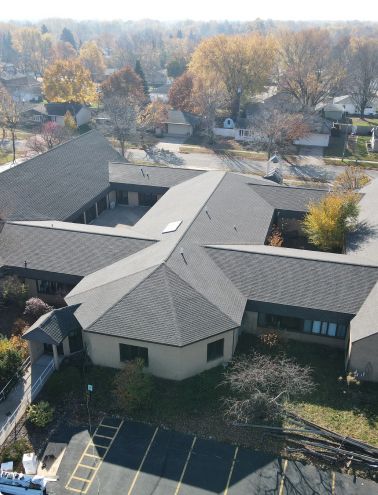
Roof valleys are one of the most vulnerable areas of any home’s roofing system, yet many homeowners are unaware of the critical protection these intersections require. When two roof sections meet at an angle, they create natural channels where water, snow, and debris naturally collect and flow downward. Without proper valley flashing installation, these areas become prime entry points for water damage that can go deep into a home’s structure.
The question “Do I really need roof valley flashing?” comes up frequently among homeowners, especially those dealing with roof repairs or replacements. The importance of roof valley flashing becomes clear when considering Wisconsin’s challenging weather conditions. Heavy snow, ice dam formation, and intense spring runoff create enormous pressure on roof valley systems throughout Green Bay and the surrounding areas.
Understanding roof valley flashing and how it functions can mean the difference between a watertight roof and expensive interior damage. This metal or synthetic barrier redirects water away from vulnerable seams, preventing roof valley water damage that often goes unnoticed until significant problems develop. The benefits of valley flashing installation include more than immediate leak protection, providing long-term structural preservation that protects one of the most important investments homeowners make.
What Exactly Is Roof Valley Flashing and How Does It Work?
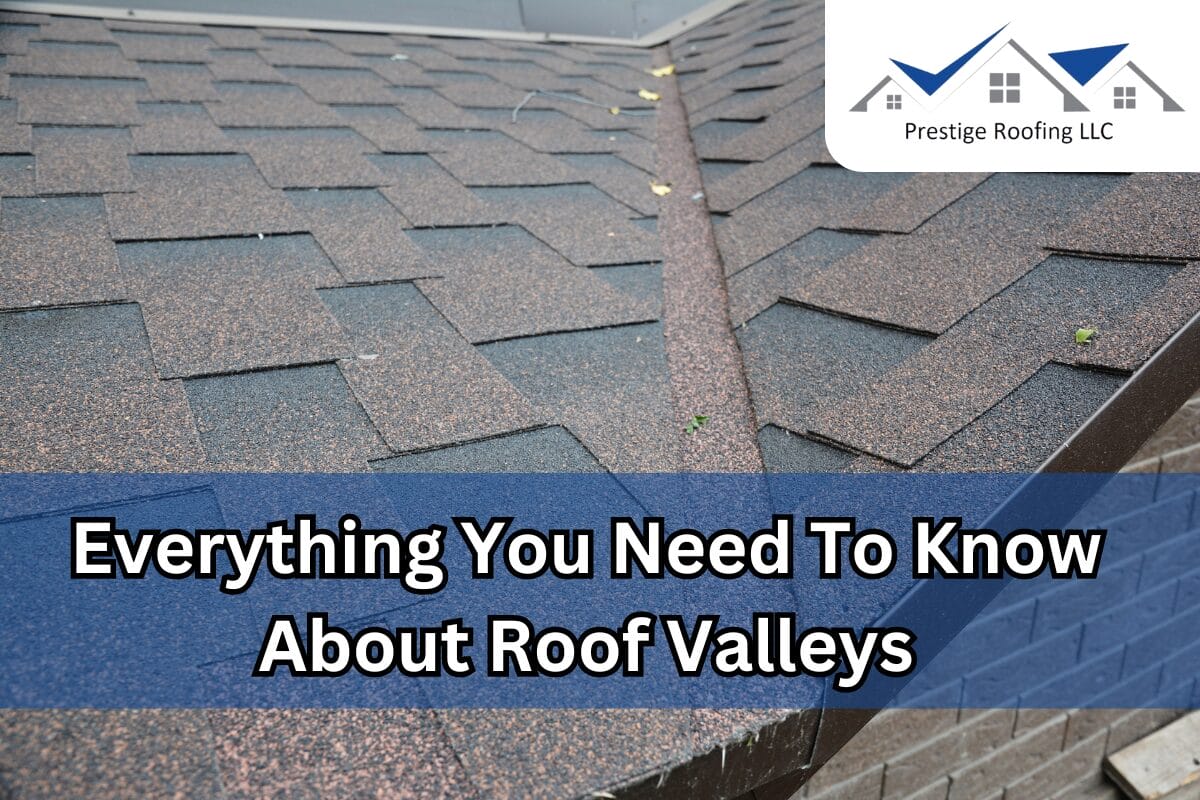
Roof valley flashing serves as a protective barrier system designed specifically to manage water flow at the intersection where two roof planes meet. This waterproof material, typically constructed from galvanized steel, aluminum, or copper, creates a smooth channel that directs rainwater and melting snow away from vulnerable roof joints. The importance of roof valley flashing becomes evident when considering how these intersections naturally collect a high volume of water runoff from multiple roof surfaces.
But what is roof valley flashing in practical terms? It functions as your roof’s primary defense mechanism against water infiltration at these critical junction points. The flashing material extends beneath the surrounding shingles, creating an overlapping seal that prevents moisture from seeping into the underlying roof deck and structure. These multiple layers ensure that water follows the intended path toward gutters rather than seeping into gaps between roofing materials.
Different valley flashing materials have varying levels of durability and performance. Metal options provide excellent longevity and weather resistance, while synthetic alternatives can offer cost-effective solutions for specific applications. The benefits of valley flashing installation include preventing damage, reducing maintenance costs, and extending the roof’s lifespan. This roof valley leak protection system works continuously, channeling thousands of gallons of water safely away from your home’s interior throughout each season.
The Hidden Dangers of Skipping Valley Flashing Installation
When homeowners skip valley flashing installation, they expose their properties to devastating structural damage that often remains hidden until extensive problems develop. Leaks through unprotected roof valleys can cause rotted decking, compromised insulation, and weakened ceilings that can affect entire sections of a home, saturating wooden structural components and creating ideal conditions for mold growth and decay.
Small leaks in roof valleys rarely stay small, quickly expanding far beyond the immediate roofing system. Water damage travels along structural pathways, affecting foundation stability, electrical systems, and indoor air quality throughout the home. These seemingly minor entry points allow moisture to enter wall cavities, insulation, and subflooring, creating expensive restoration projects that could easily be prevented through proper valley flashing installation.
Overall, the benefits of valley flashing installation extend beyond preventing water damage to protecting your home’s overall structural integrity. Without this material, homeowners face potential electrical hazards from moisture exposure, compromised air quality from mold development, and foundation issues from prolonged water infiltration.
Key Benefits That Make Valley Flashing a Smart Investment
Roof valley flashing installation can extend a roof’s lifespan by preventing the premature deterioration that occurs when water repeatedly leaks through vulnerable intersections. The benefits of valley flashing include reduced repair frequency and lower maintenance costs over the roof’s lifetime. This roof valley leak protection system prevents the cycle of damage and repair that shortens roof life expectancy, allowing homeowners to maximize their roofing investment.
The importance of roof valley flashing also includes energy efficiency improvements throughout the home. When valley systems function properly, they prevent air leaks that force heating and cooling systems to work harder. Roof valley flashing preserves the thermal barrier within roof assemblies, reducing energy waste and lowering utility costs year-round.
Additionally, property values increase significantly with properly installed valley flashing systems that demonstrate proactive roof maintenance and protection. Well-maintained roof valleys signal responsible ownership and reduce buyer concerns about hidden water damage or future repair needs. This investment in roof valley flashing pays off through enhanced marketability, reduced insurance claims, and preserved structural integrity that maintains home value over time. Quality valley flashing installation is protection that continues delivering returns long after the initial investment.
Warning Signs Your Roof Valley Needs Professional Attention
Several visible indicators signal roof valley flashing problems that require a professional assessment. Water stains along interior walls or ceilings near valley areas are often the first visible sign of failing protection systems. Damaged flashing may show exposed metal edges, rust, or gaps between flashing and surrounding roofing materials. Granule accumulation in valley channels indicates accelerated shingle wear caused by improper water flow or inadequate roof valley leak protection.
Homeowners can identify potential issues by examining valley areas for cracked caulking, loose flashing edges, or debris buildup that prevents proper drainage. When roof valley water damage begins, small problems can quickly turn into major structural concerns. Dark streaks running down valley channels, moss growth along flashing seams, or visible daylight through valley intersections all indicate compromised waterproofing that needs professional intervention.
Signs of damage often appear inside the home before exterior problems become obvious. Musty odors in attic spaces, unexplained ceiling discoloration, or moisture stains around valley areas signal that water has already seeped through the protective barriers. When these symptoms develop, they indicate active water infiltration that threatens the home’s structural integrity. A professional evaluation can determine whether repair or replacement offers the most effective solution for preventing continued damage to roofing systems and interior spaces.
Professional Valley Flashing Installation vs. DIY
Installing valley flashing requires specialized technical skills and professional-grade tools that most homeowners lack. Professional roofers have the expertise to properly measure, cut, and position flashing materials while ensuring correct overlap patterns and secure fastening methods.
Improper installation techniques often create worse problems than the original issues they intended to address. DIY valley flashing projects carry significant safety risks, including potential falls or injuries. Incorrectly installed flashing compromises the entire roofing system’s integrity, potentially voiding manufacturer warranties and creating liability issues for homeowners. Professional contractors understand local building codes, material compatibility requirements, and integration techniques that ensure long-term roof valley leak protection, while amateur installation methods often lead to leaks through poorly sealed joints or inadequate material overlap.
Qualified roofing professionals bring years of experience preventing roof valley water damage through proven installation methods and quality materials. They understand how weather conditions affect installation timing, which adhesives work effectively with specific materials, and how to integrate new flashing with existing roofing components. Professional installation also typically includes warranties that protect homeowners from future problems, while DIY attempts often result in repeated repairs and escalating costs that exceed professional installation expenses.
Making the Right Decision for Your Green Bay Home
Determining whether your home needs new valley flashing requires looking at a few different factors. The age of your current roofing system provides the most insight into potential flashing deterioration, as valley flashing typically requires attention every 15 to 20 years, depending on material quality and weather exposure. Wisconsin’s harsh winter conditions often accelerate wear on roofing materials, making regular assessments essential for homes throughout the Green Bay region.
Your roof’s specific design also influences valley flashing requirements and urgency levels. Steep valley angles naturally shed water more effectively than shallow intersections, while complex rooflines with multiple valleys face increased vulnerability to leaks. Roof valley flashing is even more important on homes with architectural features that create additional water collection points or restrict natural drainage patterns.
Local weather patterns play a crucial role in determining how often your roof valley flashing should be replaced, as heavy snowfall, ice dams, and rapid freeze-thaw cycles significantly stress these areas of the roof. Preventing water damage requires understanding how these conditions affect your specific property and implementing appropriate protection measures.
Connecting with experienced local roofing contractors ensures access to professionals who understand Wisconsin’s challenging climate conditions. These specialists recognize the benefits of valley flashing installation and can recommend solutions based on your home’s specific needs. Quality contractors provide comprehensive assessments that evaluate current flashing, identify potential problem areas, and recommend appropriate roof valley leak protection strategies that deliver long-term reliability and peace of mind.
Protect Your Home with Prestige Roofing LLC’s Expert Valley Flashing Installation
Are you wondering, “Do I really need roof valley flashing?” The answer is a yes, especially in a climate like Green Bay’s. At Prestige Roofing LLC, we understand the critical role that valley flashing plays in safeguarding your home from water damage. Valley flashing channels water away from the most vulnerable parts of your roof, preventing leaks that can lead to extensive repairs.
Without proper valley flashing, your home is at risk during Wisconsin’s harsh winters, from heavy snow to ice dams that can force water under your shingles. Don’t wait for the visible signs of damage, like water stains or musty odors in your attic. Protecting your roof now can save you from bigger, more expensive problems down the road.
Call Prestige Roofing LLC today at (920) 791-0414 to learn more. Let us help you ensure that your roof is fully protected with high-quality valley flashing, tailor-made for your home’s specific needs. Secure your home’s integrity with Prestige Roofing LLC — your first line of defense against roof valley water damage.