Key Takeaways:
- Prepare Safely: Use non-slip footwear and fall protection. Conduct inspections during dry weather for debris and after rain for active drainage problems.
- Clear & Secure: Systematically remove debris from primary drain openings to prevent blockages, then assess strainers for damage, rust, and secure installation.
- Address Ponding & Gutters: After rain, detect water ponding for over 48 hours, inspect gutters for sag or separation, clear debris, and ensure downspouts direct water away.
- Schedule & Document: Establish a commercial roof drainage inspection frequency based on roof type and climate, meticulously documenting all findings with photos for trend analysis.
Commercial roof drainage systems serve as the first line of defense against water damage, protecting buildings from structural deterioration, interior leaks, and expensive repairs. Regular flat roof drainage inspection identifies potential problems before they escalate into major issues that can disrupt business operations and compromise the building’s structural integrity. Water that fails to drain properly creates ponding on the surface of the roof, gradually wearing down roofing materials and seeping into vulnerable areas.
A commercial roof drainage system consists of several interconnected components working together to move water off the surface of the roof. Primary drains, secondary overflow drains, scuppers, gutters, and downspouts each play specific roles in channeling water away from the building. Understanding these components and knowing what to look for during commercial roof drainage maintenance helps property managers and building owners catch warning signs early. Preventing roof drain clogs and addressing roof water ponding issues requires systematic inspection of each drainage element, from the surface of the roof down to ground-level discharge points. Regular commercial gutter inspection tips include checking for debris accumulation, verifying proper slope, and ensuring all connections remain secure and functional.
Preparing for Your Drainage System Inspection
Proper preparation ensures a safe and thorough commercial roof drainage inspection. Essential safety equipment includes non-slip footwear with good traction, fall protection harnesses when working on steep or elevated surfaces, and high-visibility clothing for job site awareness. Inspection tools should include a high-quality flashlight or headlamp for examining dark drain openings, a camera or smartphone for documenting problem areas, and measuring devices such as tape measures and levels to assess slope and ponding depth. A notepad or digital device helps record observations during the flat roof drainage inspection process.
Weather conditions significantly impact inspection effectiveness for commercial roof drainage maintenance. Conducting assessments during dry weather allows clear visibility of accumulated debris and structural issues, while inspecting during or immediately after rainfall reveals active drainage problems and roof water ponding issues. Early morning inspections after overnight storms show where water collects and how quickly it dissipates. Avoid scheduling inspections during extreme heat, ice formation, or high winds that compromise safety. Planning commercial gutter inspection tips around seasonal transitions helps identify preventing roof drain clogs before heavy weather arrives.
Examining Primary Drain Outlets and Strainers
Primary drain outlets represent important points in any commercial roof drainage system where water exits the surface of the roof and enters the drainage pipes. During a flat roof drainage inspection, these openings require careful examination for accumulated debris such as leaves, gravel, sediment, and other materials that commonly cause blockages. Removing visible obstructions from drain openings allows water to flow freely and prevents backup situations that lead to roof water ponding issues. Checking around the drain perimeter helps identify whether debris has formed a dam that redirects water away from the intended drainage path, a common problem that commercial roof drainage maintenance addresses regularly.
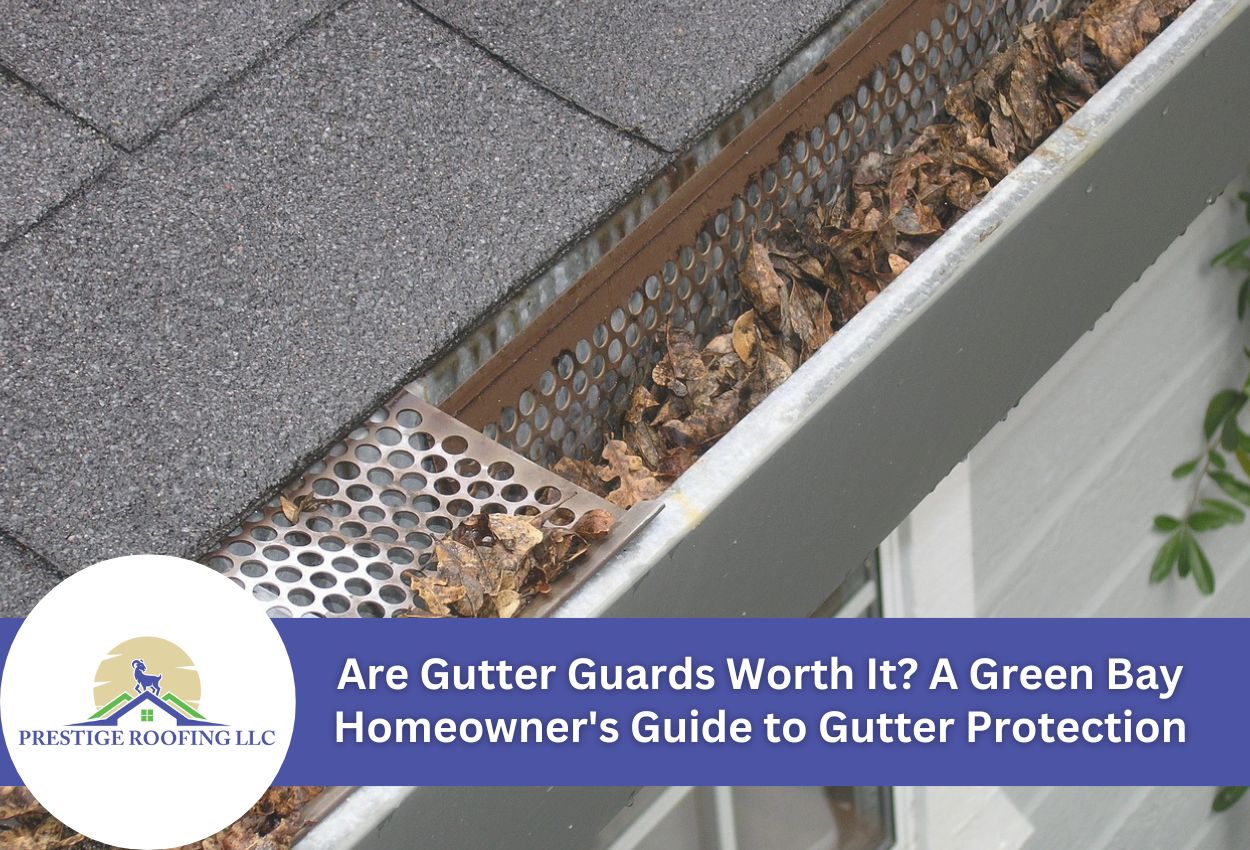
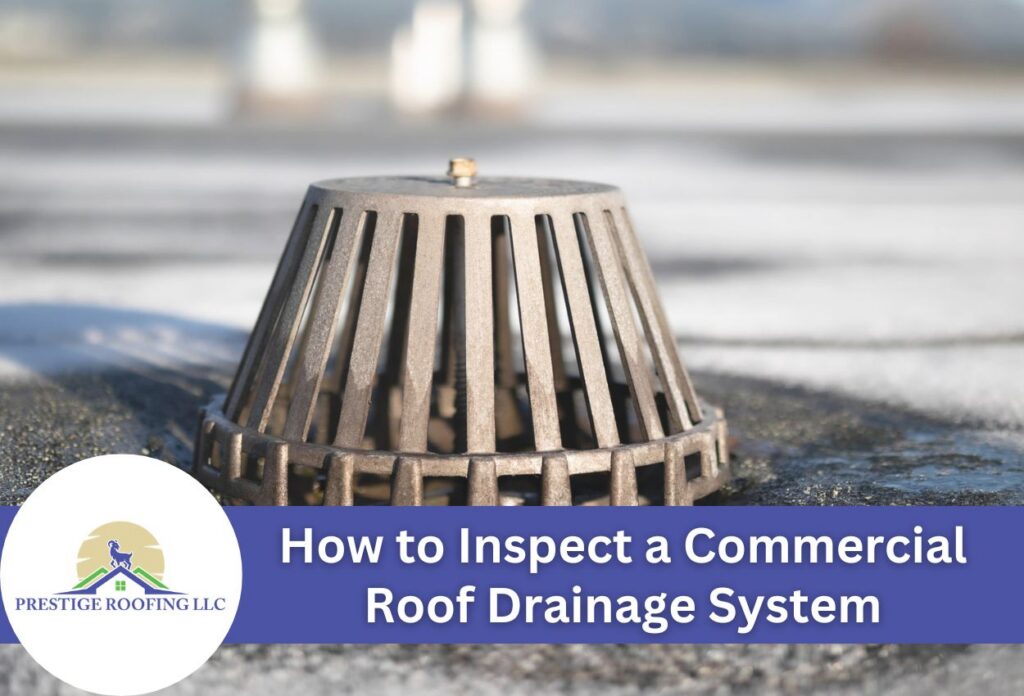
Drain strainers and grates protect drainage pipes from debris while allowing water passage, but these protective elements need assessment for damage, corrosion, and proper installation. Bent or broken strainer sections may allow larger debris into pipes, eventually preventing roof drain clogs deeper in the system where access becomes difficult. Rust and corrosion weaken a strainer’s structural integrity and create sharp edges that pose safety hazards during maintenance activities. Verifying that strainers sit flush with drain bases and remain securely fastened prevents displacement during heavy water flow, that characterize effective commercial gutter inspection tips.
Identifying and Addressing Water Ponding Problems
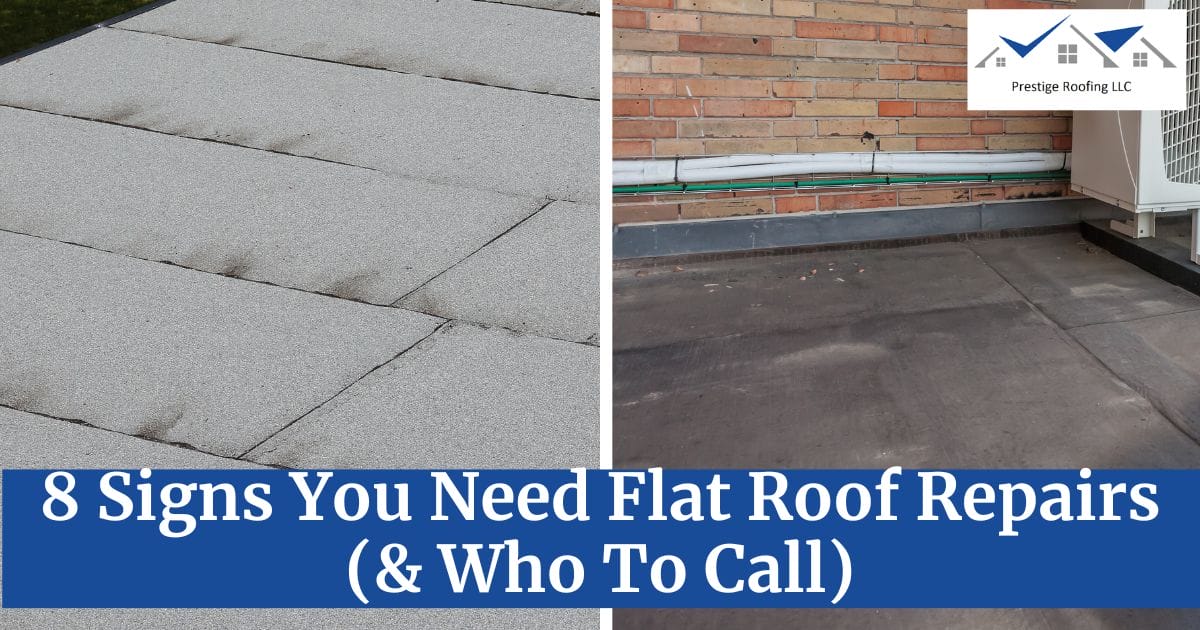
Water ponding occurs when drainage inefficiencies allow water to collect and remain on roof surfaces for extended periods, typically exceeding 48 hours after rainfall. Identifying these problem areas requires walking the roof after storms to observe where water accumulates and how long it persists. Visible water marks, algae growth, or deteriorated roofing materials indicate chronic ponding locations that require attention during commercial roof drainage maintenance. Measuring water depth with a ruler helps document severity and track whether roof water ponding issues get worse over time. Marking ponding zones with spray paint or flags during dry conditions enables easier identification of affected areas during flat roof drainage inspections.
Determining the underlying cause of ponding separates effective solutions from temporary fixes. Clogged drains create backup situations where water has nowhere to go, requiring immediate clearing of obstructions preventing the flow of water. Insufficient drainage capacity means the system cannot handle water volume during heavy rainfall, requiring additional drains or larger outlets. Structural settling or inadequate roof slope represents more serious problems where the surface of the roof has deformed or was improperly constructed with insufficient pitch toward drains. Testing drain flow by pouring water directly into openings reveals whether blockages exist, while examining the roof plane with levels identifies slope deficiencies requiring professional correction as part of commercial gutter inspection tips.
Inspecting Gutters and Downspouts for Proper Function
Gutter systems require careful examination to identify conditions that compromise water conveyance away from building structures. Walking the perimeter while observing gutter lines reveals sagging sections where water accumulates instead of flowing toward downspouts, creating weight stress that makes deterioration worse. Checking connection points shows whether gutters have separated from fascia boards, leaving gaps where water escapes and potentially damages exterior walls or foundations. Accumulated debris, including leaves, shingle granules, and sediment, restricts water flow during flat roof drainage inspection activities, requiring removal to restore proper function. Rust spots, corrosion, or visible holes indicate material deterioration that allows water to leak through gutter bottoms rather than traveling to designated discharge points, a common finding during commercial roof drainage maintenance checks.
Downspout assessment verifies that these vertical drainage components remain securely fastened to building walls and are properly sized to handle water volume from connected gutters. Loose mounting brackets allow downspouts to pull away from structures, redirecting water against building surfaces and potentially causing foundation damage over time. Testing downspouts by running water through gutters during commercial gutter inspection tips reveals obstructions from nesting materials, ice accumulation, or compacted debris, preventing roof drain clogs. Ground-level splash blocks and extensions should direct discharge at least 5 feet away from foundations, protecting against soil saturation and basement leaks that characterize preventable roof water ponding issues affecting the property.
Recognizing Warning Signs of Drainage System Failure
Visual indicators provide early warnings of drainage problems requiring immediate attention during commercial roof drainage maintenance. Water stains appearing on interior ceilings directly beneath roof areas signal active leaks where drainage failures allow leaks through roofing materials. Exterior wall discoloration, particularly near rooflines or downspout locations, indicates water overflow or misdirected drainage saturating building surfaces. Overflowing drains during storms demonstrate inadequate capacity or blockages preventing the roof drain from clearing naturally. Unusual vegetation growth near drain areas suggests chronic moisture presence where water consistently escapes the intended drainage path, creating conditions conducive to root intrusion and biological growth that get worse during flat roof drainage inspection intervals.
Long-term damage signs reveal advanced deterioration requiring quick professional assessment to prevent catastrophic failure. Membrane deterioration around drain flanges shows where constant water exposure has degraded roofing materials, creating vulnerable entry points for leaks. Rusted metal components, including drain rings, strainers, and fasteners, indicate corrosion that weakens structural integrity and threatens complete failure under stress. Cracked drain boots lose their waterproofing function, allowing moisture to leak through the roof assemblies regardless of proper drainage flow. Separation between roofing materials and drainage fixtures creates gaps where water leaks into the building’s interiors, a serious condition identified during commercial gutter inspection tips that requires immediate remediation to prevent roof water ponding issues from escalating into structural damage.
Creating a Maintenance Schedule to Keep Drains Clear
Establishing an inspection frequency depends on several factors that influence drainage system performance throughout the year. Flat roofs with minimal slope require monthly assessments during autumn when falling leaves create the highest risk of preventing roof drain clogs, while buildings surrounded by heavy vegetation need bi-weekly checks during growing seasons. Properties in regions experiencing frequent storms benefit from inspections immediately following severe weather to identify new roof water ponding issues before they cause damage. Roofs with gravel ballast need quarterly evaluations since loose stones migrate toward drains and create blockages that compromise commercial roof drainage maintenance efforts. Winter requires increased attention in cold climates where ice formation restricts flow, while spring thaw periods reveal damage from freeze-thaw cycles affecting drainage components discovered during commercial gutter inspection tips.
Maintaining detailed records transforms routine inspections into valuable data that predicts future problems and extends system lifespan. Documenting each flat roof drainage inspection with dated photographs, written observations, and measurements of ponding depth creates a timeline showing deterioration patterns and recurring problem areas. Recording weather conditions during assessments helps correlate drainage performance with rainfall intensity, identifying capacity limitations before they become important failures. Tracking repairs and component replacements establishes service intervals for consumable parts like strainers and seals, enabling proactive replacement before deterioration causes leaks. Digital logs accessible through cloud storage allow multiple stakeholders to review inspection histories, facilitating informed decisions about commercial roof drainage maintenance priorities and budget allocation for system improvements that address chronic roof water ponding issues.
Protect Your Investment with Prestige Roofing LLC
Ensuring your commercial roof’s drainage system is functioning properly is important for maintaining the structural integrity and longevity of your building. Regular inspections can prevent severe water damage, which can be expensive to repair and disruptive to your operations. At Prestige Roofing LLC, we specialize in drainage system assessments designed to identify and rectify any potential issues before they escalate.
Is your commercial roof ready to handle the next storm? Contact Prestige Roofing LLC now at (920) 791-0414 or visit our website at https://prestigeroofingllc.com/ to schedule your roof drainage system inspection and ensure peace of mind during any weather.