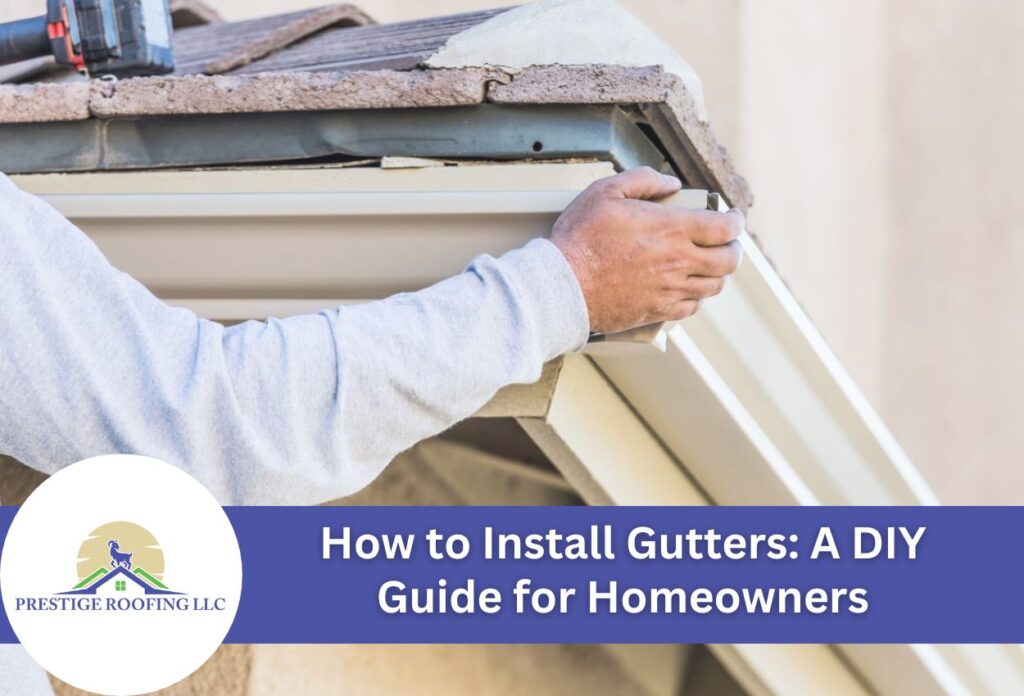

A correctly installed gutter system protects homes from serious water damage that can cost thousands of dollars in repairs. When rainwater cannot flow away from the foundation effectively, it creates problems like basement flooding, foundation cracks, and damaged landscaping. For homeowners, understanding how to install gutters ensures your property stays dry and maintains its structural integrity for years to come.
Gutter installation, whether DIY or professional, requires thorough project planning and attention to detail. The process involves measuring roof lines, determining gutter slope requirements, and securing gutters with appropriate hanger spacing. Downspout installation must also align with your home’s drainage needs and local building codes. Many homeowners can successfully complete gutter installation steps themselves with the right tools and steps.
Before starting any gutter project, homeowners should evaluate their skill level and comfort with working on ladders. Simple homes with straight roof lines make ideal candidates for DIY gutter installation. However, multi-story homes, complex roof designs, or houses requiring extensive repairs often benefit from professional installation. Weather conditions in areas like Green Bay create additional challenges during installation, making timing and material selection important factors in project success.
Overall, DIY gutter installation projects require quality materials, correct measurements, and precise installation techniques that protect your investment while maintaining your home’s appearance.
Everything Homeowners Need for Gutter Installation
Successful DIY gutter installation begins with having the tools and materials before starting the project. A tape measure, chalk line, and level are needed for accurate measurements and creating the gutter slope. A hacksaw or miter saw can be used to cut aluminum gutters to size, while tin snips work well for smaller adjustments. Safety gear is always important when working at heights, including a ladder, non-slip shoes, and work gloves for handling materials.
Gutter materials come in several options, with aluminum and vinyl being the most popular choices for residential installations. Aluminum gutters offer durability and resistance to rust, while vinyl provides an affordable, lightweight alternative. Steel gutters work well in areas with severe weather conditions but require additional maintenance to prevent rust. Homeowners can calculate material needs by measuring each roof section where gutters will be installed, adding extra for waste and adjustments.
Hardware requirements include enough gutter hangers to be spaced every 24 to 36 inches, depending on local snowfall and manufacturer specifications. Downspout installation requires elbows, brackets, and splash blocks to direct water away from the foundation. End caps, inside and outside corners, and downspout outlets complete the basic hardware list. Following proper gutter installation steps ensures all components work together effectively for long-term performance and protection.
How to Plan Your Gutter System’s Layout
Successful gutter installations begin with having accurate measurements of the roofline. Homeowners should start by measuring the roof edge where gutters will be installed, noting the exact length and any obstacles like chimneys or architectural features. Next, find the highest point of each gutter section, then calculate the proper slope. Generally, gutters must slope toward downspouts at a rate of 1/4 inch for every 10 feet of gutter length for sufficient water flow.
Along with gutters, downspout placement prevents water overflow and foundation damage. Install downspouts at least every 20 to 40 feet along straight gutter runs, with additional downspouts needed for longer sections. Position downspouts at corners when possible to minimize the number of joints and potential leak points. Each downspout should handle approximately 600 square feet of roof area, though this varies based on local rainfall intensity and roof pitch.
Gutter hanger spacing determines the system’s structural integrity and longevity. Standard spacing requires hangers every 24 inches in moderate climates, but areas with heavy snow may need closer spacing at 16 to 18-inch intervals. Mark hanger locations along the chalk line before drilling, ensuring each hanger aligns with rafter tails or solid fascia board backing. Proper planning prevents sagging and premature failure while maintaining the correct slope throughout the entire system. Double-check all measurements before cutting materials to avoid expensive mistakes during DIY gutter installation projects.
Preparing Your Home and Workspace for Installation
Proper preparation ensures your gutter installation is safe and efficient while protecting your property from damage during the project. Safety preparations start with setting up the ladder on level, stable ground away from power lines and landscaping features. Check weather conditions before beginning work, as wet or windy conditions create dangerous working environments. Avoid gutter installation during periods of high wind or precipitation, which can make materials difficult to handle and increase the risk of accidents.
Protect landscaping and walkways by laying tarps or plywood sheets around the work area. Remove outdoor furniture, decorations, and fragile plants from beneath the installation zone to prevent damage from falling debris or tools. Clear gutters of leaves and debris if replacing existing systems, and ensure there is enough space to move long gutter sections safely. It is also important to consider the proximity of neighbors and property lines when planning material staging areas.
Removing old gutters requires careful attention to fascia board condition and structural integrity. Disconnect downspouts first, then remove gutter sections, working from one end toward the other. Inspect fascia boards for rot, damage, or loose fasteners that could compromise new gutter support. Replace damaged fascia boards before proceeding with DIY gutter installation, as inadequate support leads to sagging and system failure. Verify that fascia boards can support the weight of new gutters plus water during heavy rainfall. Proper gutter hanger installation depends on solid backing material, making a fascia inspection critical for long-term system performance and preventing repairs later.
The Gutter Installation Process: Step by Step
The gutter installation process begins with marking the slope along the fascia board using a chalk line. Start at the highest point and create a slope of 1/4 inch per 10 feet toward each downspout location. Mark hanger locations according to your predetermined gutter hanger spacing and use a level to verify the slope remains consistent across each section before proceeding with drilling pilot holes.
Install hangers securely into rafter tails or solid fascia board backing using appropriate fasteners for your home’s construction type. Begin hanging gutter sections at one end, making sure every piece aligns with the marked slope. Support long sections with helpers or temporary brackets to prevent bending during installation. Secure each gutter section to hangers before moving to the next piece, checking alignment frequently to maintain proper pitch toward downspouts.
Connecting gutter sections requires careful joint sealing techniques that prevent future leaks. Clean all connection surfaces thoroughly before applying gutter sealant or installing gaskets according to manufacturer specifications. Overlap sections at joints, ensuring the upstream section sits inside the downstream piece to direct water flow properly. Secure joints with appropriate fasteners while the sealant remains workable.
Test each connection by running water through the system before completing the downspout installation. Properly sealed joints remain watertight under normal water flow conditions. These installation techniques ensure long-term performance and protection for your home’s foundation and landscaping while minimizing maintenance requirements throughout the system’s lifespan.
Installing Downspouts and Final Connections
Downspout installation begins with cutting precise outlet holes in the gutter sections at predetermined locations. Mark the outlet hole position using the downspout outlet as a template, ensuring proper placement for effective water drainage. Use a hole saw or reciprocating saw to cut clean openings that match the outlet diameter exactly. Rough edges can prevent proper sealing and create leak points that compromise the entire gutter system.
Connect downspout outlets to the gutter sections using appropriate sealant and fasteners according to manufacturer specifications. Position outlets so they sit flush with the gutter bottom, allowing unobstructed water flow during heavy rainfall. Install the first elbow directly beneath the outlet, then measure and cut the vertical downspout section to reach the next elbow near ground level. Secure downspouts to the house exterior using brackets spaced every 6 to 8 feet for adequate support.
Proper downspout installation requires careful attention to water direction and foundation protection. Install splash blocks or drainage extensions at the base of each downspout to direct water at least 5 feet away from the foundation. This prevents soil erosion around the foundation and reduces the risk of basement flooding during heavy storms. Flexible drainage extensions work well for areas where permanent splash blocks might interfere with lawn maintenance or foot traffic.
These finishing touches complete the gutter installation steps and provide reliable protection for your home’s foundation and exterior surfaces.
Testing Your New Gutters and Maintenance Tips
Testing your newly installed gutter system ensures seamless water flow and identifies potential issues before they cause damage. Start by running water from a garden hose into each gutter section, beginning at the end opposite the downspout. Watch for proper drainage toward downspouts and check that water flows smoothly without pooling or overflowing. Adequate flow indicates correct gutter slope was achieved during installation.
Inspect all joints and connections while water runs through the system, looking for leaks or drips that require additional sealing. Pay special attention to corner joints, downspout outlets, and gutter section connections where problems commonly occur. Test each downspout separately to verify unobstructed flow and drainage away from the foundation. Water should exit downspouts forcefully without backing up or spilling over gutter edges.
Regular maintenance keeps your gutter system functioning effectively over time. Clean gutters twice yearly, removing leaves and debris that can clog downspouts and cause overflow problems. Schedule cleanings in late spring and early fall when trees shed the most debris. Inspect gutter hangers annually to ensure brackets remain secure and gutters maintain proper alignment.
Homeowners should also check for loose hangers, damaged sections, or separating joints during routine maintenance. Look for signs of water damage around the foundation or staining on exterior walls that might indicate drainage problems. Following a care routine is important to maintain the effectiveness of your gutter installation and protect your home.
Protect Your Home with Professional Gutter Installation from Prestige Roofing LLC
If you’re considering new gutters for your home, understanding the importance of a professional installation cannot be overstated. Properly installed gutters protect your home from water damage, preserve your foundation, and prevent erosion around your property. While DIY gutter installation might seem feasible, it involves many steps that often require professional handling.
Prestige Roofing LLC specializes in precise gutter installation tailored to your home’s specific needs. Our experienced team ensures that your gutters are installed with the correct slope, spacing, and sealing to effectively manage water flow away from your home. Call us today at (920) 791-0414 to ensure your home is protected with expertly installed gutters.