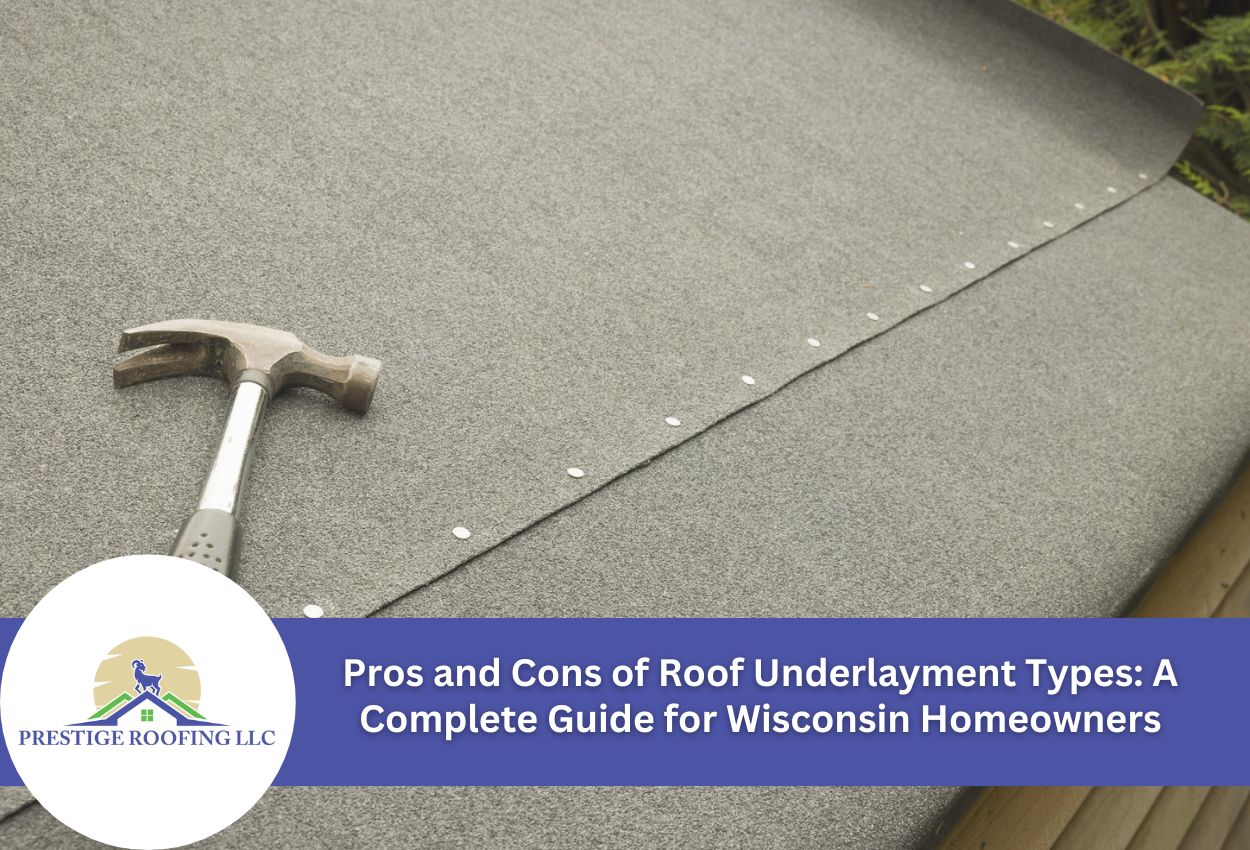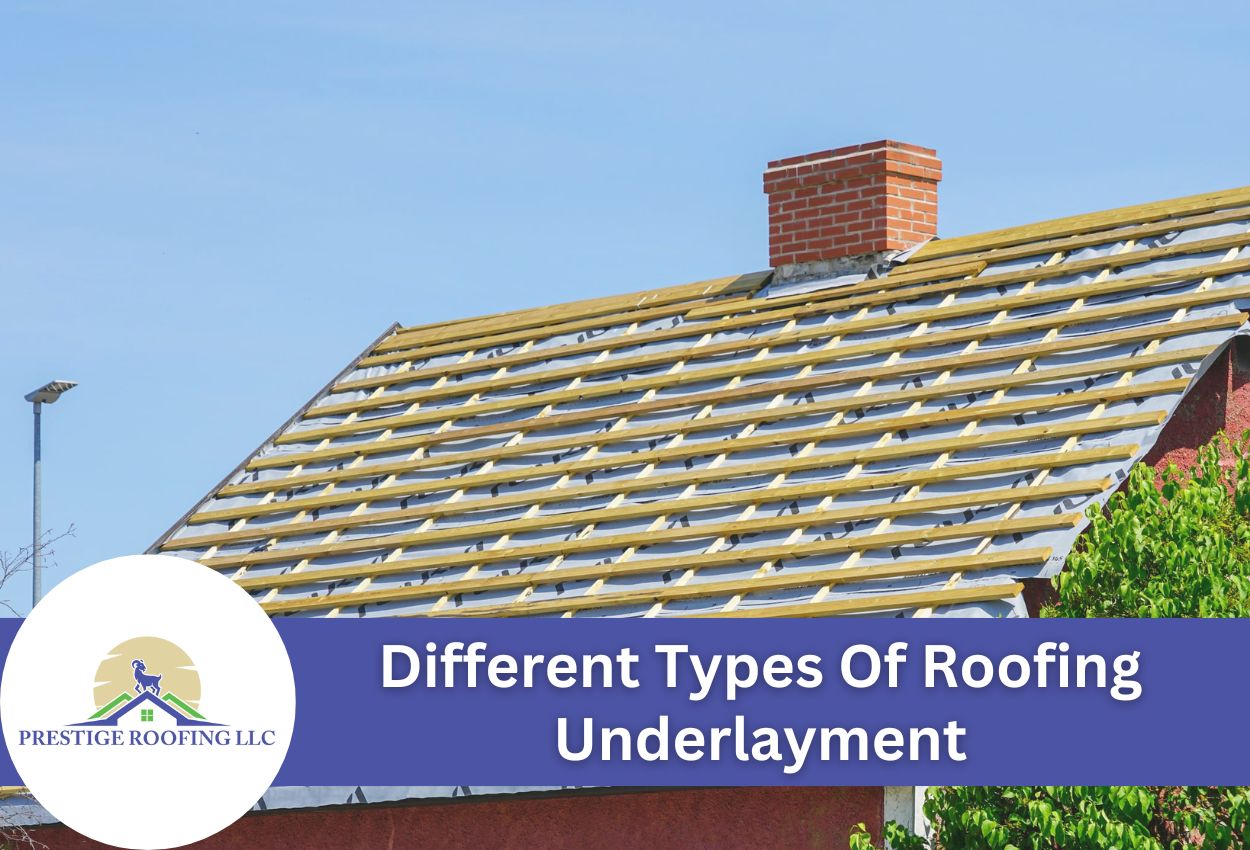
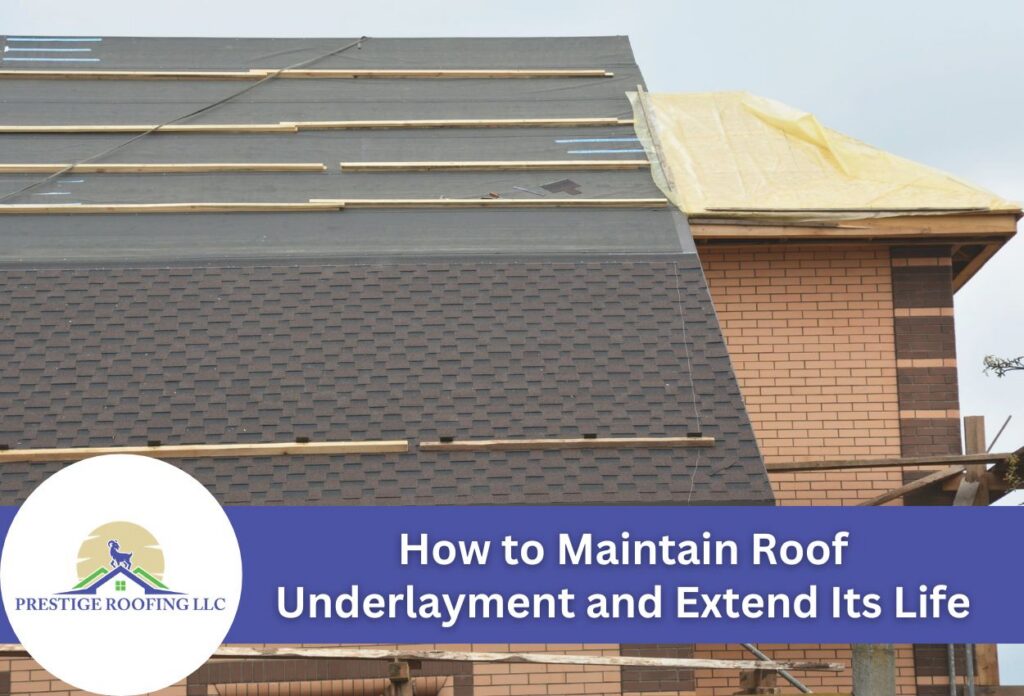

Roof underlayment serves as an important barrier between shingles and the roof deck, protecting homes from leaks and moisture damage. This secondary layer of defense works tirelessly behind the scenes, yet many homeowners overlook its maintenance until serious problems develop. Understanding how to maintain roof underlayment properly can prevent costly water damage, structural deterioration, and premature roof failure.
Regular roof underlayment care tips include scheduling professional inspections, monitoring for signs of wear, and addressing issues before they escalate. The roof underlayment’s lifespan typically ranges from 15 to 30 years, depending on material quality and environmental conditions, but proper maintenance can significantly extend this durability. Preventing roof underlayment damage requires vigilance in checking for leaks after storms, ensuring adequate attic ventilation, and keeping gutters clear to avoid water backup. A full roof underlayment inspection should examine vulnerable areas such as valleys, eaves, and gaps where water intrusion most commonly occurs. Taking proactive steps to care for this essential roofing component protects the investment in a home and ensures the entire roofing system functions as intended for years to come.
Understanding Roof Underlayment Lifespan and When Maintenance Matters Most
The roof underlayment’s lifespan varies significantly based on the material selected during installation. Felt underlayment, one of the most traditional options, typically lasts between 12 and 20 years under normal conditions. Synthetic underlayment offers superior longevity, often extending roof underlayment durability to 25 years or more due to enhanced resistance to tearing and moisture. Rubberized asphalt underlayment can last even longer, sometimes matching the lifespan of premium roofing materials when properly maintained.
Several important factors influence how long the underlayment will perform effectively. Climate conditions play a substantial role, as extreme temperature fluctuations, high humidity, and frequent freeze-thaw cycles accelerate material breakdown. Installation quality directly impacts roof underlayment lifespan, since improperly secured or wrinkled underlayment creates weak points where water can leak in. Roof pitch affects drainage efficiency, with low-slope roofs placing greater demands on underlayment performance. Ventilation quality in the attic space also matters, as inadequate airflow traps heat and moisture that gradually deteriorate the material from below. Preventing roof underlayment damage requires attention to these environmental and structural factors throughout the life of the roof.
Conducting Regular Roof Underlayment Inspections
Performing a thorough roof underlayment inspection begins in the attic, where homeowners can safely assess the condition of this important protective layer without climbing onto the roof. Start by choosing a bright day and bringing a powerful flashlight to examine the underside of the roof deck systematically. Walk through the entire attic space, paying particular attention to areas around chimneys, vent pipes, and valleys where water naturally concentrates. Look for dark streaks or discoloration on the wood roof decking, which indicate water has leaked through the shingles and compromised the underlayment.
Check for sagging sections where moisture has weakened the material, creating pockets that collect water rather than channeling it away. Visible tears, holes, or separation at seams represent immediate concerns requiring professional evaluation. Damp or musty odors signal ongoing moisture problems that threaten roof underlayment durability. Any signs of mold growth on the roof decking or insulation indicate that water has been present long enough to create biological activity. Scheduling these visual assessments twice a year helps identify developing issues before they cause extensive damage to the roofing system.
Preventing Common Roof Underlayment Damage
Preventing roof underlayment damage begins with maintaining proper attic ventilation, which regulates temperature and moisture levels that directly affect the material’s structural integrity. Adequate airflow prevents condensation from forming on the underside of the roof deck, which can saturate the underlayment and lead to premature deterioration. Installing ridge vents, soffit vents, or gable vents creates continuous air circulation that removes excess humidity before it compromises the protective barrier. Addressing shingle damage quickly also protects the underlayment from exposure to direct weather elements. Missing, cracked, or curled shingles allow rain and snowmelt to reach the underlayment, overwhelming its water-resistant properties and creating entry points for moisture gaps.
Physical damage prevention requires careful attention during roof maintenance activities and protection from environmental hazards. When contractors perform roof work, they should use walkway pads or planks to distribute weight and prevent foot traffic from tearing or puncturing the underlayment. Ice dams pose a significant threat during winter, as trapped water backs up under shingles and seeps through to the underlayment. Keeping gutters clean and ensuring proper insulation reduces ice dam formation. Trimming overhanging tree branches prevents debris accumulation and minimizes the risk of punctures from falling limbs during storms. These roof underlayment care tips help extend the material’s functional lifespan and maintain the overall effectiveness of the roofing system.
Practical Roof Underlayment Care Tips for Homeowners
Maintaining the best possible attic conditions represents one of the most effective strategies for extending roof underlayment durability. Temperature control within the attic space prevents thermal stress that accelerates material breakdown over time. During summer, excessive heat buildup can cause underlayment to dry out and become brittle, while winter temperature extremes create conditions for condensation to form. Installing adequate insulation between living spaces and the attic helps regulate these temperature swings. Humidity management proves equally important, as moisture trapped in enclosed spaces gradually saturates the underlayment and reduces its water-resistant capabilities. Using a hygrometer to monitor attic humidity levels ensures they remain below 60%, preventing conditions that promote mold growth and material degradation.
Seasonal maintenance tasks directly support underlayment health by protecting the entire roofing system from preventable damage. Cleaning gutters each spring and fall prevents water backup that can seep under shingles and saturate the protective barrier beneath. Removing accumulated leaves, branches, and debris from the surface of the roof eliminates moisture-trapping materials that create localized wet conditions. After major storms, clearing debris quickly prevents punctures and allows proper drainage. These straightforward roof underlayment care tips require minimal effort but deliver substantial benefits in preventing roof underlayment damage and maintaining the system’s structural integrity throughout the year.
Extending Roof Underlayment Durability Through Smart Roofing Practices
Coordinating shingle repairs and replacements strategically protects the underlayment from unnecessary exposure that accelerates wear. When damaged shingles are left unaddressed, rain and wind-driven moisture directly contact the underlayment, forcing it to function as the primary waterproofing layer rather than a secondary backup system. This constant exposure to weather elements breaks down the material far faster than intended, significantly reducing the roof underlayment’s lifespan. Replacing compromised shingles quickly restores the protective cover that shields the underlayment from direct UV radiation, temperature extremes, and precipitation. When planning larger roofing projects, addressing multiple problem areas simultaneously minimizes the number of times the underlayment experiences exposure during repair work. This approach reduces handling damage and limits the windows of vulnerability when the weather could leak into the roofing system.
Proper flashing maintenance directly impacts underlayment protection in important transition zones where different roof planes meet or gaps interrupt the roofing surface. Valleys channel significant water volume during rainfall, making them particularly vulnerable to underlayment damage when flashing fails or becomes compromised. Deteriorated flashing around chimneys, vent pipes, and skylights allows water to bypass the shingle layer entirely and concentrate on the underlayment beneath. Regular flashing inspections identify rust, separated seams, or missing sealant that creates entry points for leaks. Addressing these flashing issues quickly prevents localized underlayment saturation that eventually spreads to surrounding areas and causes broader system failure.
When to Call a Professional for Roof Underlayment Assessment
Severe weather creates immediate situations that warrant professional roof underlayment inspection, particularly after hailstorms, high winds exceeding 50 miles per hour, or heavy snow accumulation followed by rapid melting. These conditions can compromise the underlayment without creating visible external damage, making expert evaluation essential for detecting hidden issues. Homeowners should also schedule professional assessments when planning any roof repairs or partial replacements, as contractors can evaluate underlayment condition in exposed areas and determine whether additional sections require attention. Persistent interior water stains, even after shingle repairs, indicate potential underlayment failure that requires specialist diagnosis. Visible sagging in the roof deck or unusual sponginess when walking on the surface suggests moisture saturation that has likely compromised the protective barrier beneath.
During a professional roof underlayment inspection, qualified contractors systematically examine both exterior and interior indicators of material condition. Experts begin by assessing attic spaces with moisture meters and thermal imaging equipment that reveals hidden leaks patterns invisible to the naked eye. They evaluate ventilation adequacy, check for proper installation techniques, and identify areas where water has tracked along the underlayment surface. Professionals can recognize early warning signs that homeowners typically miss, such as slight discoloration or minor material deterioration that will progress into major problems without intervention.
This thorough evaluation provides accurate information about the remaining roof underlayment lifespan and helps property owners make informed decisions about maintenance priorities and repair timing.
Protect Your Home with Expert Roof Underlayment Maintenance from Prestige Roofing LLC
Maintaining your roof underlayment is crucial for the longevity and safety of your home. Don’t let minor issues become major expenses. Regular inspections and maintenance can save you from costly repairs and extend the life of your roof. Whether you’re dealing with water stains, sagging areas, or visible tears, Prestige Roofing LLC is here to help.
Remember, proper care and timely intervention can significantly enhance the durability of your roof underlayment. Don’t wait for the problem to escalate. Call us today at (320) 613-3199 to schedule a professional roof underlayment assessment. Protect your investment with Prestige Roofing LLC, your trusted partner in roofing excellence.