

When homeowners invest in new siding, durability stands as the most critical factor determining long-term value and protection. The most durable siding options include fiber cement, engineered wood, and high-quality vinyl, each offering distinct advantages for withstanding harsh weather conditions and maintaining structural integrity over decades.
Understanding what makes siding truly durable requires examining material composition, weather resistance, and maintenance requirements. Durable siding materials must resist leaks, temperature fluctuations, UV damage, and physical impact while maintaining their protective and appearance qualities. The longest-lasting siding material varies based on local climate conditions, installation quality, and ongoing maintenance practices.
Environmental factors play a crucial role in longevity. Extreme temperature swings, heavy precipitation, high winds, and intense sun exposure all test different materials differently. The best siding for harsh weather typically features enhanced moisture barriers, impact resistance, and color retention properties that preserve both function and appearance throughout extended exposure periods.
Making an informed choice about durable siding protects your home investment while minimizing future replacement costs and maintenance headaches.
Fiber-Cement Siding Takes the Lead in Durability Rankings
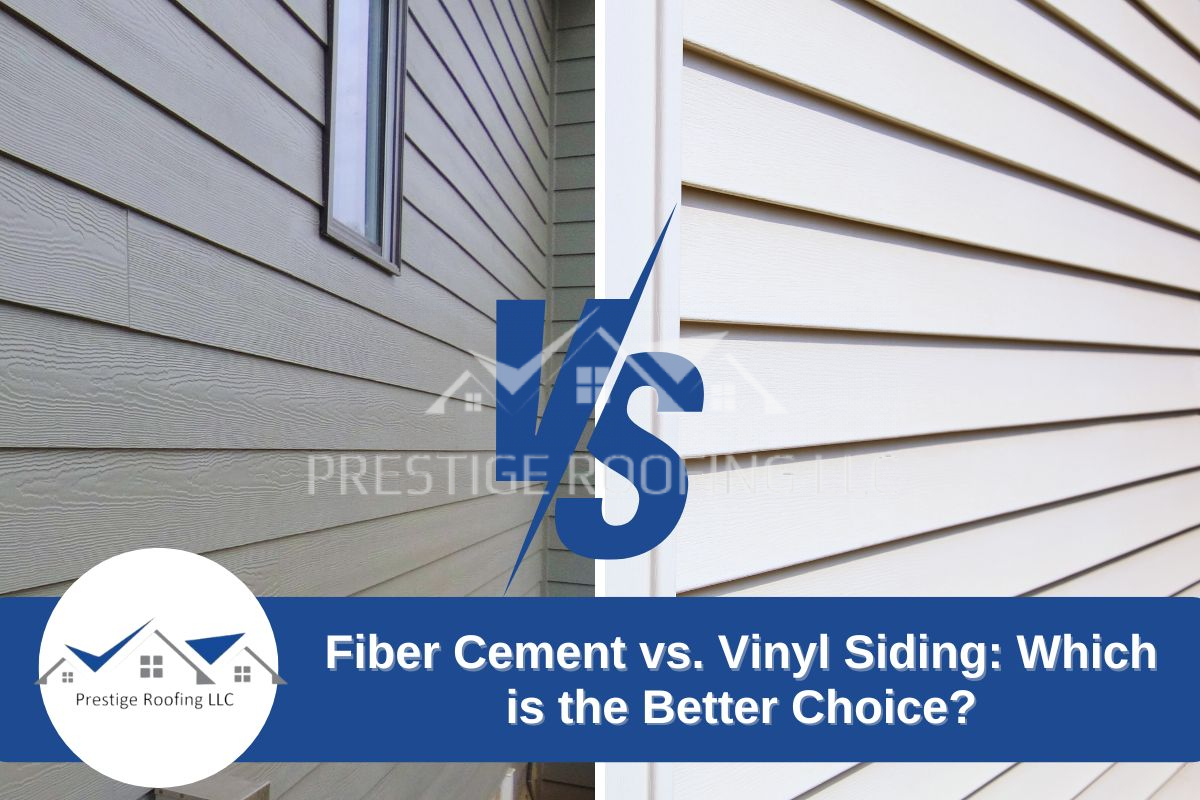
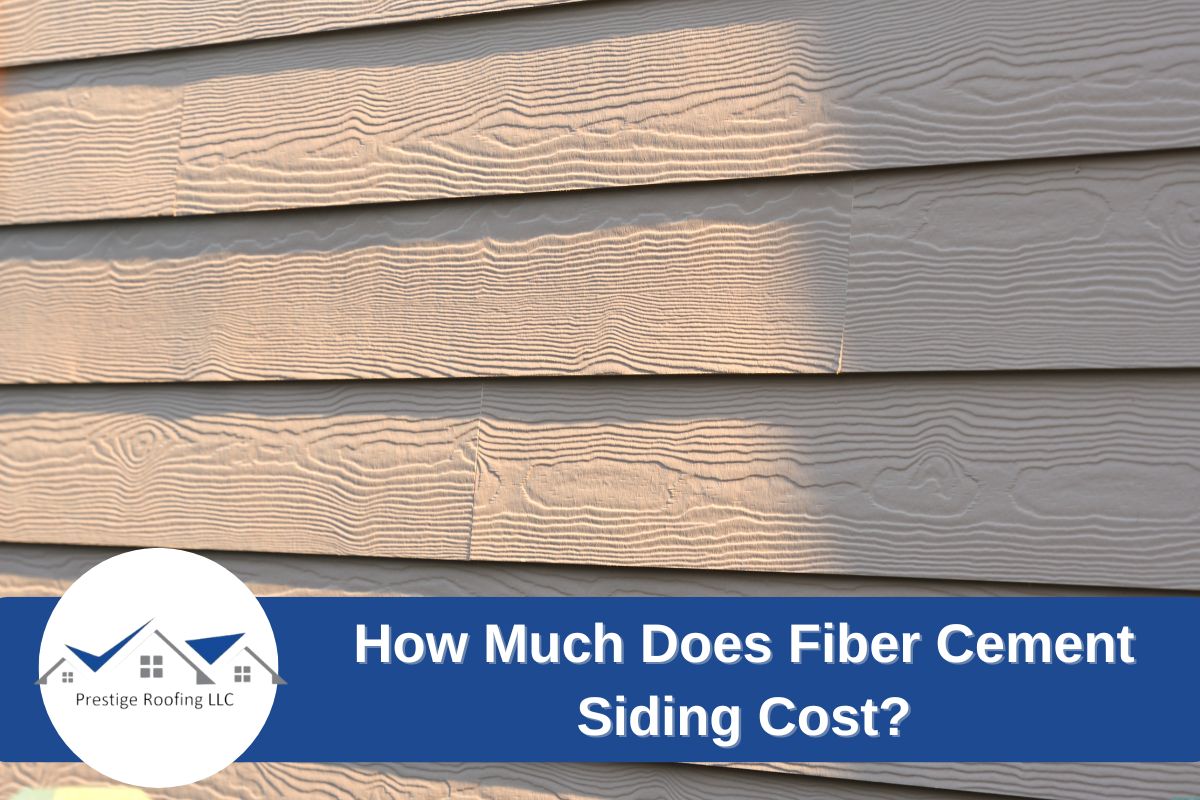
Fiber cement is one of the most durable siding options when evaluating resistance to common threats that compromise exterior materials. This engineered product demonstrates exceptional performance against leaks, fire damage, insect infestation, and severe weather conditions that typically degrade other siding materials over time.
The durability of fiber-cement siding stems from its unique composition of cement, sand, and cellulose fibers, creating a non-combustible barrier that withstands temperatures exceeding 1,200 degrees Fahrenheit. Unlike wood alternatives, fiber cement repels termites and carpenter ants while resisting rot and decay that plague organic materials in humid climates.
Performance data consistently shows fiber cement outperforming alternatives in longevity testing. While vinyl vs. wood siding longevity debates continue, fiber cement typically maintains structural integrity for 30 to 50 years with minimal maintenance requirements. The longest-lasting siding material designation often goes to fiber cement because it resists cracking, warping, and dimensional changes that affect other durable siding materials during freeze-thaw cycles and extreme temperature fluctuations.
This superior weather resistance makes fiber cement the best siding for harsh weather conditions, providing reliable protection that justifies its position among premium exterior cladding options.
Steel and Aluminum Siding for Maximum Weather Resistance
Metal siding options, particularly steel and aluminum, deliver exceptional performance against severe weather conditions that challenge traditional materials. Steel siding withstands hail impact better than most alternatives, resisting dents and punctures that would damage vinyl or wood surfaces. Aluminum provides excellent corrosion resistance while maintaining structural integrity during extreme temperature fluctuations common in harsh climates.
Both steel and aluminum demonstrate superior wind resistance compared to lighter materials, with properly installed metal panels maintaining secure attachment during severe storms. The best siding for harsh weather often includes these metal options because they resist warping, cracking, and leaks that compromise other durable siding materials over time.
Maintenance requirements for metal siding remain minimal, typically involving periodic cleaning and occasional touch-up painting for steel varieties. Aluminum requires even less maintenance due to its natural oxidation resistance. These longest-lasting siding material options frequently perform well for 40 to 60 years when properly installed, making them competitive alternatives in the vinyl vs. wood siding longevity discussion while offering enhanced storm protection that positions metal among the most durable siding materials available.
Vinyl Siding Durability Factors and Realistic Expectations
Vinyl siding performance varies significantly based on quality grades and manufacturing standards that directly impact long-term durability. Premium vinyl products feature thicker profiles compared to builder-grade options. This increased thickness provides better impact resistance and reduces the brittleness that causes cracking during temperature extremes.
Manufacturing processes also influence vinyl longevity through color retention technology and UV inhibitors. Higher-quality durable siding materials incorporate capstock layers that prevent fading and chalking, maintaining appearance longer than standard vinyl. These enhanced products typically last 20 to 30 years compared to 15 to 20 years for basic grades.
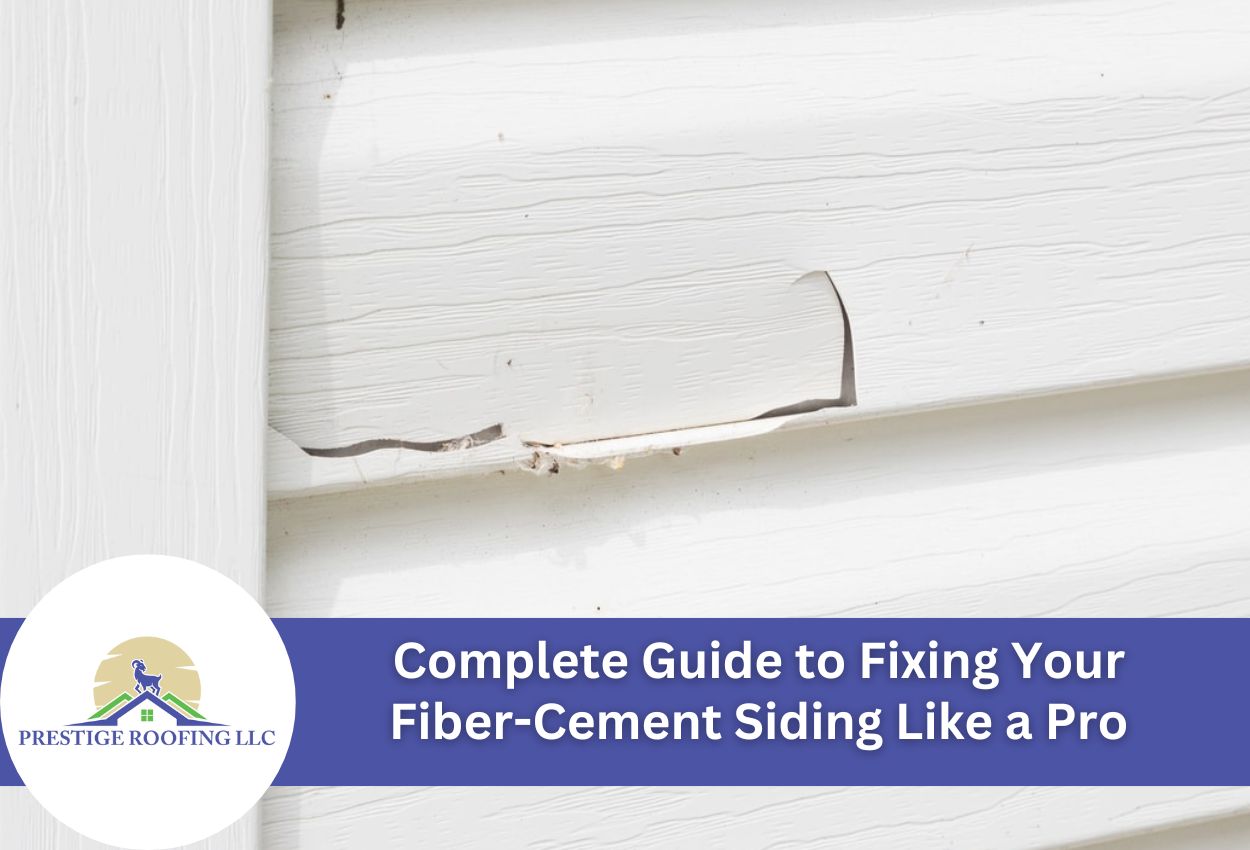
Climate considerations significantly affect vinyl performance and may disqualify it as the longest-lasting siding material in certain regions. Extreme cold causes vinyl to become brittle, increasing crack susceptibility during hailstorms or other impacts. Conversely, intense heat can cause expansion and warping that compromises panel alignment. Areas experiencing severe temperature fluctuations, frequent hail, or hurricane-force winds should consider alternatives when evaluating the best siding for harsh weather conditions rather than relying on vinyl’s moderate durability characteristics.
Wood Siding Longevity When Properly Maintained and Protected
Wood siding achieves remarkable longevity when homeowners select appropriate species and implement consistent maintenance protocols. Cedar, redwood, and cypress offer natural resistance to moisture, insects, and decay due to their inherent oils and tannins. These premium wood options can rival other durable siding materials when properly cared for, often lasting 30 to 40 years or more with diligent upkeep.
Essential maintenance practices include annual inspections for gaps, cracks, or failing caulk that allow in leaks. Repainting or restaining every 3 to 5 years creates protective barriers against UV damage and water that cause wood degradation. Proper ventilation behind wood panels prevents trapped moisture that leads to rot and insect activity.
Regular cleaning removes dirt, mildew, and debris that retain moisture against wood surfaces. Trimming vegetation away from siding prevents constant moisture contact and reduces insect pathways. When comparing vinyl vs. wood siding longevity, properly maintained wood often outlasts neglected alternatives while providing superior curb appeal. Though wood requires more attention than the longest-lasting siding material options, dedicated maintenance transforms it into one of the most rewarding durable siding materials available.
Brick and Stone Veneer as Premium Durable Options
Masonry materials represent the pinnacle of siding durability, consistently outlasting all other exterior cladding options through decades of exposure to harsh weather conditions. Brick and stone veneer systems demonstrate exceptional resistance to leaks, temperature extremes, and physical impact while maintaining their protective properties and appearance for 50 to 100 years or more. These durable siding materials achieve superior longevity through their inherent mineral composition and thermal mass properties that resist the expansion-contraction cycles that compromise other siding types.
The longest-lasting siding material designation frequently goes to masonry because brick and stone naturally resist fire, insects, rot, and UV degradation without requiring chemical treatments or protective coatings. Unlike the vinyl vs. wood siding longevity debate, masonry consistently outperforms both alternatives in harsh climates featuring extreme temperature swings, heavy precipitation, and severe storms.
Installation quality significantly impacts masonry veneer durability over time. Proper moisture barriers, adequate drainage systems, and correct mortar selection ensure these best siding for harsh weather systems perform the best throughout their extended service life, making professional installation essential for maximizing their exceptional durability potential.
Making Your Final Decision Based on Climate and Maintenance Preferences
Climate conditions dictate which durable siding materials perform well in specific regional environments. The most durable siding option for coastal areas experiencing salt air and hurricane conditions differs significantly from the best choice for continental climates with extreme temperature swings and heavy snow loads.
Homeowners in regions with frequent hailstorms require impact-resistant materials like fiber-cement or steel siding rather than vinyl, which becomes brittle during temperature extremes. Areas prone to wildfires require non-combustible options, making the durability of fiber-cement siding particularly valuable alongside brick and stone alternatives.
Maintenance capacity must align with material requirements for the best possible longevity. The longest-lasting siding material becomes irrelevant if homeowners cannot commit to necessary upkeep schedules. Wood siding requires regular painting and inspection, while vinyl and fiber cement require minimal intervention. The vinyl vs. wood siding longevity comparison shifts dramatically based on maintenance commitment levels.
Discover the Most Durable Siding with Prestige Roofing LLC
Choosing the right siding for your home is crucial for long-term durability and protection. Whether you’re considering fiber cement for its superior resistance to various elements, or steel and aluminum for unmatched weather resistance, Prestige Roofing LLC can guide you through the best options suited for your home’s specific needs. Our expertise in installing high-quality siding materials ensures that your home not only looks great but also stands strong against harsh weather and aging.
Call Prestige Roofing LLC today at (920) 791-0414 to discuss the most durable siding options for your property and how we can help you achieve the best results for your investment. Let us help you make an informed decision that aligns with your climate and maintenance preferences, ensuring your home’s siding is both durable and visually pleasing.