Signs You Need Window Replacement: Warning Signs Every Homeowner Should Know
Windows that have reached the end of their useful life can silently drain your wallet while compromising your home’s comfort and structural integrity. Many homeowners overlook the subtle signs that indicate window replacement is necessary, leading to increased energy bills and potential damage that could have been prevented.
Recognizing the early warning signs of failing windows can save significant money on monthly energy costs while protecting your home from moisture damage, drafts, and temperature fluctuations. Problems with old windows often develop gradually, making them easy to dismiss as minor inconveniences rather than serious issues requiring immediate attention.
Drafts are among the most common indicators that your current windows are no longer performing effectively. These damaged units allow conditioned air to escape and outdoor air to enter, meaning your heating and cooling systems run continuously throughout the year. The window replacement benefits extend far beyond improved comfort, including enhanced security, reduced noise, and better protection against the elements.
Understanding the warning signs helps homeowners decide when to invest in new, energy-efficient windows. Addressing window problems promptly prevents small issues from escalating and affecting your home’s foundation, walls, and interior finishes.
Sign #1. Drafts and Cold Spots Around Your Windows
Noticeable drafts and cold spots near windows are clear signs that it may be time for replacement. These temperature variations occur when window seals and weatherstripping deteriorate, allowing outside air to infiltrate your living space and conditioned air to escape.
Air leaks around window frames develop as sealing materials age and lose their flexibility. The rubber gaskets, caulking, and weatherstripping that once provided tight seals gradually crack, shrink, or pull away from the frame. This deterioration creates gaps that compromise the thermal barrier between your home’s interior and exterior environments.
Simple draft detection tests can reveal the extent of air leakage around your windows. Hold a lit candle or incense stick near the window frames on a windy day and observe any flame movement or smoke direction changes. Another method is to feel along the window edges with your hand to identify temperature differences and air movement patterns.
Drafty windows often indicate bigger problems than surface-level weatherstripping issues. When multiple windows exhibit similar air leakage patterns, the underlying window frames may have warped or settled, creating structural gaps that minor repairs cannot address effectively.
Energy-efficient windows eliminate these persistent draft issues through advanced sealing and improved frame construction. Modern replacement windows feature multiple weatherstripping layers and precision-engineered frames that maintain consistent thermal barriers throughout seasonal temperature changes, delivering the benefits that aging windows simply cannot provide.
Sign #2. Your Energy Bills Keep Rising Despite Normal Usage
Rising energy costs with consistent heating and cooling usage patterns often signal that your windows are no longer providing adequate thermal protection. When windows begin failing, they allow heated and cooled air to escape while permitting outdoor temperatures to affect indoor comfort levels.
Problems with old windows manifest most noticeably during Wisconsin’s extreme seasonal temperature swings. During winter months, single-pane or deteriorating windows force heating systems to cycle more frequently to maintain comfortable indoor temperatures. Summer cooling bills increase similarly when air conditioning units struggle against heat transfer through inefficient glass and compromised seals.
Window replacement benefits include significant utility cost reductions through improved insulation values and advanced glazing technologies. Modern replacement windows feature double or triple-pane construction with low-emissivity (low-E) coatings that reflect heat during summer and retain warmth during winter months.
Drafty windows also contribute to energy waste by creating thermal bridges that transfer outdoor temperatures directly into living spaces. These inefficient openings can account for substantial portions of monthly heating and cooling expenses, particularly in older homes where original windows have exceeded their designed lifespan.
Homeowners often notice gradual increases in energy bills that cannot be attributed to rate changes or increased usage patterns. These unexplained cost escalations frequently correlate with aging window components that have lost their ability to maintain proper thermal barriers throughout changing weather conditions.
Sign #3. Windows That Stick, Won’t Open, or Refuse to Stay Closed
Windows that resist opening, stick during operation, or fail to remain securely closed create serious operational and security concerns for homeowners. These mechanical problems typically stem from warped frames, damaged hardware, or structural settling that prevents proper window function and compromises home security.
Warped window frames develop when moisture infiltrates wood components or when temperature fluctuations cause materials to expand and contract repeatedly. This distortion prevents smooth operation and creates gaps that allow air and moisture to enter your home. Metal hardware components can rust or corrode over time, making it difficult to operate latches, cranks, or sliding mechanisms.
Problems with old windows often manifest as increasing difficulty in daily operation. Windows that once opened smoothly may require excessive force or multiple attempts to achieve proper positioning. Sticking mechanisms indicate that frame alignment has shifted beyond the tolerance limits of original hardware specifications.
Security risks increase significantly when windows cannot close completely or lock properly. Drafty windows that refuse to seal tightly compromise both energy efficiency and home protection. Intruders can exploit loose-fitting windows, while incomplete closures allow moisture infiltration that leads to interior damage.
These operational issues frequently signal underlying structural problems that require complete window replacement rather than simple hardware repairs. When multiple windows exhibit similar operational difficulties, frame deterioration has likely progressed beyond the point where individual component replacement provides effective solutions. New windows restore proper operation while delivering enhanced security and improved thermal performance that addresses the root causes of mechanical failures.
Sign #4. Visible Damage You Can See and Feel
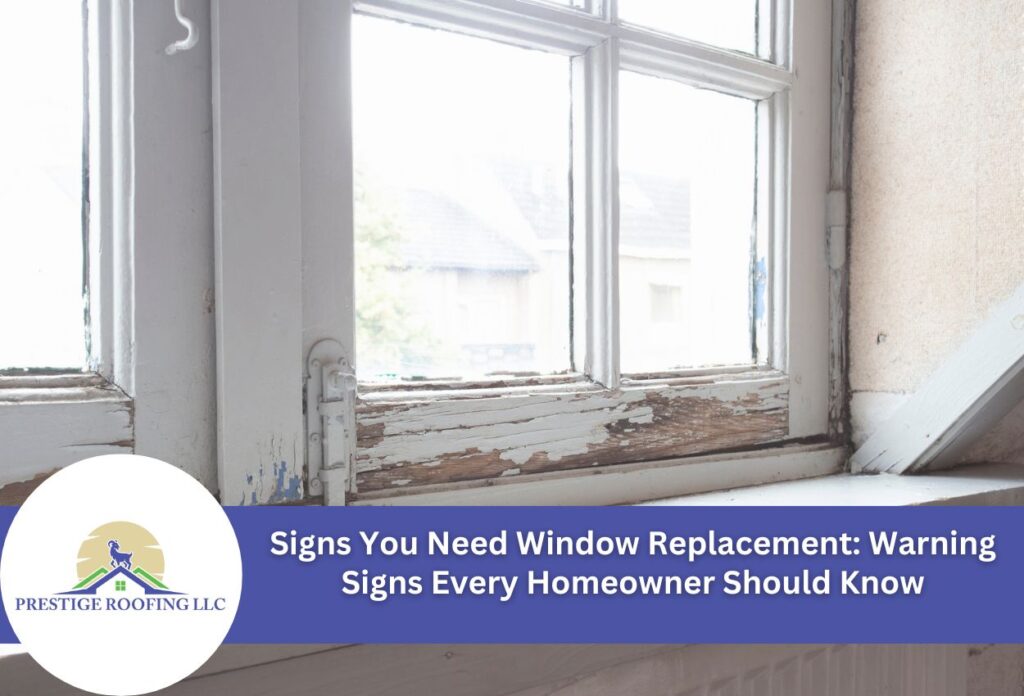
Physical deterioration is generally the most obvious indication that window replacement has become necessary. Cracked glass, rotting frames, condensation between panes, and peeling paint signal that your windows have reached the end of their functional lifespan and require immediate attention to prevent further damage.
Cracked or chipped glass compromises both structural integrity and energy efficiency. Even small cracks allow moisture in and air leakage while creating safety hazards for household members. These fractures typically expand over time due to temperature fluctuations and structural stress, making early replacement more cost-effective than attempting temporary repairs.
Frame deterioration manifests through rotting wood, rusted metal components, or warped vinyl materials that no longer maintain proper seals. Wooden frames exposed to moisture develop soft spots, discoloration, and decay that weakens structural support, while metal frames that exhibit rust, corrosion, or paint failure indicate protective coatings have failed.
Condensation between double-pane windows indicates seal failure that eliminates the insulating properties of the glazing system. This moisture accumulation creates permanent fogging that obscures visibility while signaling that the window’s thermal barrier has been compromised. Problems with old windows often include failed seals that allow moisture and air infiltration.
Peeling paint around window frames typically indicates moisture damage that extends beyond surface-level cosmetic issues. This deterioration suggests that water has seeped below protective finishes and begun affecting underlying materials. Energy-efficient windows eliminate these recurring maintenance issues through improved materials and advanced weatherproofing technologies that resist moisture and temperature-related expansion.
The Hidden Costs of Keeping Old Windows Too Long
Postponing necessary window replacement often leads to expensive repair bills that far exceed the cost of installing new units. Water damage from failed window seals can seep into wall cavities, creating ideal conditions for mold growth and structural deterioration that affects your home’s foundation and framing.
Moisture infiltration around drafty windows causes wood rot in sills, trim, and structural components that support the window opening. This water damage spreads gradually through wall assemblies, compromising insulation and creating breeding grounds for harmful mold spores that pose health risks to household members.
Problems with old windows often also include hidden damage within wall systems. Water that enters through compromised seals can saturate drywall, damage electrical components, and encourage insect infestations that weaken structural elements throughout the affected areas.
The benefits of replacing windows include preventing these cascading damage patterns that become increasingly expensive to address over time. Modern replacement windows feature advanced weatherproofing systems that eliminate moisture infiltration pathways while protecting surrounding structural components from water-related deterioration.
In general, outdated windows negatively impact home values and buyer interest in today’s competitive market. Potential buyers often view aging windows as immediate expenses requiring attention, leading to reduced offers or requests for seller concessions that offset much of the perceived savings from delaying replacement. Energy-efficient windows enhance property values while eliminating buyer concerns about immediate improvement needs.
Making the Smart Choice for Your Home’s Future
Understanding the benefits of modern windows helps homeowners protect their investment while improving daily comfort. The window replacement benefits go beyond addressing immediate problems, creating lasting value through enhanced energy efficiency, improved security features, and reduced maintenance requirements that continue paying off for decades.
Energy-efficient windows provide measurable improvements in indoor comfort through consistent temperatures and reduced drafts throughout your living spaces. Advanced glazing technologies and improved frame construction eliminate the hot and cold spots that drafty windows create, allowing heating and cooling systems to maintain steady temperatures with less energy consumption.
Security enhancements in modern replacement windows include multi-point locking systems, reinforced frames, and impact-resistant glazing options that provide superior protection compared to aging window hardware. These security improvements offer peace of mind while potentially reducing homeowner insurance premiums through enhanced property protection features.
When multiple windows are worn or damaged, developing a strategic replacement plan helps address the problem while managing costs. Priority should focus on windows that show the most severe signs of deterioration or contribute most significantly to energy losses, particularly those facing prevailing winds or receiving direct sunlight exposure.
Creating a phased replacement strategy allows homeowners to address the most critical window upgrades immediately while planning future improvements around their budget. This means that the most problematic windows receive attention first while spreading the investment over time, ultimately protecting the home.
Discover the Benefits of Window Replacement with Prestige Roofing LLC
Have you noticed any of the signs discussed that suggest you might need window replacement? Don’t let drafty windows, rising energy bills, or visible damage compromise the comfort and efficiency of your Green Bay home any longer. Upgrading to new, energy-efficient windows can dramatically improve your living environment and reduce monthly expenses.
At Prestige Roofing LLC, we specialize in providing top-quality window replacement services that cater to your specific needs and help you save money in the long run. Take action today and ensure your home remains secure, comfortable, and energy-efficient year-round.
To discuss your window replacement options and how we can assist you, call us at (920) 791-0414. Prestige Roofing LLC is here to help you make the smart choice for your home’s future.
Related Articles
-
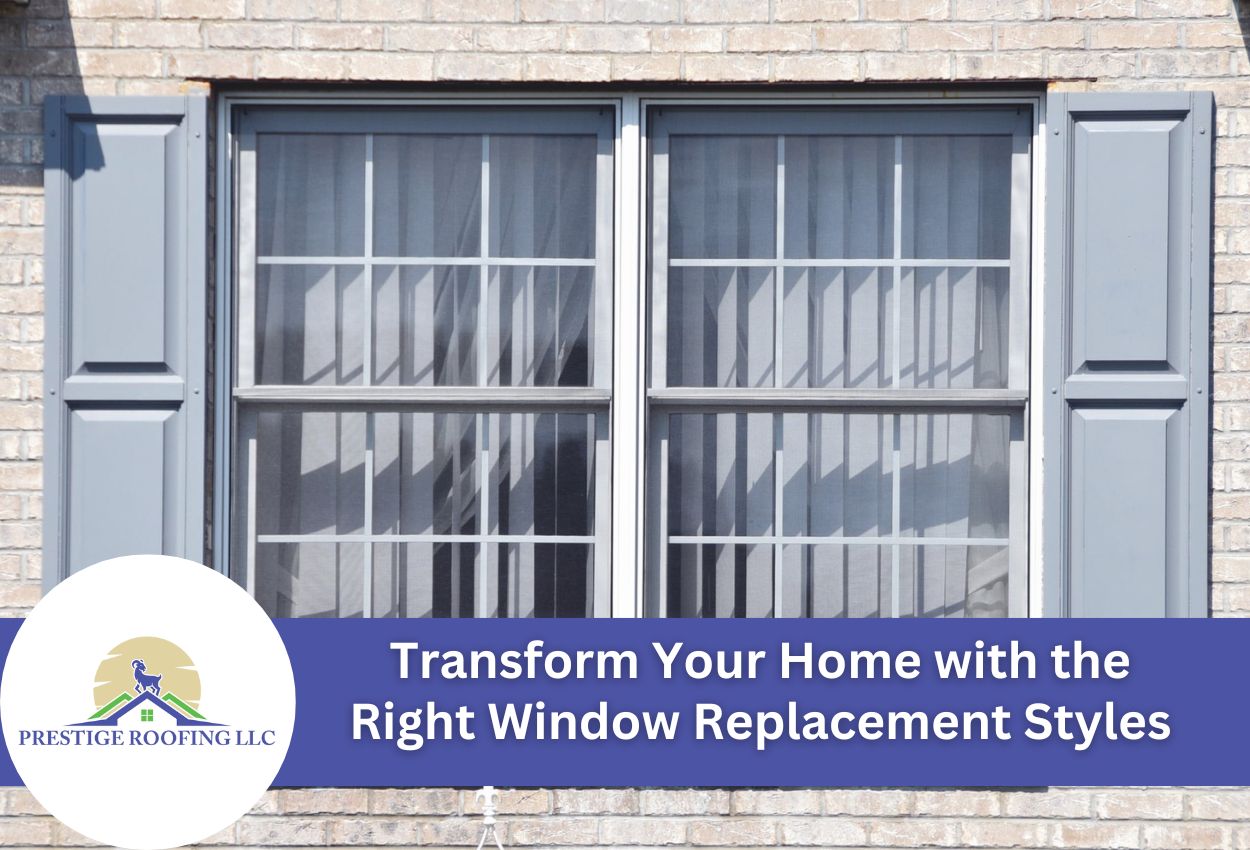 August 27, 2025Transform Your Home with the Right Window Replacement StylesPlanning to replace your windows? Explore top styles from double-hung to casement and find the perfect fit for your home.
 -
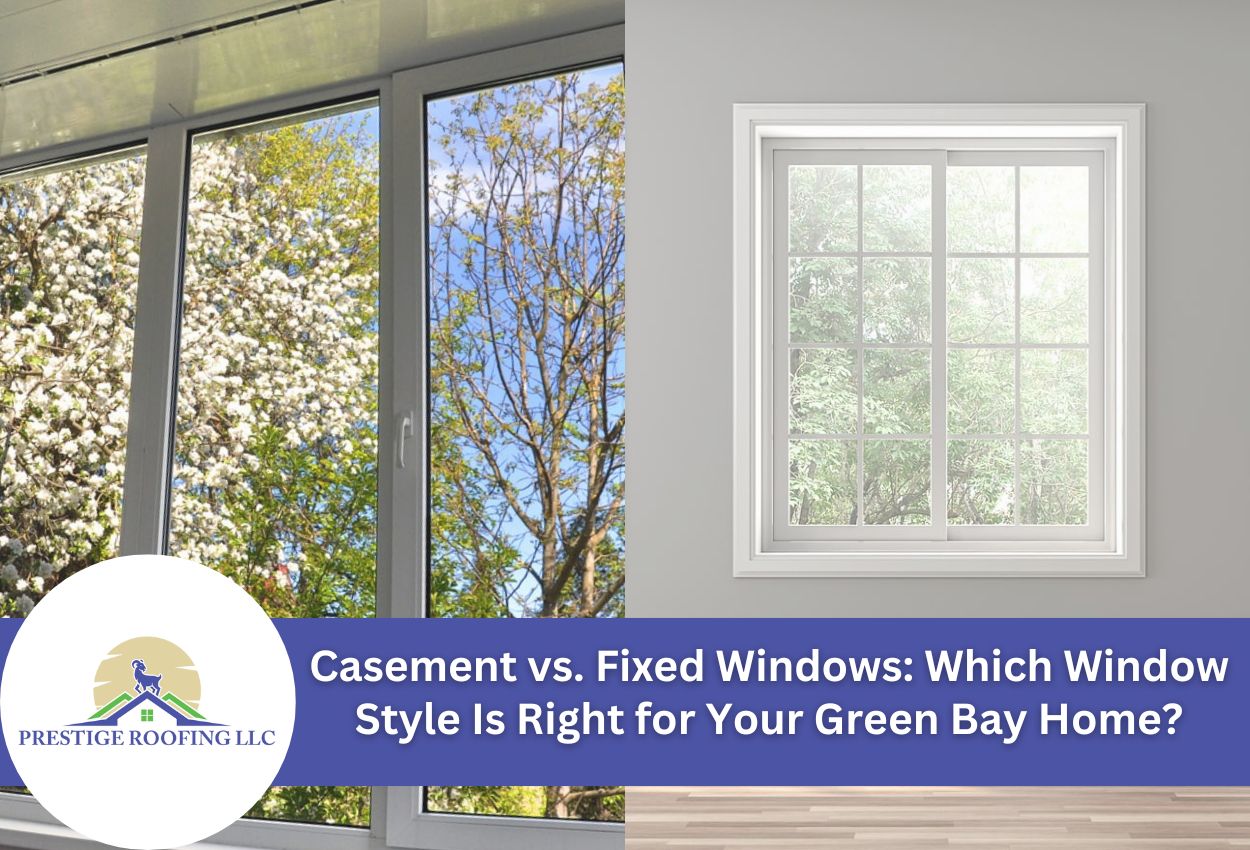 November 17, 2025Casement vs. Fixed Windows: Which Window Style Is Right for Your Green Bay Home?Debating casement vs. fixed windows for your home? Compare energy efficiency, ventilation, and maintenance.
 -
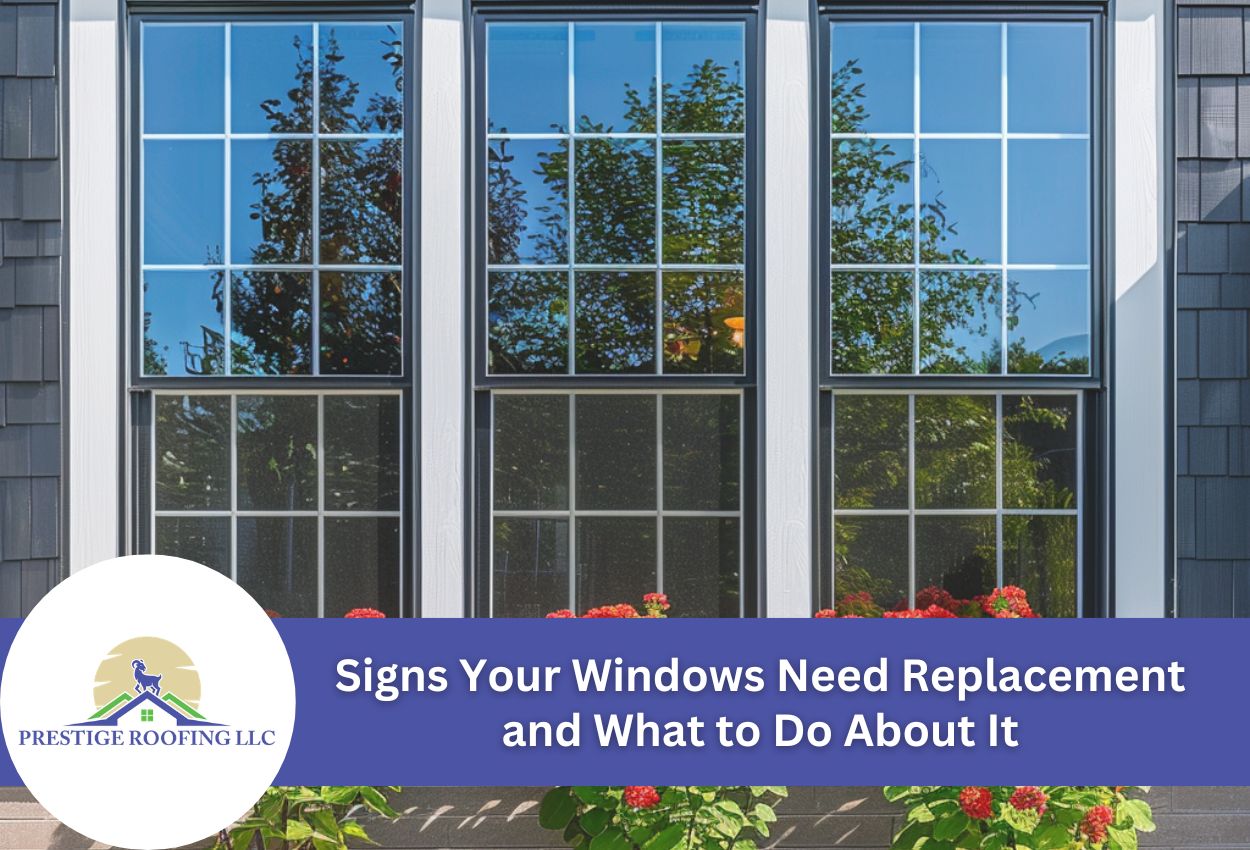 April 18, 2026When Your Windows Are Telling You It’s Time for a ChangeFeeling drafts or seeing condensation around your windows? Find out the key signs it’s time for replacement to boost energy efficiency and home comfort.
Protect Your Home with Expert Roofing
Don’t wait for leaks or storm damage to cause costly repairs. Our experienced roofing team provides fast, reliable service, high-quality materials, and lasting results. Ensure your home stays safe, secure, and looking great—contact us today for a free estimate.