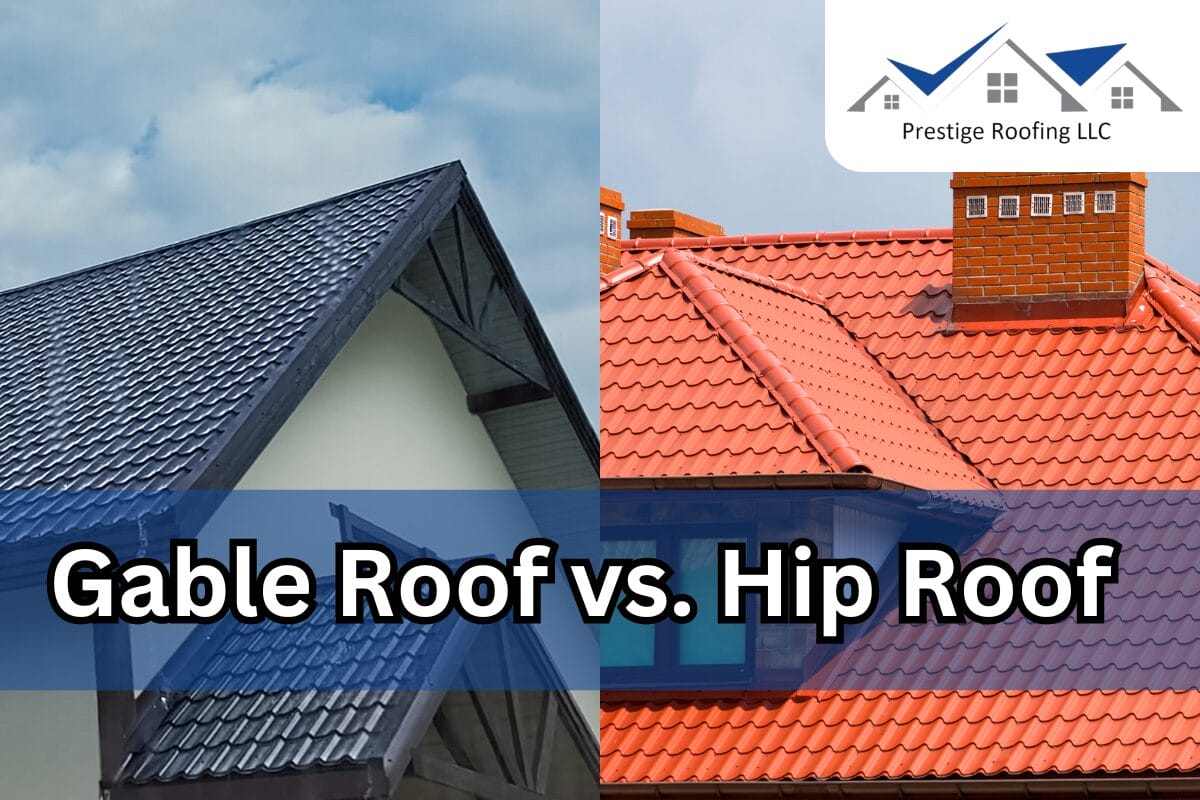

Protecting your property from water damage should be a top priority for homeowners. One effective way to achieve this is by ensuring that your roof is properly equipped with high-quality flashing.
Roof flashing is a strip of material that is usually installed to divert water away from your roof. Though flashing is a very small part of your roof, it plays a vital role in preventing water intrusion and protecting the structure of your roof from damage. Flashing is used to create a watertight seal around areas prone to leaks, such as chimneys, vents, skylights, and valleys. Residential applications account for 45-50% of total market revenue, highlighting how essential proper flashing is for homeowners.
Understanding the most common types of roof flashing and their respective functions will give you valuable insights into the importance of proper flashing installation and maintenance.
Key Takeaways: Types of Roof Flashing
- Best Longevity Investment: Copper flashing lasts 80-100+ years and develops a protective patina, making it ideal for premium homes prioritizing durability.
- Essential Vulnerable Areas: Install flashing at chimneys, vent pipes, skylights, valleys, and roof-to-wall intersections to prevent water infiltration and structural damage.
- Budget-Friendly Options: Aluminum and galvanized steel cost less upfront but last only 20-30 and 15-25 years respectively—avoid galvanized steel in coastal areas.
- Layered Protection System: Base flashing, step flashing, and counter flashing work together to create a continuous waterproof barrier at vertical surfaces like chimneys.
Types of Flashing Found on Roofs
#1 Base Flashing (Apron Flashing)
When discussing the popular types of flashing for roofs, base flashing will surely make the list. This flashing is used on almost every roof. Coming to specifics, base flashing is a long strip of metal or flexible material that is installed at the point where the roof meets a vertical surface, such as a wall or chimney. This is the go-to type of flashing if you have roof dormers. Without base flashing, water could seep through these intersections, leading to damage to your home’s interior, including mold growth, rot, and structural issues.
It will typically consist of a large piece of metal that extends up the vertical surface and folds over the roof plane. At the bottom edge, it will be bent outward at a 90-degree angle to form an “apron” that sheds water away from the vertical surface. The flashing can be customized to fit the unique contours of the vertical surface, ensuring a snug and secure fit. Base flashing is generally installed before the shingles are laid.
#2 Step Flashing
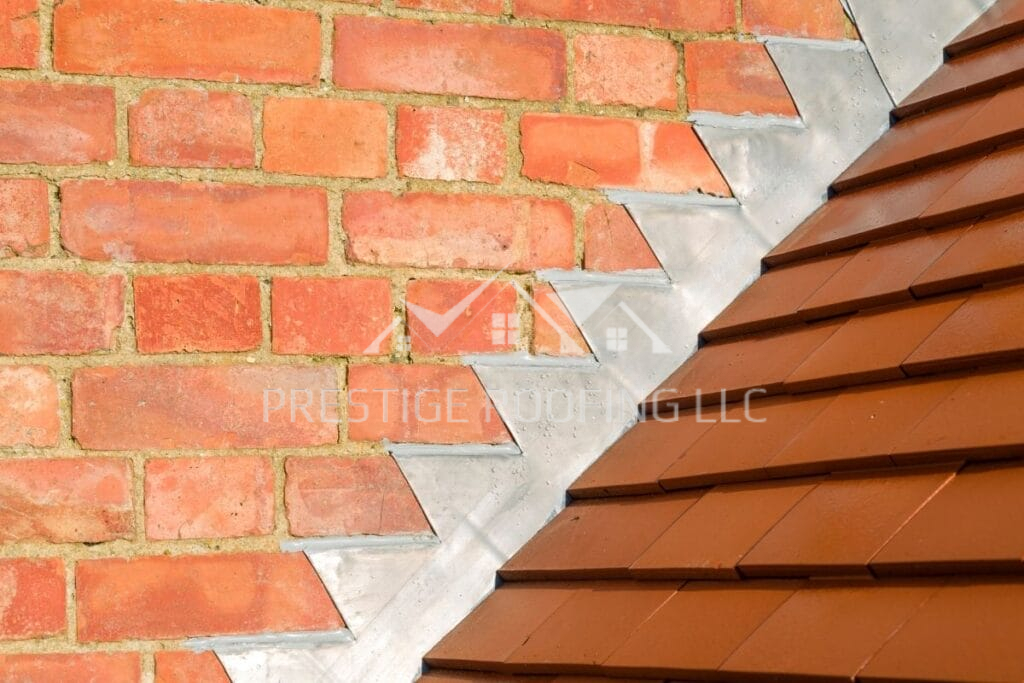
Step flashing is an integral roof-to-wall flashing type that works hand-in-hand with base flashing to provide a comprehensive defense against water infiltration.
Imagine a scenario where your roof meets a vertical surface like a wall or chimney – each row of shingles or tiles creates a potential entry point for water if not properly sealed. Step flashing is designed to address this vulnerability by overlapping each row of roofing material, creating a seamless and continuous waterproof barrier. So rainwater will go down the walls and not underneath your shingles.
This type of flashing is made of singular metal pieces sewn together where the roof’s edge meets the vertical wall surface. It interlocks with the base flashing to form a cohesive system.
#3 Counter Flashing
Counter flashing will work in conjunction with other types of flashing to provide a continuous waterproof barrier. This type of roof flashing is installed after the base and step flashing. It’s a separate piece of metal that covers the top edge of the base flashing (like step flashing).
The biggest point where counter flashing differs from other types of flashing is that it is secured directly into the masonry or brick. Counter flashing will prevent water from getting between the base flashing and the vertical surface. You will commonly see counter flashing used with chimney flashing, at roof-to-wall intersections, and anywhere else base flashing meets a vertical surface.
Since it is installed onto existing masonry, the installation can be quite difficult and hiring a professional roofing company for the job is recommended.
#4 Drip Edge Flashing
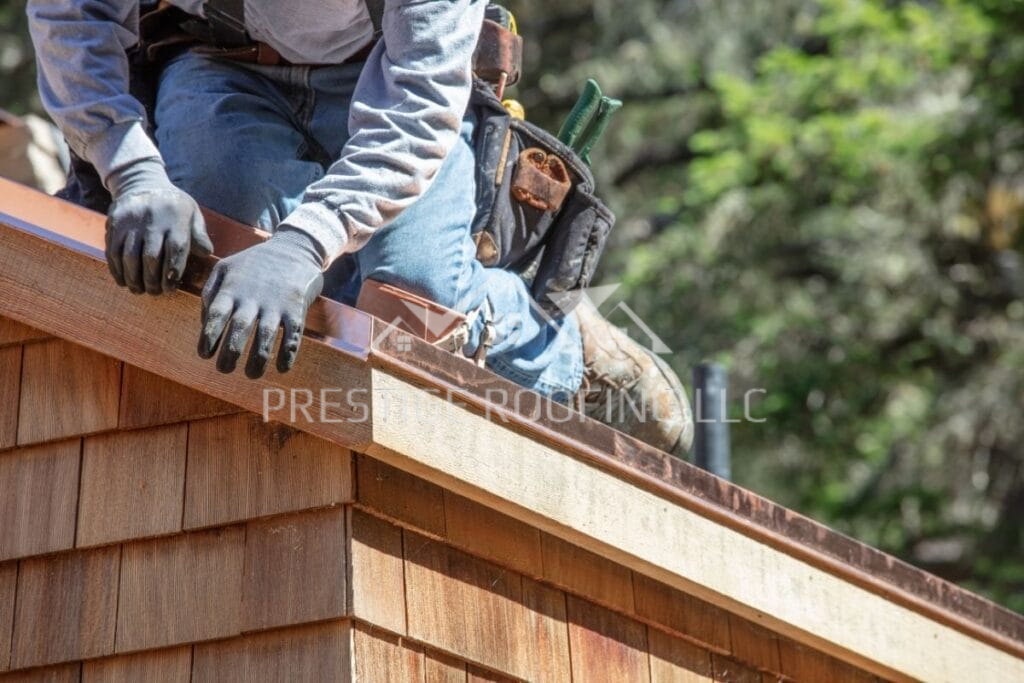
Drip edge flashing is an essential component of your roof’s water-shedding system. It is a long, angled piece of metal installed along the eaves and rakes (gable edges) of your roof. The drip edge extends out slightly past the edge of the roof deck, creating a small overhang that directs water away from the fascia and into the gutters.
This type of flashing gets its name from the shape formed by this small overhang, allowing water to properly “drip” off the roof edge instead of running back underneath. It prevents water from seeping behind the roof sheathing and causing rot or water damage. Despite its simple appearance, drip edge flashing plays a vital role in channeling rainwater off and away from your roofing structure.
These are the main types of roof flashing available. However, keep in mind these are not the only types available. In the next section, we will talk about the areas where flashing is used and why.
Different Areas Where You Should Install Flashing On A Roof
Vent Pipe Flashing
Any vent pipes protruding through your roof require vent pipe flashing to seal the openings. This type of flashing is usually made of a flexible material, like rubber or plastic, that can be molded around the pipe’s shape. It creates a watertight seal while allowing for thermal expansion and contraction.
Chimney Flashing
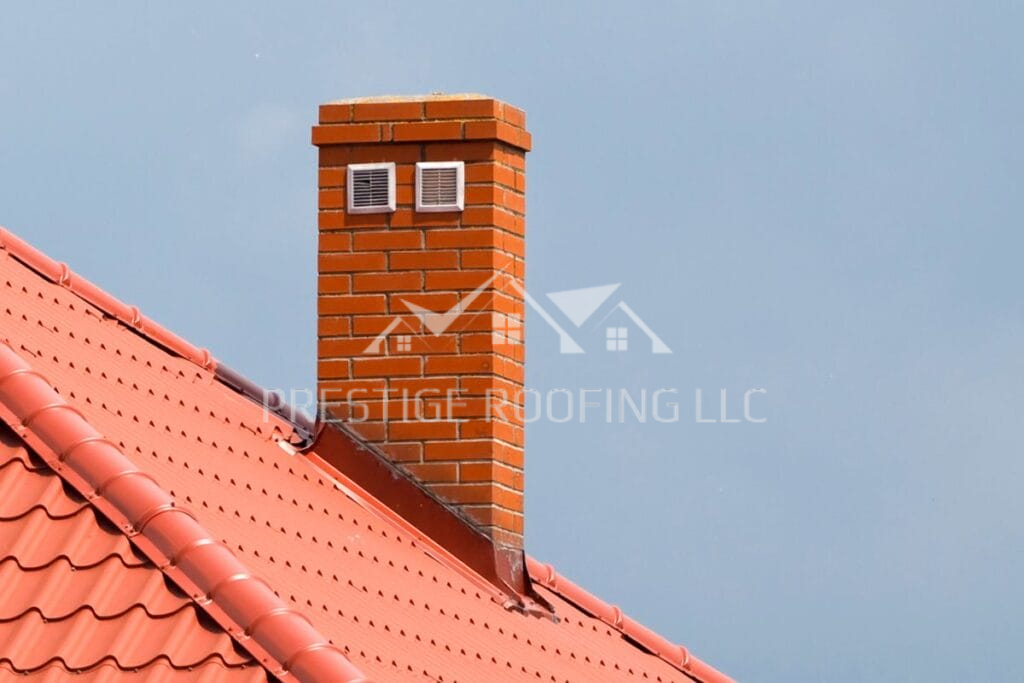
Chimneys are another common area where flashing is required. Chimney flashing will typically consist of a combination of step flashing, counter flashing (installed against the chimney), and a cricket (a small, peaked structure) to divert water away from the chimney.
Valley Flashing
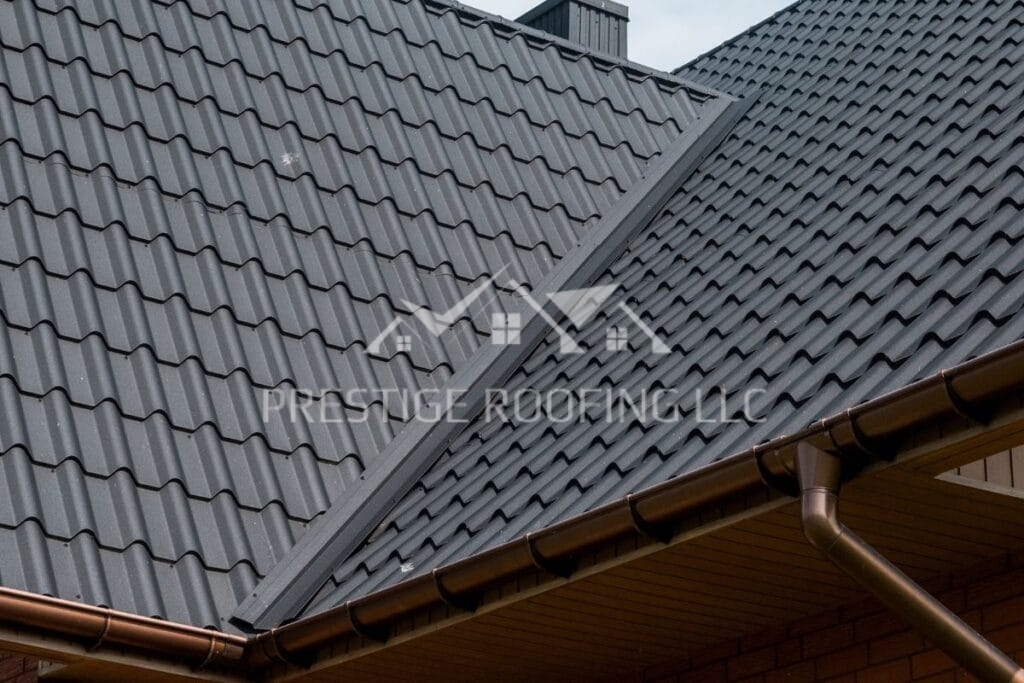
Valley flashing is installed in the valleys of your roof, where two sloping roof planes intersect. These areas are particularly vulnerable to water intrusion, so proper valley flashing is essential. It is typically made of galvanized steel or aluminum and shaped like a “V” to channel water down and off the roof.
Skylight Flashing
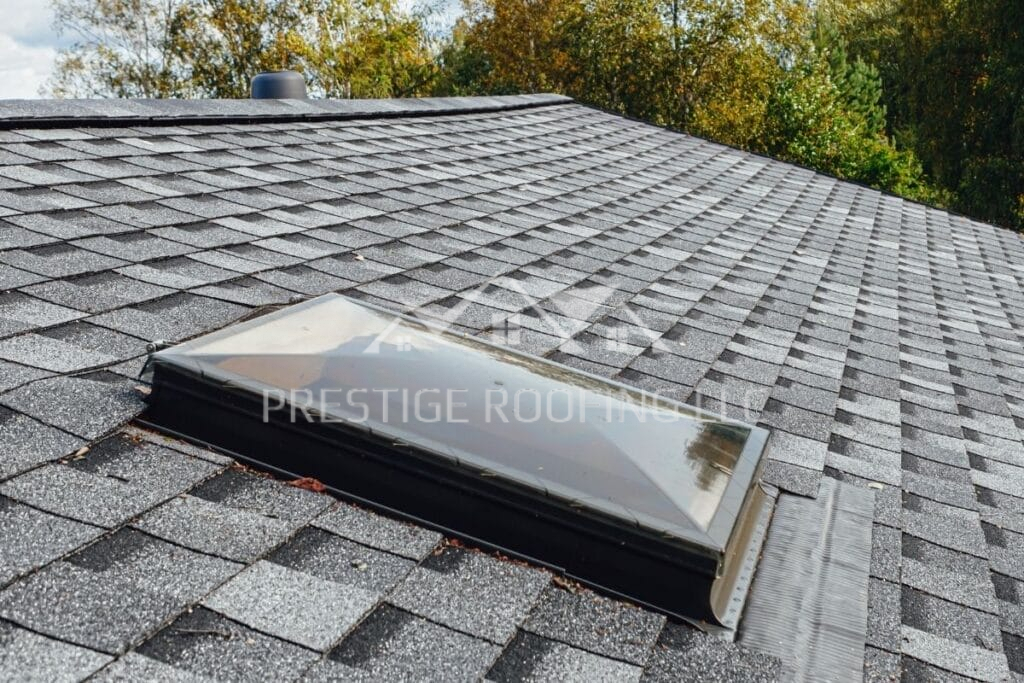
If you have skylights on your roof, proper flashing is essential to prevent leaks. Skylight flashing is similar to chimney flashing, with step flashing along the sides and a special flashing kit designed to seal the skylight’s curb or frame.
Popular Roof Flashing Materials
While the basic types of roof flashing are the same, there are several different materials that you can use, each with its own pros and cons. Here are some of the most common flashing material options:
| Material | Lifespan | Cost Range | Best For | Key Drawback |
|---|---|---|---|---|
| Aluminum | 20-30 years | $ | Coastal areas, budget projects | Can corrode in alkaline environments |
| Galvanized Steel | 15-25 years | $ | General residential use | Rusts over time |
| Copper | 80-100+ years | $$ | Premium homes, longevity priority | High upfront cost |
| Lead | 50-100 years | $ | Complex roof details, historical restorations | Health concerns, regulatory restrictions |
| PVC/Plastic | 10-20 years | $ | DIY projects, temporary solutions | Shorter lifespan, UV degradation |
Galvanized Steel
One of the most affordable and readily available options, galvanized steel flashing is coated with zinc to help prevent rust and corrosion. It provides decent longevity and works well in many environments, though it can eventually rust over time, especially in coastal areas.
Aluminum
Lightweight, rust-resistant, and reasonably priced, aluminum is another popular flashing material choice. It tends to hold up better than galvanized steel against the elements. However, the lifespan of aluminum is not as impressive due to its lighter weight. So you may need to replace it more often.
Copper
If you’re looking to enhance your home’s elegance and value, copper is the top choice. Over time, copper develops a unique patina, further enhancing its visual appeal. It naturally shields against further corrosion as well. Copper flashing typically offers a lifespan of 80-100+ years, making it a wise long-term investment. However, copper roof flashing is more expensive than other materials.
Still Confused About Which Type Of Flashing To Consider? Ask Our Experts!
As you can see installing roof flashing is as essential as choosing the right roofing shingle for your roof. But every home has its unique needs. If you are still confused about which type of flashing is the best or which material should be used, don’t worry, we can help.
Our roofers at Prestige Roofing have years of experience in installing new roofs as well as repairing old systems and can help you make the best decision.
Contact us today at (920) 791-0414 to learn more.
How often should roof flashing be inspected for damage or wear?
Roof flashing should be inspected at least twice annually—once in spring and once in fall—along with after severe weather events. Regular inspections help identify early signs of deterioration, such as cracks, rust, or separation from surfaces, before they lead to costly water damage and interior leaks.
Can different types of flashing materials be mixed on the same roof?
While technically possible, mixing flashing materials is generally not recommended due to galvanic corrosion risks when dissimilar metals contact each other. If you must combine materials, use isolation barriers or choose compatible metals to prevent accelerated deterioration and maintain your roof’s watertight integrity.
What are the warning signs that roof flashing needs replacement?
Key indicators include visible rust or corrosion, cracks or holes in the material, flashing pulling away from surfaces, water stains on interior ceilings or walls near flashed areas, and missing or bent sections. Addressing these signs promptly prevents extensive water damage to your home’s structure.
Does roof flashing need special maintenance between professional inspections?
Homeowners should periodically check that flashing remains secure and clear of debris, especially after storms. Remove leaves and branches that accumulate around chimney and valley flashing, as trapped moisture accelerates corrosion. However, avoid walking on the roof or attempting repairs yourself without proper safety equipment.
How does climate affect which flashing material performs best?
Coastal regions benefit from aluminum or copper due to superior salt-air resistance, while areas with extreme temperature fluctuations need materials with good expansion-contraction properties. High-UV environments can degrade plastic flashing faster, making metal options preferable. Your local climate significantly influences flashing longevity and performance.