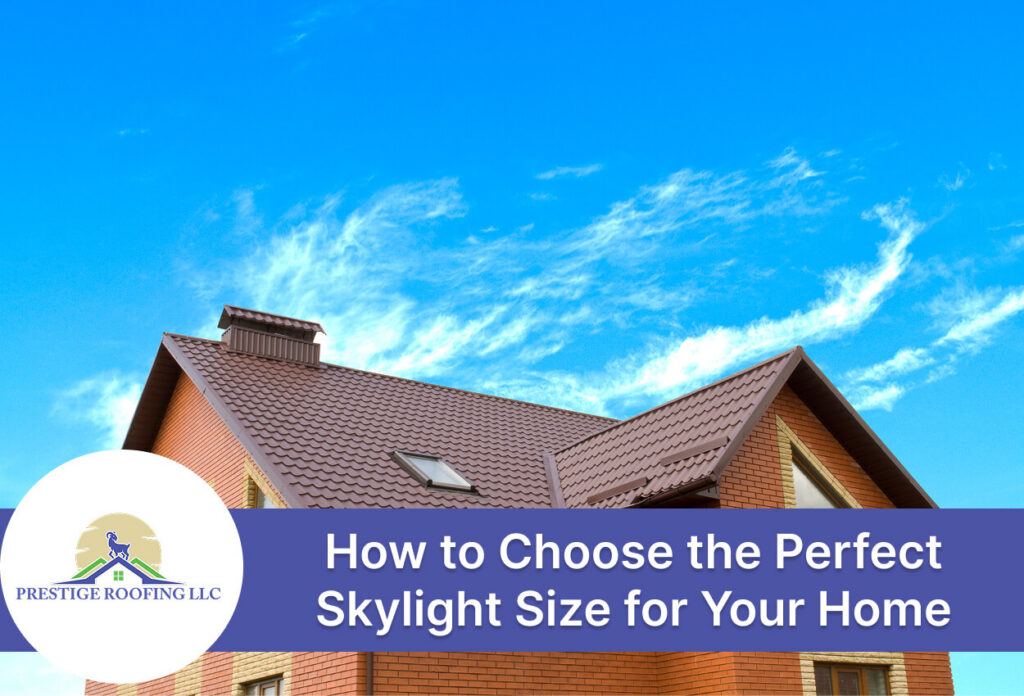
Selecting the right skylight dimensions can transform any room from dim and enclosed to bright and inviting. Many homeowners struggle with determining what size skylights they need, often leading to installations that provide either too little light or create uncomfortable glare and heat issues.
The relationship between room size and natural light requirements forms the foundation of proper skylight sizing. A small bathroom might benefit from a compact 2-by-2-foot skylight, while a large kitchen or living area could fit multiple units or larger dimensions.
Common skylight sizing mistakes cost homeowners both time and money during installation. Oversized skylights can create structural complications and excessive heat gain, while undersized units fail to deliver the desired natural light. Professional skylight installation requires careful consideration of roof structure, ceiling height, and room purpose.
Skylight dimensions for residential properties typically range from 14-by-14 inches to 4-by-8 feet, with standard sizes accommodating most home applications. The key lies in measuring accurately and choosing the right skylight size based on specific room characteristics, intended use, and existing architectural features. Thorough planning prevents expensive modifications and ensures successful skylight installation that enhances both comfort and home value.
Measuring Your Space for Skylight Installation
Accurate measurements are the basis of a successful skylight installation. Begin by measuring the ceiling opening where the skylight will be installed, taking precise length and width measurements at multiple points to account for any irregularities. Document these measurements carefully, as they determine the maximum skylight dimensions your space can accommodate.
Tools homeowners need for measuring skylight areas include a sturdy ladder, measuring tape, stud finder, and level. Safety equipment is crucial when accessing roof areas or high ceilings. Use the stud finder to locate ceiling joists and rafters, which reveal structural limitations that affect skylight size options. Mark these locations clearly, as skylights must fit between structural beams or require professional modifications.
A roof pitch assessment requires measuring the angle of your roof surface, typically expressed as a ratio of rise over run. Steeper roof pitches may limit certain skylight dimensions and affect installation complexity. Measure from the interior ceiling to the roof surface to determine the light shaft depth, which influences how much natural light reaches the room below.
Framing requirements vary based on your home’s construction method and age. Older homes may have different joist spacing than modern construction, affecting your skylight options. Take multiple measurements and consider working with roofing professionals when structural modifications are necessary for your desired skylight dimensions.
Room-by-Room Skylight Sizing Guidelines
Different rooms require specific skylight dimensions based on their function, size, and natural light needs. Kitchen skylights typically perform best when sized between 10% to 15% of the floor area, with popular dimensions ranging from 2-by-4 feet to 4-by-4 feet, depending on ceiling height and layout. Bathrooms benefit from smaller skylights, usually 2-by-2 feet or 2-by-4 feet, providing adequate natural light while maintaining privacy.
Living rooms and family areas generally require larger skylight installations due to their size and multiple seating areas. A standard living room often accommodates a 4-by-6-foot skylight or a few smaller units. Bedrooms typically need gentler lighting, making 2-by-4-foot or 3-by-3-foot skylights ideal for most residential applications.
Ceiling height significantly impacts what size skylights you need for effective light distribution. Rooms with 8-foot ceilings require smaller skylights to prevent overwhelming brightness, while vaulted ceilings can accommodate larger dimensions without creating glare issues. Standard ceiling heights work well with skylights sized at 10% to 15% of floor area, but higher ceilings may require proportionally larger units.
Hallways and stairwells can be challenging to fit skylights. These narrow spaces benefit from tubular skylights or small rectangular units. Stairwell installations often require custom skylight dimensions due to angled ceilings and structural considerations. Consider multiple smaller skylights rather than one large unit for better light distribution in these transitional spaces.
Balancing Natural Light with Energy Efficiency
Skylight size directly impacts your home’s energy performance throughout the changing seasons, making proper dimensional planning essential for year-round comfort. Larger skylights capture more natural light but also allow greater heat transfer, potentially increasing cooling costs during summer months while providing beneficial solar heat gain in winter. Understanding this balance helps determine what size skylights you need for optimal energy efficiency.
Heat gain occurs when solar radiation passes through skylight glazing, warming interior spaces. A larger skylight can add significant heat load during peak summer hours, while the same unit provides welcome warmth during cold Wisconsin winters. Smaller skylights, typically 2-by-3 feet or less, offer better temperature control but may require multiple units to achieve desired lighting levels in larger rooms.
Glazing options significantly affect energy performance regardless of skylight dimensions. Double-pane glazing with low-E coatings reduces heat transfer while maintaining light transmission, making larger skylights more energy-efficient. Triple-pane options provide superior insulation but may require stronger structural support due to increased weight.
Strategic skylight sizing should match seasonal sun angles and room orientation. South-facing installations may benefit from smaller dimensions to prevent summer overheating, while north-facing skylights can accommodate larger sizes without excessive heat gain. East and west orientations require careful sizing due to the low-angle morning and evening sun that can create uncomfortable glare and temperature fluctuations.
Structural Requirements That Limit Skylight Size
Existing roof framing creates the primary constraint when determining what size skylights you can install. Roof rafters are typically spaced 16 or 24 inches on center, establishing natural boundaries for skylight dimensions without structural modifications. Standard skylight sizes accommodate these spacing requirements, with many residential units designed to fit between single or multiple rafter bays.
Load-bearing beams present additional limitations that affect the maximum skylight dimensions that your roof can accommodate. These structural elements cannot be cut or modified without compromising roof integrity, requiring skylights to work around existing beam locations. Ceiling joists also influence skylight placement and size options, particularly in homes where roof structure and ceiling framing differ.
Truss roof systems require special consideration for skylight sizing, as these engineered components cannot be altered without invalidating their structural design. Homes built with trusses typically limit skylight installations to areas between truss members or require professional engineering analysis for larger openings. Stick-built roof framing offers more flexibility for custom skylight dimensions but still requires careful planning around structural members.
A professional structural evaluation is necessary when desired skylight dimensions exceed standard framing bay widths or when load-bearing modifications are required. Licensed structural engineers assess existing framing capacity, determine reinforcement requirements, and specify safe installation procedures for larger skylights. This evaluation typically includes load calculations, framing plans, and specific installation requirements that ensure both safety and code compliance for your skylight project.
Standard Skylight Dimensions and Custom Options
Most skylight manufacturers produce residential units in standardized dimensions that align with typical home construction methods. Common standard sizes include 14-by-14 inches, 22-by-22 inches, 22-by-30 inches, 22-by-46 inches, and larger options up to 4-by-8 feet. These dimensions correspond to standard rafter and joist spacing found in residential construction, making installation more straightforward and cost-effective.
Standard skylight dimensions work well for most homeowners because they integrate seamlessly with existing roof framing without requiring structural modifications. A 22-by-46-inch skylight fits perfectly between rafters spaced 24 inches on center, while 44-by-46-inch units span two rafter bays. These predetermined sizes also ensure structural support and weather sealing when installed according to manufacturer specifications.
Custom skylight sizing becomes necessary when standard dimensions cannot accommodate specific architectural requirements or room layouts. Unique roof angles, existing structural obstacles, or desired light distribution patterns may require non-standard measurements. Custom installations typically involve longer lead times, higher material costs, and more complex installation procedures compared to standard options.
Planning for custom skylight dimensions requires detailed structural analysis and precise measurements throughout the design process. A professional consultation is essential for determining feasible custom sizes while maintaining structural integrity and weather resistance. Custom options often involve specialized flashing systems, modified framing requirements, and coordinated delivery schedules for a perfect fit and successful installation.
Planning Your Skylight Project with Professional Installation
Professional roofing contractors bring essential expertise to skylight projects, ensuring the skylight size you choose aligns with your home’s structural requirements and performance goals. Experienced installers assess roof framing, evaluate load-bearing capacity, and recommend skylight dimensions based on specific home characteristics. This professional assessment prevents common sizing mistakes that can compromise both installation quality and long-term performance.
Essential questions for skylight contractors include inquiries about recommended skylight dimensions for your specific room size, roof pitch limitations, and structural modification requirements. Ask about energy efficiency considerations for different skylight sizes and how local climate conditions affect sizing recommendations. Discuss installation timeline expectations, permit requirements, and warranty coverage for both materials and workmanship.
Preparation steps begin with clearing attic spaces around the installation area and removing stored items that might obstruct contractor access. Document existing roof conditions with photographs and gather relevant building plans or structural information if available. Schedule the consultation during daylight hours to assess current lighting conditions and discuss specific brightness goals for the space.
The consultation process typically involves interior measurements, attic inspection, and exterior roof evaluation to determine feasible skylight sizing options. Contractors assess existing ventilation systems, electrical fixtures, and insulation requirements that may affect skylight installation. This allows for more accurate project planning and helps establish realistic expectations for what size skylights will work best in your space.
Transform Your Home with Skylight Installation from Prestige Roofing LLC
Choosing the right skylight size not only enhances the beauty of your home but also ensures it functions as intended and is energy efficient. At Prestige Roofing LLC, we understand how crucial it is to balance natural light with indoor comfort. Not sure what size skylights you need? Let our experts guide you through the process, ensuring that your skylight fits perfectly with your home’s design and structural requirements.
Avoid common sizing mistakes and unnecessary expenses by consulting with professionals who care. Whether it’s selecting standard dimensions or customizing to fit unique spaces, Prestige Roofing LLC has the expertise to deliver top-quality results. Call us today at (920) 791-0414 and start planning your skylight project with a team that puts your satisfaction first.
Related Articles
-
 January 16, 2025Skylight Installation Costs: A Comprehensive GuideSkylights can brighten up your space, cut energy bills, and boost home value, but how much do they actually cost? On average, homeowners spend $1,000 to $3,000 on skylight installation, but prices can climb higher depending on type, size, and roof modifications. This guide breaks down real skylight installation costs, hidden fees, and money-saving tips—so […]
 -
 October 10, 2024Skylights 101: Pros, Cons, and Everything Else!There is no alternative to the benefits of natural light! In fact, studies show that exposure to natural light can increase happiness, improve sleep, and even boost your mood. One of the most effective ways to bring natural light into your home is through skylights. They not only brighten up your living space but also […]
 -
 October 20, 2025Best Commercial Skylights for Businesses That Transform WorkspacesWant to lower energy costs and boost workplace productivity? Explore the best commercial skylight options for 2025.
Protect Your Home with Expert Roofing
Don’t wait for leaks or storm damage to cause costly repairs. Our experienced roofing team provides fast, reliable service, high-quality materials, and lasting results. Ensure your home stays safe, secure, and looking great—contact us today for a free estimate.