Key Points:
- When should I worry about snow on my roof? Watch for critical signs like sagging, creaking, or stuck doors, especially with heavy, wet snow.
- Estimate snow weight based on depth and density, and ice dams significantly increase the weight on a roof, leading to the risk of water damage.
- Prioritize safe snow removal using a rake or hiring professionals for deep snow, and prevent ice dams with proper attic insulation.
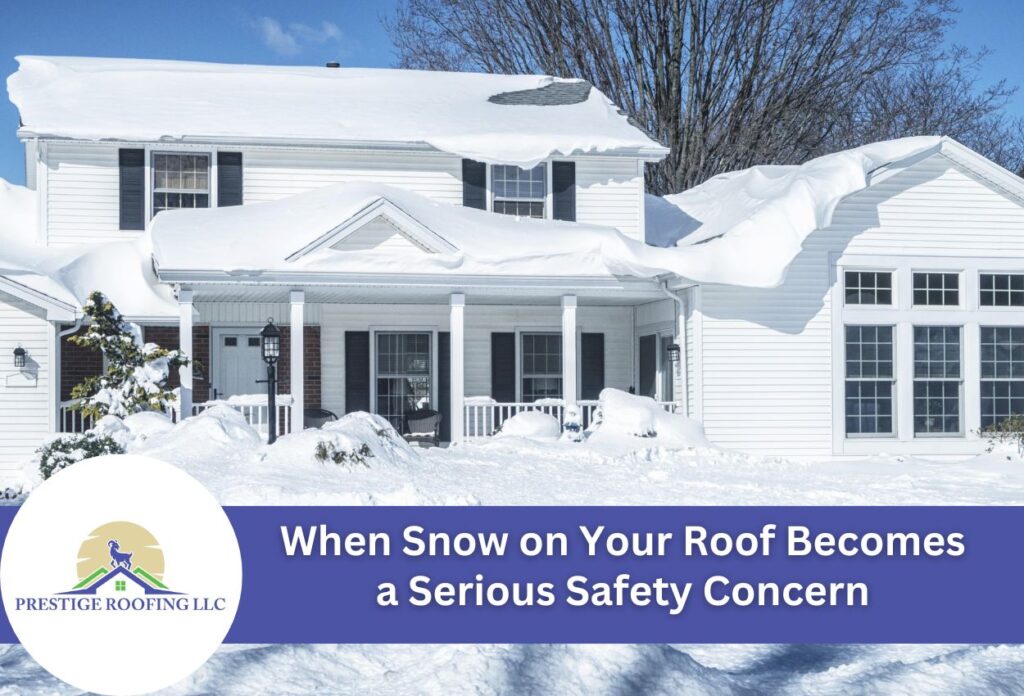
Snow accumulation on roofs poses legitimate safety risks that homeowners should never ignore. Understanding when to worry about snow on your roof can prevent catastrophic structural damage and protect your family’s safety during harsh winter months.
Most home roofs can support 20 to 25 pounds of snow per square foot, but this capacity varies significantly based on the age of the roof, construction materials, and existing structural conditions. Fresh snow typically weighs 5 to 12 pounds per square foot, while wet, heavy snow can reach 20 pounds per square foot or more. Ice adds considerable weight, creating dangerous load conditions that exceed design limits.
Warning signs include visible roof sagging, cracked walls or ceilings, doors that stick or won’t close properly, and creaking sounds from the structure. These indicators suggest the weight of snow on roof surfaces has reached dangerous levels requiring immediate attention.
Green Bay’s fluctuating winter temperatures create particularly hazardous conditions. Freeze-thaw cycles produce dense ice layers, while heavy lake-effect snowfall can rapidly increase roof loads beyond safe thresholds. Recognizing these risk factors helps homeowners make informed decisions about roof snow removal before emergencies develop.
Calculating Snow Weight and Your Roof’s Load Capacity
Determining the weight of snow on roof surfaces requires understanding basic measurement techniques and density variations throughout winter storms. Fresh powder snow typically weighs 3 to 5 pounds per cubic foot, while packed snow ranges from 15 to 20 pounds per cubic foot. Wet snow can reach 20 pounds per cubic foot, and solid ice weighs approximately 55 pounds per cubic foot.
To estimate snow load, multiply the depth in feet by the density factor, then by the roof area. For example, 2 feet of packed snow on a 1,000 square foot roof creates roughly 30,000 to 40,000 pounds of total weight. This simple calculation helps homeowners assess when heavy snow approaches dangerous levels.
Most residential roofs support 20 to 25 pounds per square foot, though older structures may handle significantly less. Buildings constructed before 1970 often have lower load capacities, while modern construction typically exceeds minimum standards. Signs of roof damage from snow include interior wall cracks, stuck doors, and structural creaking sounds.
Immediate action becomes necessary when snow depth exceeds 12 inches of heavy, wet snow or 24 inches of lighter snow. Professional roof snow removal prevents structural damage and eliminates conditions that promote ice dam formation.
Visual Signs Your Roof Is Struggling Under Snow Load
Recognizing the visual warning signs of excessive snow weight can prevent catastrophic roof failure and protect your property investment. Interior indicators often appear first, including persistent creaking or groaning sounds from overhead structures, particularly during temperature changes when snow settles and shifts.
Door and window alignment problems signal serious structural stress. When doors suddenly stick, won’t close properly, or gaps appear around frames, the building frame may be deflecting under snow load pressure. Similarly, new cracks in walls or ceilings indicate the structure is moving beyond normal tolerances.
Exterior red flags require immediate attention and potential roof snow removal. Visible sagging along rooflines, even slight drooping between rafters, suggests dangerous weight accumulation. Bent or pulled-away gutters indicate snow loads exceeding design limits, while icicles longer than 3 feet often accompany problematic ice dam conditions.
Water stains on interior walls or ceilings may indicate that ice dam prevention measures have failed, allowing moisture infiltration that compounds structural problems. These signs of roof damage from snow demand prompt professional evaluation to determine if emergency snow removal is necessary before more severe structural compromise occurs.
Ice Dam Formation and Prevention Strategies
Ice dams develop when uneven roof temperatures create dangerous freeze-thaw cycles that trap water and add substantial weight beyond normal snow accumulation. These formations occur when heated indoor air warms the roof deck, melting snow that refreezes at colder roof edges and gutters. The resulting ice barriers prevent proper drainage, creating pools of standing water that significantly increase structural loads.
The weight of snow on roof surfaces becomes particularly problematic when ice dams form, as trapped water can weigh up to 65 pounds per cubic foot. This concentrated weight often exceeds safe limits in localized areas, while leaks cause interior damage to insulation, drywall, and structural components.
Effective ice dam prevention requires addressing the root cause through improved attic insulation and ventilation systems. Proper insulation maintains consistent roof temperatures, while adequate ventilation allows cold air circulation that prevents snow from melting. Heated cable systems installed along roof edges and gutters provide additional protection by maintaining clear drainage paths.
Regular roof snow removal becomes essential when ice dams begin forming, as removing snow before it melts prevents the cycle from continuing. Professional assessment helps determine the most effective prevention strategies for specific roof configurations and local climate conditions.
Safe Snow Removal Techniques and When to Act
Effective roof snow removal requires proper tools and techniques that protect both personal safety and structural integrity. Roof rakes with telescoping handles allow homeowners to safely remove snow from ground level, pulling snow down rather than pushing it across the roof surfaces. Start removing snow from the roof edge and work upward in small sections, avoiding excessive force that could damage shingles or roofing materials.
DIY removal should only be attempted when conditions allow safe access and when snow depth remains manageable. Never attempt to climb onto snow-covered roofs, as hidden ice creates extremely dangerous conditions. Focus on removing snow from roof edges first to prevent ice dam formation, then work systematically across accessible areas using proper rake techniques.
Professional snow removal services become necessary when snow exceeds 2 feet in depth, when ice dams have formed, or when signs of structural stress appear. Complex roof designs, steep pitches, or multi-story buildings require specialized equipment and expertise that homeowners cannot safely provide. Additionally, situations involving power lines, fragile roofing materials, or compromised structural conditions demand professional intervention.
Emergency removal becomes critical when interior warning signs develop or when weather forecasts predict additional heavy snowfall on existing accumulations. Professional services have specialized tools and safety equipment necessary for complex removal situations.
Emergency Response When Your Roof Shows Distress
When your roof begins showing signs of structural distress from snow, immediate action can prevent catastrophic failure and protect your family’s safety. The priority should be to evacuate any areas directly beneath sagging sections or where ceiling cracks have appeared. Move furniture and belongings away from affected zones and restrict access until professional evaluation occurs.
Temporary support measures may help stabilize compromised structures while arranging emergency services. Interior support posts placed under sagging ceiling joists can redistribute weight, though this requires careful positioning to avoid creating additional stress points. However, these measures only provide short-term relief and should never replace professional structural assessment.
Emergency roof snow removal becomes essential when visual indicators suggest imminent failure. Contact professional snow removal services immediately, as they possess the specialized equipment and safety training necessary for dangerous conditions. Meanwhile, document all visible damage through photographs for insurance purposes, including interior cracks, sagging areas, and exterior deformation.
Weather conditions often complicate emergency repairs during active winter storms. Coordinate with roofing contractors who offer emergency services and can provide temporary protection through tarping or structural bracing. These professionals understand how to work safely in hazardous conditions while preventing further damage from ongoing precipitation or temperature fluctuations.
Long-Term Roof Protection and Winter Preparation
Proactive seasonal maintenance and structural improvements significantly enhance your roof’s ability to handle heavy snow loads during future winter seasons. Regular fall inspections should focus on identifying loose shingles, damaged flashing, and compromised gutters that could get worse under snow weight. Clearing gutters and downspouts prevents ice backup, while trimming overhanging branches eliminates additional debris accumulation that increases roof loads.
Attic insulation upgrades provide dual benefits by improving energy efficiency and maintaining consistent roof temperatures that prevent ice dam formation. Proper ventilation installation, including ridge vents and soffit vents, creates airflow that keeps roof surfaces cold and prevents the freeze-thaw cycles that create dangerous ice accumulations. These improvements directly address the conditions that make homeowners worry about snow on their roofs.
Working with experienced roofing professionals ensures an assessment of your roof’s current condition and load-bearing capacity. Professional evaluations identify structural weaknesses, aging materials, and design limitations that could compromise safety during heavy snowfall. Contractors can recommend specific reinforcement measures, updated materials, or preventive installations like heated cables that reduce winter-related risks.
Emergency Roof Snow Removal Services in Green Bay
If you’re noticing any of the signs that your roof is in distress due to snow accumulation, such as sagging rooflines, creaking sounds, or visible structural deformations, it’s important to act immediately to prevent potential damage or collapse. Waiting too long can be detrimental to the safety of your home and its inhabitants. Don’t risk assessing and removing heavy snow from your roof alone.
Contact Prestige Roofing LLC today at (920) 791-0414. Our team of experienced professionals is equipped to safely and efficiently handle the weight of snow on your roof, ensuring your home remains safe and secure throughout the winter season. Call now to schedule an urgent inspection or snow removal service!