 ×
×
From Serving Our Country
to Serving Your Roof
From Serving Our Country
to Serving Your Roof
Combined Locks homeowners deal with some of the most demanding weather conditions a roof can face. Winters here bring heavy snow, ice storms, and repeated temperature changes that gradually break down traditional asphalt shingles through cracking, curling, and separation. Ground snow in this region can reach 30 to 40 pounds per square foot, and heavy wet snow adds roughly 5 pounds per square foot for every inch of accumulation. That math adds up fast, and a roof that is not built for this kind of stress will show it. Beyond winter, summers bring heat, humidity, and severe thunderstorms with strong winds and hail that wear down roofing materials from the other direction. When a roof cannot handle what Wisconsin throws at it, leaks, structural strain, and expensive repairs follow.
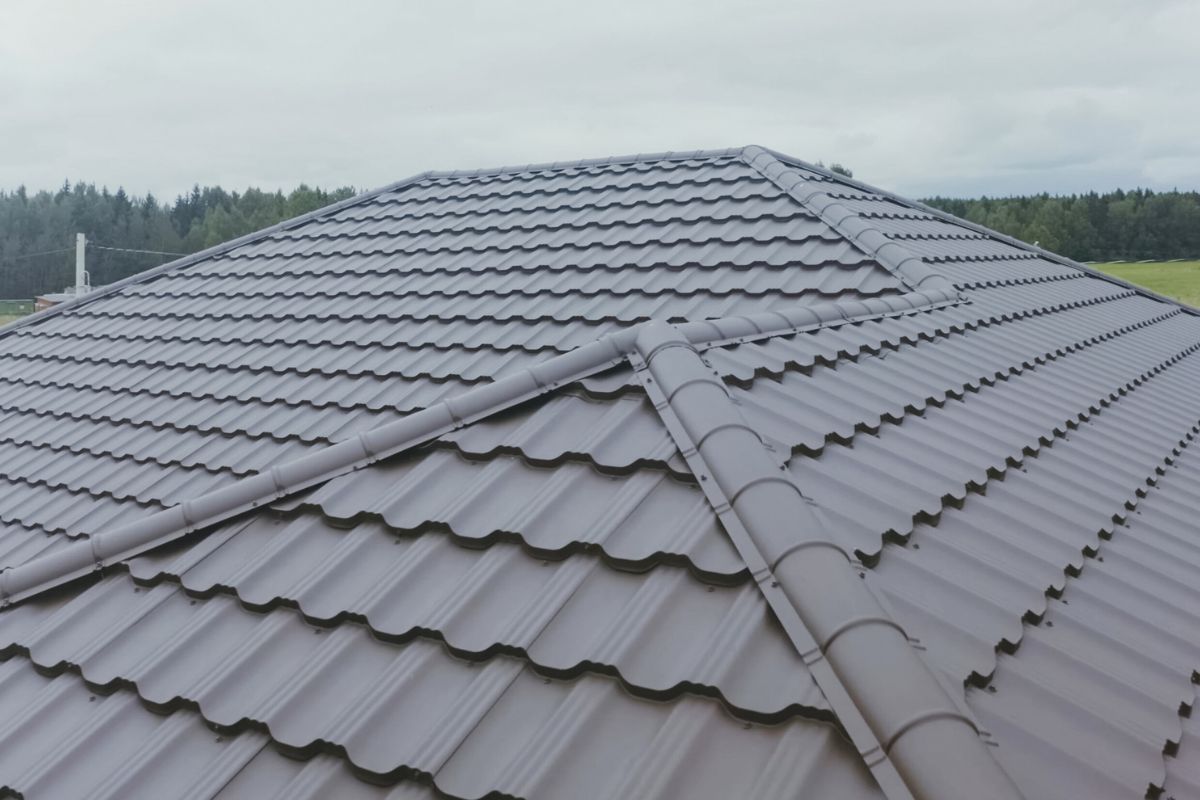
Metal roofing systems are engineered for exactly these conditions. It sheds snow efficiently, resists wind-driven rain, holds up against hail, and handles temperature changes without cracking the way asphalt does. Prestige Roofing LLC offers professional metal roofing systems in Combined Locks with the local knowledge to get every detail right, from proper underlayment and attic ventilation to fastening patterns that meet wind-resistance requirements. A well-installed metal roof protects your home for decades with far less maintenance than traditional materials, and that long-term durability is what makes it such a strong investment in your property here in northeast Wisconsin.
Knowing what happens during a metal roof installation helps you understand the work involved and what to expect throughout the project. Here is exactly how we handle the process from the initial inspection to the final walkthrough.
A metal roof performs best when every part of the system works together. In this region, that means going beyond just the panels themselves and paying close attention to the details that protect your home through heavy snow seasons, severe storms, and the repeated temperature changes Wisconsin winters deliver.
| System Element | Why It Matters Here | Local Consideration |
|---|---|---|
| Panel Gauge Thickness | Heavier gauge resists bending under snow weight and wind uplift | 26-gauge is often preferred over 29-gauge in high-snow and high-wind zones |
| Ice and Water Shield Underlayment | Blocks leaks where temperature changes cause ice to form and refreeze | Important along eaves, valleys, and around roof gaps |
| Screw Fastening Patterns | Screws hold panels firmly against upward wind pressure that nails cannot match | Local code requires roofs to resist at least 20 psf of upward force |
| Ridge and Soffit Ventilation | Keeps attic temperatures stable to reduce ice dam formation | Well-insulated, ventilated attics limit snowmelt that refreezes at eaves |
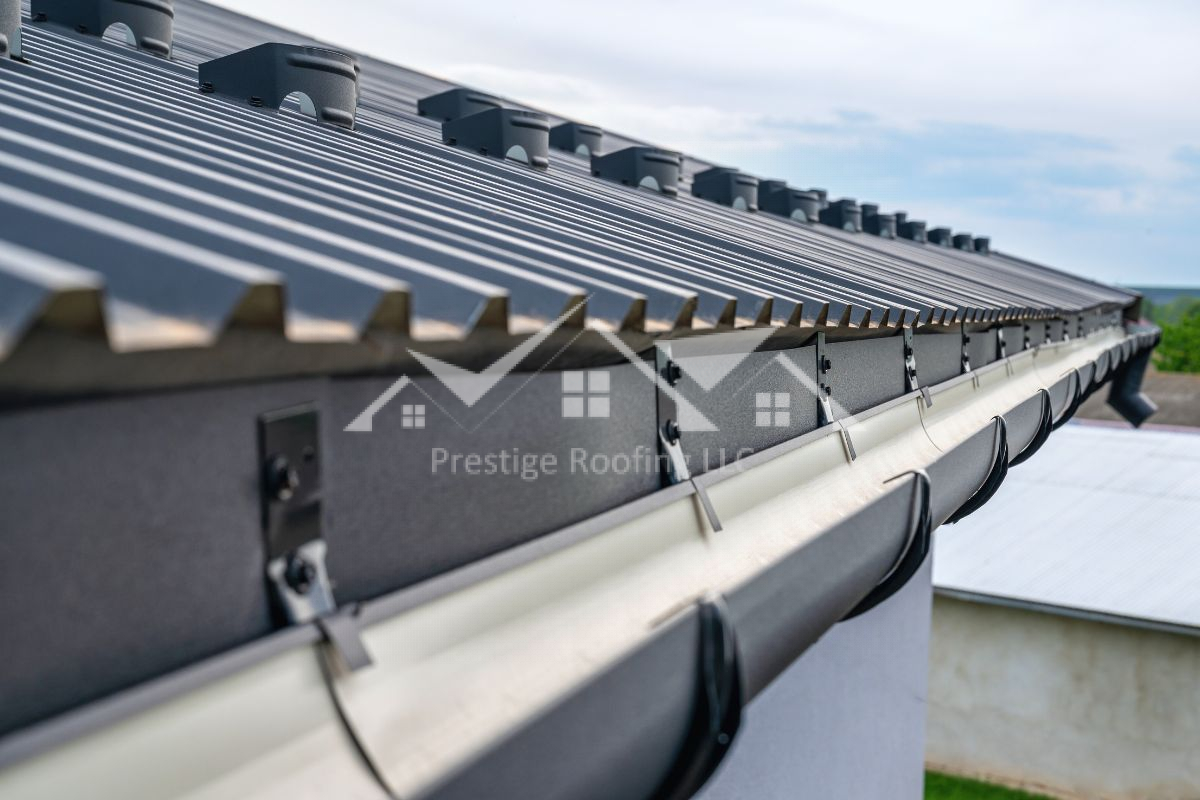
| Snow Guards | Prevent large sheets of snow from sliding off suddenly over entries and garages | Placement depends on roof slope and drainage paths specific to your home |
These are not optional upgrades. In Combined Locks, each of these elements plays a direct role in how your metal roof handles the conditions it will face every single winter. Getting them right from the start protects your investment and keeps your home performing the way it should for decades.
Every metal roof we install receives protective coatings designed to resist rust, surface oxidation, and damage from the repeated storms and temperature changes that Combined Locks sees year after year. Skipping this step shortens the life of the panels and invites surface deterioration that adds up over time.
A thermal break placed between the metal panels and the roof structure reduces heat transfer, helping your home stay warmer in winter and cooler during summer heat. In a climate that swings between subzero wind chills and humid summer afternoons, that temperature buffer makes a real difference in energy efficiency and interior comfort.
Every pipe, vent, chimney, and roof edge gets properly flashed and sealed to close off the spots where wind-driven rain and freezing moisture are most likely to work their way in. This is especially important here because sealants exposed to Wisconsin winters can crack or separate if they are not applied correctly with the right materials from the start.
Before panels go down, we confirm that your existing framing can handle the weight demands that come with a Wisconsin winter, including drift accumulation at parapets and sliding snow from upper roof sections onto lower areas. Catching a framing concern before installation protects your home from the kind of structural strain that heavy wet snow can quietly create over a season.
Wisconsin winters do not give roofs much room for error, and the conditions in Combined Locks are exactly the kind that separate a well-installed metal roof from one that causes problems season after season. A metal roofing system done right holds up through decades of heavy snow, punishing storms, and the steady wear of repeated temperature changes, all without demanding the kind of attention and repairs that traditional materials require. Getting ahead of winter with the right roof in place is one of the most practical decisions you can make for your home and your budget long-term.
If you are ready to move forward or just want to understand what metal roof installation would look like for your home, Prestige Roofing LLC is glad to help you get there. Reach out when you are ready, and we will walk you through the next steps.
Got questions about your roof? We’ve got answers. From maintenance tips to insurance claims and repair timelines, our FAQ section covers the most common concerns homeowners have. Get informed and make confident decisions about protecting your home.
This is one of the most common concerns we hear from homeowners here, and it is a fair one. When snow releases from a metal roof in large sheets, it can be startling and potentially dangerous over garage doors, entryways, or roof decks. The right snow guard placement, tailored to your specific roof slope and drainage paths, breaks up that movement and keeps snow from coming off all at once.
Freezing temperatures cause sealants to contract, and over multiple winters that repeated movement can lead to cracking, shrinking, or separation at edges and gaps. This is one of the spots worth checking each fall before snow arrives, because a small gap in flashing or sealant can let moisture work its way in under the freeze-thaw cycle and cause problems that go well beyond the surface of the roof. A quick pre-winter inspection catches these issues while they are still simple to address.
Not always, and this is something homeowners rarely think to ask. Homes with gable or hip configurations can develop drift accumulation where snow slides from a steep upper section onto a lower roof area, concentrating weight in ways the original framing may not have been built to handle. Verifying structural capacity before installation is a step that protects your home from the kind of slow-building strain that heavy, wet Wisconsin snow creates over an entire season.
Your Local Roofing Experts in Green Bay, WI