 ×
×
From Serving Our Country
to Serving Your Roof
From Serving Our Country
to Serving Your Roof
Combined Locks sits in eastern Wisconsin's Fox Valley, where roofs take a beating year after year. Long winters bring heavy snow, ice buildup at the eaves, and repeated temperature changes that work against asphalt shingles over time. Come spring, snowmelt can push water into small gaps that went unnoticed all season. Then summer storms roll through with high winds and occasional hail, loosening shingles and compromising seals in ways you often can't spot from the ground. For older single-family homes in the area, those conditions add up quickly, and a roof that looks fine from the driveway can already be showing signs of wear that lead to leaks, damaged roof decking, or worse.
A professional residential roof inspection gives you a clear picture of exactly where your roof stands before small problems turn into expensive repairs. Prestige Roofing LLC works with homeowners across Combined Locks and the surrounding Fox Valley area, bringing local knowledge of the specific conditions these roofs face. That means checking the details that matter most here: flashing around chimneys and gaps, shingle condition along the eaves where ice tends to form, granule loss on aging asphalt, attic ventilation that affects how long your shingles actually last, and moisture-prone areas that stay shaded or dry slowly due to nearby tree cover or the Fox River corridor's influence on local conditions.
Getting clarity on a roof inspection ahead of time helps the process move smoothly and without confusion. This is how Prestige Roofing LLC typically handles residential roof inspections from start to finish.
Timing your roof inspection well can mean catching problems before they turn into expensive repairs. In the Fox Valley, two windows stand out as especially practical: spring after snowmelt has passed, and late summer or early fall before the ground freezes and heavy snow returns.
| Inspection Timing | What It Targets | Why It Matters Here |
|---|---|---|
| Spring (after snowmelt) | Ice dam wear, hidden leak paths, flashing damage | Repeated temperature changes through winter can open small gaps that only show up once ice is gone |
| Late Summer or Early Fall | Wind-lifted shingles, granule loss, seal condition | Catches storm damage from summer and confirms the roof is ready before freeze-up |
| After Hail or High Winds | Bruised shingles, exposed nail lines, lifted edges | Storm damage is often invisible from the ground, but it accelerates leaks over time |
| Every 1 to 3 Years | Overall shingle condition, ventilation, and moisture points | Older asphalt shingle roofs in cold climates age faster without routine checks |
If your roof has older asphalt shingles, tree cover over any section, or areas near the roofline that dry slowly, more frequent inspections make sense. Findings from a professional inspection also give you a solid foundation if follow-up repairs or replacements require permits through the village's building administration process.
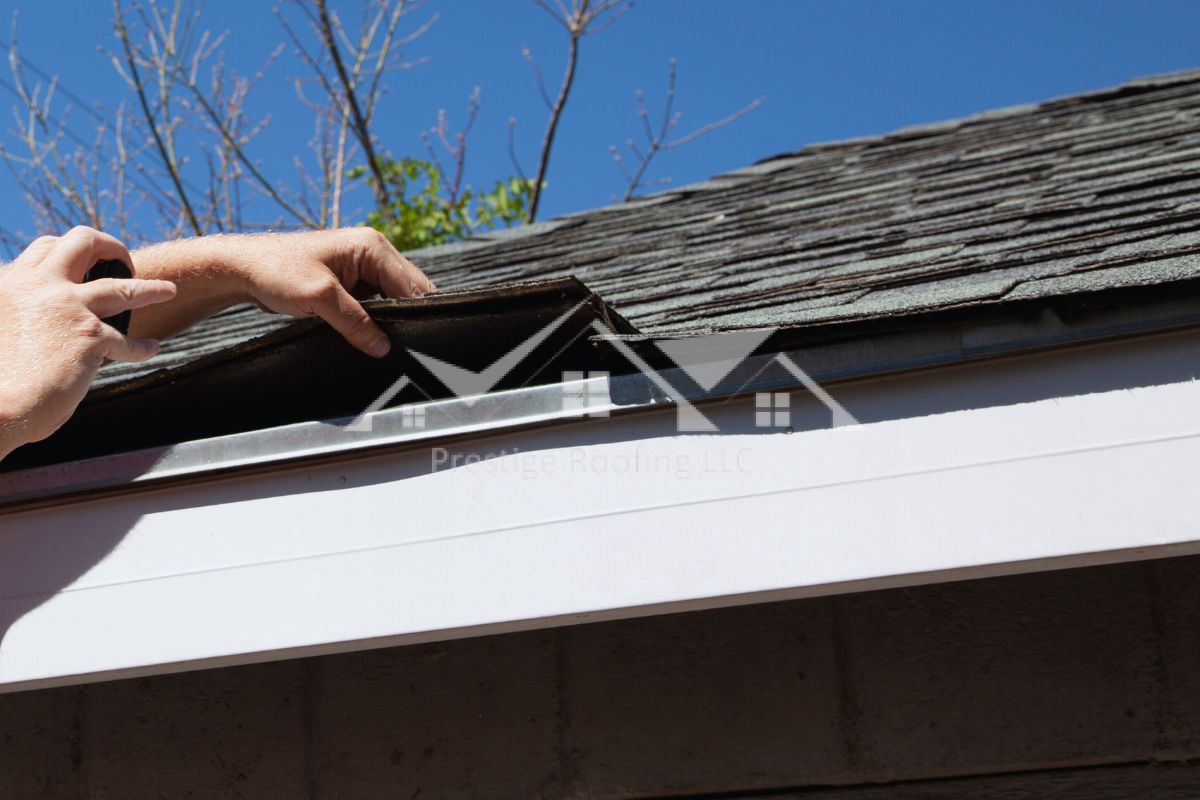
Beyond surface appearance, we look closely at granule loss, curling edges, brittle seal strips, and signs of accelerated aging that are common on asphalt shingles in cold-climate Wisconsin. Catching these details early tells you whether your roof has years of life left or is approaching the point where replacement planning makes more sense than repeated repairs.
Chimney joints, skylight curbs, vent pipe collars, and any spot where the roof surface meets another material are common entry points for leaks on Fox Valley homes. We inspect each of these areas carefully, since even minor gaps or separations in the flashing can allow water to work its way in well before any visible damage appears inside your home.
Poor attic ventilation traps heat and moisture in ways that quietly shorten shingle life and encourage mold growth during long Wisconsin heating seasons. Our inspection includes a look at ventilation conditions from inside the attic, so you get a complete picture of what is affecting your roof from both above and below.
Valleys, low-slope sections, and any roof area shaded by tree cover tend to dry slowly and hold moisture longer, which accelerates wear over time. We give these areas focused attention during the inspection, especially on homes near the Fox River corridor, where persistent moisture conditions can add to the effects of an already demanding climate.
Wisconsin winters are hard on roofs, and the wear they leave behind is not always obvious once the snow is gone. A professional inspection gives you a clear, honest picture of your roof's condition before small issues turn into expensive repairs, whether you are heading into fall or recovering from another tough season. For homeowners with older asphalt shingles, shaded roof sections, or areas that hold moisture longer than they should, staying on top of routine inspections is one of the more practical ways to protect your home and avoid surprises down the road.
Prestige Roofing LLC is familiar with the specific conditions Combined Locks roofs face, and we are straightforward about what we find. If your roof is in good shape, we will tell you. If something needs attention, you will know exactly what it is and why it matters. Reach out when you are ready to schedule, and we will take it from there.
Got questions about your roof? We’ve got answers. From maintenance tips to insurance claims and repair timelines, our FAQ section covers the most common concerns homeowners have. Get informed and make confident decisions about protecting your home.
Yes, it does. Sections of your roof that stay shaded longer hold moisture well after rain or snowmelt, which accelerates shingle aging and gives algae and moss a better chance to take hold. Homes near tree lines or along the Fox River corridor tend to see this more than properties with full sun exposure, so if any part of your roof dries slowly, more frequent inspections make practical sense.
Quite a bit, actually. When attic ventilation is poor, heat and moisture build up underneath your roof deck during Wisconsin's long heating season, and that trapped environment causes shingles to age faster from below, even when they look fine from outside. An inspection that only checks the roof surface misses this entirely, which is why reviewing ventilation conditions from inside the attic is a key part of getting an accurate picture of your roof's overall health.
A previous inspection only reflects conditions at that point in time, and a single hail event or strong wind storm can change things quickly. Shingle bruising, lifted edges, and loosened seal strips from storm damage are not always visible from the ground, but they create pathways for water that get worse with every rain after. Getting an inspection after bad weather is one of the more reliable ways to catch that kind of damage before it shows up as a leak inside your home.
Your Local Roofing Experts in Green Bay, WI