 ×
×
Living near Lake Winnebago means your home takes a beating that most properties never see. Wind gusts off the lake can push 20 to 30 mph during fall storms, and with roughly 50 inches of snow each winter, your siding is under near-constant pressure for months at a time. Add in the wide swing between freezing winters and humid summers, and you have conditions that crack older siding, drive moisture behind panels, and cause fasteners to corrode faster than they would in a less demanding climate. For the many Fond du Lac homeowners with mid-century bungalows, those original wood exteriors were never designed to hold up against decades of this kind of exposure, and the signs of wear tend to show up at the foundation line first, where clay-heavy soils keep moisture sitting against the wall.
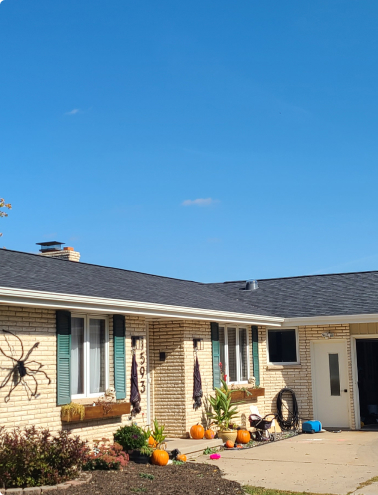
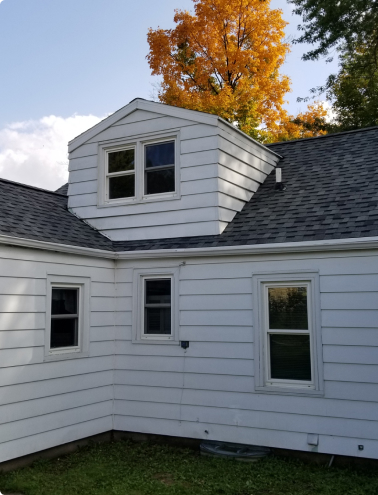
Professional siding installation addresses more than just how your home looks. It's about replacing a failing barrier with materials and fastening methods built for this specific environment. At Prestige Roofing LLC, we work with homeowners across Fond du Lac County who want siding that handles temperature changes without buckling, sheds moisture instead of trapping it, and stays secure when the lake wind picks up. Whether you're updating a 1950s bungalow with brick accents or replacing worn aluminum on a newer build, the right installation makes a real difference in how well your home holds up year after year.
If you've never had siding replaced before, it helps to understand the process in advance. Here is how it typically proceeds from initial review to completion.
Choosing the right siding material for your home is more than a style decision. In this area, the combination of lake humidity, heavy winter snow, and strong seasonal winds narrows down your best options quickly. Here's how the most common materials hold up under local conditions.
| Material | Strengths for Fond du Lac | Key Consideration |
|---|---|---|
| Vinyl | Resists temperature changes without cracking when installed with proper expansion gaps; low maintenance | Requires precise gap allowances to avoid buckling after early frost |
| Fiber Cement | Handles hail impact well, resists moisture and mold, and holds paint longer in humid conditions | Heavier material; needs careful fastening to meet county wind zone standards |
| Aluminum | Prefinished panels reflect summer heat: widely available locally | More prone to fastener corrosion near the lake: ventilation behind panels is important |
For homes with brick accents, which are common on Fond du Lac's mid-century bungalows, your material choice also affects how well the new siding ties into existing masonry. Fiber cement tends to complement brick profiles cleanly, while vinyl offers more flexibility in color matching. Whatever direction you go, the installation method matters just as much as the material itself, especially along foundation lines where drainage and soil moisture create the most risk for long-term rot.
Lake humidity accelerates mold growth and fastener corrosion when moisture gets trapped behind siding with no place to escape. Proper ventilation channels built into the installation let your walls breathe, which protects the structure underneath and extends the life of your new siding.
Standard code minimums aren't always enough for homes near Lake Winnebago, where fall wind gusts regularly hit 20 to 30 mph. We follow Fond du Lac County wind zone standards with reinforced fastening patterns that keep panels secure through the kind of sustained wind pressure this area sees every year.
Clay-heavy soils in Fond du Lac County hold moisture against the base of your walls longer than most people realize, and that's where rot tends to start. We address drainage concerns and apply careful sealing at the foundation line during installation so new siding doesn't repeat the same failure pattern as what it replaced.
Many Fond du Lac bungalows from the 1940s through 1960s have original brick accents that need to work visually and structurally with new siding. We plan the transition points carefully so new panels meet existing masonry cleanly, without gaps, misaligned profiles, or visible patching that makes the update look incomplete.
Fond du Lac's winters are long, and the humidity off the lake doesn't let up in summer either. That combination puts real stress on your home's exterior year after year, and siding that was marginal 5 years ago is often failing outright by now. New siding installed correctly for this area protects the structure underneath, keeps moisture where it belongs, and adds lasting value to your property without requiring constant attention once the job is done.
If you've been putting off replacing worn or damaged siding, this is a good time to take the next step. Prestige Roofing LLC is familiar with homes throughout the Fond du Lac area and the conditions they deal with, from lakeside wind exposure to the clay soils that sit against older foundation lines. Reach out when you're ready, and we'll take a look at what you're working with.
Got questions about your roof? We’ve got answers. From maintenance tips to insurance claims and repair timelines, our FAQ section covers the most common concerns homeowners have. Get informed and make confident decisions about protecting your home.
Yes, and it's one of the details that separates a properly installed job from one that fails early. Homes near Lake Winnebago see sustained wind gusts that push panels in ways standard fastening patterns aren't always designed to handle. Fond du Lac County wind zone standards require reinforced nailing schedules in this area, and skipping those requirements is one of the more common reasons siding loosens or lifts after a rough fall season.
Aluminum siding often hides rot and moisture damage behind it, especially along the foundation line where soil drainage is poor. Before new siding goes on, it's worth having the sheathing and framing underneath inspected carefully, because problems found at that stage are far less expensive to address than ones discovered after installation is complete. Homes in Fond du Lac County with clay-heavy soil are particularly prone to this kind of hidden damage at the base of the wall.
Most homeowners don't think to ask this, but material acclimation actually matters in a market with temperature swings as wide as Fond du Lac's. Vinyl in particular needs to stabilize to ambient conditions before panels are cut and fastened, early frost or a sudden temperature drop can cause buckling shortly after installation. A crew familiar with local conditions will account for this as part of scheduling, especially for jobs that run into late summer or early fall.
Your Local Roofing Experts in Green Bay, WI