 ×
×
From Serving Our Country
to Serving Your Roof
From Serving Our Country
to Serving Your Roof
Green Bay winters are not gentle. Temperatures stay below freezing for months, heavy snow builds up on rooftops, and the lake-effect patterns coming off Lake Michigan push that seasonal weight even higher than most of Wisconsin sees. Then spring arrives, and the cycle of melting and refreezing begins, putting serious stress on roof edges and seams. If your home is one of the many mid-century Ranch or Cape Cod styles built across Brown County in the 1950s and 1960s, there is a good chance the original roofing materials were never designed to hold up through decades of this kind of weather. Aging asphalt shingles crack, curl, and eventually let water through, and what starts as a minor leak can quietly work its way into the structure of your home before you notice anything wrong.
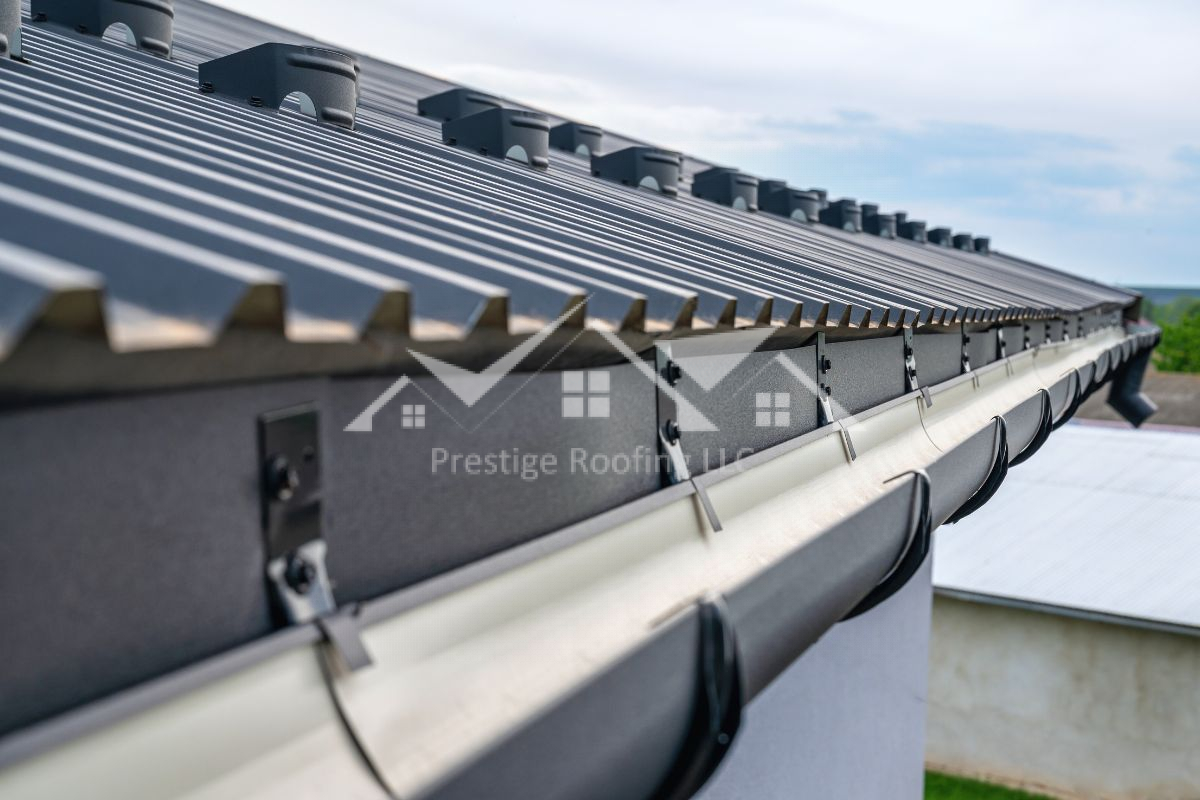
Metal roofing addresses these challenges in ways that traditional materials simply cannot match. Its smooth surface sheds snow and ice far more efficiently than asphalt, which reduces the conditions that allow ice dams to form at roof edges. Wind resistance is another real advantage here, especially in a market where gusts can reach 120 mph and annual precipitation hovers around 35 inches.
Prestige Roofing LLC works specifically in the Green Bay area, and that local experience shapes how every metal roof installation is planned and executed, from fastening patterns to drainage design, all built to meet the needs of northeast Wisconsin weather.
Knowing what to expect before work begins makes the whole process easier. Here is exactly how Prestige Roofing LLC handles a metal roof installation from the first visit to the final walkthrough.
Choosing the right metal roofing system matters more in Green Bay than in many other markets. The combination of heavy snow, repeated temperature changes throughout the year, and wind that can put real stress on fasteners and seams means the system you choose should be matched to those specific needs, not just selected from a general catalog.
| Roofing System | How It Handles Green Bay Conditions | Best Suited For |
|---|---|---|
| Standing Seam Panels | Raised seams resist wind uplift and allow panels to expand and contract with temperature changes without loosening fasteners | Homes with simple to moderately complex rooflines |
| Exposed Fastener Panels | Secure attachment at closer intervals provides solid performance under heavy snow; fasteners should be inspected periodically | Steeper-pitched roofs where drainage is less of a concern |
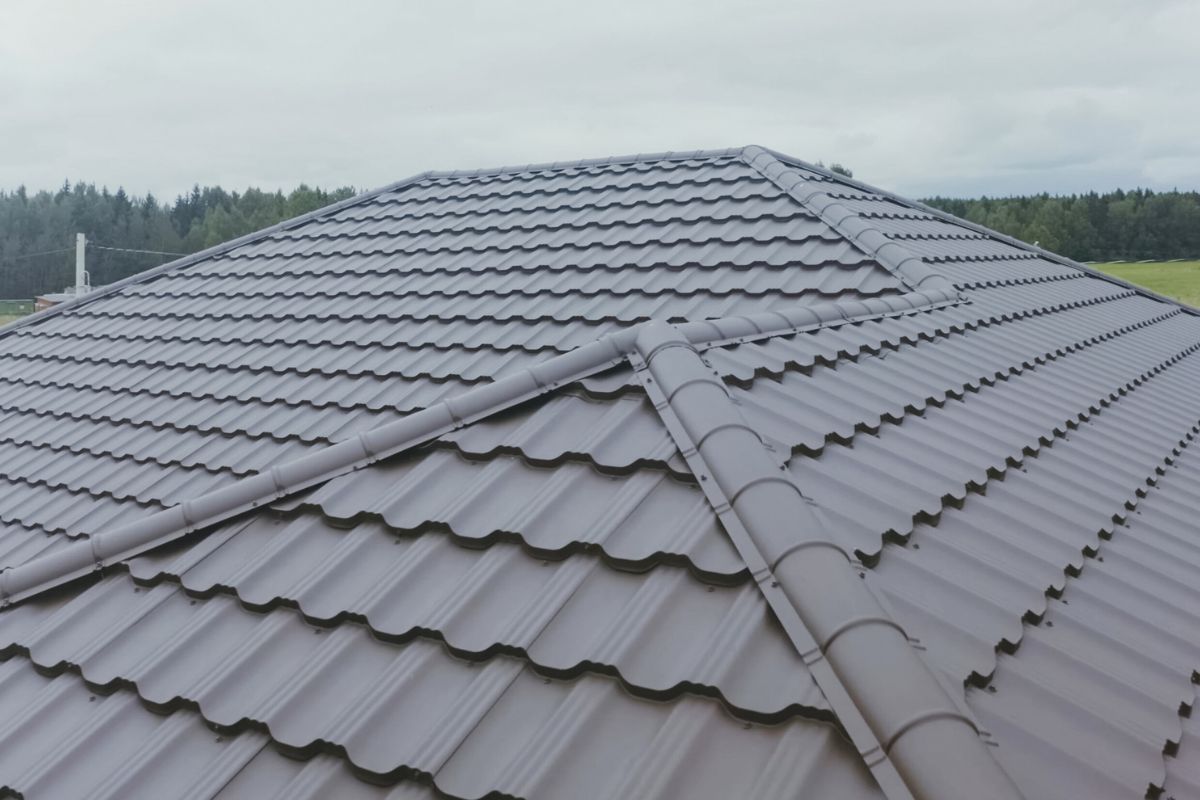
| Metal Shingle Profiles | Interlocking design distributes uneven snow weight and sheds ice more efficiently than traditional asphalt shingles | Mid-century Ranch and Cape Cod homes are common across Brown County |
Each of these systems handles the region's weather patterns differently, and the right choice depends on your roof structure, pitch, and what your home currently has in place. Prestige Roofing LLC will walk you through which option fits your specific situation before any work is planned.
A metal roof is only as good as what is underneath it. Before any panels go on, your roof deck is inspected for soft spots, rot, or structural issues that would compromise the finished installation, and a proper underlayment is installed to create a moisture barrier between the metal and your home's structure.
Valleys, chimneys, vents, and roof edges are where leaks most often start, especially in Green Bay, where repeated temperature changes and ice dam conditions put constant pressure on those joints. Every transition point on your roof receives purpose-fitted metal flashing, sealed and fastened to hold up through harsh winters rather than just pass a quick visual check.
Green Bay's wind exposure means fastener placement is not a one-size-fits-all detail. Your installation uses fastening patterns designed to meet the wind performance standards required by local building codes, with closer spacing along edges and ridges where uplift force is greatest.
Many mid-century homes across Brown County were built with ventilation systems that were not designed around metal roofing, and a mismatch can trap heat and moisture in your attic year-round. Before the job is finished, we confirm that your ventilation setup works with the new roofing system so you are not trading one problem for another down the road.
Green Bay puts its roofs through a real workout every year. The months of freezing temperatures, the weight that builds up from repeated snowfall, the wind off the lake, and the wet springs that follow all take a toll on materials that were never built for this kind of longevity. A metal roof is one of the few upgrades you can make to your home that genuinely pays for itself over time, not just in avoided repairs, but in the confidence of knowing your roof is not something you will need to revisit for decades.
If you are ready to move forward or just want a clearer picture of what metal roof installation would involve for your home, Prestige Roofing LLC is here to help you figure that out. We proudly serve homeowners across the Green Bay area and are ready to start with a straightforward conversation about your roof and what makes sense for your situation.
Got questions about your roof? We’ve got answers. From maintenance tips to insurance claims and repair timelines, our FAQ section covers the most common concerns homeowners have. Get informed and make confident decisions about protecting your home.
It does, and it is one of the details that separates a locally experienced crew from a general contractor. Lake-effect patterns off Lake Michigan can dump heavy, uneven snow accumulation across different sections of the same roof, which puts asymmetrical stress on seams and fasteners. Proper panel seaming and fastener spacing account for that uneven weight distribution in a way that a standard installation pattern simply does not address.
In many cases, metal roofing can go over existing shingles if the deck underneath is structurally sound, which saves time and reduces disposal costs. However, in Green Bay, where aging mid-century homes often have roof decking that has seen decades of temperature changes and moisture stress, we typically find issues worth correcting before new panels go on. Covering up a compromised deck traps problems rather than solving them, so the condition of what is underneath always drives that decision.
Metal expands and contracts with temperature changes, and in a market that swings from sub-zero winters to humid summers, that movement is significant. Roofing systems designed for this region use floating fastener systems and panel profiles that allow natural movement without loosening connections or creating gaps at seams over time. Installations that do not account for this end up with fastener pull-through or seam separation within a few years, which is why the fastening method matters as much as the panel material itself.
Your Local Roofing Experts in Green Bay, WI