 ×
×
From Serving Our Country
to Serving Your Roof
From Serving Our Country
to Serving Your Roof
Green Bay winters are no joke. Temperatures drop hard, snow piles up, and the cold has a way of finding every weak spot in your home's exterior. Older windows are often the first place that shows. If your home has windows that are 20 to 30 years old, or builder-grade units that were never built to last, you may already be noticing the signs: drafts near the frames, condensation trapped between the panes, or heating bills that seem higher than they should be. Those aren't minor annoyances. There are signs that your windows are no longer doing their job, and in a climate like Green Bay's, that gap in performance adds up fast over a long heating season.
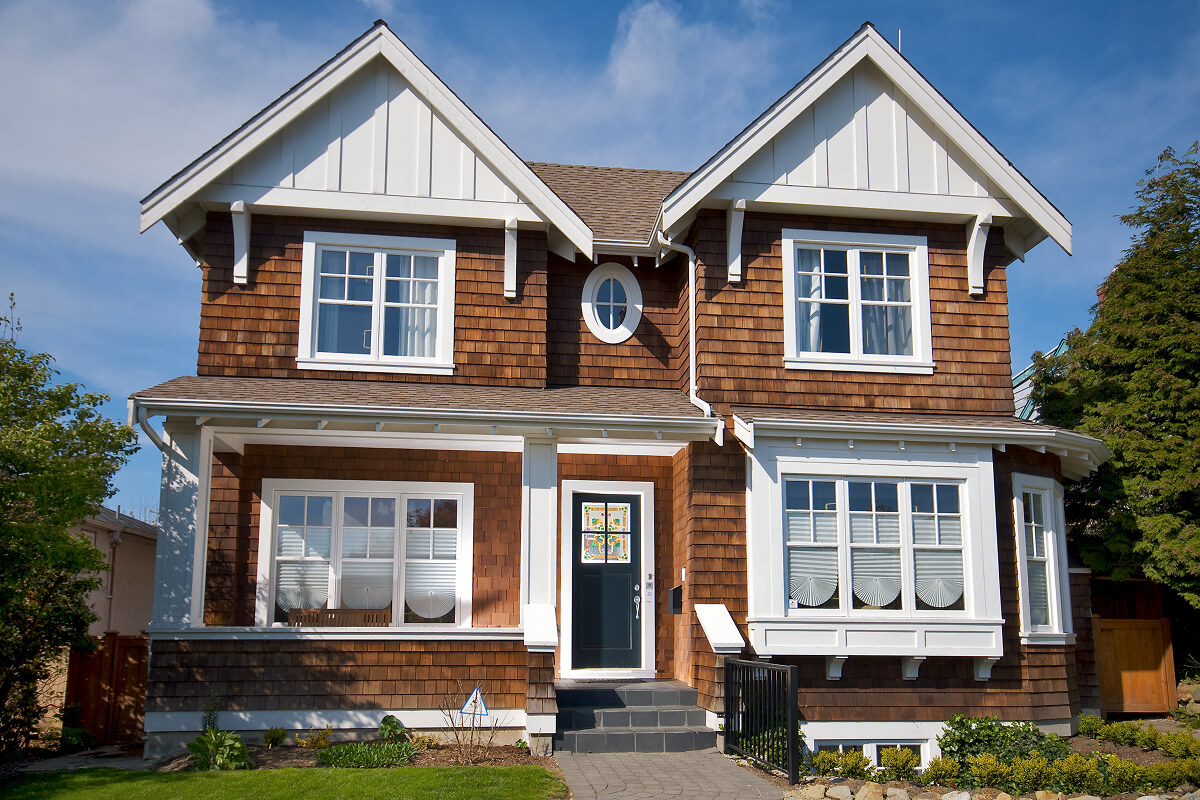
Replacing your windows is one of the most direct ways to improve comfort and protect your home against the kind of weather Northeast Wisconsin delivers year after year. Tighter seals, better insulation, and durable frame materials make a real difference when temperatures fall and wind picks up. At Prestige Roofing LLC, we work with Green Bay homeowners on window replacement projects that address the specific demands of this region, whether you're dealing with failing sashes, deteriorating frames, or glass that's simply past its useful life. Getting the right windows installed correctly matters here, and that's exactly what we focus on.
For homeowners who have not gone through window replacement before, the process can feel unclear at the start. This outlines how the work is typically handled from initial contact through final inspection.
Not every window is built to handle what Green Bay winters demand. Picking the right glass, frame, and performance ratings upfront is what separates a window that holds up for decades from one that starts failing within a few years. Here's a look at the key factors worth understanding before you make a decision.
| Factor | What It Means | Why It Matters in Green Bay |
|---|---|---|
| U-Factor Rating | Measures how much heat escapes through the window | A low U-factor keeps more warmth inside during long, cold periods |
| Triple-Pane Glass | Three layers of glass with insulating gas between each layer | Reduces heat loss and handles repeated temperature changes better than a double-pane window |
| Low-E Coatings | A thin coating that reflects heat into the room | Recommended for cold-climate homes to improve efficiency and reduce drafts |
| Whole-Unit Performance Ratings | Efficiency is measured across the entire window, not just the center glass | Gives a more accurate picture of real-world performance once installed |
| ENERGY STAR Certification | Meets federal efficiency standards for your climate zone | May qualify for Wisconsin or federal energy-efficiency incentive programs |
Frame material and installation quality tie all of these factors together. Even the best-rated window underperforms if it isn't sealed and fitted correctly, which is why getting the specs right and the installation done properly are equally important steps for Green Bay homeowners.
Not every window replacement project requires tearing out the entire frame. If your existing frames are structurally sound, an insert replacement fits new sash and glass into the original opening without disturbing the surrounding trim or interior finish, which keeps the project cleaner and faster. When frames have been compromised by moisture or age, a full-frame replacement gives you a fresh start and a tighter, more durable result.
The window unit itself is only part of the equation. Proper air sealing around the frame and correctly installed flashing at the exterior are what keep wind-driven moisture and cold air from working their way in over time. In Green Bay's climate, where wind exposure and winter moisture are real factors, these details directly affect how long your new windows hold up and how well they perform.
Locks, sash lifts, balance systems, and tilt mechanisms are replaced as part of the new window unit, not carried over from your old windows. Worn or failed hardware is one of the more common reasons older windows stop operating smoothly, and having fully functional hardware from day one means your windows close tight and seal the way they're designed to.
Better-insulated window systems do more than hold heat in. They also reduce the amount of outside noise that passes through the glass and frame, which matters in areas with wind exposure or street traffic. If your current windows are single-pane or have failed seals, the difference in ambient noise after replacement is often noticeable right away.
Green Bay's long heating season and persistent winter conditions put real pressure on windows that are past their prime. New windows with proper air sealing and the right performance ratings reduce drafts, ease the strain on your heating system, and make the inside of your home noticeably more comfortable when temperatures outside fall hard. That kind of improvement is practical and lasting, especially in a climate where your windows are working against the cold for a good portion of the year.
If you've been putting off a window replacement because the process felt uncertain or complicated, we hope this page helped clear that up. Prestige Roofing LLC works with homeowners in the Green Bay area to get the right windows selected, installed correctly, and finished to a standard you can feel every day. When you're ready to take the next step, we're straightforward to reach and happy to answer questions before any commitment is made.
Got questions about your roof? We’ve got answers. From maintenance tips to insurance claims and repair timelines, our FAQ section covers the most common concerns homeowners have. Get informed and make confident decisions about protecting your home.
Timing does matter here. Installation during late spring through early fall gives the sealants and flashing materials the best conditions to cure and bond properly, which directly affects long-term performance. Cold temperatures can interfere with how certain materials set, and working through snow or ice creates challenges that mild weather simply doesn't. That said, if a window has failed badly enough to let in cold air or moisture, waiting until spring is not always the right call.
A center-of-glass rating only measures efficiency through the middle of the pane, which is the easiest part of the window to insulate well. A whole-unit rating accounts for the entire installed window, including the frame and edges, where most of the real-world heat loss actually happens. For a Green Bay home running the heat for a large portion of the year, buying based on center-of-glass numbers alone can leave you disappointed with how a window actually performs once it's in the wall.
The key factor is whether you're replacing the window unit within an existing, unmodified opening or changing the size of that opening in any way. Straight-swap replacements that leave the framing untouched typically fall outside permit requirements, but projects that alter the rough opening, affect egress, or involve structural framing changes usually trigger a permit review. Your contractor should be able to tell you upfront which category your project falls into based on what the inspection turns up.
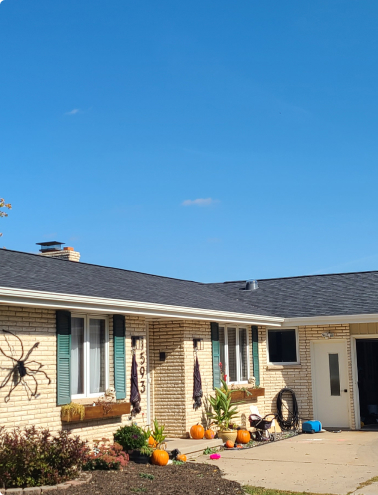
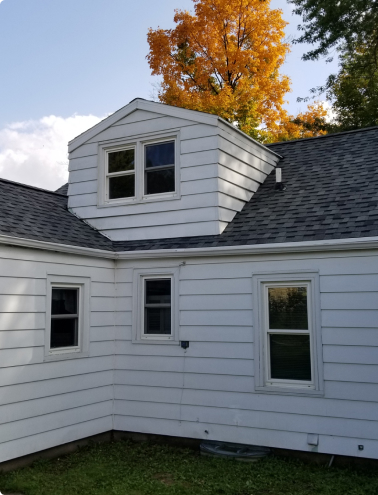
Your Local Roofing Experts in Green Bay, WI