 ×
From Serving Our Country
to Serving Your Roof
From Serving Our Country
to Serving Your Roof
Hobart winters are no joke. With nearly 60 inches of snowfall in a typical year and temperatures that can drop well below freezing, your roof takes a serious beating from October through early spring. Snow piles up, ice dams form along the edges, and repeated temperature changes put constant pressure on flashing, vents, and shingle edges. When a storm rolls through, or a warm stretch triggers a fast thaw, small vulnerabilities turn into active leaks faster than most homeowners expect. The longer water sits inside your roofing system, the more damage it does to insulation, ceilings, and the structure beneath.
That's where fast, reliable emergency roofing service makes a real difference. Getting a professional on your roof quickly to dry things in and stop the spread of water can protect your home from repairs that grow much larger over time. Prestige Roofing LLC works with Hobart homeowners who need help right now, not a week from now. Whether a storm tore up shingles, ice dam pressure pushed water under the edge, or a nagging soft spot finally gave way, the goal is always the same: stop the damage, protect your interior, and get your roof stable again.
When your roof is actively leaking or damaged, the last thing you need is uncertainty about what happens next. Here is exactly how Prestige Roofing LLC handles emergency roofing calls from start to finish.
Hobart's winters create specific conditions that push roofs to their limits. Ice, wind, and repeated temperature changes work together to open up weak spots that might have stayed quiet through a milder season. Knowing what typically causes emergency calls can help you catch problems before they get worse.
| Issue Type | Common Cause | Why It Gets Urgent |
|---|---|---|
| Ice dam leaks | Snow melts and refreezes along roof edges | Water backs up under shingles and reaches ceilings and insulation |
| Wind-lifted shingles | Wind uplift pressure separates shingles at edges and ridges | Exposed underlayment and roof decking take on water quickly |
| Flashing failures | Temperature changes loosen seals around vents, chimneys, and skylights | Small gaps allow water to travel into wall cavities unseen |
| Heavy snow stress | Snow buildup concentrates weight at roof transitions and valleys | Structural strain can cause roof decking damage or sudden failure |
| Soffit and eave damage | Wind and ice impact roof edge details | Water enters the attic and wall framing before visible interior signs appear |
If a permit is required for structural repairs tied to emergency work, Hobart's building and code compliance process will apply. Prestige Roofing LLC will let you know when that step is part of the work needed on your home.
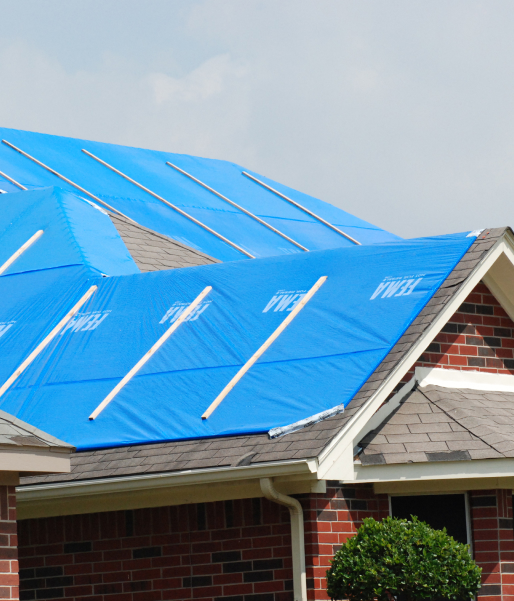
When conditions prevent a full repair right away, we use heavy-duty tarping and waterproof barrier materials to seal off exposed areas and keep water out of your home until permanent work can be done. This protection holds up through rain, wind, and freezing temperatures so your interior stays dry while we plan the next step.
Roof openings around chimneys, vents, skylights, and pipe gaps are some of the first places where temperature changes and ice pressure open up leaks in Hobart's climate. Emergency repairs to these details use compatible sealants and metal flashing to close gaps that allow water to reach wall cavities and framing before you ever see signs inside.
Wind uplift commonly breaks the seal along shingle edges and ridge caps, leaving your underlayment and roof decking exposed to whatever comes next. Replacing or re-securing these areas quickly reduces the chance of water soaking into your roof decking and turning a surface repair into something that requires structural work.
After visible damage is addressed, we check the condition of your underlayment and roof decking in the affected area to make sure no hidden moisture has already worked its way into the structure. Catching soft or saturated roof decking at the emergency stage protects your insulation, ceiling framing, and interior finishes from damage that adds up over time.
Wisconsin winters are hard on roofs, and homeowners in this area know that better than most. Between heavy snowfall, persistent ice, and the repeated thawing and refreezing that comes with late-season weather, your roof faces real stress for months at a time. Acting quickly when something goes wrong protects your home from the kind of damage that grows quietly behind ceilings and inside walls long before you notice it inside your living space.
Prestige Roofing LLC is ready to help when you need it most. If you are seeing signs of a leak, have visible roof damage, or just want someone to take a look before conditions get worse, reaching out is the right first step. No pressure, just honest help from a team that knows what Hobart roofs go through every season.
Got questions about your roof? We’ve got answers. From maintenance tips to insurance claims and repair timelines, our FAQ section covers the most common concerns homeowners have. Get informed and make confident decisions about protecting your home.
It depends on the scale of the repair. Temporary dry-in work and minor patching typically do not require a permit, but if the damage extends to structural roof decking or involves a partial roof replacement, Hobart's building and code compliance process does apply. Prestige Roofing LLC will let you know upfront whether permitted work is part of the repair so there are no surprises after the job is done.
Yes, it changes things. Ice dam water enters from the bottom edge of the roof and travels horizontally under the shingles, which means the actual entry point is often well away from where you see the wet spot on your ceiling. Identifying the true path water took is a key part of the inspection, because patching only what is visible at the surface can leave hidden moisture behind in your insulation or wall framing.
Late fall is the most important window. Once consistent freezing temperatures arrive, sealants and underlayment materials need warmer conditions to bond correctly, and working on an icy roof introduces real safety challenges. Catching damage before the ground freezes gives you far more repair options and typically leads to a faster, cleaner fix than waiting until spring.
Your Local Roofing Experts in Green Bay, WI