 ×
From Serving Our Country
to Serving Your Roof
From Serving Our Country
to Serving Your Roof
Kronenwetter winters are no joke. Between heavy snow, wind-driven ice, and the repeated temperature changes that come with central Wisconsin's cold season, your roof takes a beating from late fall straight through early spring. Then summer arrives with its own set of problems: heavy rainstorms in June and July that can drive water into any weak point your roof has. Whether it's a missing shingle after a storm, a leak around a chimney or valley, or ice buildup along your eaves that's forcing water under your shingles, roof damage here rarely shows up at a convenient time.
The trouble with roof problems in this area is how fast they can spread. Water that gets past your shingles doesn't stay on the roof. It moves into attic insulation, ceiling drywall, walls, and garage areas before you even know there's a problem. In winter, that process can keep going as snow slowly melts off a warmed roof deck, even after the storm has passed. A slow drip becomes a real headache fast, especially in an owner-occupied home where the interior finishes are yours to protect.
Prestige Roofing LLC works with Kronenwetter homeowners in exactly these situations. When something goes wrong with your roof in the Kronenwetter area, the goal is to stop the damage quickly, protect the interior, and get a clear picture of what needs to be repaired before more weather rolls in.
When a roof is leaking or damaged, the immediate priority is limiting further damage and determining what needs attention. Prestige Roofing LLC focuses on stabilizing the situation first, then evaluating the roof and addressing the repairs that are actually needed.
Not every roof emergency looks the same, and in central Wisconsin, the cause usually depends on the season and where your roof is most vulnerable. Knowing the most common failure points can help you describe what you're seeing when you call and understand what we're looking for when we inspect your roof.
| Roof Area | Common Emergency Issue | Typical Cause |
|---|---|---|
| Eaves and gutters | Ice dam leaks | Uneven roof deck temperature causes snow to melt and refreeze at the roof edge |
| Valleys and low-slope sections | Water pooling and leaks | Snow accumulation and rapid melting overwhelm drainage |
| Flashing around chimneys and vents | Lifted or separated flashing | Wind, temperature changes, and aging sealant |
| Field shingles | Missing or torn shingles | High winds during summer storms or winter winds |
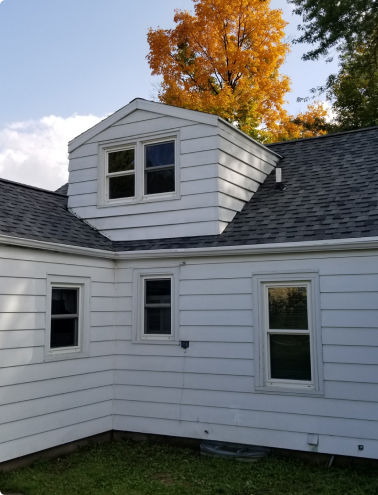
| Dormers and roof transitions | Leaks at wall and roof joints | Water channeling from upper roof sections during heavy rain or snowmelt |
Most of these failure points are easy to miss from the ground, especially when snow is covering the surface of the roof. That's why a complete inspection after temporary protection is in place often turns up more than one issue. Catching everything at once keeps you from dealing with a second leak a few weeks after the first repair is done.
When a storm tears open part of your roof, or a leak is actively spreading, getting a weatherproof tarp or dry-in covering over the damaged area is often the first move. This stops water from reaching your ceilings, insulation, and walls while permanent repairs are being planned, which matters a lot during Kronenwetter winters when snow can keep melting on a warmed roof for days after a storm clears.
Heavy snow buildup and ice along eaves are a regular part of winter roof emergencies in central Wisconsin, and addressing them is often part of the emergency service itself. Clearing excess snow and ice from vulnerable areas like low-slope sections and gutters reduces the pressure on your roof and helps prevent leaks from continuing after the initial repair is made.
Lifted or separated flashing around chimneys, vents, and dormers is one of the most common entry points for water during both summer downpours and winter winds. Emergency flashing repair involves reattaching and resealing those metal connections so water no longer has an open path into the roof deck or your home's interior.
Missing or torn shingles leave the underlayment and roof deck exposed to rain, snow, and wind, and that exposure can cause damage to spread fast. Emergency shingle replacement focuses on covering those exposed sections with properly matched material, restoring a watertight surface before the next round of weather arrives.
Central Wisconsin weather doesn't give your roof much of a break. From winter winds and heavy snow to the soaking summer rainstorms that move through in June and July, there's rarely a season where your roof isn't being tested. When something fails, acting quickly is what keeps a localized problem from spreading into your attic, ceilings, or walls. Getting that damage addressed fast protects your home and keeps repair costs from growing into something much larger.
Prestige Roofing LLC is ready to help homeowners in and around Kronenwetter work through exactly these situations. Whether you're dealing with an active leak, missing shingles after a storm, or something you're not quite sure how to describe, reaching out is the right first step. We'll take a look, explain what we find, and help you get your roof back in solid shape.
Got questions about your roof? We’ve got answers. From maintenance tips to insurance claims and repair timelines, our FAQ section covers the most common concerns homeowners have. Get informed and make confident decisions about protecting your home.
A properly installed tarp or dry-in covering is designed to get you through incoming weather, not last a full season. In central Wisconsin winters, where snow can keep melting on a warmed roof deck for days, and wind can pick up without much warning, the quality of that temporary protection really matters. We secure tarping in a way that accounts for those conditions, but the goal is always to schedule permanent repairs as quickly as the weather and roof access allow.
Snow covering the surface of the roof can make it harder to locate every leak source and creates slippery, unsafe working conditions along the edges and lower sections. In some cases, clearing snow from the damaged area is part of the emergency work itself before any repair or inspection can happen. This is why winter emergency calls often take a bit more setup than warm-season repairs, but it also means the full picture of your roof's condition becomes clearer once that snow is moved.
Most of the spots where emergency leaks start- valleys, flashing connections, dormer joints, and low-slope sections- are nearly impossible to read clearly from ground level, especially with snow or debris still on the roof. Damage to those areas can let water in for days before you see any sign of it inside your home. Getting eyes on the roof after a bad wind storm, heavy snowfall, or severe rain is one of the better ways to catch a developing problem before it shows up as a water stain on your ceiling.
Your Local Roofing Experts in Green Bay, WI