 ×
From Serving Our Country
to Serving Your Roof
From Serving Our Country
to Serving Your Roof
Lawrence winters are hard on roofs. With around 56 inches of annual snowfall and temperatures that drop well below freezing, the conditions here create real risk for homeowners. Snow builds up, ice dams form along the eaves, and when heat escapes through a poorly ventilated attic, meltwater backs up under shingles and finds its way inside. Wind-lifted shingles, hail damage in spring and fall, and sudden leaks during a cold snap are not rare here. They happen to Lawrence homeowners every year, and when they do, the damage spreads fast if nothing is done quickly.
That urgency is exactly why emergency roofing service matters in this area. A leak that goes unaddressed overnight can reach your attic insulation, ceiling drywall, and wall cavities before you realize how far the water has traveled. Temporary waterproofing, fast tarping, and quick leak repair are not just stopgap measures. They protect your home from a much bigger repair bill down the road. Prestige Roofing LLC works with Lawrence homeowners to stop damage in its tracks, whether that means getting a tarp secured before the next storm or patching a breach the same day it is discovered.
Lawrence's housing ranges from newer subdivisions to older homes that may have roofing materials well past their best years. Either way, the local weather does not give you much time to wait.
When your roof fails, the last thing you need is confusion about what happens next. Here is exactly how Prestige Roofing LLC handles emergency roofing calls so you know what to expect from the first call to the final follow-up.
Lawrence weather creates a specific set of roofing problems that homeowners deal with more often than they might expect. Knowing what to watch for can help you act quickly before a small issue turns into a much larger one inside your home.
| Issue Type | Common Cause | Urgency Level |
|---|---|---|
| Ice dam leaks | Attic heat loss causes snow to melt, refreeze at eaves, and back up under shingles | High: can spread to ceilings and wall cavities fast |
| Wind-lifted shingles | Storm-force winds separate shingles from the roof deck, leaving the roof open to water | High: exposed roof decking absorbs water quickly in cold weather |
| Hail-damaged surfaces | Spring and fall hailstorms are common in Brown County and can crack or bruise shingles | Moderate to high: depending on extent of damage |
| Flashing failures | Temperature changes stress metal flashing at joints, valleys, and roof edges over time | Moderate: leaks develop gradually but get worse in wet or snowy conditions |
| Snow-related deck stress | Heavy snow sitting on the roof for extended periods can accelerate existing weak spots | Moderate: ground-level tarping may be needed until safe access is possible |
In many cases, poor attic ventilation is a contributing factor. When warm air builds up in the attic, it accelerates snowmelt at the surface of the roof while the eaves stay frozen, creating the conditions that lead to ice dams and leaks before you even notice anything is wrong inside.
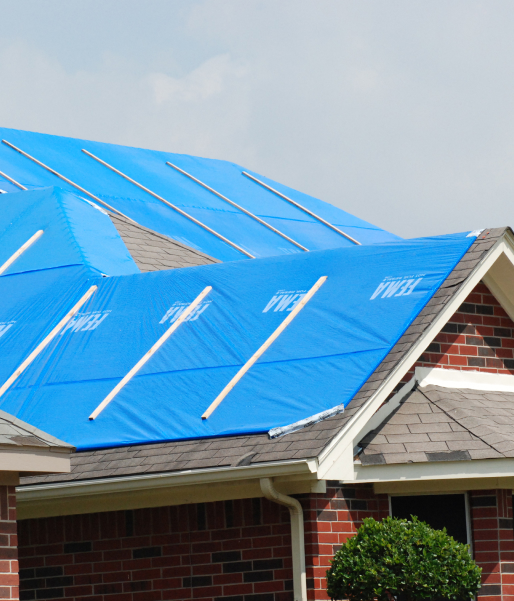
Heavy-duty tarps and self-adhering waterproof membranes are used to seal open areas of your roof until a permanent repair can be completed. In Lawrence's cold and wet conditions, the right temporary cover can be the difference between a contained problem and water spreading into your insulation and ceiling.
Roof flashings around chimneys, vents, and valleys are common failure points during temperature changes and freeze-refreeze cycles. Emergency flashing repair closes off these gaps quickly so water cannot continue working its way into the roof deck or wall cavities below.
After a breach, the roof decking beneath your shingles can absorb water that is not visible from inside your home. Checking the roof deck for soft spots or moisture saturation helps catch hidden damage early, before it causes rot or structural problems that are far more expensive to fix.
Ice dams along your roof's eaves need to be carefully cleared to relieve the water backup that pushes leaks through your shingles. Safe, controlled ice dam removal reduces pressure on the roof edge and helps stop active leaking without damaging the shingles or gutters in the process.
Lawrence's winters leave little room for delay. When snow sits on your roof for days at a time, and temperatures rise and fall repeatedly, even a small breach can let water travel farther than you would expect. Poor attic ventilation makes that risk worse by speeding up snowmelt at the surface while the eaves stay frozen. Catching and stopping roof damage quickly protects your home from the kind of water spread that turns a straightforward repair into something much larger and more expensive.
Prestige Roofing LLC is ready to help homeowners in this part of Wisconsin get their roofs stabilized and repaired without the runaround. If you are dealing with an active leak, missing shingles, or damage you are not sure how to handle, reaching out sooner rather than later is always the right call. We will give you a straight answer about what your roof needs and take care of it the right way.
Got questions about your roof? We’ve got answers. From maintenance tips to insurance claims and repair timelines, our FAQ section covers the most common concerns homeowners have. Get informed and make confident decisions about protecting your home.
In Lawrence, temporary emergency repairs like tarping or sealing an active breach can start immediately without waiting on a permit. However, if the damage leads to a full replacement or major structural repair, a building permit is typically required through the Town of Lawrence, and review can take several business days after paperwork is submitted. A reputable contractor will be upfront about what triggers that requirement so there are no surprises after the work is done.
The difference usually comes down to attic ventilation and insulation. Homes that lose a lot of heat through the attic floor warm the roof deck, which melts snow faster at the center while the eaves stay frozen. That trapped meltwater has nowhere to drain and backs up under the shingles. Older homes and newer builds alike can have this problem, but it tends to show up more often in homes where insulation or airflow has never been checked against current standards.
Roof raking from the ground using a long-handled tool is generally manageable for homeowners and can reduce the weight and melt risk along the lower edges of the roof. Climbing onto a snow-covered or ice-edged roof is a different matter entirely, especially in Lawrence winters where refreezing can make surfaces dangerous without warning. For anything beyond ground-level snow removal, it’s recommended to let a trained crew handle access, clearing, and any repair work safely.
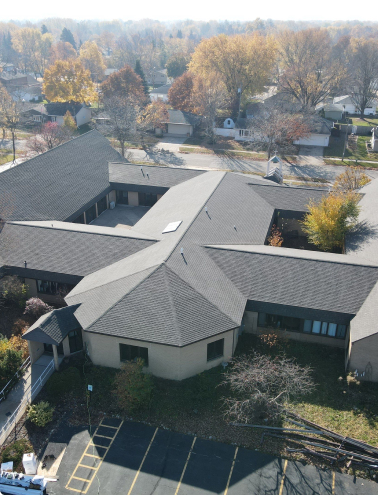
Your Local Roofing Experts in Green Bay, WI