 ×
×
From Serving Our Country
to Serving Your Roof
From Serving Our Country
to Serving Your Roof
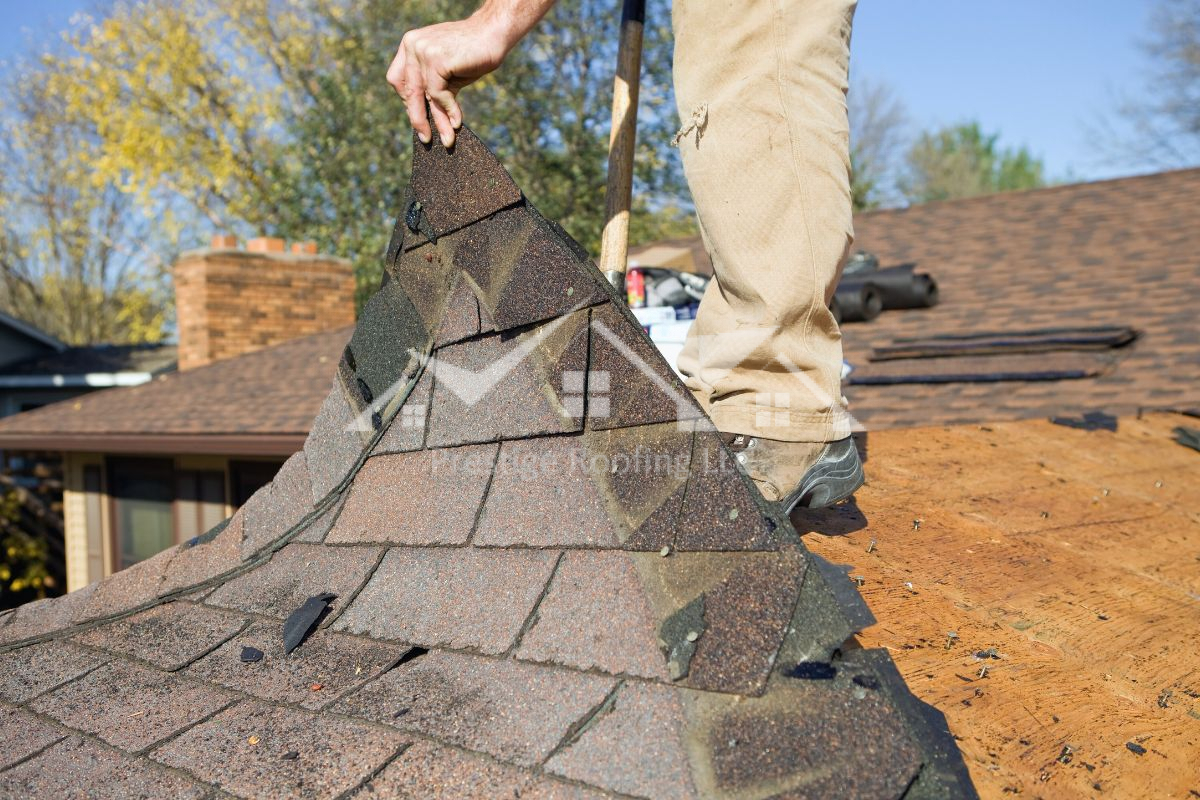
Living near Lake Michigan means your roof deals with conditions that push materials hard year after year. Wind-driven moisture off the lake accelerates shingle wear, and winters bring heavy snow and prolonged freezing temperatures that can work gaps into flashing and underlayment over time. Add in the temperature changes that cause roofing materials to expand and contract through the seasons, and it becomes clear why so many homeowners in Manitowoc find themselves dealing with leaks, granule loss, and damaged shingles well before a roof reaches the end of its expected life. For homes built between the 1950s and 1970s, which make up a significant share of the housing stock in this area, aging asphalt shingles are especially vulnerable to these conditions.
That's where professional residential roof repair makes a real difference. Catching problems early, before water finds its way into your attic or along your eaves, protects your home from the kind of structural damage that turns a straightforward repair into a much larger project. Prestige Roofing LLC works specifically in this market and understands what Manitowoc roofs face. From matching shingles on older homes to installing proper underlayment that resists ice buildup along eaves, the repairs are done with your home's specific conditions in mind, not a one-size-fits-all approach. Keeping your roof in solid shape is one of the most direct ways to protect your investment in your property and avoid expensive repairs down the road.
Knowing what to expect before anyone sets foot on your roof helps keep the process straightforward. Here is how Prestige Roofing LLC handles residential roof repair from start to finish.
Manitowoc homeowners deal with a specific set of roofing problems that come with the territory. Lake-driven wind, heavy snow, and summer humidity create conditions that wear on asphalt shingles in predictable ways, and knowing what to watch for helps you act before a small issue grows into a bigger one.
| Issue | Common Cause | What It Affects |
|---|---|---|
| Granule loss on shingles | Wind-driven rain off Lake Michigan is accelerating UV wear | Shingle lifespan and leak protection |
| Ice dam leaks along the eaves | Inadequate original underlayment on older homes | Eave edges, interior ceilings, attic framing |
| Shingle edge damage | Hail impacts are common during Midwest spring storms | Water seeping under lifted or cracked shingles |
| Mold under shingles | Poor attic ventilation combined with summer humidity | Roof deck’s structural integrity and partial repair viability |
| Seam gaps on aging roofs | Material expansion and contraction over decades | Leak risk at patch boundaries on 1950s to 1970s homes |
Partial repairs covering smaller sections of isolated storm damage are a practical option when the rest of your roof is still in good shape. Precise shingle matching matters on older homes because a color or texture mismatch at the seam can create a weak point where future leaks begin. Getting the repair right the first time protects both the function and the long-term structural integrity of your roof.
Homes near Lake Michigan face wind gusts that standard nailing patterns simply aren't built for. Repair work on your roof uses reinforced nailing techniques designed to hold shingles firmly under the kind of sustained wind pressure common in this area, reducing the chance you'll be dealing with lifted shingles after the next big storm.
Older homes in Manitowoc were often built with minimal underlayment at the eaves, which leaves them vulnerable to ice backup and the leaks that follow. Where your repair warrants it, enhanced underlayment is installed along those lower edges to give your home a layer of protection that the original construction never had.
Getting the shingle color and texture right on a home built in the 1950s or 1970s takes more care than a standard replacement job. Mismatched shingles don't just look off, they can create weak points at the seam where water finds a way in, so this step is treated as a functional concern, not just a cosmetic one.
Manitowoc's humid summers create conditions where poor attic airflow leads to moisture buildup under shingles, which complicates even straightforward repair work. While your roof is open, we take a look at ventilation to flag any issues that could undermine the repair or shorten the life of surrounding shingles.
Roofs in Manitowoc take a real beating between lake-driven wind, months of freezing temperatures, and summer humidity that works on materials in ways that aren't always visible from the ground. The homes that hold up best over time are the ones where small problems get handled before water finds its way in and the scale of work grows. Addressing repairs in late spring through early fall gives materials the best conditions to set properly, but a problem worth fixing now is worth fixing regardless of the season.
If you have noticed missing shingles, granule loss, or spots on your ceiling that weren't there before, reaching out to Prestige Roofing LLC is a straightforward next step. A roof inspection gives you a clear picture of what is actually going on, and from there, you can make an informed decision about the work your home needs. There is no pressure here, just honest answers and repairs done right for your specific roof.
Got questions about your roof? We’ve got answers. From maintenance tips to insurance claims and repair timelines, our FAQ section covers the most common concerns homeowners have. Get informed and make confident decisions about protecting your home.
In Manitowoc County, permits are typically required once a repair goes beyond minor shingle replacement, so the scale of work determines whether one is needed before anything starts. When a permit is required, the project includes an inspection focused on safety and drainage that has to be passed before the job is considered complete. This adds a step but also gives you documentation that the work met local code, which matters if you ever sell your home.
Proximity to the lake means your roof faces higher sustained wind and more moisture exposure than homes even a few miles away from the shoreline. Repairs in lakeshore areas use reinforced nailing patterns designed to keep shingles anchored under wind gusts that can exceed 50 mph, which is a detail that doesn't come up the same way on an inland job. If that standard isn't applied during a repair, you're more likely to see lifted shingles again after the next significant storm.
Older roof decking can hide deterioration that isn't obvious until the shingles come off, particularly on homes that have had moisture working into the wood over decades of Manitowoc winters. If soft spots or rot are found while the roof is open, the roof decks need to be addressed before new shingles go down, the repair won't hold the way it should. Getting a clear picture of the deck condition is part of doing the job right on mid-century homes, not an unexpected complication.
Your Local Roofing Experts in Green Bay, WI