 ×
From Serving Our Country
to Serving Your Roof
From Serving Our Country
to Serving Your Roof
Neenah winters are hard on roofs. With around 40 inches of snow each year and temperatures that regularly drop into the low teens, the weather here puts real stress on shingles, flashing, and roof edges. Those repeated temperature changes cause sealants to fail, nails to pop, and seams to open up, sometimes overnight. And it’s not just winter you have to worry about. Spring snowmelt, fall rain, and wet conditions spread across more than 100 days of precipitation each year mean a small leak can turn into a soaked ceiling faster than most homeowners expect. When your roof is compromised, every hour without a fix adds up.
Many homes in Neenah were built decades ago, and roofs from that era have already weathered a lot. Worn flashing, brittle shingles, and aging roof edges are common on houses that have seen 40 or more Wisconsin winters. When one of those systems fails, you need someone who understands what you are dealing with, not a generic roofing crew that treats every job the same. Prestige Roofing LLC works right here in Neenah and knows exactly what the local weather does to roofs over time. We respond fast, inspect the damage carefully, and get your home protected before conditions get worse.
When a roof failure leaves your home vulnerable to water damage, knowing what needs to happen first can make the situation easier to manage. Prestige Roofing LLC focuses on securing the affected area, identifying the source of the problem, and determining the appropriate repair.
Not every roof problem starts with a dramatic storm. In Neenah, many emergency calls trace back to smaller issues that built up over time and then gave way under pressure from snow, rain, or shifting temperatures. Knowing what typically causes urgent failures can help you catch problems earlier and understand what you are dealing with when something goes wrong.
| Common Trigger | What Causes It | Why It Becomes Urgent |
|---|---|---|
| Ice damming | Snow melts, refreezes at the roof edge, and backs up under shingles | Water forces its way into the attic and interior walls |
| Flashing separation | Repeated temperature changes loosen joints around chimneys and vents | Open gaps allow water to enter every time it rains or snow melts |
| Shingle failure on aging roofs | Decades of weather exposure cause shingles to crack, curl, or go missing | Exposed roof decking deteriorates quickly once the surface layer is gone |
| Heavy snow accumulation | Seasonal snowfall puts weight and moisture stress on the roof structure | Overloaded or aging roofs can develop sudden leaks or visible sagging |
| Sealant failure around gaps | Older sealants dry out and shrink over time | Even small gaps around pipes or vents can let in steady water flow |
Older homes in Neenah are especially prone to several of these triggers at once. A roof that has already lost flexibility in its sealants and has worn flashing along the edges does not have much margin left when a heavy snow season or a wet spring arrives.
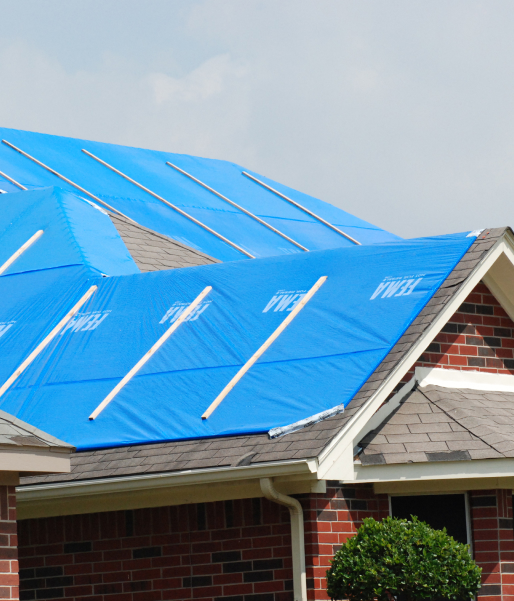
We arrive with the materials needed to cover open or damaged roof areas right away, including heavy-duty tarps and sealants rated for Wisconsin's wet and freezing conditions. Getting a physical barrier in place fast is what keeps water out of your attic and walls while the permanent repair is being planned.
Once the surface layer is compromised, the roof decking underneath is exposed to moisture and can deteriorate quickly, especially on homes that have already seen decades of Wisconsin winters. We check the condition of the roof decking in and around the damaged area so you know exactly what you are working with before any repair materials go down.
Ice damming and heavy snowfall often cause damage at the roof edge first, where water backs up or gutters pull away from the fascia boards under the weight. We look specifically at these areas during an emergency call because edge failures tend to be underestimated and can be a hidden source of ongoing leaks into your home.
Emergency stabilization can usually begin right away, but larger repairs or full replacement work in Neenah may require a zoning review through the city's permit process. We help you understand what applies to your situation so nothing delays the permanent fix longer than it has to be.
Roofs in Neenah face a long season of stress, from heavy snow and ice buildup in winter to wet, unpredictable weather in spring and fall. Homes that have been standing for 40 or more years have already absorbed a lot of that punishment, and when something finally gives, the window to act is short. Getting a fast, reliable repair done the first time correctly protects your home from the kind of interior damage that turns a straightforward fix into something far more involved and expensive.
Prestige Roofing LLC is here in Neenah and ready to help when your roof cannot wait. Whether you have water coming in right now or you spotted something that does not look right after a rough stretch of weather, reaching out sooner is always the better call. Contact us, and we will take it from there.
Got questions about your roof? We’ve got answers. From maintenance tips to insurance claims and repair timelines, our FAQ section covers the most common concerns homeowners have. Get informed and make confident decisions about protecting your home.
A properly installed tarp or emergency seal can hold for weeks, sometimes longer, but it’s not a substitute for a permanent repair, especially heading into a Neenah winter. Snow weight, ice buildup, and repeated temperature changes can work against temporary materials faster than they would in milder climates. The goal of emergency stabilization is to stop active water entry and protect your interior while the permanent scale of work is planned, not to serve as a long-term solution.
Older homes often have roofing assemblies that do not match current materials exactly, which means patching requires more care to ensure a proper seal between old and new. Roof decking from earlier construction eras can also be thinner or made from materials that do not hold fasteners the same way modern plywood does. When we open up a damaged area on an older roof, we inspect what is underneath before anything goes back down, because the fix has to work with what is actually there.
Waiting to see if it gets worse is the most common misstep, and in Neenah's winter conditions, that wait almost always makes things more expensive. Cold temperatures cause water that has entered the roof assembly to freeze, expand, and push further into gaps and seams before the next melt cycle brings more moisture in. A small drip during a January thaw can quietly do a lot of damage to insulation, roof decking, and interior framing before the weather breaks and the full picture becomes clear.
Your Local Roofing Experts in Green Bay, WI