 ×
×
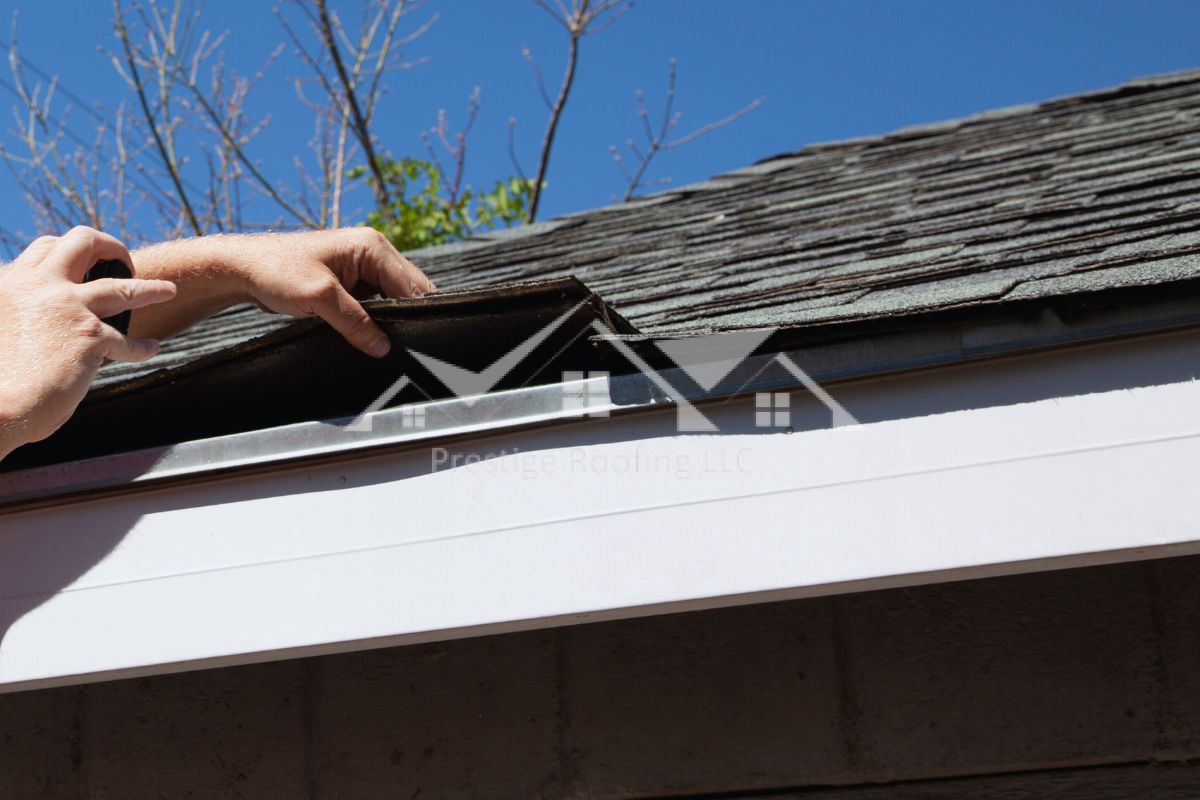
Living near Lake Michigan means your roof faces conditions that most inland Wisconsin homeowners never deal with. Lake-effect snow adds up fast each winter, and when temperatures drop and rise repeatedly through the season, shingles, flashing, and roof edges take a beating. Ice buildup along eaves can force water back up under shingles and into your attic before you notice anything from inside the house. Add in the high humidity that rolls in off the lake and the strong winds that drive rain into every weak spot, and it becomes clear why roofs in Sheboygan tend to wear faster than you might expect.
A professional residential roof inspection gives you a clear picture of where your roof stands before small problems turn into expensive repairs. Sheboygan's housing stock includes a large number of homes built decades ago, many with roofs that are now approaching or past the point where granule loss, curling, and shingle deterioration become real concerns.
Prestige Roofing LLC works with homeowners across the area to inspect these roofs with a thorough, honest look at the parts that matter most: shingles, flashing, gutters, ventilation, and the roof gaps that humidity and temperature changes put under constant stress. Knowing the condition of your roof now puts you in a far better position to plan, whether that means a minor repair this fall or budgeting for larger work before winter arrives.
Knowing what to expect from start to finish helps keep the process straightforward and avoids confusion once work begins. Here is how a typical roof inspection is handled from scheduling through the next steps.
Sheboygan roofs deal with a combination of weather conditions that accelerate wear in ways that are not always visible from the ground. Knowing which problem areas are most common here helps you understand why a complete inspection looks at more than just shingles.
| Roof Area | Common Issue in Sheboygan | Primary Cause |
|---|---|---|
| Shingles | Granule loss, curling, and cupping | Repeated temperature changes combined with moisture exposure |
| Roof edges and eaves | Water backup and rot beneath shingles | Ice formation during winter thaw periods |
| Flashing and gaps | Cracking, separation, and seal failure | High humidity off Lake Michigan is accelerating material wear |
| Fasteners and shingle tabs | Corrosion and uplift along exposed roof faces | Wind-driven rain from prevailing westerly and northwesterly winds |
| Attic ventilation | Inadequate airflow is making edge ice and shingle degradation worse | Poor ventilation design combined with heavy winter conditions |
Many homes in this area have roofs that are well into the age range where these issues become active concerns rather than distant ones. A complete inspection gives you a factual snapshot of where your roof stands, so you can make informed decisions on your own timeline rather than reacting to a problem that has already grown.
Because Sheboygan's combination of lake humidity, heavy snow, and repeated temperature changes shortens shingle lifespan compared to more inland areas, your inspection includes a realistic read on how much life your roof has left. This helps you plan and budget on your own schedule rather than getting caught off guard.
How well your gutters drain and how your roof overhangs are designed directly affect how severe ice buildup gets each winter. We look at both during your inspection so you understand whether your current setup is working with your roof or making things harder on it.
Prevailing winds off Lake Michigan put real stress on the roof faces most exposed to westerly and northwesterly gusts, and those areas tend to show wear before the rest of the roof does. Your inspection pays close attention to shingle uplift and the flashing’s structural integrity in those spots, so nothing gets missed on the sides that take the hardest hits.
Sheboygan requires permits for major roof work, and figuring that out after the fact can slow things down. If your inspection turns up anything that needs attention, we walk you through what the permit process looks like so you are ready to move forward without confusion or delays.
Roofs in this area take on more than most homeowners realize until something goes wrong. The combination of wind off the lake, moisture that works into every small gap, and the strain that cold winters put on aging materials means a lot can change from one season to the next. Getting your roof inspected, especially heading into fall or coming out of winter, gives you a clear, current picture of what you are actually dealing with. That kind of clarity helps you protect your home and plan on your own terms, rather than reacting when a problem is already past the easy fix stage.
When you are ready to get a straight answer about the condition of your roof, Prestige Roofing LLC serves homeowners throughout the Sheboygan area and is here to help. Reach out through the contact form on this page or give us a call, and we will find a time that works for you.
Got questions about your roof? We’ve got answers. From maintenance tips to insurance claims and repair timelines, our FAQ section covers the most common concerns homeowners have. Get informed and make confident decisions about protecting your home.
It does, and the difference is more significant than most homeowners expect. The humidity that comes off the lake speeds up wear on flashing, vent boots, and other roof gaps faster than you would see in areas further inland. Pairing that with the lake-effect snow Sheboygan gets each winter, annual or biannual inspections make more sense here than the every-few-years approach that works fine in other parts of Wisconsin.
What you can see from the ground often tells you very little about where the real problems are forming. Granule loss, fastener corrosion, and early seal failure around gaps are not visible from street level, and neither is the condition of your attic ventilation, which plays a big role in how fast shingles wear and how severe ice buildup gets each winter. By the time damage shows up as a visible sag or a missing shingle, it has usually been developing for a while.
Most people do not expect attic ventilation to come up during a roof inspection, but it consistently turns out to be one of the bigger findings. Poor airflow in your attic traps heat and moisture, which shortens shingle life from the inside out and makes ice formation along your eaves worse in winter. A lot of older homes in this area were not built with modern ventilation standards in mind, so it is something we look at on every inspection, regardless of how the rest of the roof looks.
Your Local Roofing Experts in Green Bay, WI