
Storm damage can turn a peaceful evening into a homeowner’s worst nightmare. When severe weather strikes Wisconsin, roofs bear the brunt of nature’s fury through hail, high winds, and torrential rain. The cost of emergency roof storm damage repair varies based on the extent of damage, materials needed, and timing of repairs.
Understanding these expenses helps homeowners prepare for the unexpected financial impact that often follows severe weather events. Emergency roof repair contractors often charge premium rates for urgent services, especially when storms affect entire neighborhoods simultaneously. The demand for immediate repairs can limit local resources and influence prices.
Several factors determine the final expense of storm-related roof repairs. Wind damage roof repair costs differ significantly from hail damage restoration, while roof leak emergency services may require both immediate temporary fixes and comprehensive long-term solutions. The age of the roof, accessibility challenges, and whether a roof replacement is necessary also contribute to the final expenses.
Insurance claims for roof damage can offset many costs, but homeowners still face deductibles and potential coverage gaps. Acting quickly after storm damage occurs not only prevents additional structural problems but can also impact both immediate repair expenses and long-term home maintenance costs. By understanding the estimated cost of storm damage roof repairs, homeowners can effectively plan for this often inevitable expense.
Types of Storm Damage That Drive Up Repair Bills
Different types of storm damage create varying levels of complexity and expense for homeowners. Wind damage represents one of the most common issues, ranging from missing shingles to completely lifted roofing materials. When high winds tear away protective barriers, emergency roof repair contractors must address both the immediate exposure and underlying structural concerns that may have developed.
Missing shingles might seem like a simple fix, but wind damage often extends beyond surface materials. Lifted flashing, damaged underlayment, and compromised decking can transform what appears to be minor damage into extensive repairs requiring specialized materials and labor-intensive work.
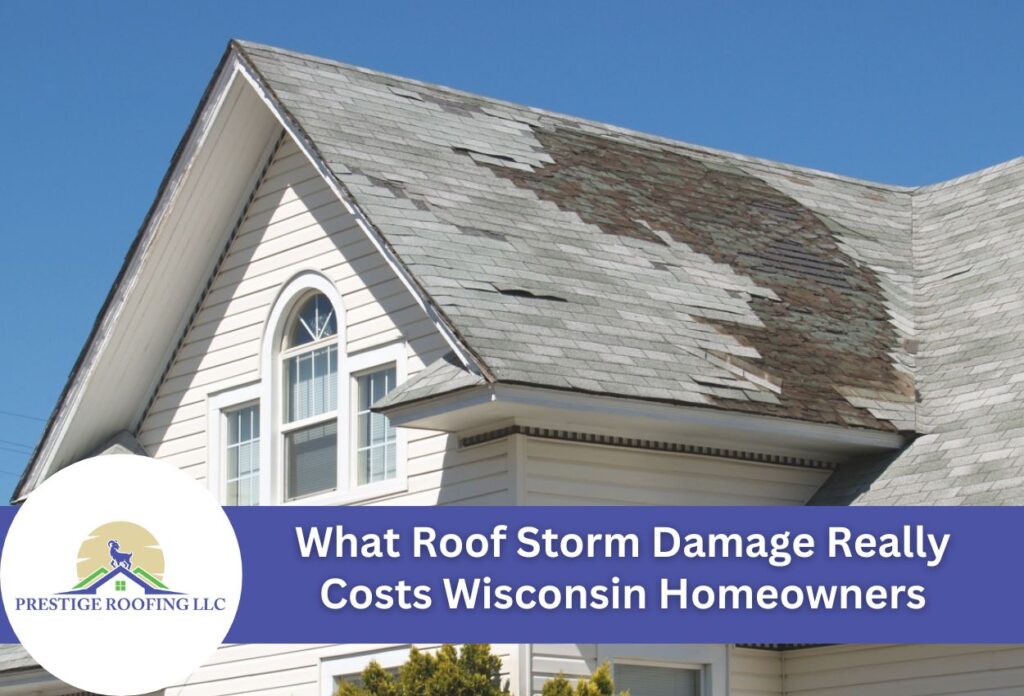
Hail damage creates another set of challenges that significantly impact repair costs. These impacts often compromise the granular surface of shingles, creating vulnerabilities that lead to leaks over time. When combined with simultaneous wind damage, hailstorms frequently necessitate roof replacement rather than simple repairs.
Water infiltration compounds existing problems and creates new ones throughout the home’s structure. Roof leak emergency services must address not only the source of water entry but also interior damage to insulation, ceiling materials, and electrical systems. This transforms isolated roofing issues into comprehensive restoration projects that require coordination between multiple trades and professional drying equipment to prevent long-term moisture problems and mold development.
Emergency Repairs vs. Full Roof Replacement Costs
Homeowners facing storm damage must quickly determine whether temporary emergency fixes or complete roof replacement offers the most practical solution. Emergency repairs typically cost significantly less upfront but may only provide short-term protection against further damage. These immediate interventions work best when storm damage affects isolated areas and the underlying roof structure remains sound.
Emergency roof repair contractors often recommend temporary solutions when extensive damage occurs during peak storm seasons or when replacement materials face supply delays. Tarping services, emergency patching, and temporary repairs can protect homes from additional water damage while homeowners arrange comprehensive solutions. These services are especially valuable when insurance claim assessments require extra time to complete.
Complete roof replacements are generally necessary when storm damage compromises the roof’s structural integrity or affects more than 30% of the total surface area. Storm damage roof repair may seem cost-effective initially, but widespread shingle loss, damaged decking, or compromised support structures often make replacement the more affordable long-term choice.
Several indicators help determine which approach is the most appropriate. Multiple leak points, sagging sections, exposed decking, and repeated emergency service calls typically signal that storm damage roof replacement offers better value than continued emergency interventions. Professional assessments can identify whether emergency repairs provide adequate protection or if replacement is needed to minimize ongoing expenses and additional structural damage to the home.
How Insurance Coverage Affects Your Out-of-Pocket Expenses
Insurance coverage significantly determines how much homeowners actually pay when storm damage strikes their roof. Most standard homeowners policies cover sudden weather-related damage, including hail or wind damage roof repair, but understanding policy specifics helps manage expectations about actual expenses. Deductibles are the most immediate out-of-pocket cost, typically ranging from flat amounts to percentage-based calculations tied to home values.
The claims process begins when emergency roof repair contractors document damage and provide initial assessments. Insurance adjusters evaluate these reports alongside their own inspections to determine coverage amounts. Working effectively with both adjusters and contractors ensures that all storm damage is accounted for, maximizing coverage for necessary repairs.
However, coverage limitations can create unexpected expenses for homeowners. Policies may exclude certain types of damage, impose caps on specific repairs, or require upgrades to current building codes that exceed the original roof specifications. If additional structural damage is discovered, coverage gaps sometimes leave homeowners responsible for portions of comprehensive repairs.
Strategic coordination between insurance representatives and qualified contractors often reduces total out-of-pocket expenses. Experienced emergency roof repair contractors usually understand claim requirements and can structure repairs to align with coverage parameters while meeting local building standards. This collaboration helps ensure that insurance claims roof damage settlements cover maximum allowable amounts, reducing the financial burden on homeowners during already stressful storm recovery periods.
Finding Reliable Emergency Roof Repair Contractors
Selecting the right emergency roof repair company during urgent situations requires careful evaluation despite time pressures. Storm damage creates opportunities for untrustworthy contractors who target vulnerable homeowners with high-pressure tactics and inflated pricing. Door-to-door solicitors appearing immediately after storms often lack licensing, insurance coverage, or a local business establishment.
There are several warning signs of contractors to avoid when seeking emergency repair services. Companies demanding full payment up front, offering unusually low estimates, or pressuring immediate signatures typically deliver substandard work that creates additional problems. Additionally, contractors who cannot provide local references, license numbers, or proof of insurance coverage are generally considered risks to both property and financial security.
Quality emergency roof repair contractors demonstrate professionalism through proper documentation, detailed written estimates, and transparent communication about repair processes. These professionals may also understand insurance requirements and ensure repairs meet coverage standards and local building codes.
Asking questions helps evaluate potential contractors before making a final decision. Ask about emergency availability, pricing structures for urgent repairs, service guarantees, and experience documenting damage for insurance claims. Reliable contractors provide clear answers about their licensing status, insurance coverage, and local business history. They also explain their approach to roof repair and emergency services while offering realistic timelines for project completion.
Factors That Increase Emergency Repair Expenses
Several factors can dramatically escalate the cost of emergency roof storm damage repair beyond typical roofing project expenses. Understanding these variables helps homeowners anticipate potential budget impacts when severe weather strikes and emergency repairs become necessary.
Peak storm seasons create the most significant cost increases for emergency roof repair contractors. When multiple storms affect large geographic areas simultaneously, the demand for qualified contractors often exceeds the available supply. This market imbalance drives up labor costs, extends project timelines, and creates competition among homeowners for available services. Emergency roof repair contractors often implement premium pricing during these high-demand periods.
Weather conditions at the time of repair add complexity and expense to storm damage restoration projects. Rain, snow, or freezing temperatures require additional safety equipment, protective measures, and specialized techniques that increase both labor time and material costs. Roof repair is especially challenging when ongoing weather conditions prevent safe access to damaged areas or require repeated weatherproofing efforts.
Material availability during storm seasons also impacts project costs and timelines. Popular roofing materials often face supply shortages when widespread damage occurs across entire regions. Emergency roof repair contractors may need to source premium or specialty materials at higher costs, or homeowners might face extended wait times for preferred materials. These supply constraints force difficult decisions between accepting higher costs for immediate repairs or risking additional damage while waiting for standard materials.
Hidden damage is one of the most unpredictable expense factors in emergency repairs. What initially appears as straightforward roof repair often reveals extensive underlying problems once contractors begin work. Roofing contractors frequently uncover rotted decking, compromised structural supports, damaged insulation, and electrical issues that require immediate attention for safety and code compliance.
These unexpected findings can double or triple initial cost estimates, particularly when storm damage roof replacement becomes necessary due to previously undetected structural deterioration. Insurance claims may not extend to pre-existing conditions discovered during emergency repairs, leaving homeowners responsible for these additional expenses. Professional contractors must address these safety concerns before completing primary repairs, creating unavoidable cost increases that impact both project budgets and timelines.
Planning and Budgeting for Storm Damage Repairs
Creating a comprehensive financial strategy for potential storm damage helps homeowners respond quickly when severe weather threatens their property. Establishing an emergency fund specifically designated for unexpected repairs provides immediate access to resources without relying solely on insurance coverage or financing options. It is generally recommended to set aside funds equivalent to 1% to 3% of your home’s value each year to handle emergency roof repair and related restoration costs.
There are multiple financing options available when emergency funds cannot cover extensive storm damage expenses. Home equity lines of credit offer flexible access to larger amounts at competitive interest rates, while personal loans provide quick approval for smaller projects. Some roofing contractors offer financing programs that allow homeowners to begin repairs immediately while arranging payment terms that fit their budgets.
Preventive maintenance significantly reduces both the likelihood of severe damage and associated repair costs when storms do occur. Regular roof inspections identify weak spots, loose materials, and deteriorating components before they become major vulnerabilities. Simple maintenance tasks like clearing gutters, securing loose flashing, and replacing worn shingles help roofs withstand future storms more effectively and reduce the need for extensive emergency services.
A professional assessment is critical immediately following severe weather events, even when visible damage appears minimal. Experienced contractors can identify subtle signs of structural compromise, water infiltration, and material failure that homeowners might overlook. Early detection prevents minor issues from developing into major problems that require roof replacement, while prompt documentation supports insurance claims and ensures maximum coverage.
Act Now: Secure Your Home with Prestige Roofing LLC
Understanding the cost of emergency roof storm damage repair is crucial, but acting swiftly to minimize further damage is even more critical. If you’re dealing with roof damage from recent storms, waiting could mean escalating repair costs and more extensive damage to your home. Prestige Roofing LLC is your reliable partner in Green Bay, helping you navigate through the storm with expert emergency roof repairs.
Call Prestige Roofing LLC at (920) 791-0414 to schedule an immediate inspection. Our team is ready to provide quick, effective solutions that prevent further damage and help manage your repair costs efficiently. Remember, immediate action not only secures your home but also helps control potential expenses. Call us today!