Understanding Curb-Mounted Skylight Installation Costs in Wisconsin
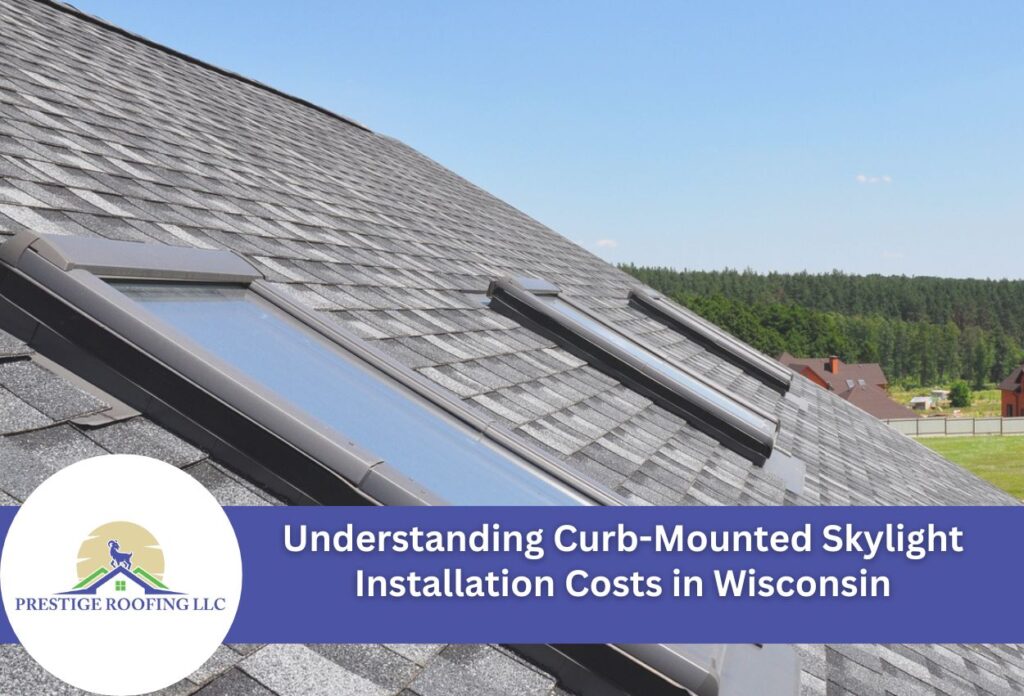

Curb-mounted skylights offer homeowners a reliable way to bring natural light into their homes while still protecting against the weather. Unlike deck-mounted options that sit flush with the roof surface, curb-mounted skylights are elevated on a frame that creates a barrier between the skylight and roofing materials. This design provides better insulation and reduces the risk of leaks, making these units a preferred choice for many residential skylight installation projects.
The skylight installation process for curb-mounted systems involves constructing a raised curb that supports the skylight unit above the roof plane. This method has numerous benefits, including improved drainage, easier maintenance access, and enhanced structural integrity. When comparing curb-mounted vs. deck-mounted skylights, the elevated design typically requires a higher initial investment but provides long-term value through better performance and durability.
Several factors influence the total investment needed for a new skylight, including roof complexity, unit size, glazing options, and existing structural conditions. Knowing these variables before the project begins helps homeowners plan their curb-mounted skylight installation. The investment varies based on specific project requirements, but the enhanced performance and longevity of curb-mounted systems often justify the expense for homeowners seeking quality natural lighting solutions.
Key Benefits That Justify the Installation Investment
Understanding the long-term advantages of curb-mounted skylights helps homeowners evaluate their installation investment more effectively. These elevated skylight systems deliver measurable benefits that extend well beyond their initial installation period.
Energy efficiency is one of the most compelling benefits of curb-mounted skylights. The raised design creates better insulation compared to deck-mounted alternatives, reducing heat transfer between interior and exterior spaces. During winter, this improved thermal performance helps retain indoor warmth, while summer installations can incorporate ventilation features that naturally cool living spaces. Homeowners typically notice reduced reliance on artificial lighting during daylight hours, leading to lower monthly utility expenses over time.
Natural lighting also significantly impacts daily living experiences and property value. Quality curb-mounted systems flood interior spaces with daylight that reduces eye strain and creates more inviting environments. In general, homes with professional residential skylight installation have higher market values compared to properties without these upgrades.
Additionally, the durability of curb-mounted designs contributes to their long-term value. The elevated installation method provides superior weather protection and drainage compared to deck-mounted alternatives. For homeowners in areas with harsh weather throughout the year, the robust construction of curb-mounted systems offers peace of mind that justifies the investment through reduced maintenance requirements and an extended lifespan.
Breaking Down What Affects Your Total Project Cost
Understanding the various factors that influence the final cost of curb-mounted skylight installation helps homeowners plan their projects effectively. Multiple variables combine to determine the final investment, ranging from product specifications to installation complexity.
Skylight size directly impacts both material and labor costs, with larger units requiring more structural support and installation time. Energy efficiency ratings affect pricing significantly, as high-performance glazing options with low-E coatings and argon gas fills come with premium prices but deliver superior insulation. Frame materials also influence the investment, with vinyl options typically costing less than wood or composite alternatives, while specialized glazing for unique lighting needs adds to the overall expense.
Roof complexity is another major factor affecting how much curb-mounted skylight installation costs. Simple gable roofs with standard pitches require less labor than complex designs featuring multiple angles, dormers, or steep slopes. Any structural modifications necessary to accommodate the curb assembly can increase project scope, particularly when existing framing needs to be reinforced or when ceiling modifications are needed below the installation area.
Accessibility challenges significantly impact labor requirements and pricing. Skylights positioned over single-story areas typically cost less to install than those requiring work on steep or high roof sections. The skylight installation process also becomes more complex when installers must navigate around obstacles like chimneys, vents, or other rooftop equipment. These factors combine to create different final costs for each residential skylight installation project.
Comparing Curb-Mounted vs. Deck-Mounted Skylights
The choice between curb-mounted and deck-mounted skylights significantly impacts both the initial investment and long-term ownership expenses. While deck-mounted systems require lower upfront costs due to their simpler installation, curb-mounted skylights typically deliver superior value through enhanced performance and reduced maintenance needs over their operational lifespan.
Curb-mounted systems come with a higher initial investment because the installation process requires constructing a raised frame that elevates the unit above the roof surface. This additional step increases material costs and labor time compared to deck-mounted alternatives that sit flush with roofing materials. However, the benefits of curb-mounted skylights include superior weather protection, improved drainage, and easier access for future maintenance or repairs.
Additionally, installation complexity varies between curb-mounted vs. deck-mounted skylights. Deck-mounted systems integrate directly into the roof plane, creating a streamlined appearance but requiring precise flashing work to prevent leaks. Curb-mounted installations involve more extensive structural work but offer better long-term reliability through their elevated design that naturally sheds water away from vulnerable areas.
Several skylight installation factors influence the cost differential between these mounting styles. Labor time increases for curb-mounted systems due to the additional framing work required, while material costs rise with the need for lumber, fasteners, and specialized flashing components. Despite these higher upfront expenses, the durability and maintenance advantages of curb-mounted systems often result in lower total ownership costs throughout their service life, making them a smart investment for homeowners seeking maximum long-term value.
What to Expect During the Curb-Mounted Skylight Installation Process
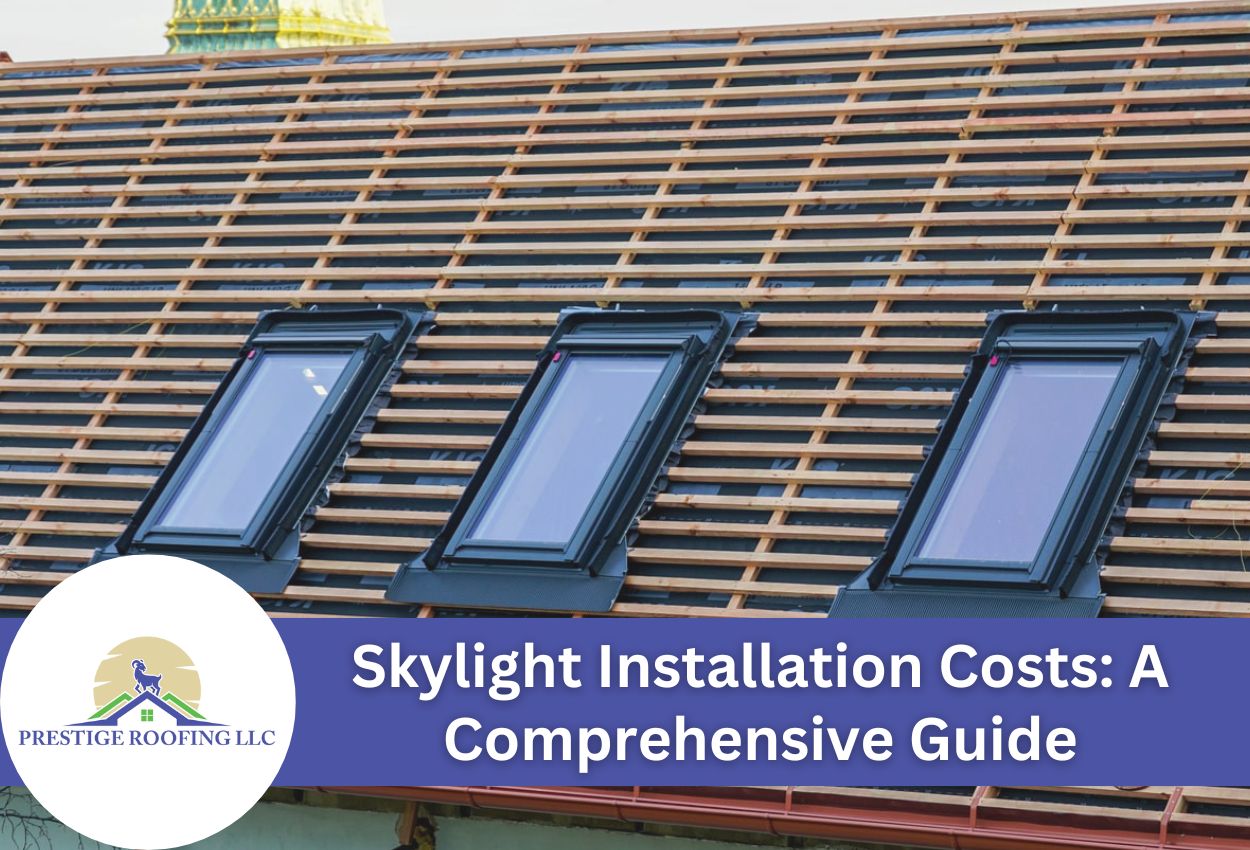
Professional curb-mounted skylight installation follows a specific approach that properly integrates the unit with the existing roofing systems. The process begins with contractors measuring the planned installation area and marking the opening location on both the roof exterior and interior ceiling. Installers then remove roofing materials in the designated area and cut through both the roof decking and ceiling below to create the rough opening.
The skylight installation process continues with constructing the wooden curb frame using pressure-treated lumber that matches the skylight dimensions. Contractors secure this elevated frame to the roof structure using appropriate fasteners and verify its alignment before installing multiple layers of weatherproofing materials. Flashing installation is a critical step, with professionals applying step flashing along the sides and continuous flashing across the top and bottom edges to prevent water infiltration.
Weather conditions in Green Bay can significantly affect project scheduling and timelines. Rain, snow, and high winds may delay residential skylight installation work since the process requires exposing interior spaces to outdoor elements. Most contractors plan for temporary weatherproofing measures and monitor forecasts closely to minimize weather-related delays.
Installation typically takes a few days for standard projects, depending on roof complexity, skylight size, and accessibility. However, the benefits of curb-mounted skylights justify the careful attention to detail required during installation, as the right techniques ensure decades of reliable performance for decades.
Additional Costs and Considerations for Your Skylight Project
Along with the base curb-mounted skylight installation cost, homeowners should anticipate several additional expenses that contribute to the total investment. Permit requirements vary by municipality, but typically add to the overall expense, particularly when electrical work is necessary for motorized or automated skylight systems. These advanced features require professional electrical connections and may need separate permits, increasing both material and labor costs significantly.
Electrical work for remote-controlled or rain-sensing skylights involves running wiring from the installation location to switch locations and power sources. The complexity increases when skylights include integrated blinds or shades that require power connections. Finishing touches such as interior trim work, drywall repairs around the ceiling opening, and paint matching also contribute to the final price tag but create a professional appearance.
Long-term ownership considerations also impact the total cost equation for residential skylight installation projects. Warranty coverage varies between manufacturers, with premium units offering extended protection that reduces the risk of future damage. Regular maintenance requirements include periodic cleaning, seal inspections, and hardware lubrication for moving parts, creating ongoing expenses that factor into ownership costs.
Anticipating these skylight installation factors helps homeowners budget for their projects. Planning for these considerations helps property owners keep realistic expectations throughout the skylight installation process and prevents surprises that could impact the project and final price tag.
Making Smart Decisions for Your Residential Skylight Installation
When choosing a contractor for residential skylight installation, homeowners should consider their experience, licensing, and local expertise. Qualified professionals should have specific knowledge of curb-mounted systems and provide detailed explanations of the skylight installation process during initial consultations. Homeowners should also ask for references from recent projects and verify the contractor’s insurance coverage before making a final decision.
Questions to ask during contractor meetings include inquiries about warranty coverage, project timelines, and experience with local building codes. Ask whether they recommend curb-mounted vs. deck-mounted skylights for your specific roof type and how various installation factors might affect your project. Reliable contractors provide written estimates that break down material and labor costs separately, allowing homeowners to understand exactly what contributes to the final curb-mounted skylight installation cost.
Creating an accurate budget starts with obtaining multiple estimates from licensed contractors to establish baseline costs. The investment makes the most financial sense when homeowners plan to remain in their property for several years, allowing time to experience the benefits of curb-mounted skylights, including energy savings and enhanced living experiences. Spring and fall installations often provide the best value, but contractors may offer competitive pricing during slower seasons while weather conditions remain favorable for roofing work.
Considering financing options allows homeowners to proceed with quality installations rather than compromising on materials or workmanship. Energy-efficient skylights may qualify for tax credits or utility rebates that reduce the total project cost, making professional residential skylight installation more accessible for homeowners seeking long-term value from their investment.
Ready to Enhance Your Home with Curb-Mounted Skylights? Contact Prestige Roofing LLC Today!
The right curb-mounted skylight can improve your home’s energy efficiency, natural lighting, and overall value. Understanding the factors that affect the installation cost is crucial, but finding a reliable contractor in Green Bay who can deliver quality work is just as important. Prestige Roofing LLC specializes in skylight installation and can guide you through every step, ensuring your investment pays off over time.
Whether you’re comparing curb-mounted vs. deck-mounted options, considering the complexities of your roof, or just need expert advice on materials and maintenance, our team is here to help. Call us at (920) 791-0414 to learn more and take the first step towards a brighter, more energy-efficient home with Prestige Roofing LLC.