
Metal roofs are popular among homeowners, but many people don’t realize that proper installation requires more than just securing panels to the deck. In fact, having an air gap under a metal roof is crucial for its long-term performance and durability.
An air gap creates a protective barrier between the metal roofing material and the structural deck beneath it. This space allows air to circulate freely, which serves multiple important functions in maintaining roof integrity. Without proper airflow for a metal roof, several problems can develop over time.
Metal roofs without adequate ventilation often experience condensation buildup, which leads to moisture damage in the underlying structure. The temperature differences between the metal surface and the deck below create conditions where water vapor condenses, potentially causing rot, mold, and insulation damage. Additionally, poor metal roof ventilation reduces energy efficiency by limiting the roof’s ability to manage heat transfer.
Understanding best practices for metal roof installation can prevent these issues. Proper spacing allows the roof system to breathe, prevents condensation and moisture buildup, and extends the roof’s lifespan. The right installation approach protects both the investment and the building structure underneath.
Understanding the Basics of Metal Roof Ventilation and Temperature Control
Understanding the thermal dynamics of metal roofing systems reveals why proper ventilation is essential for optimal performance. Metal roofs undergo significant expansion and contraction cycles as temperatures fluctuate throughout the day and throughout the year. These thermal movements can stress fasteners and seams without adequate airflow management.
When metal roof ventilation requirements are met through air gaps, the space allows heated air to escape naturally. This circulation prevents extreme temperature buildup that causes excessive expansion, reducing stress on the roofing system. The continuous airflow also helps metal panels return to their normal size more gradually as temperatures cool.
Air circulation also plays a critical role in Wisconsin’s harsh winter conditions by preventing ice dams. When warm air from the building rises and heats the roof deck, it can melt snow that then refreezes at the roof edges. Sufficient airflow for a metal roof keeps the deck temperature consistent, preventing this dangerous cycle. On the other hand, during summer, effective ventilation reduces cooling costs by allowing hot air to escape rather than transferring heat into the building.
Metal roofs should always include adequate ventilation channels. This approach helps prevent condensation by maintaining consistent temperatures and allowing moist air to escape. The result is a more durable, energy-efficient roofing system that performs reliably across all weather conditions.
How an Air Gap Prevents Moisture Problems Before They Start
Condensation is one of the most serious threats to metal roofing systems. When warm, moist air contacts the cooler underside of metal panels, water droplets form and accumulate. This process occurs naturally due to temperature differentials between the interior space and the metal roof surface, particularly during seasonal transitions and extreme weather conditions.
The structural damage from trapped moisture develops gradually but can become extensive over time. Wooden deck materials absorb condensation, leading to rot, warping, and structural weakness. Insulation becomes saturated and loses its thermal properties, while metal fasteners and flashing components corrode. These problems compound as moisture continues accumulating without escape routes.
Air gaps create natural pathways for moisture to escape before causing damage. The ventilated space allows air circulation that carries away water vapor, preventing condensation buildup against critical building components. This airflow also helps regulate temperature differences that contribute to condensation formation.
Metal roof ventilation requirements specify adequate spacing to ensure effective moisture management. Best practices for metal roof installation include creating continuous ventilation channels that allow airflow from the eaves to the ridge. This approach helps prevent condensation on the metal roof while protecting the entire roofing assembly. Proper airflow for a metal roof eliminates the conditions that trap moisture, preserving both the roofing materials and the structural components beneath them for decades of reliable performance.
Building Code Requirements and Professional Installation Standards
Wisconsin building codes establish specific requirements for metal roof installation that address ventilation, structural support, and safety considerations. These regulations ensure that metal roofing systems perform adequately under local weather conditions, including heavy snow, wind uplift, and temperature fluctuations. Local building departments generally require permits for metal roof installations and inspect the work to verify compliance with established standards.
Professional roofing contractors must follow detailed specifications regarding air gap dimensions, ventilation pathways, and fastening patterns. Metal roof ventilation requirements typically mandate minimum clearances between the roof deck and panels, with specific measurements for intake and exhaust ventilation areas. These standards prevent condensation on metal roof surfaces by ensuring adequate airflow within the system.
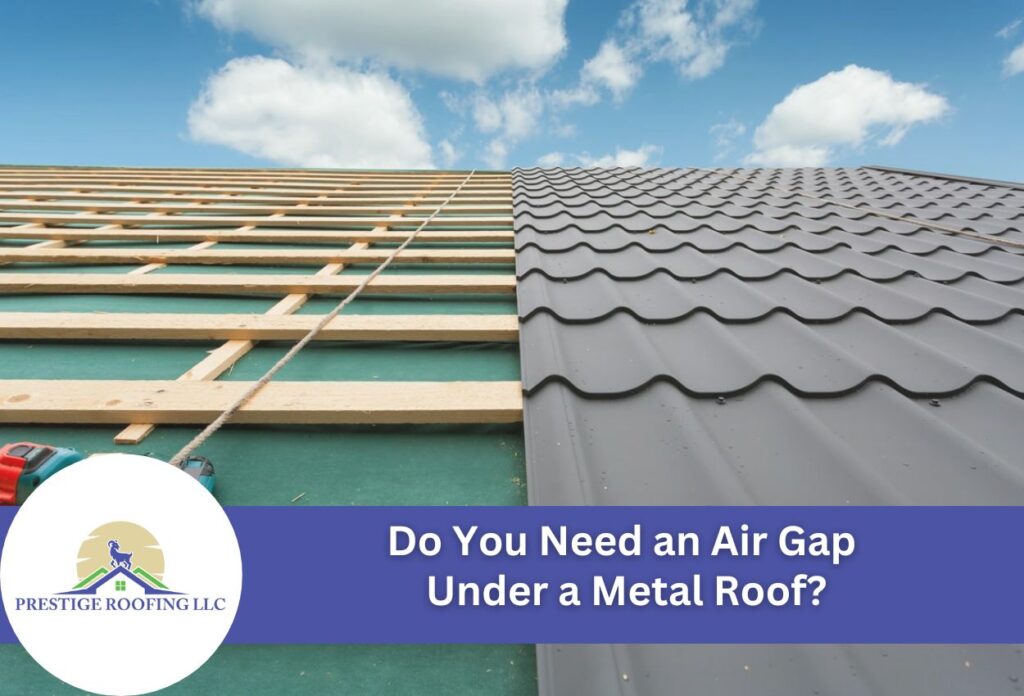
Industry certifications and manufacturer warranty coverage often depend on adherence to these installation protocols. Professional installers understand that proper airflow management requires coordination between underlayment, fastener placement, and ventilation. Best practices for metal roof installation include using battens or furring strips to create consistent air gaps while maintaining structural integrity.
Experienced roofing professionals also recognize that metal roof ventilation requirements vary based on roof pitch, building size, and local climate conditions. They calculate ventilation needs accurately and install components that provide long-term performance. This professional approach ensures compliance with building codes while maximizing the durability and efficiency of the metal roofing system.
Methods for Creating Proper Airflow Under Metal Roofs
Creating adequate ventilation beneath a metal roof requires selecting the right approach for each specific installation. Traditional methods have proven effective over decades of use, while modern systems offer enhanced performance and simplified installation processes. Understanding these different techniques helps ensure optimal airflow for a metal roof system.
Furring strips are the most established approach for creating ventilation channels. These wooden or metal strips attach perpendicular to the roof deck, creating raised pathways that run from eave to ridge. The consistent height maintains uniform air gaps while providing a secure mounting surface for metal panels. Battens serve a similar function but typically run parallel to the eaves, creating horizontal ventilation channels that connect to vertical airflow paths.
Professional contractors often use a few different approaches to meet metal roof ventilation requirements. This integrated strategy helps prevent condensation on the metal roof while staying compliant with building codes. Best practices for metal roof installation include selecting ventilation methods that match the specific roof design, local climate, and performance expectations for long-term reliability.
Signs Your Metal Roof May Have Ventilation Issues
Recognizing ventilation problems early can prevent extensive damage to your metal roofing system. Interior warning signs often appear first, providing clear indicators that airflow has been compromised. Water stains on ceilings or walls signal that condensation is forming and accumulating within the roof assembly. These discolored patches typically appear near the roofline and expand over time as moisture problems worsen.
Mold and mildew growth in attic spaces indicates excessive humidity levels caused by poor ventilation. These organisms thrive in environments where moisture cannot escape naturally through adequate air circulation. Unusual temperature variations between rooms or floors also suggest that the roof system is not managing heat transfer effectively, often resulting from blocked or insufficient ventilation pathways.
Exterior indicators also provide additional evidence of ventilation failures. Ice buildup along roof edges during winter months occurs when inadequate airflow allows heat to accumulate unevenly across the roof surface. Rust spots or corrosion on metal panels indicate that moisture is trapped against the roofing materials rather than escaping through ventilation channels.
Paint peeling or coating deterioration on metal roofing suggests temperature extremes caused by poor air circulation. When metal roof ventilation requirements are not met, thermal stress accelerates material aging and reduces overall system performance. These visible problems indicate that immediate attention is needed to protect and restore the roof.
Making the Right Decision for Your Green Bay Area Home
Determining whether your specific roof design requires an air gap depends on several critical factors that vary by installation. Weather conditions in Wisconsin can be challenging for metal roofing systems, with dramatic temperature swings and high humidity levels that increase the risk of condensation. Building orientation, roof pitch, and attic insulation also influence ventilation needs.
Roof complexity plays a major role in ventilation requirements. Simple gable roofs with consistent pitch allow natural airflow patterns to develop more easily than complex designs with multiple valleys, dormers, or varying slopes. The type of metal roofing material selected affects thermal conductivity and the roof’s expansion, which also influences the airflow needed.
Working with qualified roofing contractors ensures all these variables are evaluated before installation begins. Professional roofers assess building-specific conditions and recommend appropriate ventilation strategies. They understand how different factors interact to create optimal performance while meeting metal roof ventilation requirements.
Experienced contractors also provide long-term protection by following industry-specific installation techniques. Their expertise helps prevent condensation on metal roofs through proper material selection, spacing calculations, and component integration. This professional approach maximizes the durability and efficiency of your metal roof while ensuring compliance with local building codes and manufacturer specifications for reliable performance.
Ensure Your Metal Roof has Proper Air Gaps: Call Prestige Roofing LLC Today!
Understanding the necessity of air gaps under metal roofs is crucial for their longevity and effectiveness, especially in areas like Green Bay. Air gaps provide essential ventilation that helps manage condensation, temperature variations, and moisture damage, which are common issues without proper airflow. Prestige Roofing LLC specializes in installing metal roofs that adhere to local Wisconsin building codes, ensuring your roof performs optimally year-round.
Don’t let improper installation compromise your roof’s integrity! Contact Prestige Roofing LLC now at (920) 791-0414 to discuss your metal roofing needs and ensure your home is protected with the best.