What Are the Functional Requirements of a Roof? A Complete Guide
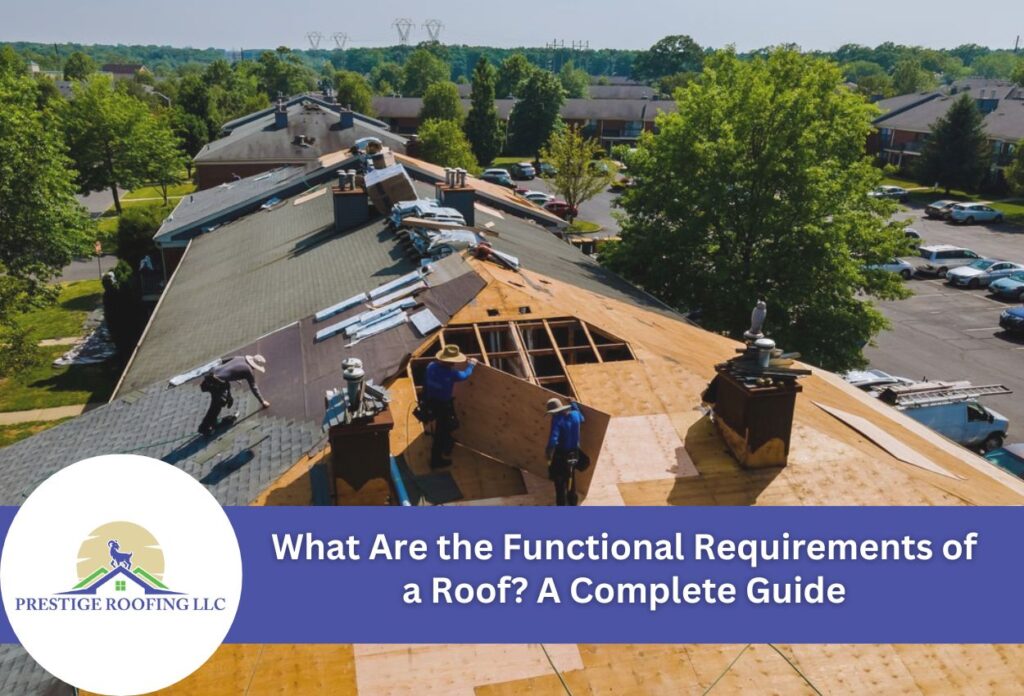

Every roof above your head serves multiple purposes beyond simply completing the look of your home. Understanding the functional requirements of a roof is essential when building, renovating, or maintaining your property. These requirements for roof performance determine whether your family stays safe and comfortable during storms, heavy snowfall, and extreme temperatures.
A functioning roofing system must accomplish several vital tasks simultaneously. The roof protects against water infiltration, supports significant weight from snow and wind, provides insulation barriers, and maintains structural integrity over decades of use. Without meeting these structural requirements for roofs, even the most expensive materials will fail to protect your investment.
Professional contractors recognize that roof design specifications vary based on climate, building codes, and architectural styles. However, certain fundamental performance standards remain consistent across all roof types. Load-bearing requirements of a roof must account for both dead loads, like the roofing materials themselves, and live loads such as snow accumulation and maintenance personnel.
Modern roofing systems integrate multiple components working together to meet these functional demands. From the structural deck to the final weather barrier, each element contributes to the roof’s overall performance and longevity.
Weather Protection and Moisture Control Systems
Effective moisture control is one of the most critical requirements for roofs. A functioning roofing system creates multiple waterproof barriers through carefully engineered layers that work together to prevent water infiltration. The primary weather barrier consists of roofing materials like shingles or metal panels, while underlayment provides secondary protection against wind-driven rain and ice dams.
Drainage systems keep water flowing away from vulnerable areas before it can seep into the roof structure. Gutters, downspouts, and a strategic slope direct moisture away from the building. When these roof design specifications are properly implemented, they prevent expensive water damage to insulation, framing, and interior spaces.
Along with moisture management, wind resistance features become essential load-bearing requirements of a roof during severe weather. Roofing materials must be securely fastened to resist uplift forces that can tear away entire sections. Modern installation techniques include enhanced fastening patterns and materials rated for specific wind speeds.
In climates with heavy winter precipitation, the roof structure must support accumulated snow while preventing ice dams through proper ventilation and insulation. Adequate structural support prevents dangerous collapse while maintaining the roof’s protective capabilities throughout the winter months.
Adequate moisture protection, load-bearing capacity, and wind resistance are all essential for long-lasting roofs that protect homes for decades rather than years.
Structural Support and Load Distribution Requirements
The structural requirements for roofs encompass the ability to bear various weights and forces throughout the building’s lifespan. A functioning roofing system must support dead loads, which include the weight of roofing materials, insulation, and structural components themselves. This permanent weight creates constant stress on the roof framework that must be properly calculated during the design phase.
Live loads can present additional challenges for a roof. Snow accumulation can add thousands of pounds of weight during winter storms, while maintenance personnel and equipment create temporary but significant point loads. Wind forces generate both downward pressure and dangerous uplift forces that attempt to lift roofing materials away from the structure.
The roof framing system works as an integrated network to distribute these various loads safely to the building’s foundation. Rafters, trusses, and supporting beams transfer weight through load paths that spread forces across multiple structural elements. This distribution prevents concentrated stress points that could cause structural failure or damage to the building.
Requirements for roof performance include adequate safety factors built into the structural design. Engineering calculations account for maximum expected loads plus additional capacity to handle unexpected conditions. Properly designed roofs ensure the structure can handle code-required loads while maintaining long-term stability and protecting the entire building.
Insulation, Ventilation, and Energy Efficiency
Thermal performance is another fundamental aspect of a roof, directly impacting both comfort and energy costs. A properly insulated roof system creates an effective barrier between conditioned interior spaces and outdoor temperatures. This thermal barrier reduces the workload on heating and cooling systems throughout the year, resulting in lower utility bills and more consistent indoor temperatures.
Requirements for roof performance include maintaining R-values through continuous insulation coverage. The roof assembly must also prevent thermal bridging, which occurs when conductive materials create pathways for heat transfer through the insulation layer. Strategically placing insulation materials addresses these thermal bridges while meeting energy code requirements and improving the system’s efficiency.
Ventilation systems work alongside insulation to create even temperatures in roof cavities and attic spaces. Airflow prevents moisture accumulation that can damage insulation and promote mold growth. These functioning roofing systems include intake vents at the eaves and exhaust vents near the ridge, creating natural air circulation that removes excess humidity and heat buildup.
Preventing ice dams is also important for roofs in cold climates. Adequate insulation combined with sufficient ventilation keeps roof surfaces at consistent temperatures, preventing the freeze-thaw cycles that create damaging ice formations. This integrated approach to roof design specifications ensures long-term performance while protecting both the roof structure and building contents from water damage.
Fire Safety and Building Code Standards
Fire protection is a crucial role of a roof, especially in areas prone to wildfires or where building codes mandate specific safety standards. Fire-resistant materials must meet established ratings that indicate their ability to withstand exposure to flames and extreme heat. These ratings classify roofing materials based on their resistance to fire, flame spread, and the generation of burning debris that could ignite surrounding structures.
Class A fire ratings represent the highest level of protection for residential roofing materials. Materials earning this classification demonstrate superior resistance to fire exposure and provide the best protection against external fire sources. Asphalt shingles with fiberglass mats, metal roofing systems, and clay tiles typically achieve Class A ratings when correctly installed with appropriate underlayment materials.
Similar to fire ratings, building code specifications establish minimum requirements for roof performance regarding slope, material selection, and installation methods. These codes ensure that roofs meet local safety standards and pass mandatory inspections. Proper slope calculations prevent water ponding while supporting adequate drainage during heavy rainfall.
Installation methods must follow manufacturer specifications and local building codes to maintain warranty coverage and legal compliance. Well-functioning roofing systems require proper fastening patterns, appropriate underlayment materials, and correct flashing details around pipes and vents. Meeting these roof design specifications ensures that the load-bearing requirements are satisfied while providing the fire resistance necessary to protect the structure and its occupants.
Expectations for Durability and Longevity
Quality materials are generally necessary for a long-lasting roof, and different roofing systems have varying abilities to withstand environmental stresses over time. Asphalt shingles typically provide 20 to 30 years of reliable service, while metal roofing systems can last 40 to 70 years when correctly installed. Clay tiles and slate materials often exceed 100 years of performance, though they have additional structural requirements for roofs due to their increased weight.
UV radiation poses one of the most persistent threats to roofing materials throughout their service life. Continuous exposure to ultraviolet rays breaks down organic compounds in asphalt-based products and causes thermal expansion cycles that stress fasteners and seams. High-quality materials incorporate UV-resistant additives and reflective granules that help maintain structural integrity while preserving the roof’s appearance over decades of sun exposure.
Temperature fluctuations also create ongoing stress that affects roof performance through expansion and contraction cycles. Materials must accommodate these movements without cracking, splitting, or loosening from their attachment points. Metal roofing systems use specialized fasteners and expansion joints to manage thermal movement, while flexible materials like modified bitumen membranes stretch and compress without losing their weatherproof seal.
Maintenance accessibility features enable safe inspection and repair activities that significantly extend the roof’s service life. Designated walkways, permanently installed anchor points, and adequate access routes allow maintenance personnel to perform routine tasks without damaging roofing materials. These functioning roofing systems incorporate features that support long-term care while meeting the load-bearing requirements for maintenance equipment and personnel.
Integration with Home Systems and Curb Appeal
Successfully integrating gaps for pipes and vents is one of the most challenging aspects of constructing and maintaining a roof. Chimneys, plumbing vents, electrical conduits, and skylights create necessary openings that must be completely sealed against weather infiltration. Professional flashing systems around these penetrations use step flashing, counter flashing, and specialized sealants to direct water away from vulnerable joints while accommodating thermal movement.
Skylight installations require particularly careful attention because they create large openings that interrupt the roof’s load-bearing capacity. Properly engineered skylight wells transfer loads around the opening using headers and additional framing members. The weatherproofing systems around skylights must account for both water drainage and thermal expansion while providing long-term durability against UV exposure and temperature cycles.
Ventilation pipes are essential for plumbing systems, kitchen exhaust, and bathroom fans, yet each opening compromises the roof’s weatherproof barrier. These gaps must use appropriate boot systems and flashing details matched to the roofing material. Metal roofs require different flashing techniques than asphalt shingles, and each system must maintain flexibility to prevent cracking during thermal expansion.
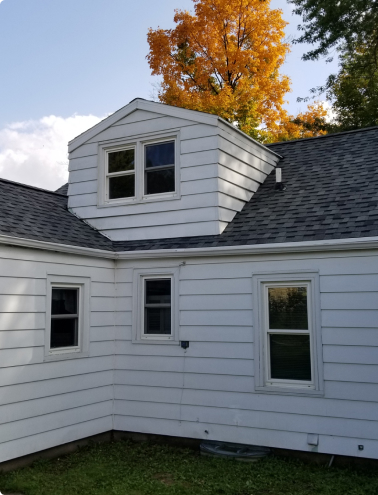
Design flexibility allows roofing systems to complement architectural styles while meeting all necessary performance standards. Complex roof lines with dormers, valleys, and multiple slopes create visual interest but require more attention to load-bearing requirements and water management systems to ensure lasting performance and protection. Working with professional contractors during construction ensures the new roof meets functional, safety, and aesthetic requirements, providing peace of mind and complete protection for homeowners.
Ensure Your Home’s Safety with Prestige Roofing LLC
Understanding the functional requirements of a roof is crucial in maintaining the safety, efficiency, and durability of your home. Prestige Roofing LLC specializes in ensuring that your roof meets all critical performance standards, from weather protection and structural support to energy efficiency and fire safety compliance. Our expert team is equipped to handle every aspect of your roofing needs, ensuring it withstands severe weather, enhances your home’s energy efficiency, and complies with all local building codes.
Call Prestige Roofing LLC today at (920) 791-0414 to schedule a roof inspection or to discuss your roofing needs. Protect your home and family with a roof that’s built to last and perform under any condition.