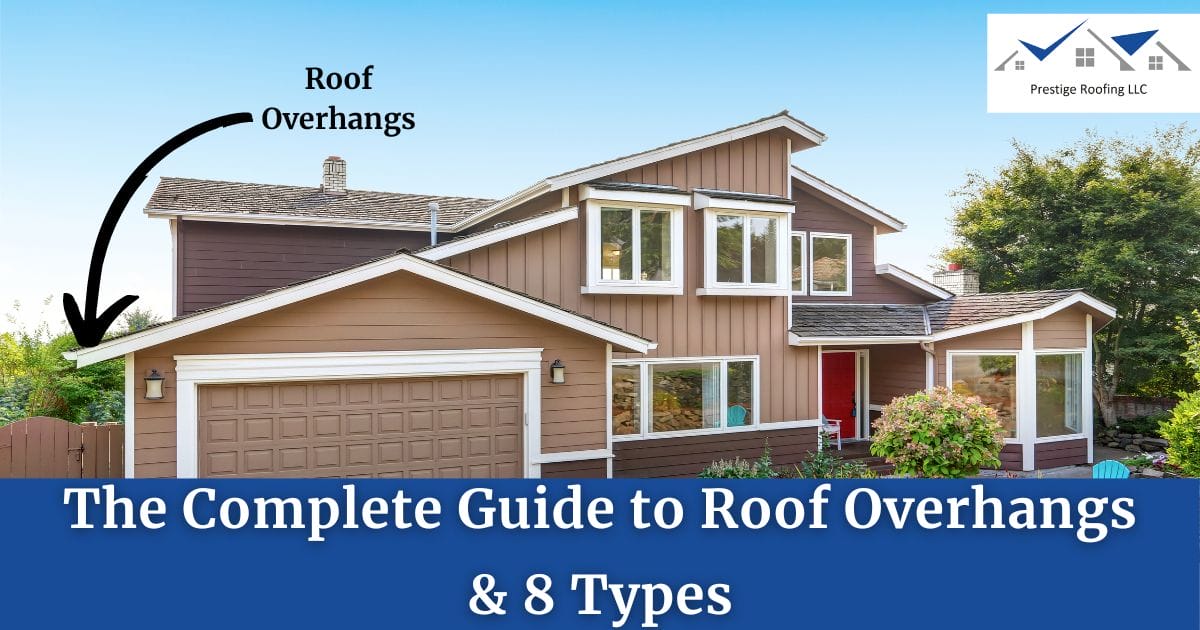

Roof overhangs serve as one of the most important yet often overlooked protective features of residential construction. These horizontal extensions that project beyond the exterior walls of a home create a barrier between harsh weather and the structural components that keep buildings safe and dry.
Understanding how roof overhangs protect your home begins with recognizing their three main components. The eaves form the lower border where the roof meets the outer wall, while the fascia boards run along the eaves’ outer edge. The soffit, positioned underneath the overhang, completes this protective system by covering the exposed rafters and providing proper ventilation.
Roof overhang benefits extend far beyond looks, these architectural features actively prevent water damage by directing rainfall away from the foundation and exterior walls. Without adequate eave protection, moisture can leak into vulnerable areas, causing expensive structural problems over time.
Preventing Water Damage Through Strategic Roof Extensions
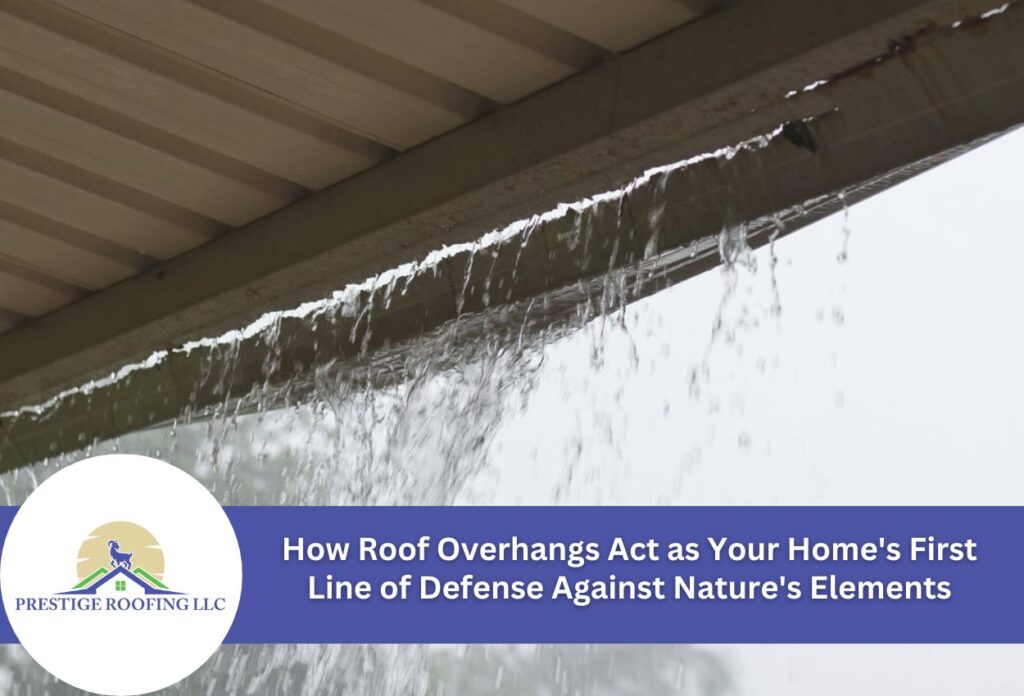
Water damage represents one of the most expensive threats to residential properties, making roof overhang water damage prevention essential for long-term structural integrity. Properly designed overhangs create a protective umbrella that intercepts rainfall before it reaches vulnerable areas of the home’s exterior.
When rainwater hits the roof surface, overhangs guide the water flow into your gutters, keeping it away from foundation walls and siding materials. This redirection prevents moisture from pooling against the building’s base, where it could leak through small cracks or joints. Without adequate eaves protection for homes, water flows directly down exterior walls, increasing the risk of basement flooding and foundation damage.
Effective drainage systems within roof overhangs enhance this protective function through strategically placed gutters and downspouts. These parts work together to channel water safely away from the structure, preventing the accumulation that leads to expensive repairs. The fascia supports these drainage parts while keeping proper airflow.
A proper roof overhang design incorporates appropriate dimensions based on local climate conditions and building height. The best balance ensures maximum roof overhang benefits while maintaining structural stability and curb appeal for residential properties.
Shielding Windows and Doors from Harsh Weather
Windows and doors face constant exposure to rain, snow, and intense sunlight, making them prime targets for weather-related damage. Roof overhangs create essential barriers that significantly reduce the impact of these elements on important entry points.
During heavy rainstorms, overhangs prevent water from directly hitting window frames and door seals. This protection stops moisture from seeping around these openings, where it could cause frame rot, seal deterioration, and interior water damage. Eave protection becomes particularly valuable when wind-driven rain attempts to get into the smallest gaps around entry points.
The positioning of overhangs creates a dry zone immediately adjacent to doors and windows. This protected space allows homeowners to enter and exit during storms without subjecting these vulnerable areas to direct water exposure. Proper roof overhang design ensures adequate coverage while maintaining accessibility and allows natural light to come in.
Sun protection represents another advantage of strategic overhang placement. Intense UV radiation gradually breaks down exterior finishes on window frames and door surfaces, leading to fading, cracking, and premature replacement needs. Roof overhang benefits include filtering harsh sunlight while maintaining comfortable indoor temperatures, reducing cooling costs during summer months. Fascia and soffit protection systems work alongside these overhangs to create weather barriers that preserve both structural integrity and energy efficiency throughout the changing seasons.
Essential Design Elements That Increase Protection
Achieving the best protection requires careful attention to specific measurements and proportions when designing roof overhangs. The overhang’s length directly goes with the level of protection provided, making precise calculations essential for effective coverage. Most residential buildings benefit from overhangs measuring between 12 and 24 inches, though building height and local weather patterns influence these dimensions.
A proper roof overhang design should take the relationship between building height and projection distance into consideration. Taller structures require deeper overhangs to maintain the same protective angle, while single-story homes can achieve excellent coverage with more modest extensions. The goal is to create adequate shadow lines that shield walls and windows without overwhelming the home’s architectural character.
Different roof styles have unique approaches to overhang configuration. Hip roofs naturally protect all sides, giving consistent overhang around the entire perimeter. Meanwhile, gable roofs concentrate protection on the front and back.
Structural integrity plays an important part in determining maximum overhang dimensions. The roof framing system must adequately support the extended load, particularly during heavy snow accumulation periods. Roof overhang benefits reach their maximum potential when engineering requirements align with protective goals, ensuring long-term stability while delivering effective eaves protection for homes. Fascia and soffit protection components must integrate seamlessly with these structural elements to maintain both functionality and visual appeal across various architectural styles.
Safeguarding Your Home’s Exterior Components
The exterior parts of any home face relentless exposure to weather elements throughout the year. Fascia boards, soffits, and siding materials bear the brunt of rain, snow, and UV radiation, making protective measures essential for long-term durability. Roof overhangs create a defensive barrier that significantly extends the lifespan of these important building components.
Fascia boards attach directly to the ends of roof rafters and support gutter systems along the roofline. Without adequate overhang protection, these wooden or composite materials face constant moisture exposure that leads to rot, warping, and structural failure. The soffit areas underneath overhangs provide ventilation while remaining vulnerable to the elements.
Eave protection for homes becomes particularly important when considering the replacement costs of exterior components. Fascia and soffit protection through proper overhang design prevents moisture that causes wood decay and makes damage from insects worse. These protective benefits add up over time, as well-maintained exterior components require fewer repairs and last significantly longer than exposed materials.
Paint finishes on fascia boards and soffits deteriorate rapidly under direct weather exposure. Rain washing and intense sunlight break down protective coatings, leading to frequent repainting requirements and potential wood damage. Roof overhang benefits include creating shaded areas that preserve paint integrity and reduce maintenance demands. This protection proves especially valuable for homeowners seeking to minimize exterior upkeep while maintaining curb appeal throughout changing seasons.
Energy-Efficient Benefits That Lower Your Utility Bills
Strategic roof overhang placement can help you save on energy bills throughout the year by working as a passive climate control system. During the summer, properly designed overhangs block intense solar radiation from getting into windows and heating interior spaces. This natural cooling effect reduces the workload on air conditioning systems, leading to noticeable decreases in monthly utility expenses.
The sun’s angle changes between seasons, making the depth of your roof overhang important for the best possible energy performance. Summer sun sits high in the sky, allowing overhangs to create shade across exterior walls and windows. Winter sun travels a lower path, enabling beneficial solar heat gain to warm homes naturally when heating costs normally peak.
The benefits of a roof overhang extend to year-round temperature regulation through reduced thermal stress on building materials. Exterior walls protected by eaves experience less dramatic temperature fluctuations, helping maintain stable indoor conditions. This stability reduces the cycling frequency of heating and cooling equipment, extending system lifespan while lowering energy consumption.
The energy-efficiency advantages of proper roof overhang design compound over time through reduced strain on HVAC systems. Air conditioning units work less intensively during hot weather when overhangs prevent direct sun exposure on windows and siding. Heating systems similarly benefit from the windbreak effect that fascia and soffit protection provide during cold months, creating utility bill reductions throughout the year.
Maintenance and Long-Term Value Protection for Your Investment
Strategic roof overhang design significantly reduces maintenance requirements across multiple areas of residential properties. Overhangs simultaneously protect siding, windows, doors, and foundation elements from direct weather exposure, creating a defense system that minimizes repair needs throughout the home’s exterior envelope.
The protective umbrella created by properly designed eaves prevents premature deterioration of paint finishes, wood trim, and exterior materials. When these components remain shielded from direct rainfall and intense UV radiation, they maintain their appearance and structural integrity for longer periods. This protection directly leads to reduced painting schedules, less frequent caulking requirements, and fewer emergency repairs during severe weather.
Foundation preservation is one of the most valuable long-term benefits of effective roof overhang water damage prevention. Water that falls directly from rooflines without adequate overhang protection can saturate soil around foundation walls, leading to settlement issues, basement moisture problems, and structural complications. The redirection of water flow away from these critical areas prevents expensive foundation repairs that often require extensive excavation and professional remediation.
Property values benefit from the protection that roof overhangs provide. Homes with well-maintained exteriors and sound structural components command higher market prices and attract more potential buyers. The preventive nature of fascia and soffit protection systems demonstrates proactive maintenance that reassures prospective homeowners about the property’s long-term condition and reduces their anticipated maintenance expenses.
Protect Your Home’s Foundation, Roof, and Energy-Efficiency with Prestige Roofing LLC
Understanding the important role of roof overhangs in protecting your home is essential for any Wisconsin homeowner. These extensions are a vital barrier against the harsh weather conditions prevalent in our region. By directing rainwater away from your home’s foundation and walls, roof overhangs prevent water issues that can lead to expensive damage.
Don’t wait for the weather to take its toll on your valuable investment. Call us today at (920) 791-0414 to ensure your home is protected with the best roofing solutions!