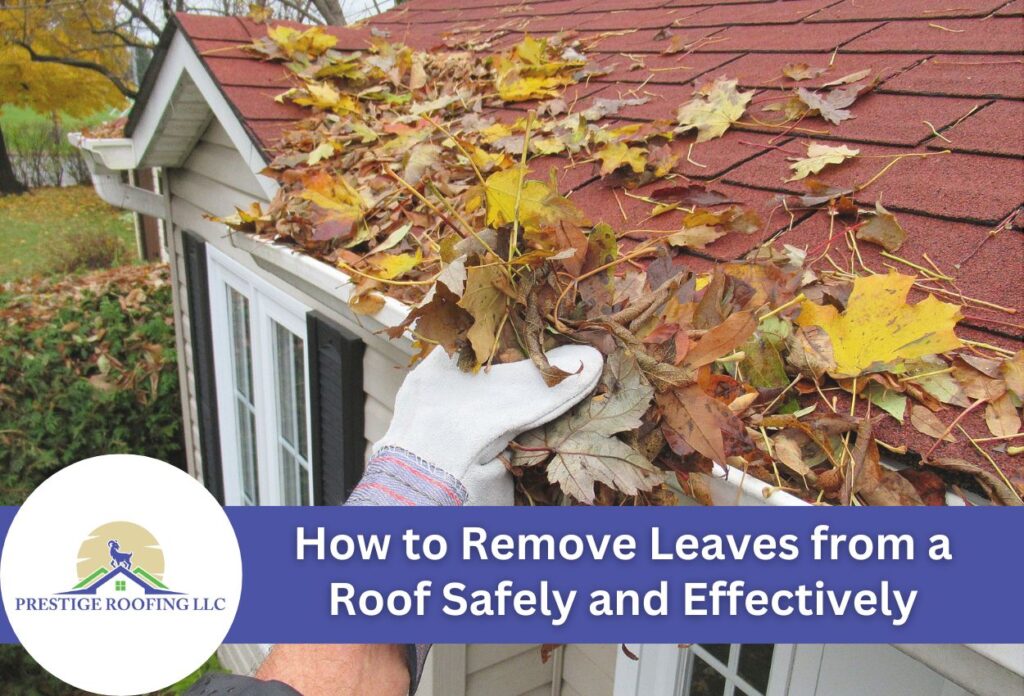
Fallen leaves create a picturesque autumn scene in yards across Green Bay, but when these same leaves accumulate on rooftops, they transform from seasonal beauty into a serious threat to your home’s structural integrity. Many homeowners underestimate the damage that seemingly harmless leaf buildup can cause to their roofing systems.
Accumulated leaves act like sponges, trapping moisture against roofing materials for extended periods. This constant exposure to dampness can lead to rot, mold growth, and deterioration of shingles, underlayment, and wooden structural components. The weight of waterlogged leaves also creates additional stress on roof systems that weren’t designed to handle this extra load.
Without autumn roof maintenance, small problems quickly escalate once the harsh winter weather arrives. Clogged gutters overflow, ice dams form more easily, and water finds its way into places it shouldn’t.
The financial impact of neglecting leaf removal extends far beyond simple cleanup costs. Roof damage from debris can compromise your home’s weather protection, leading to interior damage, reduced energy efficiency, and the need for extensive repairs that proper maintenance could have prevented entirely. Overall, knowing how to remove leaves from a roof is essential for protecting your property and your wallet.
Tools Every Homeowner Needs for Safe Roof Leaf Removal
Having the right roof cleaning tools makes the difference between safe, effective leaf removal and dangerous, incomplete attempts that leave your roof vulnerable. Basic equipment is the foundation for successful autumn roof maintenance, starting with telescoping roof rakes that allow ground-level leaf removal without climbing onto the roof surface.
Leaf blowers designed for outdoor use provide powerful airflow to dislodge stubborn debris from valleys and corners where leaves typically accumulate. Safety gear remains non-negotiable, including slip-resistant shoes, work gloves, and safety glasses to protect against flying debris during the cleaning process.
Professional-grade tools offer superior performance but come with higher costs and learning curves. Commercial leaf blowers deliver greater power than consumer models, while professional roof rakes feature reinforced construction and extended reach capabilities. These tools excel for larger homes or properties with multiple structures requiring regular maintenance.
DIY options work effectively for most residential applications and provide budget-friendly solutions for homeowners comfortable with general maintenance tasks. Standard leaf blowers, extension ladders, and basic safety gear handle typical leaf removal needs when used properly.
Choosing appropriate equipment depends on roof type, height, and personal comfort with elevated work. Removing leaves from a roof safely requires matching your tools to individual circumstances and capabilities to prevent roof damage from debris while maintaining personal safety.
Methods for Removing Leaves Without Damaging Your Roof
The most effective approach to removing leaves involves working from ground level whenever possible. Telescoping roof rakes are the primary tool for this method, allowing homeowners to reach most roof sections without stepping on shingles or tiles that could crack under foot pressure.
Starting at the highest point of the roof prevents leaves from scattering back onto already-cleaned areas. Begin by positioning the telescoping rake at the roof peak and gently pulling debris downward toward the gutters. This technique ensures complete coverage while avoiding the need to repeatedly clean the same sections.
For sections beyond the reach of ground-level tools, working from a properly positioned ladder becomes necessary. Focus on safety by maintaining three points of contact and avoiding overreaching that could compromise balance. Professional roof cleaning tools designed for extended reach minimize the need for ladder work.
When using leaf blowers, maintain adequate distance from the roof surface to prevent damage to granules on asphalt shingles. Direct the airflow from top to bottom, following the natural slope of the roof to guide debris toward gutters and downspouts. This prevents redistributing leaves to areas already cleared.
The key to effective autumn roof maintenance lies in gentle, consistent pressure rather than aggressive scraping that could damage roofing materials. This approach protects your roof while ensuring all debris is removed.
Critical Safety Measures That Could Save Your Life
Personal protective equipment is the first line of defense during any roof work. Non-slip footwear with deep treads provides essential grip on various roofing materials, while safety harnesses and roof anchors offer protection against falls on steeper surfaces. Work gloves prevent cuts from sharp debris and improve grip on roof cleaning tools during extended use.
Weather conditions play a crucial role in determining when roof maintenance should never be attempted. Wet surfaces, high winds exceeding 15 MPH, and temperatures below freezing create dangerous conditions that dramatically increase the risk of accidents. Even light morning dew can transform normally secure footing into treacherous surfaces that lead to serious falls.
Recognizing personal limitations prevents accidents and property damage that occur when homeowners attempt tasks beyond their skill level. Single-story homes with gentle slopes may be manageable for experienced individuals, but steep angles, multiple stories, or complex rooflines require professional expertise. Age, physical condition, and comfort with heights should also factor into decisions about DIY versus professional service.
Professional contractors bring specialized equipment, insurance coverage, and experience handling challenging situations safely. They understand how to remove leaves from a roof without causing structural damage and follow safety tips for leaf removal that protect both workers and property. When autumn roof maintenance involves significant heights, damaged roofing materials, or extensive debris buildup, professional intervention becomes the safer choice that prevents roof damage from debris and personal injury.
Tackling Gutters and Downspouts During Your Leaf Removal Process
Clearing leaves from gutters is equally critical to removing debris from the roof surface itself. Clogged gutters create a domino effect that threatens the entire drainage system, causing water to back up onto the roof where it seeps under shingles and into structural components. This trapped water leads to rot, mold growth, and expensive interior damage that extends far beyond the roofing system.
Blocked downspouts compound drainage problems by preventing water flow away from the foundation. When leaves accumulate in these vertical channels, rainwater has nowhere to go except back up into gutters and eventually onto the roof surface. This backup creates standing water that weighs down gutter systems and stresses mounting hardware designed for flowing water, not static pools.
Gutter cleaning tips emphasize working from stable ladders positioned securely against the home’s structure. Remove debris by hand or with specialized gutter scoops, checking that downspout connections remain clear throughout the process. Flushing gutters with water after debris removal confirms smooth flow and identifies remaining blockages that require additional attention.
Ice dam prevention is especially important as temperatures drop. Clean gutters allow melting snow and ice to flow away from the home instead of refreezing at the roof edges, where it creates destructive ice dams. These barriers force water under shingles, causing leaks and structural damage that proper autumn roof maintenance generally prevents.
Preventing Future Leaf Accumulation and Seasonal Maintenance Tips
Along with removing leaves from the roof and gutters, additional fall maintenance can keep your home protected year-round. Strategic tree trimming reduces the volume of debris that reaches rooftops throughout the year. Removing overhanging branches that extend within 6 feet of the roof line significantly decreases leaf accumulation during autumn months. This prevents the heavy debris loads that make intensive cleaning sessions necessary while maintaining the aesthetic appeal of mature landscaping.
Gutter guards provide ongoing protection against leaves without requiring constant maintenance. These protective systems allow water flow while blocking larger debris from entering the gutter channels. Various designs accommodate different roof types and budget considerations, from simple mesh screens to more sophisticated hood-style systems that deflect leaves while channeling rainwater effectively.
Additionally, establishing a seasonal maintenance schedule prevents small problems from needing professional intervention. Spring inspections identify winter damage, summer checks ensure gutters remain clear, and autumn preparations ready the roof for leaf-fall periods.
Regular maintenance activities include checking for damaged shingles, clearing debris from valleys and corners, and ensuring proper attic ventilation. These routine tasks complement removing leaves from a roof by addressing underlying conditions that make debris accumulation more problematic. Consistent attention to these details prevents roof damage while extending the lifespan of roofing materials through proper care and immediate intervention when issues develop.
Red Flags That Signal You Need Professional Help
Certain warning signs indicate roof damage that requires a professional assessment before attempting any leaf removal activities. Visible sagging sections, missing or damaged shingles, and water stains on interior ceilings signal structural problems that DIY maintenance could worsen. These conditions make climbing on the roof extremely dangerous and may indicate underlying issues that amateur inspection cannot properly evaluate.
Extensive moss growth, cracked flashing around chimneys or vents, and loose or damaged gutters also create hazardous working conditions that exceed typical homeowner capabilities. When DIY roof cleaning cannot safely address these problems, professional contractors possess the specialized equipment and expertise necessary to handle complex repairs while completing thorough debris removal.
Complex roof designs with steep pitches, multiple levels, or intricate architectural features require professional-grade safety equipment and experience that most homeowners lack. Hip roofs, dormers, and slate or tile materials present unique challenges that standard cleaning and basic safety measures cannot adequately address. Attempting to remove leaves from these surfaces without proper training risks personal injury and damage to expensive roofing materials.
Age and physical limitations also warrant professional intervention regardless of roof complexity. When learning how to remove leaves from a roof becomes secondary to safety concerns, experienced contractors provide peace of mind through insured services and proven maintenance techniques. Professional assessments ensure that underlying damage receives proper attention while providing safe, effective cleaning methods that protect both your property and personal well-being.
Protect Your Roof Today with Prestige Roofing LLC
Don’t let leaf buildup lead to unnecessary roof damage. Understanding how to remove leaves from your roof is crucial for maintaining your home’s structural integrity. Regular removal of leaves is essential to prevent moisture retention, which can weaken your roof and lead to expensive repair bills. At Prestige Roofing LLC, we specialize in professional roof maintenance that ensures your roof remains in excellent condition, preventing damage before it starts.
If you’re unsure about tackling this task alone or if you notice any signs of damage, it’s vital to call in the experts. For a thorough roof inspection and maintenance, contact Prestige Roofing LLC at (920) 791-0414. Our team has the tools and expertise to efficiently clear your roof of leaves and debris, ensuring your home is protected year-round.
A clean roof is more than just an aesthetic choice; it’s a necessary measure to enhance the longevity and safety of your home. Call us today at (920) 791-0414!