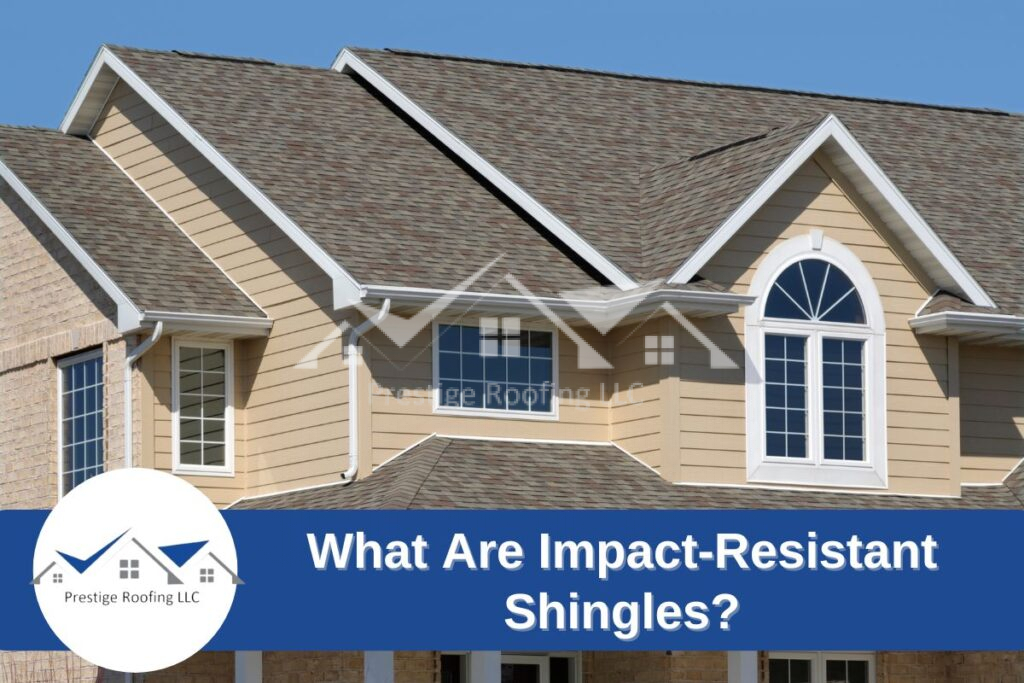
Living in Wisconsin means dealing with a variety of different weather conditions, from heavy snowfall in winter to hailstorms and high winds in the spring and summer. These conditions can take a toll on your home’s roof, making it essential to invest in materials that provide long-lasting protection. Recent data estimates hail damage costs the insurance industry $30-40 billion annually. Impact-resistant roofing, especially Class 4 shingles, can offer superior defense against the elements, ensuring your home remains secure and damage-free.
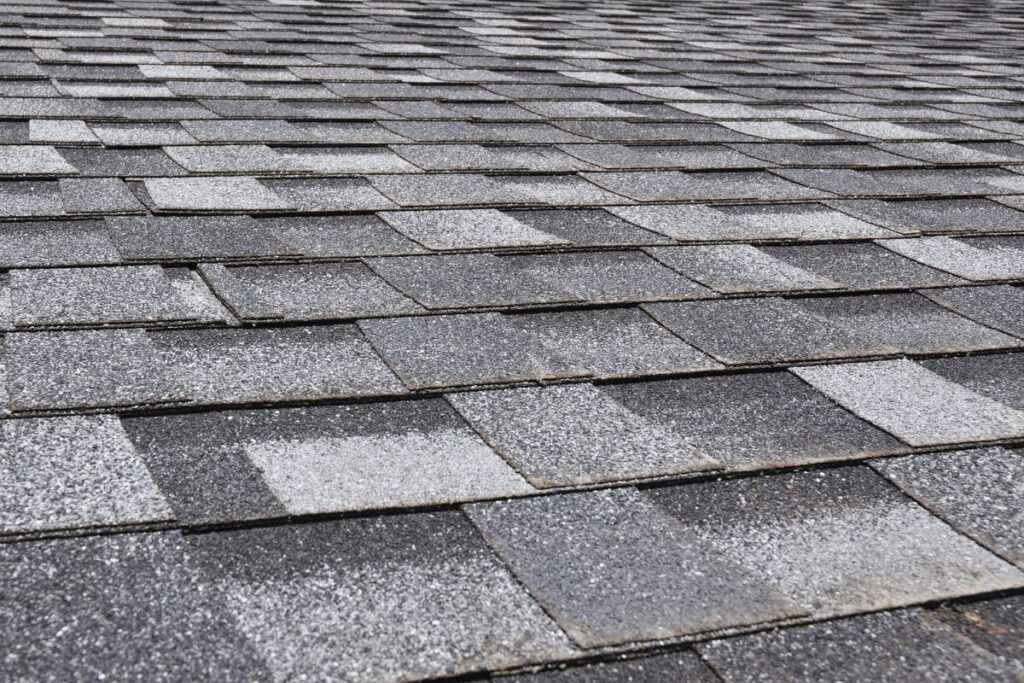
Unlike regular shingles, which often get damaged in extreme weather events like high heat, hail storms, snow storms, and wind, impact-resistant shingles can tackle anything with ease. These shingles are made up of advanced roofing materials like rubberized asphalt, polymer, and metal, making them a strong consideration in discussions about metal roofs vs shingles, that help absorb the force and do not crack or break under the impact of such natural weather events. Another thing that makes impact-resistant shingles a better option for your home is that they provide better durability and maintain the curb appeal you expect for your home.
Key Takeaways: Impact-Resistant Shingles
- Highest Protection Level: Class 4 shingles withstand hailstones up to 2 inches in diameter at 85-95 mph without damage—the highest UL 2218 rating available.
- Insurance Savings: Installing impact-resistant shingles qualifies homeowners for premium discounts of 15-25% due to their superior hail and weather resistance.
- Extended Lifespan: Impact-resistant shingles can extend your roof’s life by 15-25 years in Wisconsin’s climate, reducing repair frequency and replacement costs.
- Top Wisconsin Picks: GAF Timberline AS II, Owens Corning Duration STORM, and Malarkey Legacy Scotchgard offer wind ratings up to 130-160 mph with SBS polymer technology.
What Are Class 4 Shingles?
Class 4 shingles are the highest-rated impact-resistant shingles available, tested and certified for their ability to withstand severe impacts without losing structural form and durability. The classification system, developed by Underwriters Laboratories (UL), ranks shingles on a scale of 1 to 4 based on their impact resistance. Class 4 shingles must endure rigorous testing, proving they can handle hailstones up to 2 inches in diameter (larger than a golf ball) without showing visible signs of damage, equivalent to wind speeds of 90-130 mph.
These advanced shingles feature specific construction elements including SBS (styrene-butadiene-styrene) rubber-like polymers in the asphalt mix and reinforced backing layers that provide exceptional durability. Wisconsin building codes require shingles to meet ASTM D 3462 standards for tear strength and performance under weather stress, and Class 4 shingles exceed these requirements by a wide margin.
How Do Shingles Qualify For A UL 2218 Class 4 Shingle Rating?
Shingles must pass the UL 2218 standard to earn a Class 4 rating. This test calculates their ability to withstand impacts without cracking or splitting.
Process Of The Test:
- A steel ball is dropped from different heights to evaluate the impact of the ball, simulating the impact of hail hitting the roof at speeds of 85-95 mph.
- After performing the experiment, cracks, punctures, and any other damage is evaluated on the shingle.
- To qualify as Class 4, the shingles must show no visible signs of damage even after repeated impacts.
- This rigorous process ensures that Class 4 shingles, like GAF shingles, offer the highest level of protection for your roof.
In 2025 impact testing, out of 20-25 products evaluated, only 15-20 achieved a ‘Good’ rating, demonstrating that certification is rigorous and not all products pass.
| UL Class | Steel Ball Size | Drop Height | Impact Force | Hail Equivalent |
|---|---|---|---|---|
| Class 1 | 1.25 inches | 12 feet | Lowest | ~1 inch hail |
| Class 2 | 1.5 inches | 15 feet | Low-Moderate | ~1.25 inch hail |
| Class 3 | 1.75 inches | 17 feet | Moderate-High | ~1.75 inch hail |
| Class 4 | 2 inches | 20 feet | Highest (85-95 mph) | ~2 inch hail (golf ball+) |
What Makes Impact-Resistant Shingles Unique?
Here are some features that make these shingles an exciting roofing choice:
#1. Reinforced Structure
Impact-resistant shingles generally possess a fiberglass mat or a polymer-modified layer that makes them tougher and less prone to cracking or tearing than a regular shingle.
#2. Flexibility
Unlike standard asphalt shingles, impact-resistant asphalt shingles can bend under stress without breaking, allowing them to absorb impacts better.
#3. Protective Coating
These shingles have a special coating made out of granules or additional materials to protect them from UV rays and weathering.
#4. UL 2218 Class 4 Rating
Impact-resistant roof shingles are designed to meet high safety standards and can easily endure the forces of nature, saving your roof from any significant damage.
Why Choose Class 4 Impact-Resistant Roofing Shingles?
Here are some of the reasons why you should choose a Class 4 impact-resistant roofing material for your home:
Superior Protection
Superior shingles provide exceptional protection against harsh weather, including heavy rain, strong winds, hail, and extreme temperatures. Their advanced design helps them to ensure its durability, and reliability while outperforming lower-rated shingles. This property of impact-resistant shingles also safeguards your home from any other damage and affects the long-lasting performance of your roof.
Insurance Benefits
Due to their high resistance, installing impact-resistant shingles offers better insurance benefits. With a very low chance of getting any physical damage or potential problems from hail, snow, or heavy rain, these impact-resistant shingles tend to qualify for premium discounts of 15-25%. This helps you maintain better insurance coverage for your home.
Longer Lifespan
Impact-resistant shingles offer a longer lifespan by reducing the need for frequent repairs and replacements after their installation, potentially extending the roof’s life by 15-25 years in Wisconsin’s climate. Designed to withstand harsh weather conditions, impact-resistant roofing shingles minimize structural damage like cracking and curling on your roof. Though they have higher upfront costs, their extended lifespan and warranties provide better protection and low maintenance, making them a smart investment for homeowners.
Superior Water Resistance
Impact-resistant shingles offer superior moisture protection with enhanced sealing capabilities. This helps prevent water infiltration, reducing the risk of leaks and water damage to the interior of your home. Their watertight performance ensures long-lasting protection and peace of mind during heavy rains or storms.
Better Aesthetic Appeal
Modern impact-resistant shingles combine beauty and strength, offering a wide range of styles, textures, and colors to suit any home. This versatility allows homeowners to maintain curb appeal while enjoying unmatched durability and performance.
Superior Value
While the initial investment in impact-resistant shingles may be higher, typically ranging from $5,000 to $9,000 for materials and installation depending on roof size, their long-lasting performance and reduced maintenance needs translate to significant cost savings over time. Additionally, many homeowners benefit from insurance discounts for installing these highly durable shingles, further enhancing their value.
Drawbacks of Impact-Resistant Shingles
Even though these advanced roofing materials provide a great deal of advantages for your roof, there are a few things you might want to look into before making any final decisions.
Higher Cost
Impact-resistant shingles are often considered quite expensive compared to more traditional options, due to their advanced materials and longer lifespan, which can lead to a higher upfront investment. While the initial cost is higher, the added protection and reduced need for repairs or replacements can make them more cost-effective in the long term.
Limited Availability
As impact-resistant shingles are not a commonly used roofing material, their availability, in comparison to other roofing shingles, makes them difficult to find across the country. This limited availability can sometimes delay projects or increase overall costs, especially in regions where severe weather isn’t as frequent.
Installation Requirements
The precise installation required for impact-resistant shingles often demands more time and expertise, which ultimately increases labor costs and the overall project expenses. Due to their specialized nature, roofing contractors may charge higher rates for installation, which could stretch your roofing budget.
Best Impact-Resistant Shingles For Wisconsin
Here are some of the best impact-resistant shingles you can choose to strengthen the protection of your home
GAF Timberline® AS II
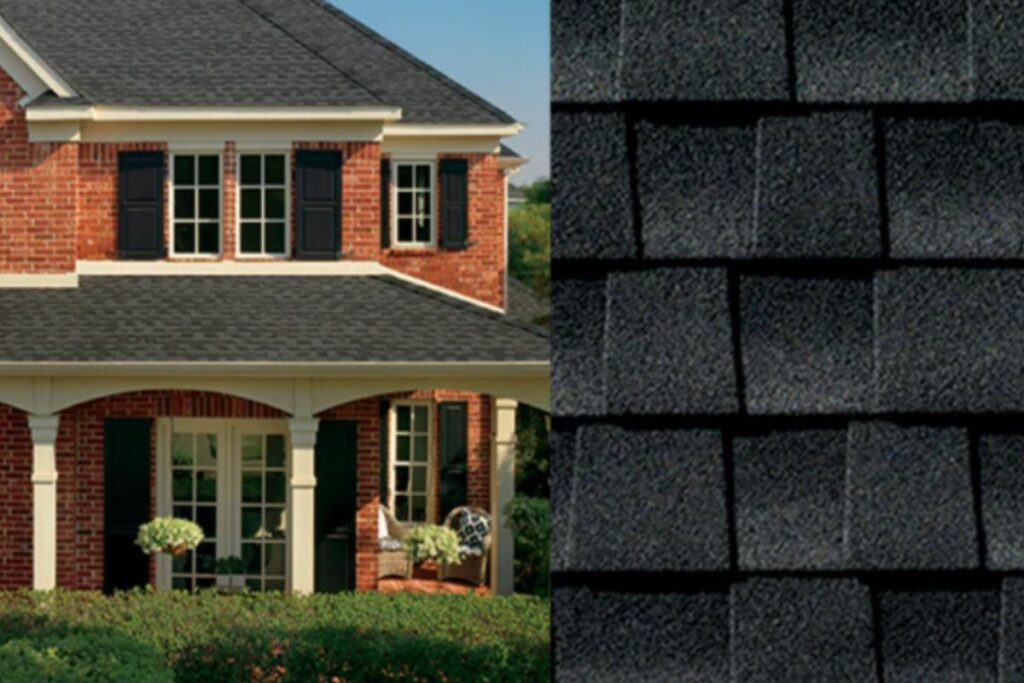
The ArmorShield II shingles are an impact-resistant option designed by GAF using modified asphalt for enhanced impact resistance. These shingles feature an SBS reinforced fiberglass mat and specially formulated asphalt, StainGuard Plus algae protection limited warranty, WindProven limited wind warranty, and 7 high-definition color options.
CertainTeed NorthGate® ClimateFlex®
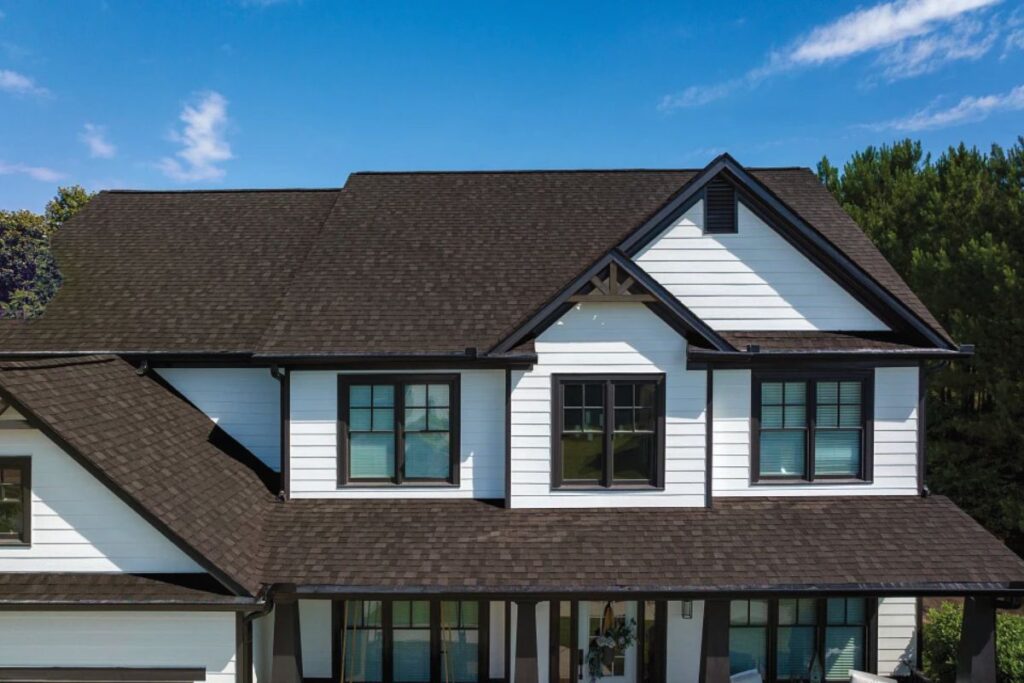
The NorthGate ClimateFlex impact-resistant shingle features rubber-like flexibility for superior hail protection while ensuring the shape and integrity of the shingles. These shingles also include UL Class A fire rating, designed to handle winds up to 110 mph with additional upgrade options, StreakFighter protection, and multiple layers for durability and dimensional appearance.
Owens Corning Duration STORM®
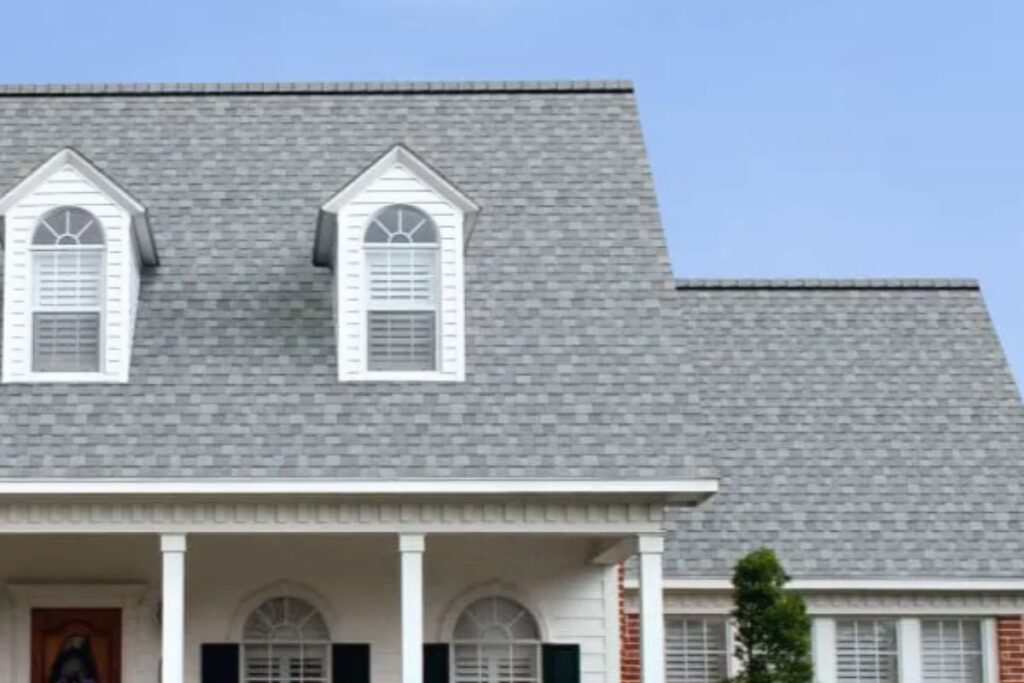
Reinforced with patented WeatherGuard® Technology for enhanced durability against impacts and wind, these impact-resistant shingles from Owens Corning are among the top shingles used in areas prone to frequent storms.
Malarkey Legacy® Scotchgard
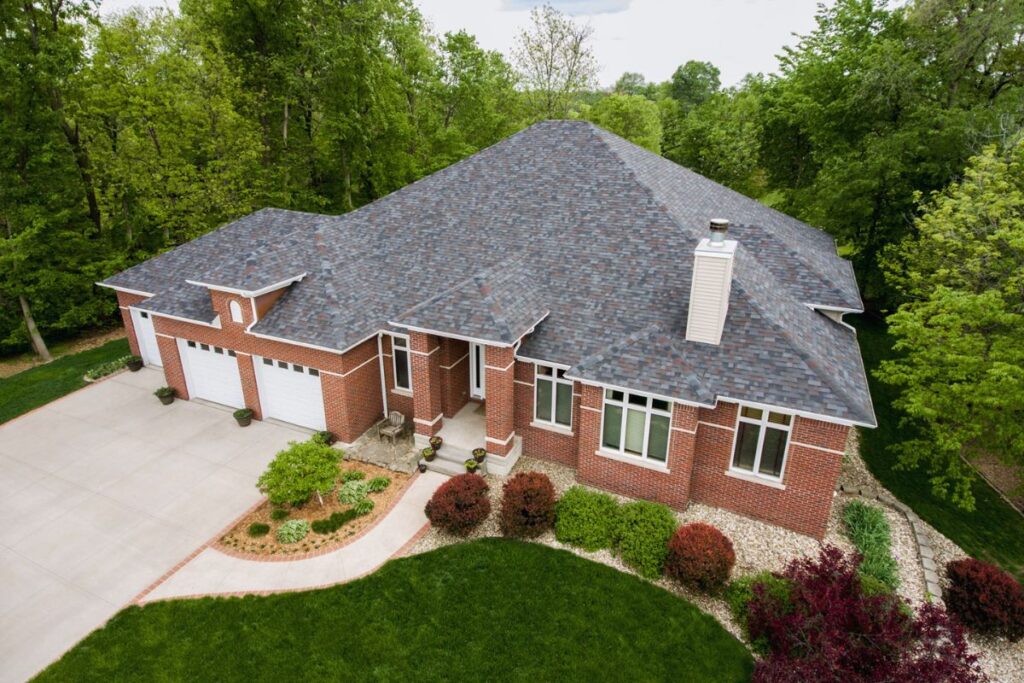
Constructed with polymer-modified asphalt, Legacy® Scotchgard offers exceptional flexibility and durability for your home. These eco-conscious shingles use NEX Rubberized Asphalt for superior flexibility and impact resistance, rated for winds up to 110-130 mph. The technology allows them to take hits from hail without breaking or granule loss.
Atlas StormMaster Shake
StormMaster Shake features Core4 technology and 3M Scotchgard Protector to prevent black streaks from algae, plus 10 color options including 4 bold new shingle color options.
TAMKO StormFighter FLEX
This award-winning shingle uses proprietary ForceFX polymer technology, is available in both Class 3 and Class 4 ratings, and offers a 160 mph wind warranty.
| Brand & Product | Key Technology | Wind Rating | Algae Protection | Color Options |
|---|---|---|---|---|
| GAF Timberline AS II | SBS reinforced fiberglass mat | WindProven warranty | StainGuard Plus | 7 HD colors |
| CertainTeed Presidential Shake | Multi-layer dimensional design | Up to 110 mph | StreakFighter | Multiple |
| Owens Corning Duration Storm | SureNail Technology | 130 mph warranty | Included | Multiple |
| Malarkey Legacy Scotchgard | NEX Rubberized Asphalt | 110-130 mph | 3M Scotchgard | Multiple |
| Atlas StormMaster Shake | Core4 technology | Class 4 rated | 3M Scotchgard Protector | 10 colors (4 new) |
| TAMKO StormFighter FLEX | ForceFX polymer | 160 mph warranty | Included | Multiple |
Who Can Help You Install These Shingles?
Impact-resistant shingles require extensive knowledge and years of roofing experience to be installed correctly. Without a proper installation, they won’t be able to create the same impact, and you will have to suffer from heavy losses in money and time.
If you’re ready to protect your home and replace it with a new, durable roofing material, reach out to us at Prestige Roofing LLC. Our decade-long experience will help you install your roof with the precision that you dream of. Call us today at (920) 791-0414 for a consultation.
How long does it take to install impact-resistant shingles compared to standard shingles?
Impact-resistant shingle installation typically takes 1-3 days longer than standard shingles due to specialized installation techniques and careful handling requirements. Contractors must ensure proper alignment and secure fastening to maintain the Class 4 rating’s protective benefits. Weather conditions and roof complexity can also extend the timeline.
Can I install impact-resistant shingles over my existing roof, or do I need complete tear-off?
Most manufacturers and building codes require complete tear-off before installing Class 4 impact-resistant shingles to ensure proper performance and warranty coverage. Installing over existing shingles can compromise the impact resistance and void manufacturer warranties. A clean deck allows inspectors to identify and repair any underlying damage.
Will impact-resistant shingles make my roof heavier and require additional structural support?
Class 4 shingles are slightly heavier than standard asphalt shingles due to reinforced materials, but most residential structures can support them without modifications. Your roofing contractor should evaluate your roof’s structural integrity during inspection. Homes built to Wisconsin building codes typically have adequate support for these advanced materials.
Do impact-resistant shingles require special maintenance or cleaning procedures?
Impact-resistant shingles require the same basic maintenance as standard shingles—annual inspections, gutter cleaning, and debris removal. Their algae-resistant coatings reduce the need for frequent cleaning. Avoid pressure washing, which can damage the protective granules regardless of shingle type.
What happens to my Class 4 shingle warranty if I experience hail damage?
Class 4 shingles are designed to resist hail damage, but warranties typically cover manufacturing defects rather than storm damage, which falls under homeowner’s insurance. Documentation of the UL 2218 Class 4 rating helps support insurance claims. Always review specific warranty terms with your manufacturer and contractor before installation.