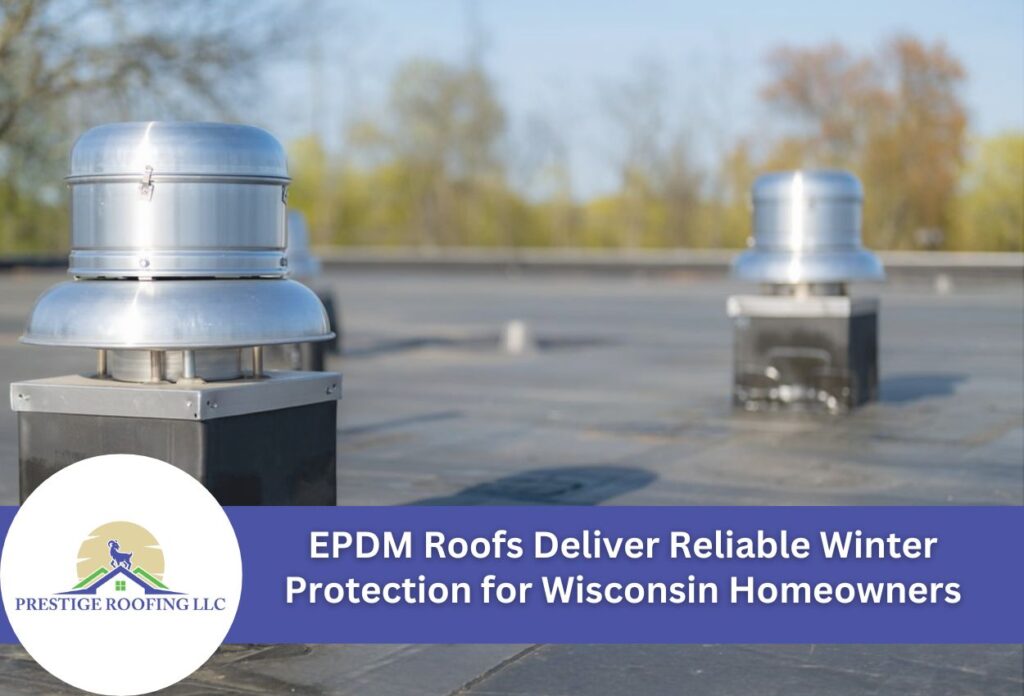

EPDM rubber roofing maintains its effectiveness throughout Wisconsin’s harsh winters, providing homeowners with dependable protection against snow, ice, and freezing temperatures. This synthetic rubber membrane demonstrates exceptional temperature resistance, remaining flexible and waterproof even when mercury drops well below zero degrees Fahrenheit.
Many property owners question whether their flat roof durability in cold weather matches that of traditional pitched roofing systems. EPDM rubber roof winter performance actually excels in extreme conditions due to the material’s inherent properties and engineering design. The membrane contracts and expands without cracking or splitting, while its smooth surface prevents ice dams and facilitates proper drainage when temperatures rise.
EPDM roofing systems handle substantial snow loads through proper installation techniques and structural support. The rubber membrane’s flexibility allows it to accommodate building movement caused by temperature fluctuations without compromising the roof’s integrity. Combined with appropriate insulation and ventilation, EPDM systems create a comprehensive barrier against winter weather while maintaining energy efficiency throughout the coldest months of the year.
Temperature Resistance Properties of EPDM Rubber Membranes
EPDM rubber demonstrates exceptional temperature resistance through its unique molecular structure, which consists of ethylene-propylene terpolymer chains that remain flexible across extreme temperature ranges. These molecular bonds allow the membrane to maintain elasticity from -40 degrees Fahrenheit to 300 degrees, ensuring an EPDM roof remains effective in winter conditions without becoming brittle or cracking.
The scientific composition of EPDM includes saturated polymer chains that resist thermal degradation and oxidation. This molecular stability prevents the rubber from hardening during Wisconsin’s subzero temperatures while maintaining its waterproofing capabilities during summer heat waves. The material’s low glass transition temperature means it stays pliable even when exposed to harsh winter conditions.
Real-world performance data confirms EPDM rubber roof winter performance consistently outperforms many traditional roofing materials. Independent testing shows EPDM membranes retain their flexibility after decades of temperature cycling between seasonal extremes. The rubber roof snow load capacity increases due to this flexibility, as the membrane distributes weight evenly across the roof deck without stress concentration points that could lead to failure during heavy snowfall.
Snow Load Capacity and Structural Support
EPDM roofing systems excel at distributing weight from accumulated snow and ice across the entire roof structure through their flexible membrane design. The rubber material stretches uniformly under load, preventing stress concentration points that could compromise the roof deck. This weight distribution capability allows the system to handle significant snow accumulation without creating weak spots or potential failure areas.
Engineering standards require EPDM installations to meet specific structural support requirements based on local snow load calculations. Proper installation includes reinforced attachment points, appropriate decking materials, and strategic membrane positioning to handle expected winter loads. These safety margins account for both dead loads from roofing materials and live loads from snow accumulation typical in northern climates.
The rubber roof snow load capacity depends heavily on proper structural engineering and installation techniques. EPDM systems distribute loads more effectively than rigid roofing materials because the membrane flexes with building movement caused by thermal expansion and snow weight. This flexibility prevents membrane tearing while maintaining watertight seals around gaps and attachment points during heavy snow.
Preventing Ice Dams and Leaks in Your Home
EPDM rubber roofing systems incorporate specific design features that effectively minimize ice buildup along roof edges and drainage areas. The membrane’s smooth surface prevents snow and ice from adhering strongly to the roof, allowing accumulated precipitation to slide off more easily during warming periods. This characteristic significantly reduces the formation of ice dams that commonly plague other roofing materials during freeze-thaw cycles.
Proper installation techniques ensure seamless water management throughout winter by creating continuous waterproof barriers without vulnerable seam joints. EPDM systems utilize large membrane sheets that cover expansive roof areas with minimal connections, reducing potential leak points where ice formation could force leaks to form. Professional contractors position drainage components strategically to maintain proper water flow even when temperatures fluctuate around freezing.
The flat roof’s durability in cold weather depends on maintaining effective drainage during repeated freeze-thaw cycles. EPDM installations include tapered insulation systems that direct water toward drainage points while preventing ponding that could freeze and create ice dams. The temperature resistance of EPDM allows the membrane to flex during thermal cycling without compromising sealed connections around drains, vents, and roof gaps where ice formation typically concentrates.
Insulation Requirements for the Best Performance in Winter
Proper insulation beneath EPDM membranes serves as a critical component for preventing thermal bridging that can compromise winter performance and create condensation problems. Thermal bridging occurs when heat transfers through structural elements, creating temperature differentials that lead to ice formation and moisture accumulation within the roofing system. Adequate insulation maintains consistent temperatures across the roof deck, preventing these thermal irregularities.
EPDM roofing system insulation needs vary based on building type and local climate conditions, with Wisconsin requiring higher R-values due to extended cold weather periods. Continuous insulation installation eliminates gaps where thermal bridging could develop, while vapor barriers control moisture movement that leads to condensation issues. The insulation layer also provides additional structural support for the EPDM membrane during snow loading.
Effective insulation strategies include rigid foam boards installed in multiple layers with staggered joints to eliminate thermal breaks. This configuration ensures flat roof durability in cold weather while maintaining energy efficiency throughout winter. Professional installation techniques secure insulation properly without creating gaps that compromise the thermal barrier, allowing the EPDM rubber roof’s winter performance to reach its full potential through reduced heat loss and consistent membrane temperatures.
Maintenance Practices That Extend EPDM Durability
Regular maintenance practices directly impact how effectively an EPDM roof performs during winter conditions, with proactive care extending membrane lifespan and preventing expensive repairs. Scheduled inspections and seasonal preparation help identify potential vulnerabilities before harsh weather arrives, ensuring the rubber roofing system maintains its protective capabilities throughout Wisconsin’s challenging winters.
Pre-winter inspection protocols focus on membrane condition, drainage functionality, and attachment integrity to address issues that could get worse under snow loads and temperature extremes. Property owners who implement consistent maintenance schedules report better EPDM rubber roof winter performance and fewer emergency repairs during cold weather periods. These preventive measures prove essential for maintaining flat roof durability in cold weather conditions.
Pre-winter inspection checklists should systematically evaluate membrane surfaces for punctures, tears, or areas where weathering has affected rubber flexibility. Inspectors examine seam integrity around membrane joints, checking for separation or adhesive failure that could allow leaks during freeze-thaw cycles. Flashing connections around gaps require careful assessment to identify loose attachments or deteriorated sealants that need repair before winter weather arrives.
Drainage components need thorough examination to ensure proper function during snowmelt periods when water flow becomes critical for preventing ice dam formation. Gutters, downspouts, and roof drains should be cleared of debris that could create blockages during winter precipitation. The rubber roof snow load capacity depends partly on effective drainage, making these components essential elements of pre-winter preparation protocols.
Safe snow removal methods protect EPDM membrane surfaces from damage while reducing excessive weight loads during heavy snowfall periods. Snow removal should use plastic shovels or soft-bristled tools rather than metal implements that could puncture or scrape the rubber membrane. Removal techniques focus on creating drainage paths rather than clearing the entire surface of the roof, allowing natural melting to handle remaining accumulation without risking membrane damage through aggressive removal practices.
Long-Term Value and Lifespan in Cold Climates
EPDM roofing systems typically provide 20 to 30 years of reliable service in northern climates when properly installed and maintained. The material’s inherent resistance to temperature extremes allows it to withstand repeated freeze-thaw cycles without degrading, making it an excellent choice for Wisconsin’s challenging weather conditions. Professional installation with appropriate insulation and drainage components maximizes this service life expectancy.
The temperature resistance of EPDM contributes significantly to its long-term value proposition compared to alternative flat roofing materials. While initial installation costs may vary, the extended lifespan and reduced maintenance requirements of EPDM systems often result in lower total ownership expenses over time. The rubber membrane maintains its flexibility and waterproofing properties throughout decades of seasonal temperature variations.
Cost-effectiveness analysis reveals EPDM rubber roof winter performance typically surpasses modified bitumen and built-up roofing systems in cold climates. The membrane’s ability to handle snow loads without cracking or splitting reduces emergency repair costs during winter. Additionally, EPDM roofing system insulation needs align well with energy efficiency goals, potentially reducing heating costs while extending membrane longevity through consistent temperature control across the roof assembly.
Discover How Prestige Roofing LLC Ensures Your EPDM Roof Stands Strong Against Wisconsin Winters
If you’re concerned about how your roof will hold up during the harsh Wisconsin winter, Prestige Roofing LLC has the expertise to ensure your EPDM roofing system performs best. EPDM roofs are known for their exceptional temperature resistance and ability to handle significant snow loads, making them ideal for the cold climate in Wisconsin. At Prestige Roofing LLC, we specialize in the installation and maintenance of EPDM roofing systems that are designed to prevent ice dams and manage leaks effectively.
Don’t wait for the snow to start falling to think about the condition of your roof. Call us today at (920) 791-0414 to schedule a pre-winter inspection or to discuss your roofing needs. Let Prestige Roofing LLC help you maximize the lifespan and performance of your EPDM roof, ensuring it provides reliable protection and insulation through the winter and beyond.