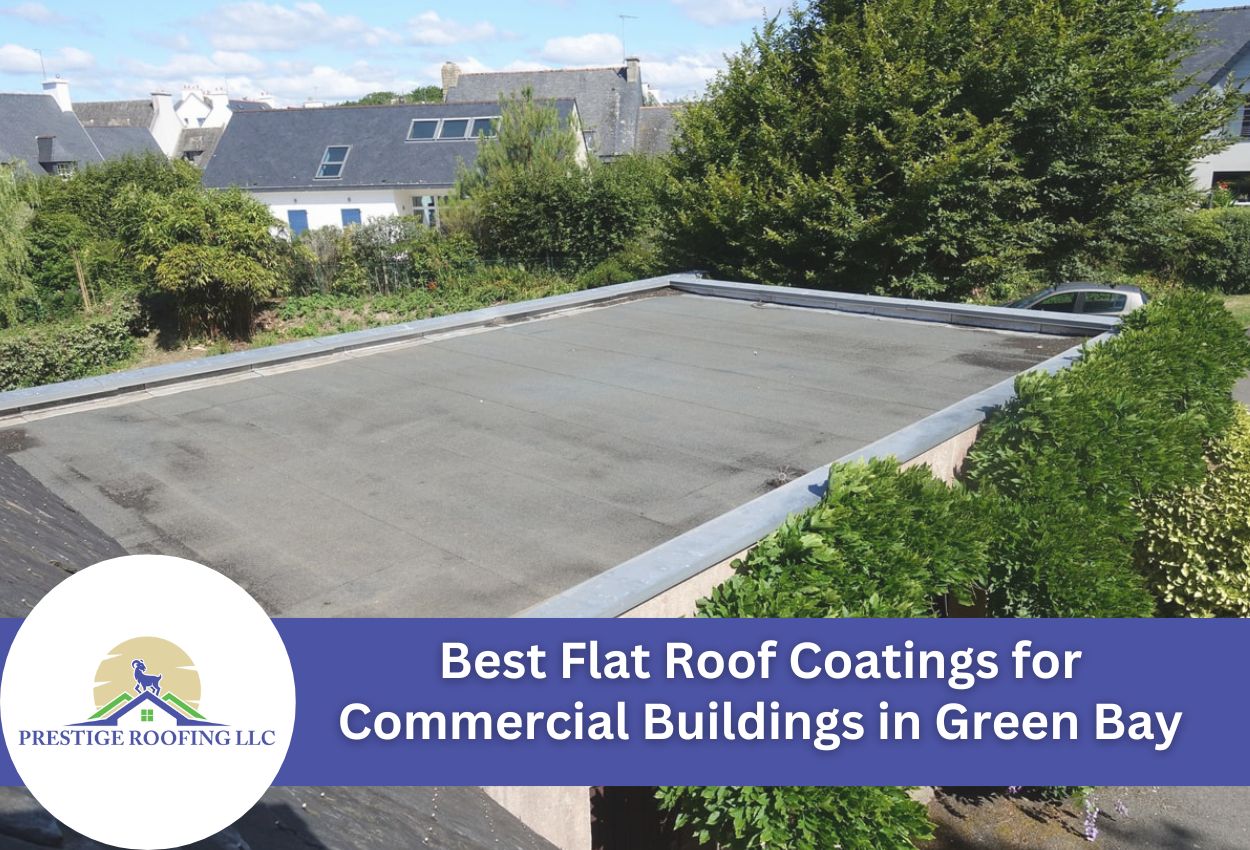

Your roof is one of the most critical components of your building, protecting you from harsh conditions and helping maintain a comfortable indoor environment. But like anything else, it needs regular care and maintenance to perform its best. That’s where roof coatings come in, especially when considering the best flat roof coatings for commercial buildings to maximize durability and long-term performance. A roof coating involves applying a protective layer to the roof’s surface, which can extend its lifespan, enhance energy efficiency, and improve your property’s overall appearance.
A roof coating is a protective layer applied to an existing roof to enhance its durability and resistance to damage. It is usually in a liquid form that is layered on the entire roof. Most coatings are liquid-applied and cure into a seamless, flexible membrane that adapts to the roof’s surface. Roof coatings differ from traditional repairs or replacements because they are applied over an existing roof rather than requiring the removal of materials.
Whether you’re a new homeowner or a business owner, understanding roof coatings can save you money and stress in the long run. Let’s explore how this simple process can make a big difference for your home or building.
Note: Most roof coatings are meant to be used on flat or low slope roofs, not pitched ones. A roofing professional can help you determine if your roof can be coated.
Key Takeaways: Roof Coatings
- Dramatic Energy Savings: Reflective white roof coatings lower roof temperatures by 40-50 degrees, significantly reducing cooling costs during summer months.
- Silicone for Ponding: Choose silicone coatings (15-20 year lifespan) for flat roofs with water pooling issues—they withstand ponding water better than other types.
- Not a Repair Solution: Only apply roof coatings to structurally sound roofs; they cannot fix severe damage, rot, or roofs with over 30% damage.
- Polyurethane for Traffic: High-traffic commercial roofs need polyurethane coatings (15-30 years), which offer superior impact resistance and durability against foot traffic.
What Are The Benefits of Roof Coatings?
Why should you invest in a roof coating? It offers a variety of benefits for your roof that go beyond just additional protection. Let’s delve into the specific benefits of roof coatings and how they can transform your building’s longevity and performance.
Extend The Life Of Your Roof
Roof coatings are another layer that goes over your existing roofing material. This acts as a shield for your roof and protects against the sun’s harsh UV rays, heavy rain, and other environmental factors that can cause your roof to deteriorate over time.
By creating this additional protective layer, roof coatings can prevent cracks, leaks, and other forms of damage. This means your roof can last several years longer than it would without a coating. This helps delay the need for costly replacements and extensive repairs. This translates to fewer headaches for you and significant long-term savings.
Can Lower Your Properties’ Energy Bills
A high-quality roof coating can make your home or business more energy-efficient. How? The majority of the coatings for roofs are UV resistant, which means they can easily reflect sunlight and reduce heat absorption.
This is particularly beneficial during hot summer months when cooling costs can skyrocket. Reflective, white roof coatings can lower roof temperatures by up to 40-50 degrees, which in turn decreases the amount of heat transferred into your home or building. Some coatings also offer thermal insulating properties, helping to maintain a stable indoor temperature year-round. This makes your living space more comfortable and leads to noticeable reductions in your energy bills.
Enhanced Protection Against the Elements
Roof coatings provide a robust barrier that shields your roof from the elements. They protect against rain, wind, hail, and even chemical damage. In areas prone to heavy rainfall, silicone coatings, for instance, can withstand ponding water, preventing leaks and water damage.
Roof leaks can be a nightmare. Leaks generally start small and then aggravate into big problems. But if you have a coating on your roof, the risk of leaks reduces significantly. Roof coatings provide an added layer of waterproofing, sealing small cracks and gaps that could turn into leaks.
This shielding is essential to enhance the overall strength of your roof and prevent issues such as mold growth and rot. Additionally, the coatings can help prevent physical damage from debris and impacts, keeping your roof in top condition.
Can Help You Save Money On Repairs And Maintenance
While applying a roof coating is an upfront investment, it pays off by reducing maintenance and repair costs over time. Coated roofs require less frequent maintenance because the protective layer minimizes wear and tear. This means fewer repair expenses and less downtime for your business. Additionally, since many coatings can be applied over existing roofing materials, you can avoid the cost and hassle of a complete roof replacement. The overall savings from extended roof life, lower energy bills, and reduced maintenance can be substantial.
Can Help You Save Money On Repairs And Maintenance
While applying a roof coating is an upfront investment, it pays off by reducing maintenance and repair costs over time. Coated roofs require less frequent maintenance because the protective layer minimizes wear and tear. This means fewer repair expenses and less downtime for your business. Additionally, since many coatings can be applied over existing roofing materials, you can avoid the cost and hassle of a complete roof replacement. The overall savings from extended roof life, lower energy bills, and reduced maintenance can be substantial.
Enhances Aesthetic Appeal
A fresh roof coating can make your roof look as good as new. Other than white coatings are available in various colors and finishes, allowing you to choose one that complements your building’s exterior.
A well-maintained roof boosts curb appeal, making your building look newer and more attractive. This can be particularly beneficial if you plan to sell your property, as a visually appealing roof can increase its market value.
Environmental Sustainability
By extending your roof’s life, coatings help reduce construction waste that would otherwise end up in landfills. Some coatings are even made with environmentally friendly materials, making them a sustainable choice for those looking to reduce their environmental impact.
Potential Drawbacks of Roof Coatings
While beneficial, roof coatings have limitations:
Not an Alternative for Repairs and Replacement
Coatings cannot fix severely damaged or structurally compromised roofs with significant leaks, sagging, or rot.
Regular Maintenance Required
Recoating may be needed every few years. UV exposure, heavy rain, and debris can degrade coatings over time.
Initial Costs Can Be High
While they offer long-term savings, the upfront investment can be significant.
What Are The Types Of Roof Coatings?
The benefits we talked about in the section above cover roof coatings as a whole. However, there are several types of roof coatings available on the market. Elastomeric and white coatings account for 65-70% of the market share, making them the standard industry choice for reflectivity and energy savings. Let us take a look at a few of them:
| Coating Type | Lifespan | Best For | Key Benefits | Limitations |
|---|---|---|---|---|
| Acrylic | 10-15 years | Budget-conscious projects | Cost-effective, UV-resistant, easy application | Not ideal for ponding water |
| Silicone | 15-20 years | Flat roofs with water pooling | Superior water resistance, withstands ponding | Higher cost, attracts dirt |
| Polyurethane | 15-30 years | High-traffic commercial roofs | Impact-resistant, extremely durable | Requires dry application conditions |
| Elastomeric | 10-20 years | Temperature fluctuation areas | Flexible, stretches with temperature changes | Category includes multiple formulas |
| Asphalt-Based | Varies | Existing asphalt roofs | Budget-friendly, good adhesion, waterproofing | Poor reflectivity, absorbs heat |
Acrylic Roof Coatings

Acrylic roof coatings are water-based solutions that provide durability to your flat roof. Made from acrylic polymers (also known as acrylic resins), these coatings are designed to provide excellent protection against UV rays and weathering.
Acrylic roof coatings are flexible, making them resistant to cracking and peeling even in varying temperatures. They are particularly popular in regions with a lot of sun because they reflect sunlight effectively, reducing heat buildup on the roof. Acrylic coatings are also easy to apply and clean up with water, making them a convenient choice. Expected Lifespan: 10-15 years.
Silicone Roof Coatings

Silicone roof coatings are a popular type of roof coating made from durable silicone polymers. Silicone is also renowned for its exceptional water resistance and long-lasting nature.
These coatings form a seamless, waterproof barrier that is particularly effective in areas with heavy rainfall or where ponding water is a concern. Certain products, such as Henry and Gaco silicone roof coatings, offer 100% cured silicone content.
Another advantage is its UV stability, however, the reflective index varies from product to product. Thanks to its exceptional curing ability, they are resistant to oxidation, hardening, and cracking, which significantly improves your flat roof’s lifespan. Expected Lifespan: 15-20 years.
Polyurethane Roof Coatings

Next up is polyurethane. This type is not talked about as much but is a durable option. These are crafted from a combination of polymer resins and are known for their toughness and resistance to impact and foot traffic. This makes them an excellent choice for roofs that experience regular maintenance activities or where physical durability is a priority. Polyurethane coatings come in two main types: aromatic (less UV stable) and aliphatic (highly UV stable).
Aromatic coatings are typically used as a base coat due to their lower cost and strength. Aliphatic coatings are used as a top coat for their superior UV resistance and flexibility. Expected Lifespan: 15-30 years.
Elastomeric Roof Coatings

Elastomeric roof coatings are not a separate type but rather a category that describes coatings with elastic properties. These coatings, which can include acrylic, silicone, and polyurethane formulas, have the ability to stretch and contract with temperature changes. This elasticity prevents cracks and leaks, making them highly effective in varying climates.
Elastomeric coatings create a durable, weatherproof layer that provides excellent protection against, rain, and wind, however, its reflectivity is not as effective in the long run. These coatings are suitable for a wide range of roofing materials, including metal, single-ply membranes, and concrete, making them a versatile option. Expected Lifespan: 10-20 years.
Asphalt-Based Roof Coatings
Asphalt coatings offer time-tested waterproofing at budget-friendly prices. They adhere well to existing asphalt roofs and flex with building movement. Their main drawback is poor reflectivity. The dark surface absorbs heat rather than reflecting it, potentially increasing cooling costs in warm climates.
How To Apply A Protective Coating On Your Roof

We have discussed the benefits and types of roof coatings, now let us move to the third part: how to apply a roof coating. Irrespective of whether you install a silicone or an elastomeric coating, it is essential to know the process.
Applying a roof coating requires careful preparation and attention to detail to ensure a long-lasting and effective result. Here’s a step-by-step guide to the application process.
Inspection and Repair
Before you apply a coating, inspect your roof for any damage. Look for cracks, leaks, or areas where the roofing material is deteriorating. Make necessary repairs to ensure the coating adheres properly and provides the best protection.
Clean the Roof
A clean roof surface is crucial for the coating to adhere properly. Remove any dirt, debris, moss, or algae using a hose and a stiff brush. Make sure the roof is completely dry before moving on to the next step.
Prime the Surface
Some roof coatings require a primer to ensure their longevity and adhesion. Check the manufacturer’s instructions to see if a primer is necessary for your chosen coating. Apply the primer evenly and allow it to dry completely before moving on to the coating application.
Apply the Roof Coating
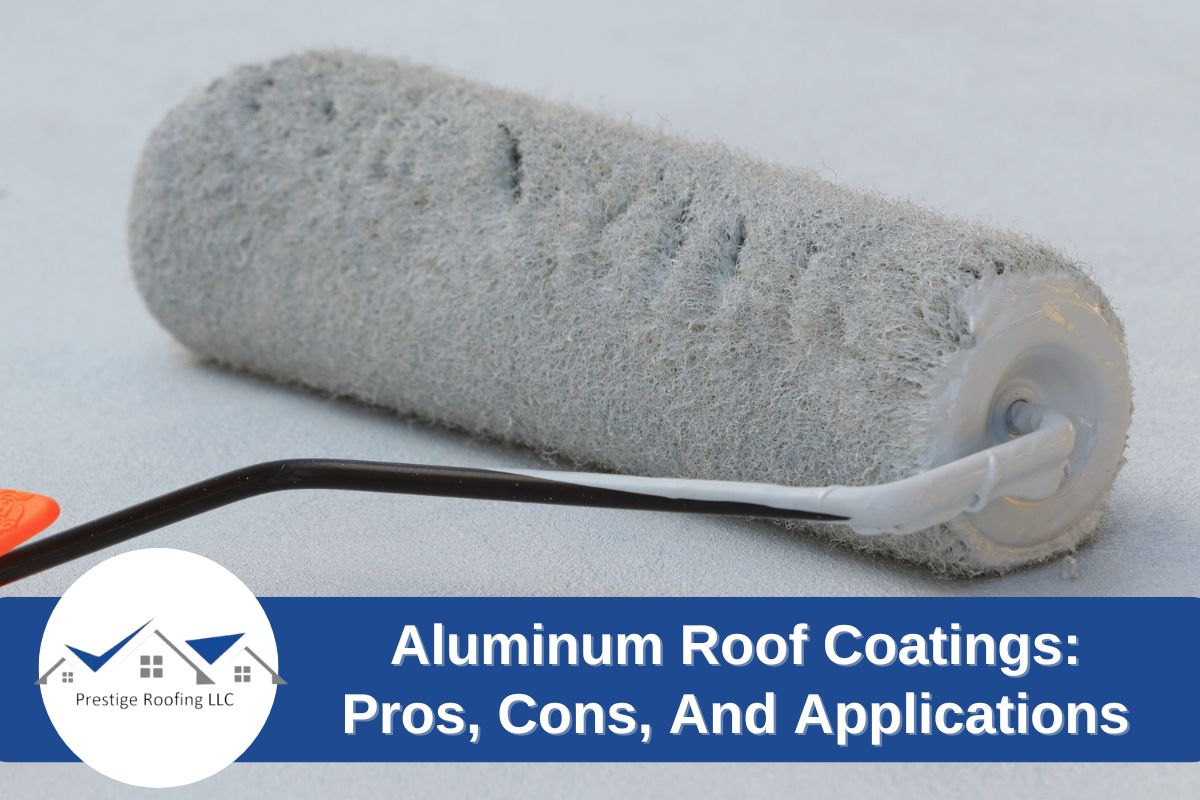
Use a roller, brush, or sprayer to apply the roof coating evenly across the entire surface. For smaller areas or detailed work, rollers and brushes are used. For larger roofs, sprayers are used across the surface. For best results, apply the coating in thin, even layers, allowing each layer to dry completely before applying the next. This may require multiple coats depending on the product and the roof’s condition. Note that the curing process can take time, depending on the type of coating used.
Final Inspection
Once the coating has dried, perform a final inspection to ensure even coverage and proper adhesion. Look for any missed spots or areas where the coating may need another coat. Make any necessary touch-ups to ensure complete protection.
Roof Coating vs. Roof Replacement: Which One Do You Need?
Applying a coating to a severely damaged roof might provide temporary relief but won’t solve the underlying problem. Use this guide to decide:
| Situation | Choose Roof Coating | Choose Roof Replacement |
|---|---|---|
| Roof Condition | Structurally sound with minimal deterioration | Extensive water damage or rotted roof deck |
| Damage Extent | Minor cracks, gaps, or surface wear | More than 30% of roof area damaged |
| Roof Age | Within serviceable lifespan | Exceeded expected lifespan |
| Primary Goal | Extending roof life and improving energy efficiency | Addressing structural failure or severe leaks |
| Budget | Budget constraints favor lower upfront costs | Investment needed for long-term solution |
| Moisture Issues | No underlying moisture or mold problems | Serious mold, moisture, or sagging issues present |
Choose Coating If:
- Roof is structurally sound with minimal deterioration
- Goal is extending roof life and improving energy efficiency
- Budget is a primary constraint
Choose Replacement If:
- There is extensive water damage or a rotted roof deck
- Damage exceeds 30% of the roof area
- The roof has exceeded its lifespan or has serious mold/moisture issues
Want The Best Roof Coating Services In Wisconsin?
A roof coating is an investment in your property’s future, offering numerous benefits from extending your roof’s lifespan to improving energy efficiency and enhancing curb appeal. By understanding the different types of coatings available and following proper application and maintenance techniques, you can ensure your roof remains in excellent condition for years to come.
If you have any questions or need professional assistance with your commercial roofing needs, don’t hesitate to contact our team at Prestige Roofing LLC. We’re here to help you protect your business with the best roofing solutions available. Call us now at (920) 791-0414.
Can roof coatings be applied in any weather conditions?
No, weather conditions significantly impact coating application success. Most roof coatings require dry conditions with temperatures between 50-90°F and low humidity for proper curing. Rain, frost, or extreme heat within 24-48 hours of application can compromise adhesion and performance, leading to premature failure.
How do I know when my roof coating needs to be reapplied?
Signs that your coating needs attention include visible chalking or fading, areas where the coating has worn thin exposing the substrate, decreased reflectivity, or minor ponding issues. Regular inspections every 1-2 years help identify these issues early, allowing for spot repairs or timely recoating before major problems develop.
Are roof coatings safe for buildings with rainwater collection systems?
Most modern roof coatings are safe once fully cured, but it’s essential to verify the product is NSF-61 certified for potable water contact. Allow adequate curing time before collecting water, and consult the manufacturer’s specifications to ensure the coating won’t leach harmful chemicals into your water supply.
What happens if I apply roof coating over existing moisture or trapped water?
Applying coating over moisture is a critical mistake that leads to blistering, bubbling, and premature coating failure. Trapped moisture prevents proper adhesion and can cause the coating to peel or delaminate. Always ensure the roof is completely dry and address any moisture issues before application.
Do roof coatings work on metal roofs as well as flat membrane roofs?
Yes, specialized roof coatings are formulated for metal roofs and offer excellent rust prevention and thermal expansion compatibility. However, metal roofs require specific primers and coating types different from those used on membrane systems. Always select a coating specifically designed for your roof substrate for optimal performance.