
Key Points:
- Look for the signs your TPO roof needs replacement, like membrane shrinkage, cracking, seam separation, or persistent ponding water.
- Interior water damage, mold growth, or increased energy costs are important indicators of serious underlying roof failure.
- A professional commercial roof inspection is essential to assess damage severity and determine if replacement is truly necessary.
TPO roof membrane damage can escalate quickly from minor issues to catastrophic failures that threaten your entire building structure. Property owners who recognize the early warning signs of TPO roofing system deterioration can prevent expensive water damage and avoid emergency repairs during Wisconsin’s harsh weather conditions.
Several flat roof replacement indicators signal when a TPO roof has exceeded its functional lifespan and requires complete replacement rather than temporary patches. Physical deterioration, such as membrane shrinkage, creates stress points that lead to cracking and eventual system failure. Surface chalking indicates the protective layer has degraded beyond repair, leaving the underlying material vulnerable to UV damage and temperature fluctuations.
Structural problems present even more urgent concerns for commercial roof inspection priorities. Ponding water creates constant pressure on weakened membranes, while sagging areas indicate potential deck damage underneath. Seam separation allows leaks that can compromise insulation and create dangerous mold conditions. Understanding these warning signs helps property owners make informed decisions about TPO roof repair and replacement before minor issues become major disasters.
Understanding TPO Membrane Damage Beyond Simple Wear and Tear
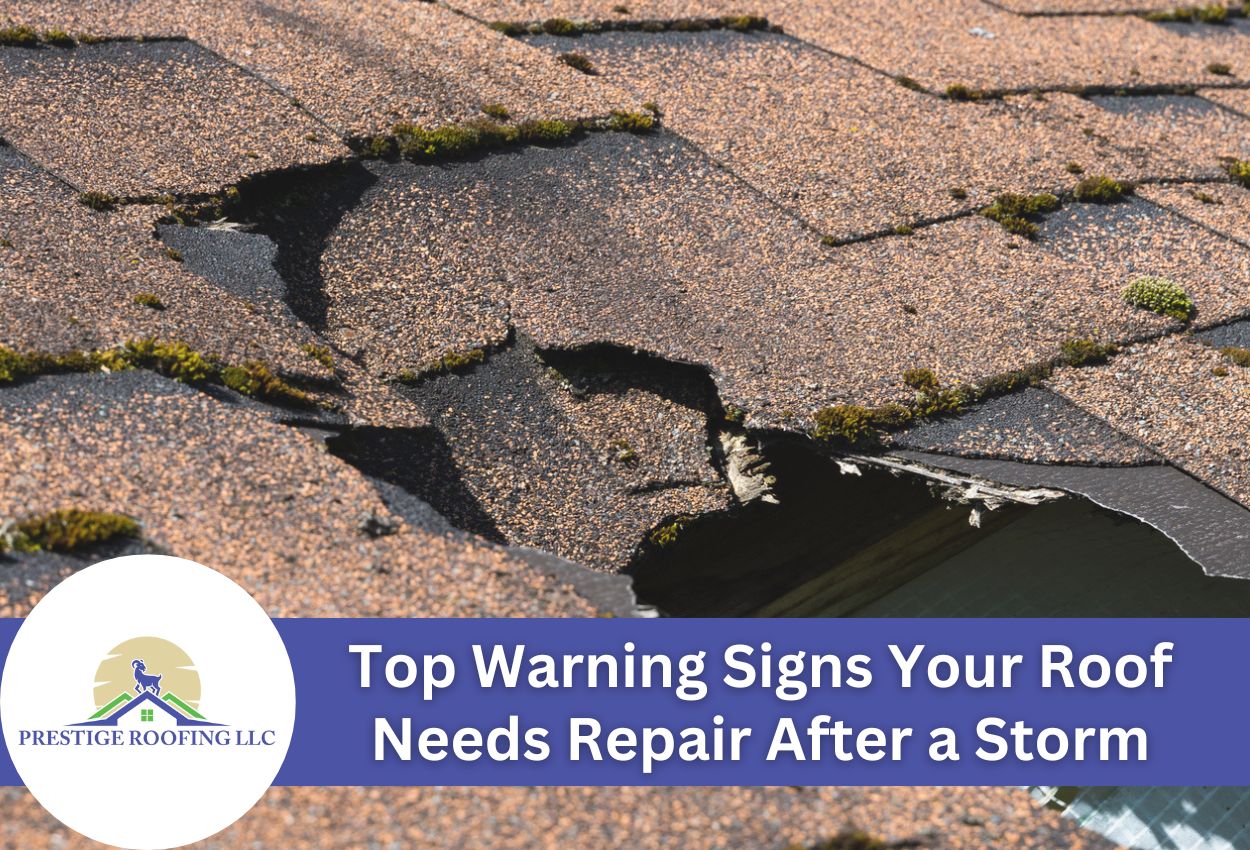
Advanced membrane deterioration presents challenges that extend far beyond typical maintenance concerns. TPO roof membrane damage from punctures, tears, and chemical exposure creates vulnerabilities that standard patching cannot effectively address. These gaps compromise the roof’s waterproof barrier and often indicate underlying structural issues that require evaluation.
Chemical damage from HVAC condensation, industrial pollutants, or cleaning products causes irreversible material breakdown. The membrane becomes brittle and loses its flexibility, making it susceptible to cracking during temperature changes. Once chemical deterioration begins, the affected areas continue degrading even after attempted repairs.
Systematic failure patterns across the roofing surface reveal widespread material breakdown rather than isolated problems. Multiple seam failures, extensive membrane shrinkage, and recurring leak points indicate the TPO roofing system’s lifespan has reached its end. These flat roof replacement indicators show that the entire system has lost structural integrity.
Commercial roof inspection professionals can identify when damage patterns suggest complete replacement over continued repairs. Scattered punctures combined with seam separation and surface degradation create a perfect storm for leaks that threaten the building’s interior and structural components.
When Age and Weather Take Their Toll on TPO Roofing Systems
TPO roofing systems typically maintain performance for 15 to 20 years under normal conditions, but Wisconsin’s extreme weather patterns significantly accelerate this timeline. The combination of harsh winters, intense summer heat, and frequent temperature fluctuations creates stress on TPO roof membranes that leads to premature aging and material breakdown.
Freeze-thaw cycles present particularly challenging conditions for the TPO roofing system’s lifespan in the Green Bay area. Leaks followed by freezing temperatures cause expansion that tears membrane seams and creates new entry points for moisture. This cyclical process adds to the existing TPO roof membrane damage and accelerates the need for flat roof replacement indicators to be evaluated.
UV exposure during Wisconsin summers degrades the protective surface layer of TPO membranes, causing chalking and brittleness that makes materials vulnerable to cracking. Extended periods of ponding water from spring snowmelt and summer storms create additional stress on aging membranes already weakened by temperature extremes.
Environmental factors specific to the region include heavy snow, ice damming, and severe thunderstorms that test the limits of TPO roofing systems. When a commercial roof inspection reveals multiple weather-related stress points, the decision between TPO roof repair and replacement often favors complete system replacement to ensure long-term protection.
Interior Signs That Point to Serious TPO Roof Problems
Interior water damage evidence provides the most reliable indicators that TPO roof membrane damage has progressed beyond surface-level concerns. Water stains on ceilings and walls reveal active leaks that allow leaks to form through compromised membrane areas. These visible signs often appear long after the initial roof damage occurred, suggesting extensive hidden deterioration within the roofing system.
Mold growth in building interiors signals persistent moisture problems that indicate serious membrane failure. When humidity levels remain elevated due to roof leaks, dangerous mold colonies develop in ceiling tiles, insulation, and structural materials. This type of moisture damage requires immediate attention as it affects both the building’s structural integrity and occupant health.
Energy efficiency changes provide another clear indicator of compromised TPO roofing system performance. Increased heating and cooling costs often result from wet insulation that loses its thermal properties due to leaks. Air sealing failures around membrane gaps allow conditioned air to escape, forcing HVAC systems to work harder and consume more energy.
Commercial roof inspection professionals recognize these interior flat roof replacement indicators as signs that TPO roof repair and replacement decisions should favor complete system replacement. When moisture problems manifest inside the building, the underlying membrane damage has typically progressed too far for effective patching solutions to restore proper performance.
Professional Inspection Results That Confirm Replacement Necessity
Professional roofing contractors utilize specific assessment criteria to distinguish between repairable TPO roof membrane damage and system-wide failures requiring complete replacement. Commercial roof inspection reports document important findings that determine whether targeted repairs can restore functionality or if a full replacement is the only viable solution for long-term building protection.
Trained inspectors evaluate membrane thickness measurements, the structural integrity of the seam, and core sample analysis to assess the remaining TPO roofing system lifespan. When membrane thickness falls below manufacturer specifications or seam strength tests reveal widespread adhesion failures, these flat roof replacement indicators provide objective evidence that repairs cannot adequately restore system performance.
Documentation includes thermal imaging results that reveal moisture intrusion patterns beneath the membrane surface. Hidden water damage within insulation layers and roof deck materials often extends far beyond visible surface problems. Professional assessments quantify the percentage of affected roofing area to determine whether localized repairs or complete replacement offers the most cost-effective long-term solution.
Certified inspectors provide detailed reports comparing TPO roof repair or replacement options based on industry standards and manufacturer guidelines. These professional evaluations remove guesswork from important roofing decisions by presenting objective data about membrane condition, structural integrity, and expected performance outcomes for each recommended course of action.
Making the Important Decision Between Repair and Full Replacement
Property owners face challenging decisions when TPO roof membrane damage reaches the point where repair investments may no longer provide adequate returns. The financial analysis requires a close look at the immediate repair costs against long-term replacement benefits. When repairs exceed 25% of replacement value, or when multiple repair cycles have occurred within a short timeframe, full replacement typically offers better economic value.
Risk assessment becomes equally important in determining the appropriate course of action. Aging TPO roofing systems with declining performance create liability exposures that extend beyond simple repair costs. Insurance coverage may be affected when commercial roof inspection reports document extensive deterioration or repeated claims. Building protection requirements also escalate when flat roof replacement indicators suggest that the structural integrity of the membrane can no longer be assured through patching.
Long-term maintenance projections help clarify the financial comparison between repair and replacement options. Older TPO roofing system installations require increasingly frequent interventions as materials approach the end of their functional lifespan. Replacement provides predictable maintenance schedules and warranty protection that eliminates the uncertainty associated with aging membrane systems.
The decision timeline becomes important when weather conditions threaten the structural integrity of the building. TPO roof repair and replacement choices must account for seasonal factors and the urgency of protecting interior spaces from water damage during Wisconsin’s challenging climate conditions.
Planning Your TPO Roof Replacement Timeline
When TPO roof replacement becomes inevitable, strategic timing considerations can significantly impact project success and minimize business disruption. Wisconsin’s climate patterns create specific windows of opportunity for the best possible installation conditions. Spring and early fall typically provide the most favorable weather conditions, with moderate temperatures and reduced precipitation that allow proper membrane installation and sealing procedures.
Business operation impacts require careful coordination between facility managers and roofing contractors. Manufacturing facilities, retail establishments, and office buildings each present unique scheduling challenges that affect project planning. Commercial roof replacement projects often require phased approaches that maintain building functionality while ensuring worker safety and installation quality standards.
Emergency replacement situations may require immediate action regardless of seasonal factors. When TPO roof membrane damage threatens the building’s structural integrity or poses safety risks, temporary protection measures can provide interim solutions while permanent replacement materials are sourced and installation teams are mobilized.
Seasonal considerations also affect material availability and contractor schedules. Peak roofing seasons create higher demand for qualified installers and may extend project timelines. Property owners benefit from planning that secures contractor commitments and material deliveries before urgent replacement needs develop.
Selecting Qualified TPO Roofing Contractors
Contractor selection determines the long-term success of TPO roofing system replacement projects. Qualified commercial roofing contractors possess specific certifications from TPO membrane manufacturers, demonstrating their expertise with proper installation techniques and warranty compliance requirements. These certifications ensure contractors understand membrane welding procedures, seam testing protocols, and quality control standards essential for successful flat roof replacement.
Experience with similar commercial applications provides valuable insight into potential challenges and solutions specific to your building type. Contractors familiar with Wisconsin building codes, weather considerations, and local inspection requirements can navigate regulatory compliance more efficiently. References from recent commercial roof inspection and replacement projects offer reliable indicators of contractor performance and customer satisfaction.
Insurance coverage and licensing verification protect property owners from liability exposures during replacement projects. These credentials demonstrate professional standards and commitment to quality workmanship that extends the TPO roofing system’s lifespan through proper installation practices.
Recognize the Signs Your TPO Roof Needs Replacement with Prestige Roofing LLC
When it comes to your commercial roofing needs, understanding when your TPO roofing system requires a full replacement is important for maintaining the structural integrity and safety of your building. If you’ve noticed any of the warning signs, such as extensive membrane damage, persistent leaks, or significant energy efficiency reductions, it may be time to consider a full roof replacement. Don’t let a failing roof compromise your property.
Give us a call at (920) 791-0414 to schedule a professional inspection and consultation. Our experts are ready to provide you with the best solutions for your roofing needs.