7 Problems With Stone-Coated Steel Roofing Systems (Are They Really True?)

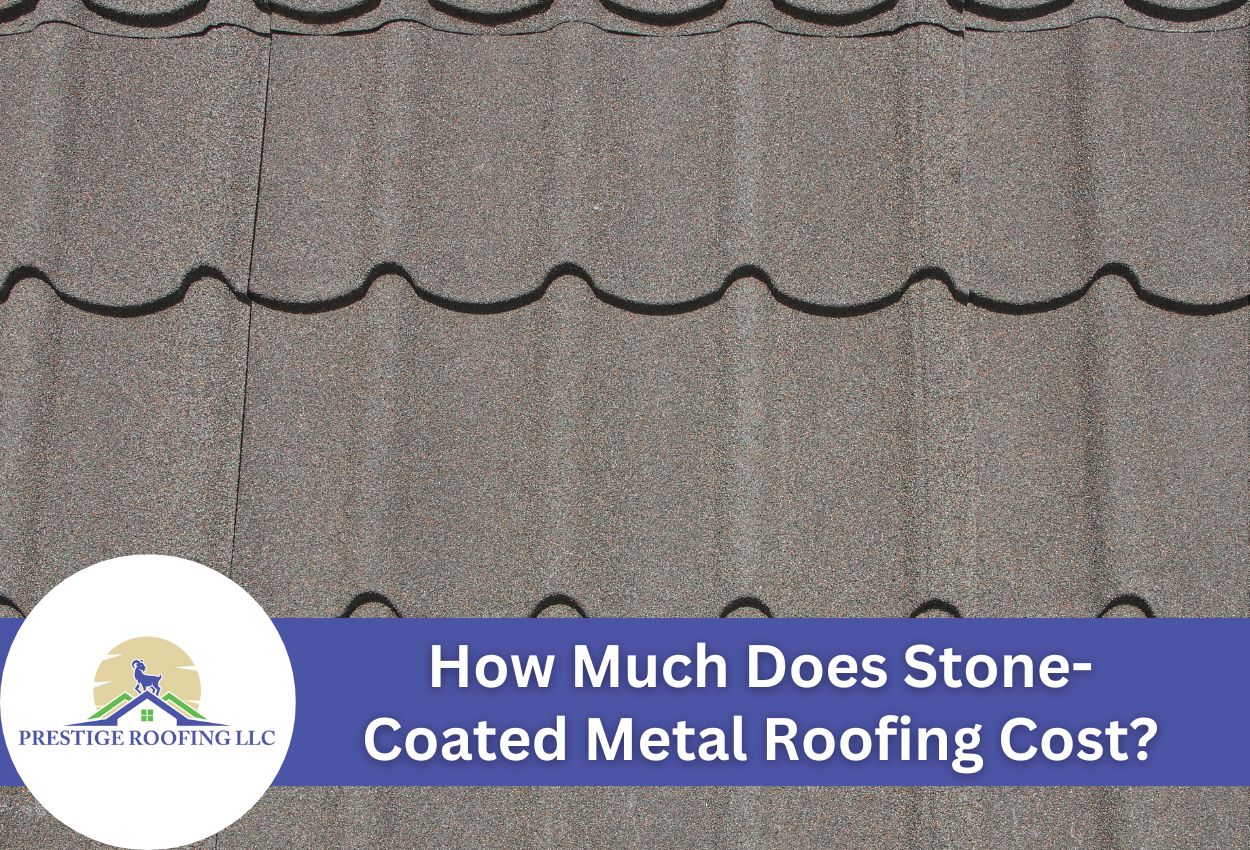
Asphalt shingles look fantastic but may fall short on durability. Metal roofs on the other hand have exceptional durability but not as many design options. With a stone-coated steel roof, you get the best of both worlds.
Stone-coated steel roofs have gained popularity as a durable and stylish option with several attractive features. 70-75% of the global market share belongs to the residential sector, proving this material is a trusted solution for homeowners. But is this roof free from flaws? Not quite.
Before making a decision on a roofing material, understanding the potential challenges of stone-coated steel roofs is essential. This guide explores seven downsides of stone-coated steel roofs that homeowners should be aware of.
Common Problems with Stone-coated Steel Roofs
While it offers many advantages, no roofing material is without its drawbacks. Here are seven issues you should consider before you install a stone-coated roof.

1. Higher Upfront Cost
One of the most significant problems with stone-coated steel roofing systems is its initial price. The material itself is more expensive than traditional asphalt shingles, and installation can also add to the total cost due to its specialized nature. If you are working within a tight budget, you will likely find the upfront investment steep, even if the long-term durability justifies the expense.
That said, while the initial investment is high, considering the total cost over the lifespan of the roof is essential. Stone-coated steel roofs last significantly longer than asphalt shingles, often up to 50 years or more. Over time, savings on repairs and replacements could make this a more feasible choice. Additionally, these roofs can reduce cooling costs by 25-30% due to their energy efficiency, providing ongoing savings beyond maintenance costs.
| Cost Factor | Stone-Coated Steel | Asphalt Shingles | Long-Term Impact |
|---|---|---|---|
| Upfront Cost (per sq ft) | $8-14 | $3-5 | 2-3x higher initial investment |
| Lifespan | 40-70 years | 15-30 years | Eliminates 1-2 re-roofing costs |
| Cooling Cost Reduction | 25-30% | Minimal | Significant energy savings over time |
| Resale Timeline | 10-15% faster | Baseline | Quicker sale with premium pricing |
| Home Price Premium | 5-10% higher | Baseline | Strong ROI even for short-term owners |
Even if you are among the homeowners who plan to move within a decade or so, the initial cost may not outweigh the benefits. Homes with stone-coated steel roofs sell 10-15% faster with a 5-10% price premium, providing strong return on investment even for short-term owners.
2. Noise During Heavy Rain or Hail
A common concern with metal-based roofs, including stone-coated steel, is noise. During heavy rain, hailstorms, or high winds, some homeowners may notice more sound transmission compared to other roofing types. While the stone coating provides some dampening effect, it doesn’t entirely eliminate the issue, especially if the roof lacks proper insulation or underlayment.
However, this issue largely depends on the installation process. With quality underlayment and attic insulation, the sound can be significantly reduced. This is why, no matter which roofing material you choose for your home, you should consider installing quality insulation, especially if you live in regions prone to heavy storms such as Wisconsin.
3. Potential for Denting
There is no doubt that stone-coated roofs, manufactured from steel and sometimes aluminum, are very durable. However, they are not immune to dents. Large hail or falling branches can dent these metal roof panels. While they generally withstand minor impacts, repeated exposure to severe weather events can lead to visible damage over time. This may not compromise functionality immediately but can affect the overall appearance of the roof.
For hail-prone Northeastern Wisconsin, checking the impact resistance rating of different stone-coated steel brands is recommended. Many top quality stone-coated products come with Class 4 impact resistance and additional reinforcement, which may help minimize the risk of visible dents.
4. Stone-coated Steel Roofs Require Expert Installation
One of the problems with stone-coated steel roofing systems is that they require professional installation. Not every roofer has the necessary experience to properly install a stone-coated steel roof. Poor installation can lead to improper fastening, leaks, reduced lifespan, and even panels shifting over time. You should be diligent in choosing a contractor with a proven track record in working with this material, as incorrect installation can negate many of its benefits.
Inexperienced installers may also void manufacturer warranties due to improper handling of materials. This makes hiring certified professionals (like Prestige Roofing LLC) who understand the nuances of working with interlocking steel panels and the necessary flashing techniques to prevent leaks essential.
5. Color Can Fade Over Time
The aesthetic appeal of stone-coated steel roofs is a major selling point, but exposure to prolonged sunlight and harsh weather conditions can cause fading. While the stone coating helps delay this process, it is not entirely resistant to UV degradation. Over the years, some homeowners may notice a change in color, which can affect the overall curb appeal of their property.
Factors such as climate, roof orientation, and maintenance influence the rate of fading. Homes in areas with intense sun exposure may see changes sooner, though some manufacturers offer UV-resistant coatings that slow down discoloration. Fading does not impact performance, though it may necessitate a partial or full replacement for those prioritizing aesthetics.
6. Difficult Repairs and Replacement Matching
If damage occurs or sections of the roof need to be replaced, matching the original color and texture can be challenging. Unlike asphalt shingles, where replacements blend more seamlessly, stone-coated steel panels may show slight variations due to weathering and production differences. This can be a concern for homeowners who want a uniform look throughout their roof’s lifespan.
Additionally, sourcing replacement panels may take longer, depending on the brand and availability. You should consider ordering extra panels during the initial installation to ensure your contractor has matching materials on hand for any future repairs.
7. Weight Considerations
Stone-coated steel roofs are actually lighter than many people assume, weighing just 1.5-2 lbs per square foot. This makes them lighter than basic asphalt shingles (which weigh approximately 2.3+ lbs per square foot) and ideal for retrofitting older homes without requiring structural reinforcement. However, some homeowners may still need a structural assessment to ensure their home can support any roofing system change.
| Specification | Stone-Coated Steel | Why It Matters |
|---|---|---|
| Weight | 1.5-2 lbs per sq ft | Lighter than asphalt; ideal for retrofitting without structural reinforcement |
| Wind Rating | 110-150 mph | Excellent for hurricane and high-wind zones |
| Lifespan | 40-70 years | 2-4x longer than traditional asphalt shingles |
| Market Share | 70-75% residential | Proven track record in home applications |
Before opting for stone-coated steel, homeowners should have a structural assessment done to make sure their home can support the roofing system. While this is rarely a deal-breaker, proper evaluation ensures a successful installation.
Should I Not Install A Stone Stone-coated Steel Roof?
Now that the potential issues associated with stone-coated metal roofs have been discussed, a fair question arises: Should I not choose a stone-coated roof? The answer is no.
Stone-coated steel roofs offer numerous advantages that make them worth considering. They are rated for wind speeds of 110-150 mph, demonstrating exceptional durability in severe weather conditions. Most of the problems listed above can be easily mitigated. Below are some things you can do so the installation is successful and durable.
Hire A Professional Roofing Contractor
Stone-coated metal roofs are one of the best roofing materials around. However, to ensure that it is installed properly, you need to hire a professional roofing contractor. In fact, hiring a premier roofing company can solve most of the problems listed above.
A good roofing company will first assess your roof for damages and check that the structure is safe and sound for seamless installation.
Choose The Right Stone-coated Steel Manufacturer
Apart from hiring the right roofing contractor, you also need to choose roof panels made by a reputed manufacturer with experience and a good reputation. High-quality stone-coated panels come with impact resistance and color options that do not fade.
To know about the best brands in the business, read our blog post: 3 Best Stone-Coated Metal Roofing Manufacturers (2025)
Install A Premium Stone-coated Steel Roof With Wisconsin’s Top Roofers
No roofing material is flawless, and choosing the right one depends on your specific needs, budget, and climate conditions. If you’re considering stone-coated steel, look no further than the team of Prestige Roofing LLC. With over 50 years of combined experience, we ensure your roof is installed correctly and protects your home for years to come. From top quality panels to sound insulation, we tick every box. Contact us today at (920) 791-0414.
Can stone-coated steel roofs be installed over existing shingles?
In most cases, stone-coated steel roofs should not be installed directly over existing shingles. Proper installation requires removing old roofing materials to inspect the decking for rot or damage and ensure proper ventilation. Installing over old shingles can trap moisture, void warranties, and compromise the roof’s performance and longevity.
How does the weight of stone-coated steel compare to tile roofing?
Stone-coated steel is significantly lighter than concrete or clay tiles, which can weigh 8-12 lbs per square foot. At just 1.5-2 lbs per square foot, stone-coated steel provides the aesthetic appeal of tile without requiring structural reinforcement. This makes it an excellent alternative for homeowners who want the tile look without the weight concerns.
What maintenance does a stone-coated steel roof require?
Stone-coated steel roofs require minimal maintenance compared to other materials. Annual inspections to check for loose fasteners, debris removal from valleys, and occasional cleaning to prevent moss or algae growth are typically sufficient. Addressing minor issues promptly helps maintain appearance and prevents small problems from becoming major repairs.
Will a stone-coated steel roof affect my home’s resale value?
Yes, stone-coated steel roofs positively impact resale value. Homes with these roofs typically sell 10-15% faster and command a 5-10% price premium due to their durability, aesthetic appeal, and low maintenance requirements. Buyers appreciate the longevity and energy efficiency, making it an attractive feature that enhances marketability.
Are stone-coated steel roofs suitable for all climate conditions?
Stone-coated steel roofs perform exceptionally well across diverse climates, from hot, sunny regions to areas with heavy snow and high winds. Their wind resistance (110-150 mph), energy efficiency, and durability make them versatile. However, proper installation techniques and underlayment selection should be tailored to your specific regional weather patterns for optimal performance.