Key Points:
- Understanding the various types of siding damage, from weather to pests, is crucial for early detection and prevention.
- Watch for visual signs like discoloration, warping, and physical issues such as loose panels or gaps in your siding.
- Promptly address any damage, as a professional assessment is vital to prevent escalation and ensure effective, lasting repairs.
Damage to a home’s siding can develop gradually, making it easy for homeowners to overlook warning signs until problems become severe and expensive. Understanding the common types of siding damage helps property owners identify issues early and prevent minor concerns from escalating into major structural problems.
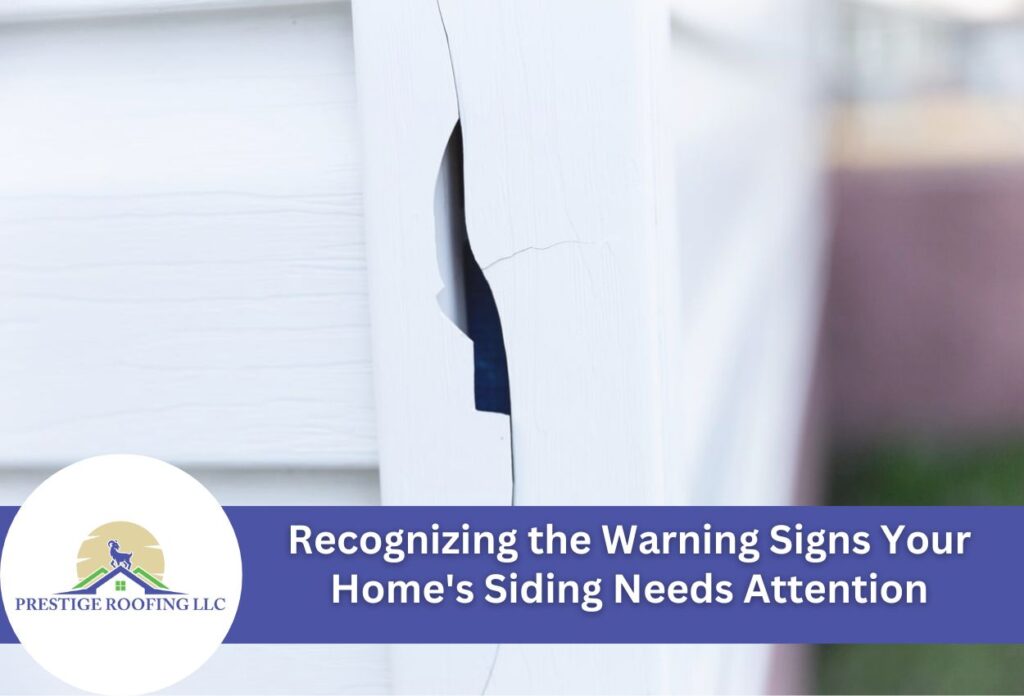
Visual indicators often provide the first clues that siding requires professional attention. Discoloration, warping, and surface irregularities are signs of potential damage that warrant immediate inspection. These symptoms of damaged siding typically appear as faded or stained areas, boards that pull away from the home, or sections that appear buckled or misshapen.
Physical signs of exterior siding issues include loose panels, gaps between boards, and evidence of leaks around windows, doors, and corners. These issues indicate that protective barriers have been compromised, allowing water and pests to potentially damage the underlying structure.
The causes of siding deterioration range from weather exposure and age to poor installation and inadequate maintenance. Recognizing these common siding problems early enables homeowners to address issues before they require complete siding replacement or cause damage to interior walls and insulation.
Weather-Related Siding Damage in Wisconsin’s Harsh Climate
Wisconsin’s severe weather conditions create numerous challenges for exterior siding materials, with impact damage representing one of the most common types of siding damage homeowners face. Hailstorms, high winds, and flying debris can cause immediate and visible harm to siding surfaces, creating dents, cracks, and punctures that compromise a home’s protective barrier.
Storm-related exterior siding issues often show up as circular dents from hail impact, gouges from tree branches whipping in the wind, and cracked or split panels from other severe weather. These symptoms of damaged siding require a quick professional assessment to determine the extent of structural compromise and prevent possible leaks.
The state’s extreme temperature fluctuations create additional challenges through freeze-thaw cycles that cause siding materials to expand and contract repeatedly. This constant movement leads to common siding problems, including splitting along seams, buckling of panels, and separation at joints where different materials meet.
Temperature-related issues can cause siding to deteriorate, which can become obvious during spring thaws when ice dams and rapid temperature changes stress siding materials beyond their intended limits.
Patterns of Moisture and Water Damage
Leaks behind siding panels create some of the most destructive types of siding damage that homeowners encounter. Leaks due to rain occur when compromised seals, damaged flashing, or deteriorated caulking allow moisture to bypass exterior protection and reach underlying materials. This hidden moisture causes wood rot, promotes mold growth, and deteriorates insulation, significantly reducing energy efficiency and creating health hazards within the home.
Common siding problems related to moisture show up as soft spots in wood siding, discolored or stained areas, and peeling paint that indicates water has gone past the protective barrier. These symptoms of damaged siding often appear around windows, doors, and corner trim where sealants have failed or where ice dams have forced water behind protective materials.
Winter weather creates additional exterior siding issues through the formation of ice dams and heavy snow accumulation against building walls. When snow melts and refreezes, it creates pressure that forces water into small openings, expanding cracks, and creating new entry points for moisture. These causes of siding deterioration show themselves as spring temperatures reveal warped panels and loose sections that developed during the winter. Recognizing these signs early prevents extensive structural damage and expensive remediation work.
Age-Related Deterioration and Material Breakdown
Natural weathering processes gradually break down siding materials through constant exposure to ultraviolet rays, temperature fluctuations, and precipitation. These environmental factors cause fading, chalking, and surface degradation that reduce both the appearance and protective capabilities of exterior siding systems. Paint oxidation, material brittleness, and surface erosion represent common types of siding damage that develop slowly over many years of weather exposure.
Fading and chalking become visible when protective coatings deteriorate, and underlying materials begin showing signs of UV damage. Wood siding can develop gray weathering patterns, vinyl becomes brittle and discolored, and metal surfaces show oxidation or corrosion that compromises their structural integrity and weather resistance.
Indicators of structural fatigue emerge as siding materials reach the end of their expected lifespan, creating exterior siding issues that require immediate attention. Sagging panels indicate that fasteners have become loose or structural support has weakened, while nail popping from fastening points is a sign that expansion and contraction cycles have compromised the attachment.
Joint separation represents one of the most serious siding issues, as gaps between panels allow leaks in and reduce thermal efficiency. These causes of siding deterioration accelerate once protective seals fail, making replacement essential for maintaining building envelope integrity and preventing additional common siding problems from developing.
Pest and Wildlife-Induced Siding Problems
Insect infestations create significant types of siding damage through boring, tunneling, and nesting activities that compromise structural integrity. Carpenter bees drill perfectly round holes into wood siding to create nests, while termites consume cellulose materials from within, weakening boards and trim. Wood-boring beetles leave small exit holes and fine sawdust trails that indicate active infestations requiring immediate professional treatment.
These damaged siding symptoms become more pronounced during humid summers when insect activity peaks and the moisture content in wood materials increases. Termite damage often remains hidden until structural weakness becomes evident through sagging or soft spots in certain areas. Holes left by carpenter bees create entry points for moisture and secondary insect infestations that accelerate deterioration.
Wildlife damage has additional exterior siding issues as birds, squirrels, and other animals peck, scratch, or attempt to create nesting sites in siding materials. Woodpeckers target pest-infested areas, creating larger holes that expose underlying structures to weather damage. Squirrels and raccoons may tear at loose siding edges or damaged sections while seeking shelter.
These common siding problems create a trickledown effect as animal-made openings allow water to leak in and provide access for additional pests. The causes of siding deterioration multiply when wildlife damage combines with existing structural weaknesses, making quick repairs essential to prevent extensive damage and expensive remediation work.
Installation and Maintenance-Related Issues
Improper installation practices create lasting damage that can appear years after initial construction or replacement projects. Poor workmanship results in inadequate ventilation behind panels, improper flashing around windows and doors, and insufficient sealing at joints and corners. These installation defects allow leaks to form and reduce the overall effectiveness of siding systems, leading to premature failure and recurring repair needs.
Common installation-related exterior siding issues include incorrect fastener placement, inadequate vapor barriers, and improper overlap spacing between panels. These symptoms of damaged siding show up as water stains, warped sections, and loose panels that develop within a few seasons of installation. Inadequate house wrap or missing flashing creates pathways for leaks that cause extensive hidden damage.
Neglected maintenance accelerates the causes of siding deterioration through clogged gutters that allow water overflow against siding surfaces, overgrown vegetation that traps moisture, and accumulated debris that retains dampness. Regular cleaning prevents mold growth and surface staining, while prompt caulking maintenance seals gaps before they allow leaks.
When Professional Intervention Becomes Essential
Certain types of damage are immediate safety risks that require professional evaluation to protect both property and occupants. Structural sagging, large sections of loose siding, and extensive storm damage create hazardous conditions where panels could detach unexpectedly. These dangerous exterior siding issues require immediate attention from qualified contractors who can assess load-bearing pieces of the system and implement temporary protective measures while planning full repairs.
Safety concerns escalate when damaged siding symptoms include electrical hazards near utility connections, compromised structural integrity around load-bearing walls, or extensive leaks that threaten the stability of the building. Professional evaluation becomes important when common siding problems involve multiple building systems or when the complexity of the repair exceeds the typical capabilities of the homeowner.
Insurance claim requirements require quick professional documentation of storm-related damage to ensure coverage eligibility and proper repair procedures. Most policies specify timeframes for damage reporting and require certified contractor assessments to validate claim amounts. These issues must be photographed and documented to support insurance evaluations and prevent claim denials. This depends on the coverage of the property owner and all policies should be reviewed to make sure the proper steps are being followed.
Protect Your Home with Expert Siding Repair from Prestige Roofing LLC
Don’t let compromised siding put your home at risk of further damage. If you notice any signs of deterioration, such as loose panels, cracks, or mold growth, it’s important to act swiftly.
At Prestige Roofing LLC, we specialize in diagnosing and repairing all forms of siding damage, ensuring your home remains beautiful and well-protected against the elements. Our team of experts is equipped to handle everything from minor repairs to complete siding replacements. Don’t wait for the damage to escalate; call us today at (920) 791-0414 for a professional assessment and top-quality repair services.