
Commercial roof leaks can cause serious damage to buildings and disrupt business operations if left undetected. Recognizing the early warning signs of roof leaks helps property owners protect their investments and avoid expensive repairs down the road.
Many signs that your commercial roof is leaking appear inside the building before any obvious exterior damage becomes visible. Water stains on ceilings, walls showing discoloration, and unexplained musty odors often signal that moisture has found its way through the roofing system. These indicators of commercial roofing problems require immediate attention to prevent structural damage.
Detecting commercial roof leaks early saves money and prevents minor issues from becoming major headaches. A small leak can quickly lead to damaged inventory, ruined equipment, and expensive emergency repairs. Signs of flat roof water damage may include pooling water, soft spots on the roof’s surface, or bubbling in roofing materials.
Warning signs of roof leaks also include increased energy bills, as compromised insulation loses its effectiveness. Mold growth, peeling paint, and warped building materials indicate that water infiltration has been occurring for some time. Regular commercial roof inspections help identify these problems before they escalate into serious structural issues that threaten business continuity.
Interior Signs of Water Damage You Cannot Ignore
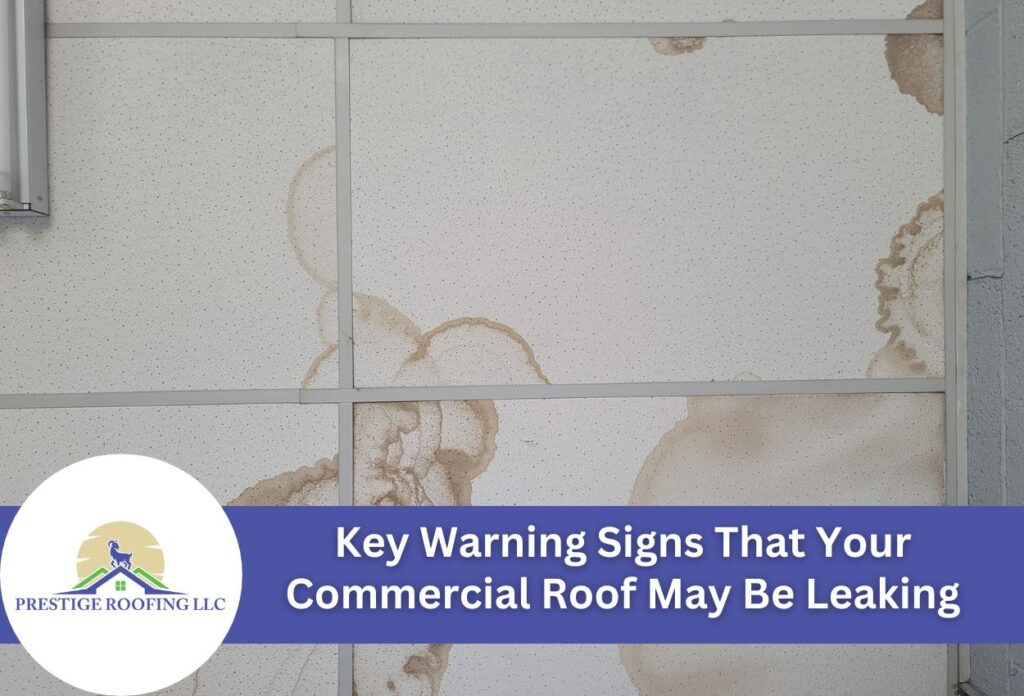
Water stains on ceilings and walls represent some of the most obvious warning signs of roof leaks that commercial property owners encounter. These discolored patches typically appear as brown, yellow, or rust-colored marks that spread outward from where the leak has formed. When detecting commercial roof leaks, these stains often indicate that water has breached the roofing membrane or compromised flashing systems around roof gaps, HVAC units, or building edges.
The persistent dampness creates ideal conditions for mold and mildew growth, which can spread rapidly throughout the structure. These symptoms can cause musty odors throughout the building, signaling another critical indicator of commercial roofing problems that requires immediate attention. These distinctive smells develop when moisture accumulates in hidden areas like wall cavities, ceiling spaces, or insulation materials.
Mold growth patterns often appear as dark spots or fuzzy patches on walls, ceilings, or around windows and vents. These signs of flat roof water damage indicate that moisture has been present long enough for biological growth to establish itself. The combination of water stains, musty odors, and visible mold creates a clear picture of ongoing water infiltration that requires professional assessment. Regular commercial roof inspections can identify the source of these interior problems before they compromise air quality or structural integrity.
Exterior Roof Surface Problems That Signal Trouble
Pooling water on commercial roofs creates one of the most serious warning signs of roof leaks that property owners should address immediately. When drainage systems fail to remove water effectively, standing pools form on flat roof surfaces and remain for extended periods. This water can place excessive weight on the roofing membrane while creating weak spots that accelerate material deterioration. The constant moisture exposure breaks down protective coatings and allows water to get through compromised areas.
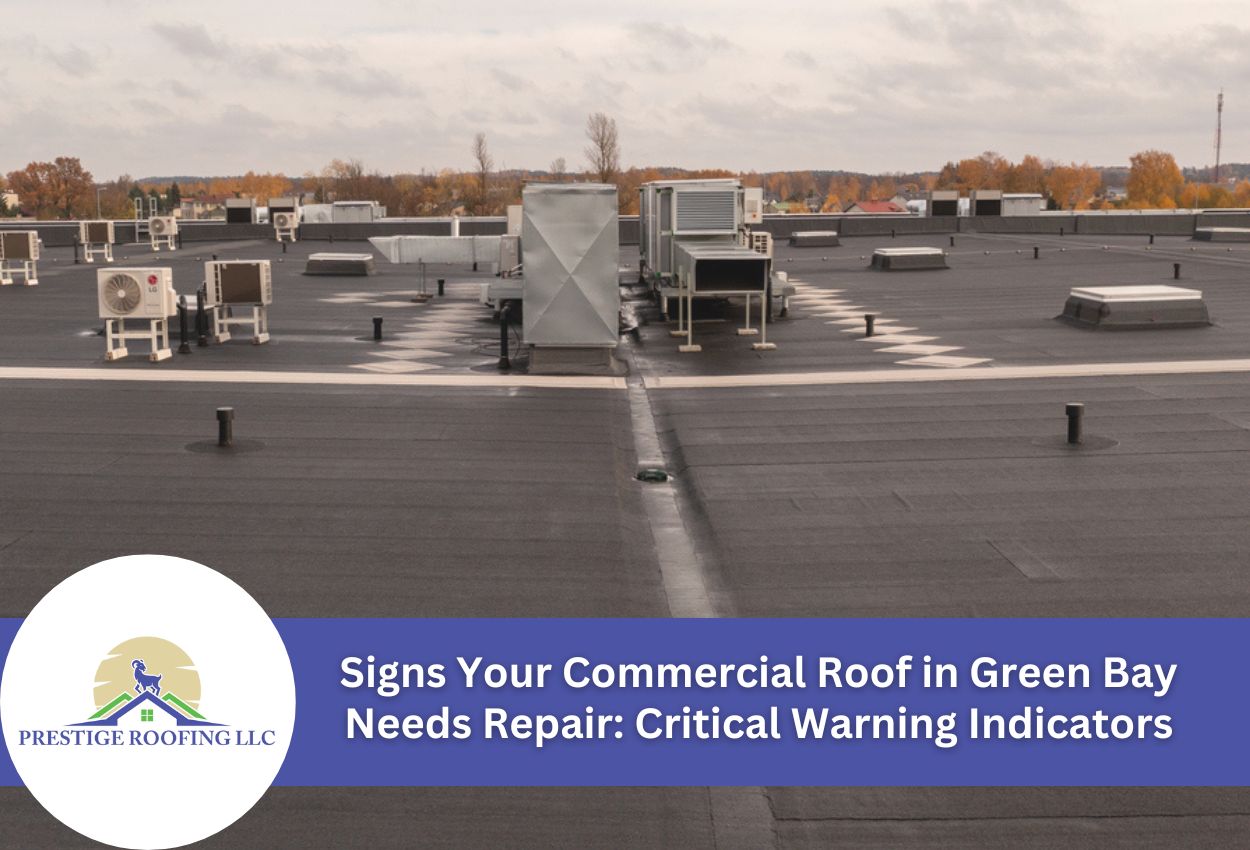
Cracks in roofing materials represent another critical indicator when detecting commercial roof leaks before they cause interior damage. These fissures typically develop around high-stress areas such as HVAC units, vents, skylights, and other roof gaps where movement and thermal expansion occur regularly. Damaged flashing around these gaps creates direct pathways for leaks into the building.
Commercial roofing problems often manifest as bubbling or blistering in membrane materials, particularly in areas where water has infiltrated beneath the surface. These raised sections indicate trapped moisture that will eventually lead to complete membrane failure if left untreated. Signs of flat roof water damage also include loose or missing fasteners, deteriorated sealants, and separation at seams or joints. Regular commercial roof inspections help identify these exterior problems before they develop into major structural issues requiring extensive repairs.
Structural Warning Signs Inside Your Building
Sagging ceiling tiles provide one of the most alarming warning signs of roof leaks that commercial building owners encounter. When water accumulates above drop ceilings, the added weight causes tiles to bow downward or pull away from their support grid. This sagging indicates prolonged water exposure that has saturated insulation materials and potentially compromised structural elements above. The moisture absorption weakens ceiling materials and creates an immediate safety hazard as tiles may fall without warning.
Warped building materials throughout the structure signal serious commercial roofing problems that extend beyond surface damage. Water infiltration causes wooden beams, drywall panels, and flooring materials to expand and contract repeatedly as moisture levels fluctuate. This cycle creates visible warping in walls, buckling in the floor, and twisted door frames that no longer close properly. These signs of flat roof water damage indicate that water has been present long enough to affect the building’s structural integrity.
Electrical system concerns develop when water reaches wiring, outlets, or lighting fixtures within the commercial building. Flickering lights, intermittent power failures, and blown fuses often result from moisture contact with electrical components. When detecting commercial roof leaks, these electrical problems represent serious safety hazards that require immediate professional attention. Water and electricity create dangerous conditions that can lead to fires, electrocution, or complete system failures. Commercial roof inspections should prioritize areas where electrical systems intersect with potential water entry points to prevent these hazardous situations from developing.
How Bad Weather Reveals Hidden Roof Vulnerabilities
Severe weather often exposes existing weaknesses in commercial roofing systems that remain hidden during normal conditions. Heavy rainstorms test every component of the roof structure, revealing compromised areas through active leaks, water infiltration, and system failures. These weather-related stresses help identify vulnerable spots where detecting commercial roof leaks becomes critical for preventing extensive damage to building interiors and equipment.
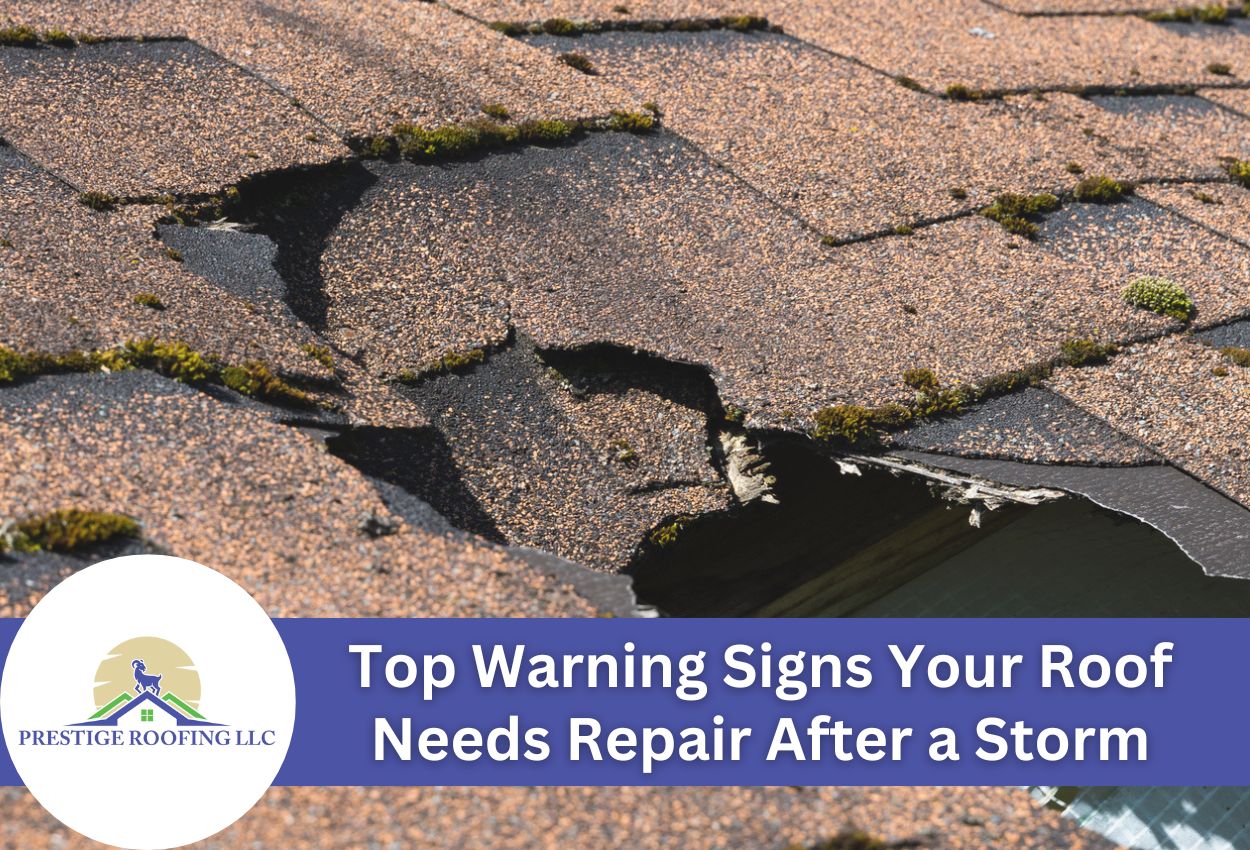
After major storms, property owners should examine their buildings for new water stains, increased moisture levels, or previously unnoticed signs of flat roof water damage. Wind-driven rain can get through small gaps and weakened seals that typically resist light precipitation. The intense water volume overwhelms drainage systems and exposes inadequate slope designs that allow water to accumulate in problem areas.
Temperature fluctuations throughout seasonal changes create ongoing expansion and contraction cycles that put stress on roofing materials. These thermal movements gradually weaken membrane bonds, separate seam connections, and create micro-cracks that develop into significant commercial roofing problems over time. Warning signs of roof leaks often appear following dramatic temperature swings when materials contract rapidly after expansion, pulling apart at vulnerable joints. The repeated stress from freeze-thaw cycles particularly affects membrane flexibility and flashing integrity, creating new pathways for water that require thorough commercial roof inspections to identify and address before the next weather event strikes.
The Importance of Regular Professional Roof Inspections
While property owners can identify many obvious warning signs of roof leaks during routine building walkthroughs, trained roofing professionals possess the expertise and specialized equipment necessary to detect subtle problems that untrained eyes typically miss. Professional inspectors understand how commercial roofing systems function as integrated assemblies and can identify potential failure points before they develop into active leaks. Their experience allows them to recognize patterns of deterioration that may not produce visible symptoms until significant damage has already occurred.
Roofing contractors utilize specialized tools such as moisture meters, thermal imaging cameras, and core sampling equipment to assess the structural integrity of the roof’s membrane, the condition of the insulation, and the building’s structural soundness. These methods reveal hidden moisture accumulation, compromised insulation performance, and membrane adhesion problems that cannot be detected through visual inspection alone.
Commercial roof inspections should occur at least twice a year, typically in spring and fall, to assess seasonal damage and prepare the roofing system for upcoming weather challenges. Professional evaluations include documenting the current conditions, identifying maintenance needs, and prioritizing recommendations for addressing any issues before they escalate. These regular assessments help building owners develop proactive maintenance schedules that extend the lifespan of the roof and prevent emergency repairs caused by undetected signs of flat roof water damage.
Taking Action When You Discover Leak Warning Signs
Discovering warning signs of roof leaks requires immediate action to prevent extensive property damage and expensive repairs. The biggest priority is to stop water from causing additional damage by placing buckets or tarps beneath active leaks to protect equipment, inventory, and flooring. Move valuable items away from affected areas and document the water’s path to help roofing professionals identify the source. These emergency measures minimize damage while arranging for professional assessment of commercial roofing problems.
Shutting off electrical power to affected areas prevents dangerous conditions when water contacts lighting fixtures, outlets, or equipment. Contact the building’s maintenance team or facility manager to isolate electrical systems in compromised zones. If signs of flat roof water damage appear near HVAC equipment, temporarily shut down units to prevent system contamination and additional moisture circulation throughout the building.
Proper documentation is essential when communicating with roofing contractors. Photograph water stains, damaged materials, and affected areas from multiple angles while noting the date, time, and weather conditions when the problems were first noticed. Record measurements of stained areas and create detailed written descriptions that include any musty odors, mold growth, or structural concerns. This documentation helps contractors understand the scale of the problem and develop appropriate repair strategies.
Protect Your Investment with Prestige Roofing LLC
When commercial buildings in Wisconsin begin showing signs of leaks or structural stress, property owners need a roofing partner who can respond quickly and accurately. Prestige Roofing LLC provides commercial roof evaluations, targeted leak detection, and long-term repair strategies designed to keep your facility operational and protected.
Our team understands how local weather, aging materials, and daily building activity affect the performance of your roofing system, and we use that knowledge to deliver dependable, results-driven solutions. If you suspect your roof may be compromised, or simply want professional confirmation that your system is performing as it should, contact us at (920) 791-0414 for a detailed commercial roof inspection you can trust.