DIY Roof Insulation Installation: What Every Green Bay Homeowner Needs to Know
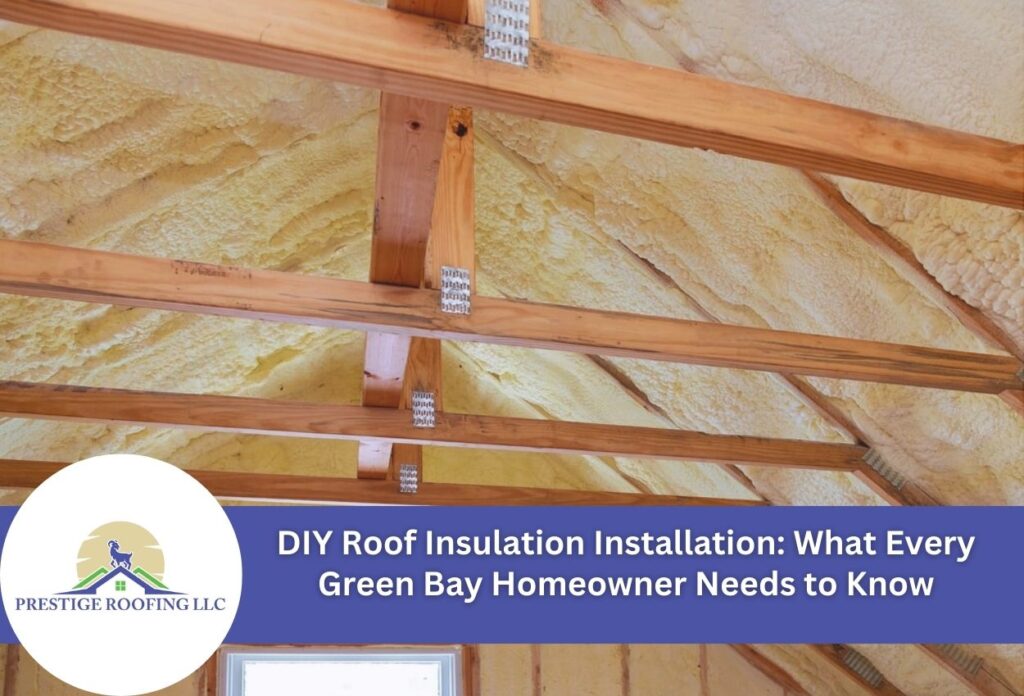

Installing roof insulation yourself is possible for many homeowners, but success depends on understanding the complexity involved and having realistic expectations about your skill level. DIY roof insulation installation can be an effective way to improve your home’s energy efficiency, though it requires careful planning, proper tools, and attention to safety protocols.
The ability to install attic insulation depends largely on your attic’s accessibility, the type of roof insulation you choose, and your comfort level working in confined spaces. Basic blown-in insulation projects often prove manageable for experienced DIY enthusiasts, while complex installations involving multiple insulation materials or challenging attic configurations may require professional expertise.
Safety considerations play an important role in determining whether DIY installation makes sense for your situation. Working with insulation installation tools in attic spaces presents unique challenges, from proper ventilation to avoiding electrical hazards. Understanding when to tackle the project independently versus seeking professional roof insulation services ensures both effective results and personal safety throughout the installation process.
Essential Tools and Materials for Successful Insulation Installation
Proper insulation installation tools form the foundation of any successful DIY roof insulation project. Basic hand tools include utility knives for cutting insulation materials, measuring tapes for accurate sizing, and staple guns for securing batts. Specialized equipment, such as insulation blowers, becomes necessary for blown-in applications, while protective gear, including respirators, goggles, and coveralls, ensures safety during installation.
Selecting appropriate roof insulation types requires consideration of your home’s specific needs and local climate conditions. Fiberglass batts offer cost-effective solutions for standard joist spacing, while blown-in cellulose provides excellent coverage for irregular spaces. Spray foam delivers superior air sealing properties but requires specialized application equipment that many homeowners prefer to leave to professional roof insulation services.
Material selection directly impacts the success of installing attic insulation projects. Proper vapor barriers, adequate R-values for Wisconsin’s climate, and compatible fastening systems ensure long-term performance. Understanding these material requirements helps homeowners make informed decisions about whether DIY roof insulation installation aligns with their capabilities and project goals.
Understanding Different Insulation Types and Their DIY Installation Requirements
Choosing the right roof insulation types significantly impacts both installation difficulty and long-term performance. Fiberglass batts represent the most DIY-friendly option, requiring basic insulation installation tools and straightforward cutting techniques for standard joist spacing. These materials allow homeowners to be comfortable with how to install attic insulation to achieve professional-quality results with patience and attention to detail.
Blown-in cellulose offers superior coverage for irregular spaces and requires specialized blowing equipment that many homeowners rent for DIY roof insulation installation projects. This option provides excellent thermal performance and settles effectively around obstacles, though proper technique prevents overpacking that reduces insulation effectiveness. Spray foam installations typically require professional roof insulation services due to equipment complexity and application expertise needed for the best results.
Green Bay’s climate zone requires R-38 to R-60 values for adequate attic insulation performance. Fiberglass batts achieve these standards through layered installation, while blown-in cellulose reaches target depths more easily in hard-to-reach areas. Understanding these R-value requirements helps homeowners select appropriate materials and determine whether their DIY capabilities match the installation needs of their chosen type of insulation.
The Installation Process for Attic Insulation Projects
The preparation phase establishes the foundation for successful DIY roof insulation installation. Safety setup begins with turning off electrical power to attic areas and ensuring adequate lighting throughout the workspace. Proper ventilation maintenance requires identifying and protecting existing soffit and ridge vents while organizing insulation installation tools within easy reach of work areas.
Preliminary measurements determine the exact square footage and calculate material requirements for complete coverage. Mapping out the workspace helps identify obstacles such as ductwork, electrical wiring, and plumbing that require special attention during installation. This planning phase prevents material waste and ensures consistent coverage across all attic areas.
Installation techniques for laying batts focus on achieving proper fit without compression, which reduces insulation effectiveness. Managing around obstacles requires careful cutting and fitting to maintain continuous thermal barriers while avoiding gaps that allow air leaks. Proper depth measurement ensures adequate R-values throughout the installation area.
Common mistakes in installing attic insulation include blocking ventilation pathways, compressing materials, and leaving gaps between sections. Professional roof insulation services often become necessary when DIY attempts encounter complex obstacles or fail to achieve uniform coverage across challenging attic configurations.
Safety Protocols and Risk Management for DIY Insulation Work
Personal protective equipment forms the cornerstone of safe DIY roof insulation installation. Proper respiratory protection prevents inhalation of insulation fibers, while protective clothing shields skin from irritation. Safety goggles protect eyes from airborne particles, and non-slip footwear provides stability when navigating attic joists.
Workspace preparation addresses multiple hazards present in attic environments. Adequate lighting prevents falls and ensures proper material placement, while temporary flooring across joists creates safe walking surfaces. Electrical safety requires identifying all wiring and fixtures before beginning work, as damaged electrical components pose serious risks during insulation installation.
Certain situations require immediate professional intervention rather than DIY approaches. Electrical work near light fixtures or junction boxes requires licensed expertise to prevent fire hazards. Structural modifications involving load-bearing elements exceed typical homeowner capabilities and need professional roof insulation services.
Air quality management becomes critical during blown-in applications, requiring proper ventilation and dust control measures. Temperature extremes in attic spaces can lead to heat exhaustion, making work scheduling and frequent breaks essential safety considerations. Understanding these risk factors helps homeowners make informed decisions about when DIY roof insulation installation remains safe and appropriate for their specific project requirements.
Common Installation Mistakes and How to Avoid Them
Technical errors during DIY roof insulation installation can severely compromise performance and create expensive problems. Compression represents one of the most frequent mistakes, occurring when homeowners pack insulation too tightly or squeeze batts into spaces smaller than recommended. This compression reduces R-value effectiveness and eliminates the air pockets that provide thermal resistance, making proper sizing crucial for successful how to install attic insulation projects.
Gaps between insulation sections create thermal bridges that allow heat transfer and air leaks. These spaces often develop around irregular framing, electrical boxes, or plumbing vents, where careful cutting and fitting become essential. Vapor barrier installation mistakes, including improper placement or punctured materials, lead to moisture problems that can damage structural components and reduce insulation effectiveness over time.
Planning mistakes frequently result in project delays and unexpected expenses that could have been avoided with proper preparation. Inadequate ventilation consideration during insulation installation can block critical airflow pathways, creating moisture buildup and reducing attic ventilation effectiveness. Improper material calculations lead to insufficient coverage or expensive waste, while underestimating project complexity often forces homeowners to seek professional roof insulation services mid-project. Understanding these common pitfalls helps determine whether DIY roof insulation installation aligns with your capabilities and ensures successful completion when attempted independently.
When to Choose Professional Installation Over DIY Approaches
Complex roof configurations present challenges that extend beyond typical DIY roof insulation installation capabilities. Homes with cathedral ceilings, multiple dormers, or unusual architectural features require specialized techniques and experience that professional roof insulation services provide. These situations require advanced knowledge of vapor barrier placement, ventilation requirements, and thermal bridging prevention that most homeowners lack.
Existing insulation removal adds significant complexity to any project, particularly when dealing with older materials that may contain hazardous substances. Professional services possess proper equipment for safe removal and disposal, along with expertise in identifying potential health risks. Code compliance requirements vary by jurisdiction and often change, making professional knowledge invaluable for ensuring installations meet current building standards.
The cost-benefit analysis between DIY and professional installation reveals important considerations beyond initial expenses. Professional roof insulation services typically complete projects faster with guaranteed performance standards, while DIY approaches require substantial time investment and carry performance risks. Long-term considerations include warranty coverage, proper installation techniques that maximize energy savings, and avoiding expensive mistakes that require remediation.
Choose Prestige Roofing LLC for Professional Roof Insulation in Green Bay
While DIY roof insulation can be a tempting project for many homeowners, the complexity and risks involved often require professional expertise. If you’re facing uncertainties about the installation process or are concerned about the safety protocols required, it may be time to consider hiring a professional. Prestige Roofing LLC specializes in high-quality roof insulation services that ensure maximum energy efficiency and compliance with all safety standards.
Call Prestige Roofing LLC today at (920) 791-0414 and ensure your home is insulated properly for the Green Bay climate.