
EPDM is a trusted solution for flat and low-slope roofs on both residential and commercial properties. This synthetic rubber membrane is durable, weather-resistant, and has a long lifespan, which makes it a good choice for property owners seeking reliable roof protection.
The EPDM membrane installation process involves applying a single-ply rubber sheet that can withstand extreme temperatures, UV radiation, and harsh weather conditions for decades. Many property owners choose this material because it requires minimal maintenance while providing superior performance compared to traditional roofing materials.
Understanding rubber roof installation price factors helps property owners make the best decision for their roofing investment. Several key elements influence the overall expense of an EPDM roof project, including roof size, membrane thickness, installation complexity, and local labor rates. Additional considerations, such as insulation requirements, deck preparation, and removal of existing materials, also impact the final investment.
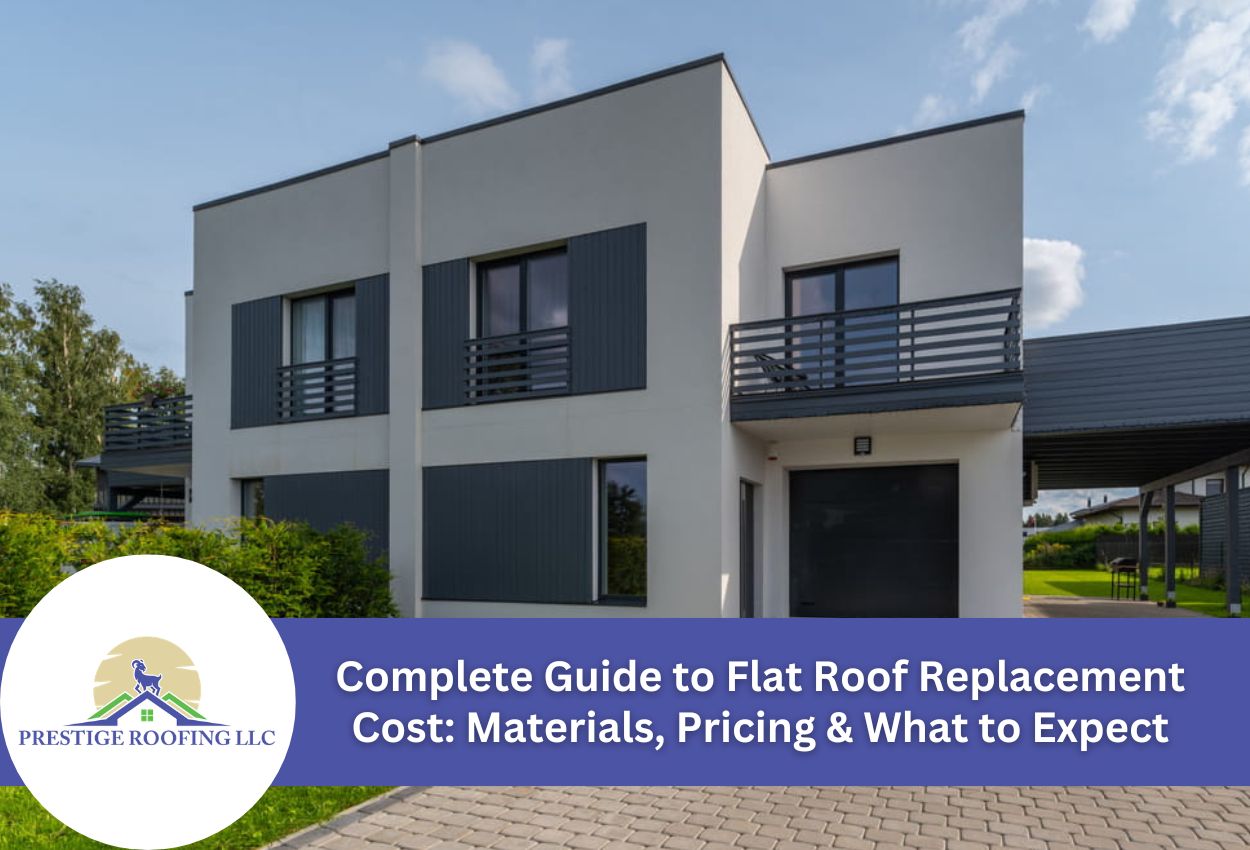
The cost of EPDM roof installation varies based on whether the project involves residential or commercial applications. Flat roof replacement costs differ from new construction projects, and commercial buildings typically have different price tags than residential projects. Property owners benefit from understanding these variables when planning their budget and selecting qualified contractors for their installation needs.
What Affects the Cost of EPDM Roof Installation?
Several factors influence the total investment required for EPDM roof installation, with roof characteristics and material specifications playing primary roles in determining the final project expenses.
Roof size directly impacts the cost of rubber roof installation because larger surfaces require more membrane material and extended labor time. Complex roof configurations with multiple angles, vents, pipes, or elevation changes increase installation difficulty and material waste. Accessibility challenges such as steep slopes, limited access points, or multi-story buildings require specialized equipment and additional safety measures that affect labor costs.
The EPDM membrane installation process varies significantly based on roof complexity. Simple rectangular roofs with minimal rooftop equipment allow for efficient installation, while roofs featuring skylights, HVAC units, or irregular shapes need precise cutting and detailed flashing work that extends project timelines.
Material quality is another major variable in flat roof replacement cost calculations. EPDM membranes are available in different thicknesses, with heavier gauges offering enhanced durability but higher material costs. Premium brands typically provide superior warranties and performance compared to economy options.
Additional components, including adhesives, fasteners, insulation, and flashing materials, influence overall project expenses. Commercial roof installations often need thicker membranes and enhanced insulation systems compared to residential applications. The installation method, whether fully adhered, mechanically attached, or ballasted, also affects both material requirements and labor intensity for completing the EPDM roofing system.
Labor Costs and Installation Process Breakdown
Professional EPDM membrane installation requires skilled contractors with specialized expertise in single-ply roofing systems. Qualified installation crews typically consist of experienced roofers who understand proper adhesion techniques, seaming procedures, and flashing details that are essential for watertight performance.
Crew size varies based on project scope, with residential installations often requiring a few workers while larger commercial projects may have more team members. The rubber roof installation price reflects the specialized skills needed to handle EPDM materials properly, including precise membrane cutting, applying adhesives, and detail work around rooftop equipment.
EPDM roof installations include specific steps that affect the duration of the project. Initial roof preparation involves cleaning and priming the roof deck, followed by insulation installation when required. Membrane application requires careful positioning to minimize waste and ensure sufficient overlap at seams.
The installation timeline depends on roof complexity and local weather patterns, with straightforward residential projects typically completed within a couple of days. Commercial roof installation costs reflect extended timeframes needed for larger surfaces, complex mechanical systems, additional time for removing existing materials, and addressing decking repairs.
The weather also affects project scheduling because EPDM installation requires dry conditions and moderate temperatures for adhesives to cure. Experienced contractors plan installations to maximize efficiency while maintaining quality standards throughout the membrane application process.
Residential vs. Commercial EPDM Installation
EPDM installation requirements differ substantially between residential and commercial applications, creating distinct pricing structures for each property type. Knowing the differences helps property owners anticipate the investment needed for their specific roofing project.
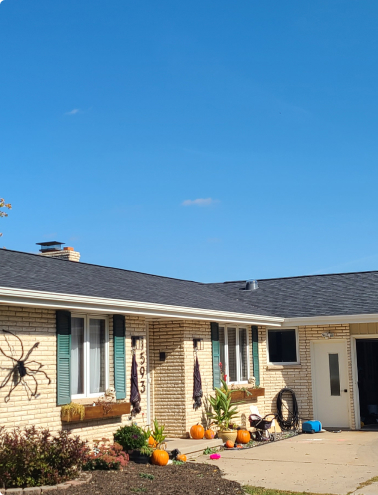
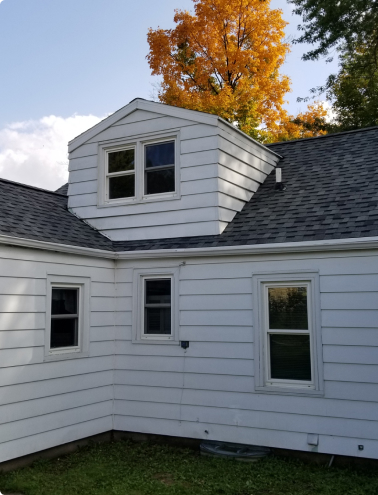
Single-family homes typically feature smaller roof surfaces ranging from 1,000 to 3,000 square feet, making residential projects more manageable in scope. Homeowner projects often involve straightforward flat or low-slope sections over garages, additions, or contemporary home designs. Residential installations usually only need standard equipment for access and minimal time for setup, which helps lower the final rubber roof installation price.
Residential EPDM roof installations also include thinner membranes suited for lighter structural loads and moderate foot traffic. Material needs typically involve standard adhesives and basic flashing components, with fewer vents and roof pipes requiring specialized sealing techniques compared to commercial applications.
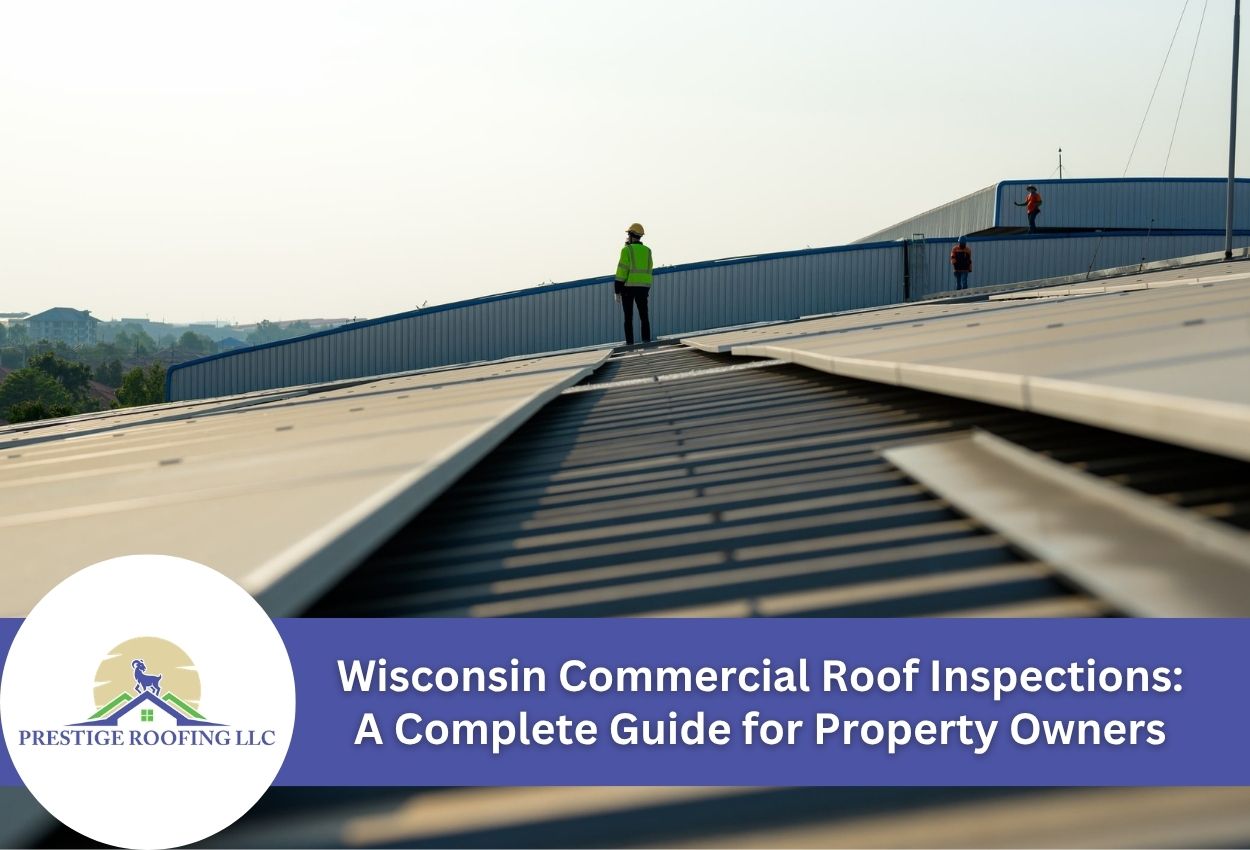
Commercial buildings have significantly different challenges that impact flat roof replacement costs. Larger square footage requirements often exceed 10,000 square feet, needing extensive material coordination and extended labor schedules. Building codes for commercial properties generally mandate enhanced insulation values, fire ratings, and structural specifications that increase the project’s complexity.
Additionally, business-specific requirements influence costs through specialized membrane systems designed for heavy equipment, frequent maintenance access, and extended service life expectations. Commercial projects typically require thicker EPDM membranes, enhanced drainage systems, and comprehensive warranty coverage that reflects the higher investment levels involved in these installations.
Additional Expenses Beyond Basic Installation
EPDM roof installation projects often involve several additional expenses beyond the basic membrane and labor costs that property owners should consider when planning their budget. These supplementary costs can significantly impact the total project budget but are essential for long-term roof performance.
Roof preparation work represents one of the most common additional expenses in EPDM installations. Many flat roof replacements involve removing multiple layers of built-up roof, modified bitumen, or deteriorated single-ply membranes before installing the new EPDM system. Tear-off of existing roofing materials requires specialized equipment and disposal services that add to overall project costs.
Decking repairs are often necessary once existing materials are removed and underlying structural issues are visible. Rotted or deteriorated roof deck sections must be replaced to provide a solid surface for the EPDM membrane. Water-damaged areas often require extensive repairs that extend the project and increase material requirements.
Insulation upgrades commonly accompany EPDM installations, particularly when bringing older buildings up to current energy codes. Enhanced insulation systems improve building performance but represent substantial additional investment in both materials and installation labor.
Administrative expenses, including building permits, inspection fees, and extended warranty options, contribute to the final EPDM roof installation cost while providing essential protection and legal compliance. These investments ensure industry standards are met and offer valuable coverage against material defects or workmanship issues that protect the property owner’s roofing investment over time.
Ways to Save Money on Your EPDM Roof Project
Strategic planning and working with qualified professionals can reduce the cost of your EPDM roof installation without compromising quality or performance. Smart timing and not rushing the contractor selection process help property owners maximize the value of their new roof while securing professional installation services.
Waiting for certain times of year sometimes results in substantial savings for rubber roof installations. Many roofing contractors experience slower periods during late fall, winter, and early spring when demand decreases. Installing EPDM systems during these off-peak seasons often results in reduced labor rates and faster project completion as crews have more availability.
Weather conditions play an important role in project timing, as the EPDM membrane installation process requires dry conditions for adhesive bonding. Planning installations during historically dry months helps avoid weather delays that can extend the project and increase costs. Late spring through early fall typically provides optimal conditions for efficient installation while avoiding peak summer pricing.
Obtaining multiple contractor quotes is one of the most effective strategies for controlling flat roof replacement costs. Requesting detailed proposals from three to five qualified contractors allows property owners to compare pricing, material specifications, and warranty terms. This competitive bidding process often reveals significant price variations while highlighting contractors who provide exceptional value.
Working with established local contractors can reduce installation costs by eliminating travel and allowing for regional material sourcing. Local professionals often maintain relationships with suppliers that provide access to competitive material pricing and faster delivery schedules that improve overall project efficiency.
Planning Your Investment in an EPDM Roof
Making the right decision about your EPDM roofing installation requires careful contractor evaluation and understanding the material’s long-term value. Property owners who approach this investment strategically position themselves for success and maximize their return on investment.
Essential questions during contractor consultations help reveal important details about material quality and installation standards. Request specific information about EPDM membrane thickness, adhesive types, and seaming techniques planned for the project. Qualified contractors should provide detailed explanations of their EPDM membrane installation process and demonstrate expertise with single-ply roofing systems.
Labor warranty terms generally vary significantly between contractors and directly impact the long-term protection of your investment. Professional installation teams typically offer workmanship guarantees up to 10 years, while material warranties from EPDM manufacturers can extend 20 years or longer. Understanding these coverage periods helps evaluate the true value of different contractor proposals.
Timeline expectations should align with project complexity and seasonal considerations that affect the rubber roof installation. Experienced contractors provide realistic schedules that account for weather dependencies and permit requirements while maintaining quality installation standards.
EPDM systems deliver exceptional value through minimal maintenance requirements and energy efficiency benefits that reduce operating costs over decades of service life. The membrane’s reflective properties help reduce air conditioning needs during summer, while superior insulation enhances comfort inside the building. These long-term advantages often justify the initial cost through sustained performance and reduced lifecycle expenses.
Secure Your Investment with Prestige Roofing LLC
Understanding how much EPDM roof installation costs is crucial for budgeting for your roofing project. However, when you choose Prestige Roofing LLC for your roofing needs, you not only benefit from competitive pricing but also from our commitment to quality and durability. Don’t let fluctuating market rates deter you from securing a roofing solution that stands the test of time.
Ready to take the next step in protecting your home or business with a reliable EPDM roof? Call Prestige Roofing LLC at (920) 791-0414 to discuss your project needs and to schedule a detailed consultation. Our expert team is here to guide you through every step, ensuring clear pricing and unmatched professional service. Make the smart choice for your property today!