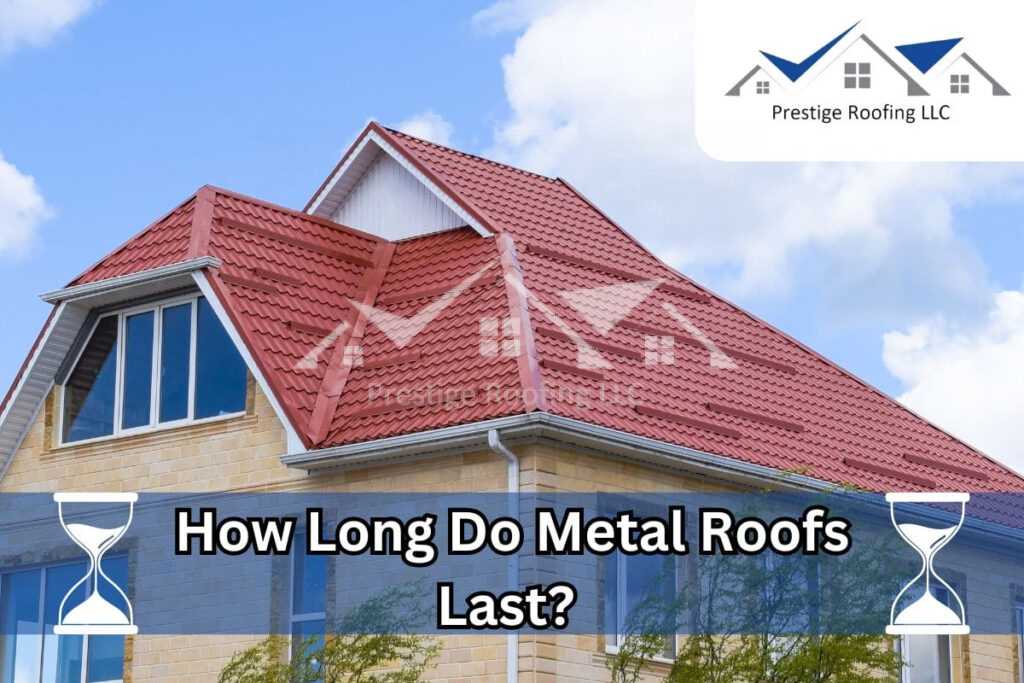
If you are looking for options to replace your roof, metal roofing systems are probably on your list. Metal roofs are improving every year, with manufacturers striving to make a material that is not only durable but also offers long-term value for your money.
One of the main reasons why metal roofs are becoming quite popular is their long lifespan. Since most metals are sturdy, they last a very long time on your roof, especially compared to traditional roofing materials. But how long do metal roofs last? Let’s find out.
Average Lifespan Of Metal Roofs
On average you can expect a metal roof to last anywhere from 40 to 100 years! You may have also heard that some metal roofs can last a lifetime.
To put this impressive lifespan in perspective, traditional asphalt shingles typically last only 20-30 years. This means a quality metal roof can last two to three times longer than conventional roofing materials, making it a cost-effective investment over the long term.
While this is a long time, at the same time this range is pretty wide. To pinpoint the lifespan of your specific roof, it is essential to know the style and the type of metal roof you are installing on your home.
For example, standing seam metal roofs last longer than the corrugated panels. Also, when we talk about materials, copper and zinc have more impressive lifespans compared to aluminum or steel. Both metal roof styles and types will be covered in more detail in the following sections.
Styles Of Metal Roofs And Their Lifespan
Metal roofs are constantly improving, and there are different styles you can choose for your replacement project. Here is how long the most popular metal roof styles last:
| Feature | Standing Seam | Corrugated |
|---|---|---|
| Lifespan | 40-70 years | 25-35 years |
| Fastener Type | Concealed (hidden clips) | Exposed (through-panel) |
| Weather Resistance | Superior (no exposed penetrations) | Good (fasteners may deteriorate) |
| Maintenance Needs | Lower (fewer leak points) | Higher (fastener inspection required) |
| Aesthetic | Sleek, modern appearance | Traditional, industrial look |
How Long Do Standing Seam Metal Roofs Last?
Standing seam metal roofs, known for their sleek, modern aesthetic and concealed fasteners, boast an impressive lifespan of 40-70 years. With proper installation and maintenance, these interlocking panels can withstand the harsh weather conditions prevalent in Wisconsin. Since the fasteners are hidden, it minimizes potential entry points for moisture and rainwater, contributing to the roof’s longevity.
How Long Do Corrugated Metal Roofs Last?
Corrugated metal roofs, while durable and providing an industrial aesthetic with their wave-like patterns, face limitations due to their exposed fasteners. Corrugated roofs typically have a shorter lifespan, lasting around 25-35 years with proper installation and maintenance.
Metal Roofing Materials And Their Lifespan
Several metals can be used to manufacture your durable roofing system. Here is what you can expect from them:
| Material Type | Lifespan (Years) | Key Characteristics |
|---|---|---|
| Asphalt Shingles (comparison) | 20-30 | Traditional roofing; shorter lifespan |
| Aluminum | 40-70 | Lightweight; excellent corrosion resistance |
| Galvanized Steel | 30-50 | Zinc coating; prone to wear in coastal/humid areas |
| Galvalume Steel | 40-60 | Zinc + aluminum coating; superior coastal performance |
| Stainless Steel | 50-100 | Premium option; highly rust-resistant |
| Stone-Coated Metal | 40-70 | Stone granules; UV protection; aesthetic appeal |
| Copper | 70-100+ | Develops patina; exceptional longevity |
| Zinc | 70-100 | Self-healing properties; long-lasting |
Aluminum Metal Roofs:
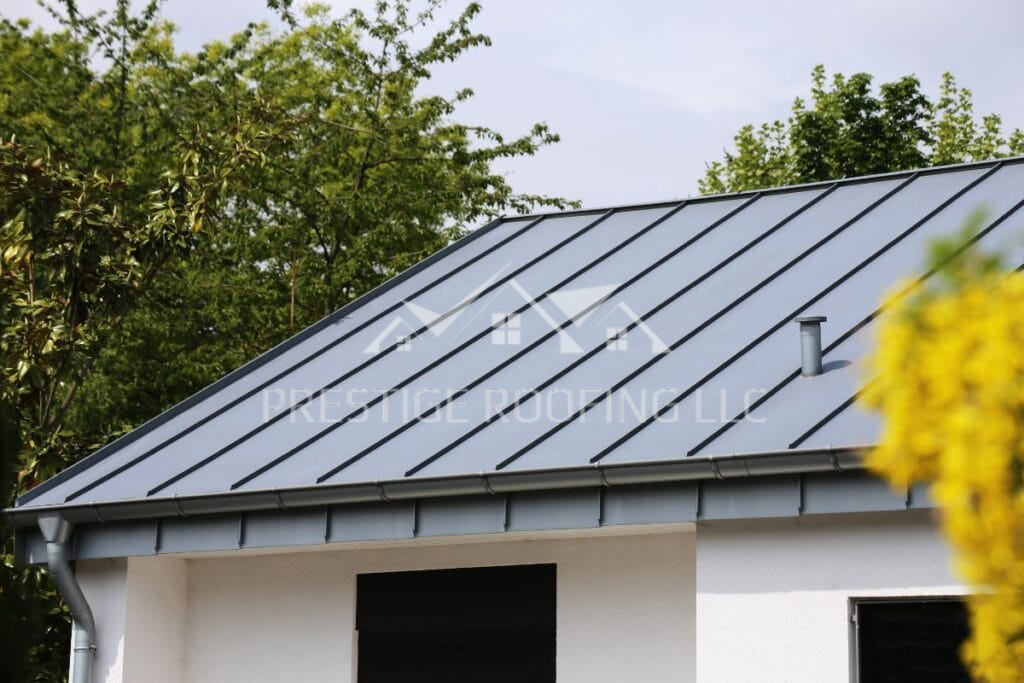
Aluminum is one of the most common metal roofing materials. With excellent corrosion resistance, aluminum metal roofs can last 40-50 years when properly installed and ventilated. Their lightweight nature makes them a practical and affordable choice.
Steel Roofs:
Steel roofs come in several varieties, each with different coating systems that affect their lifespan:
Galvanized Steel Roofs
Generally coated with zinc to prevent corrosion, these roofs have a lifespan of 30-50 years. Note that they may be more prone to wear in coastal areas or high humidity regions.
Galvalume Steel Roofs
Featuring a combined coating of zinc and aluminum, Galvalume roofs offer enhanced corrosion resistance and a lifespan of 40-60 years. While they perform well in coastal areas, they should be avoided in regions with high industrial pollutants.
Stainless Steel Roofs
Stainless steel roofing is a premium option lasting 50-100 years in optimal conditions. Though less common due to higher cost, it’s incredibly durable and rust-resistant, making it an excellent long-term investment for homeowners seeking maximum longevity.
Copper Roofs:
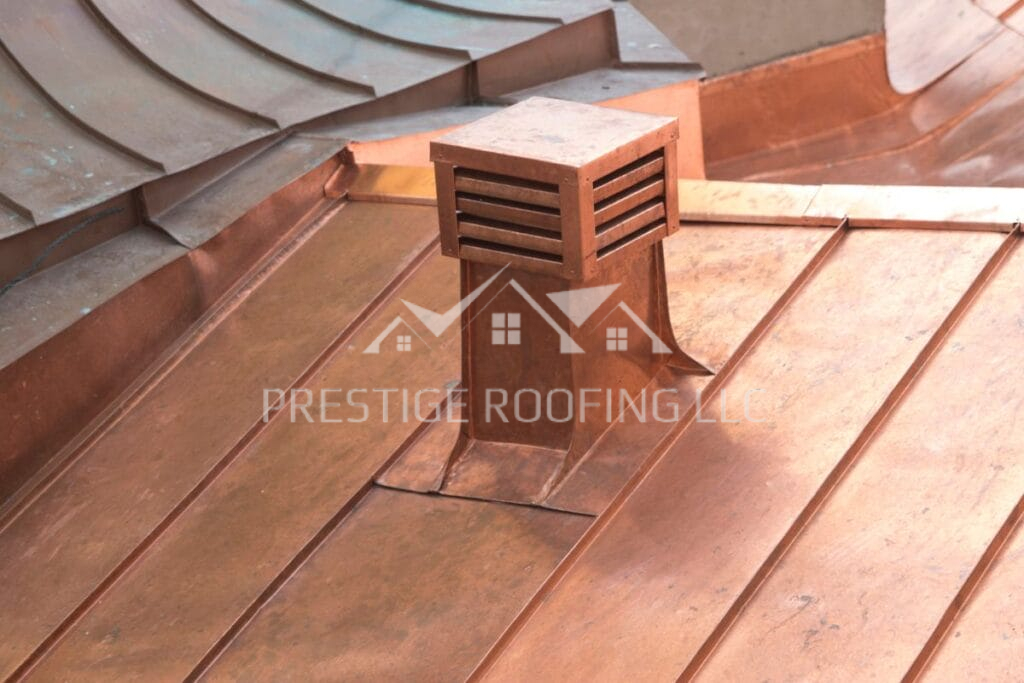
When talking about looks and durability, copper is the best metal roofing material around. Copper roofs can easily last for 80-100 years, making them a premium roofing solution. They are also known for their distinctive patina that develops over the years. However, they are quite expensive.
Zinc Roofs:
Zinc’s natural resistance to corrosion and self-healing properties allow these roofs to endure for 70-100 years, offering an elegant and extremely long-lasting roofing option.
Stone-Coated Metal Roofs:
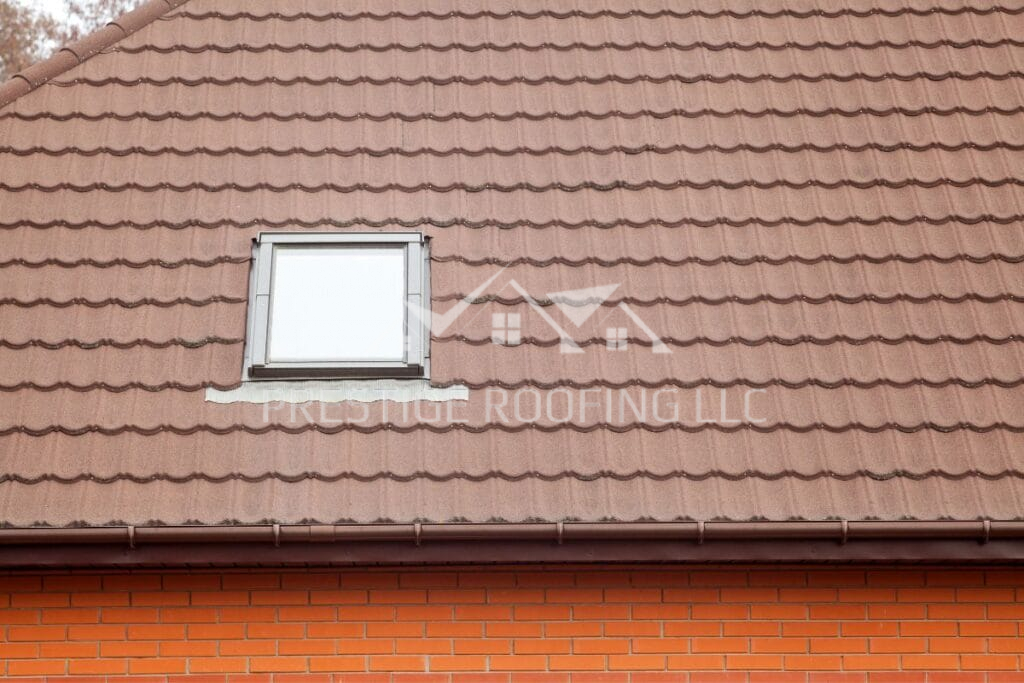
Stone-coated metal roofs, which feature a blend of steel and stone granules, are one of the latest advancements in the roofing industry. You can expect a stone-coated steel roof to last for 40-70 years. This style offers the strength of metal combined with the aesthetic appeal of premium roofing materials like slate or clay tiles. The stone or the granule coating protects the metal from UV radiation, chalking, and fading. These roofs may require occasional maintenance to ensure the granules remain intact and to address any potential damage from debris.
5 Things That Can Affect How Long Your Metal Roofs Lasts
The life expectancy of metal roofs can be influenced by several factors. Here are five things you need to consider:
The Impact of Climate and Weather on Metal Roof Durability
The climate and weather conditions in your area can significantly impact a metal roof’s lifespan. Intense sun exposure, high humidity, salty air (for coastal regions), and frequent temperature fluctuations can accelerate material degradation. High-quality metal roofs, particularly stone-coated and steel options, are engineered to withstand wind speeds of 130-150 mph. Choose a metal type and coating suitable for your local climate to maximize durability.
The Importance of Regular Maintenance and Inspections
Regular maintenance and inspections are essential for extending the life of your metal roof. Cleaning debris, checking for loose fasteners or panels, and addressing any issues promptly can prevent minor problems from escalating into major repairs or premature replacements. While asphalt roofs often require annual checks, metal roofs typically only need professional inspections every 5-10 years. Establish a routine maintenance schedule and promptly address any identified issues.
Ventilation and Moisture Control
Adequate ventilation and moisture control are essential for metal roofs. Trapped moisture can cause condensation, leading to corrosion, mold growth, and deterioration of the roofing material over time. Ensure your attic and roof are well-ventilated, and consider using vapor barriers or underlayments to prevent moisture buildup.
Quality Of The Materials and Roof Coatings
The quality of the metal material and its protective coating can significantly influence longevity. Higher-grade metals and superior coatings, such as Kynar or Hylar, offer better resistance to fading, chalking, and corrosion. Investing in high-quality materials from reputable manufacturers can ensure your metal roof withstands the test of time.
The Importance of Proper Installation
Proper installation plays a vital role in determining a metal roof’s longevity. Shoddy workmanship, incorrect fastening techniques, or failure to follow manufacturer guidelines can lead to premature wear, leaks, and reduced lifespan. Always hire experienced, reputable contractors who specialize in metal roofing installation to ensure it’s done right from the start.
Also Read: Metal Roof Installation 101: 5 Things To Know Before You Replace Your Roof
Environmental Benefits and Fire Resistance
Beyond their impressive longevity, metal roofs offer significant environmental advantages. Many metal roofs are made from recycled materials and can be recycled again at the end of their lifespan, making them an eco-friendly choice for environmentally conscious homeowners. Additionally, metal roofs resist fire, providing an important safety benefit that protects your home and family.
Best Metal Roofing Services In Wisconsin
Now that you know how long different metal roofs last, you can make the right decision for your home. Metal roofs represent a cost-effective investment due to their exceptional longevity, often lasting two to three times longer than traditional roofing materials while requiring less maintenance over their lifetime.
At Prestige Roofing, we offer the finest metal roofing services in De Pere and the surrounding areas of Wisconsin. We use the highest quality metals manufactured by leading names in the industry. Whether you want to repair your existing roof or install a new system altogether, we can handle your project. Contact us today at (920) 791-0414.
Can a metal roof be installed over existing shingles in Wisconsin?
Yes, metal roofs can often be installed over existing asphalt shingles, which saves on removal costs and reduces landfill waste. However, local building codes must permit this method, and your roof deck must be in good structural condition. A professional inspection is necessary to determine if your existing roof can support the additional weight and ensure proper ventilation.
How does Wisconsin’s freeze-thaw cycle affect metal roof longevity?
Wisconsin’s frequent freeze-thaw cycles can actually benefit metal roofs compared to other materials. Metal’s smooth surface allows snow and ice to slide off more easily, preventing ice dam formation that damages traditional roofs. The expansion and contraction of quality metal roofing systems is designed to accommodate temperature fluctuations without cracking or warping, unlike asphalt shingles.
Will hail damage shorten my metal roof’s lifespan in Wisconsin?
While hail can dent metal roofing, it rarely compromises the roof’s structural integrity or waterproofing capabilities. Most quality metal roofs are rated to withstand hail up to 2 inches in diameter. Stone-coated metal roofs offer additional impact resistance, and cosmetic denting typically doesn’t affect the roof’s protective function or longevity.
Do metal roofs require special maintenance during Wisconsin winters?
Metal roofs require minimal winter maintenance compared to traditional roofing materials. It’s advisable to remove heavy snow accumulation exceeding two feet and ensure gutters remain clear to prevent ice buildup. Installing snow guards can prevent dangerous snow slides, and periodic inspections after severe storms help identify any damage from falling branches or ice.
What warranty coverage should I expect for a metal roof in Wisconsin?
Quality metal roofs typically come with manufacturer warranties of 30-50 years covering material defects, plus finish warranties of 25-40 years against fading and chalking. Installation warranties from reputable contractors usually cover workmanship for 10-25 years. Understanding what each warranty covers—including weather-related damage, panel integrity, and coating performance—is essential for long-term protection.