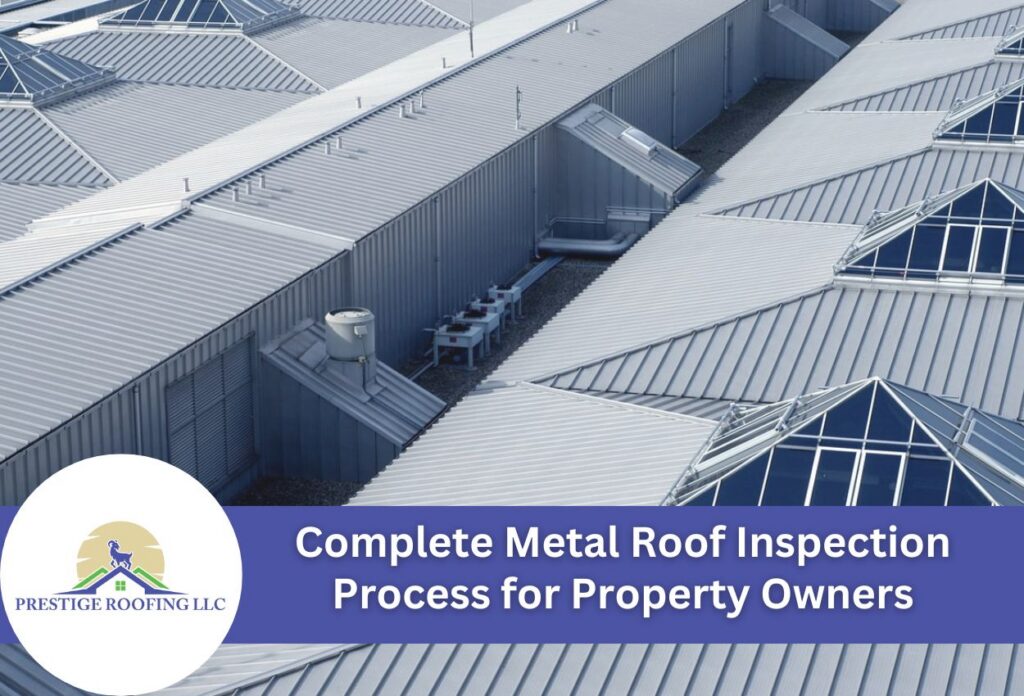

Metal roofs require systematic inspection procedures to maintain their durability and performance over decades of service. The metal roof inspection process involves examining fasteners, seams, flashing, and surface conditions that commonly develop issues affecting structural integrity. Property owners who understand proper metal roof maintenance protocols can identify early warning signs before minor problems escalate into major repairs.
Professional roof assessment typically occurs twice a year, focusing on areas where metal roofing problems frequently emerge. Commercial roof inspection standards emphasize evaluating expansion joints, gaps, and drainage systems that experience the greatest stress from weather exposure. Trained inspectors examine specific roof inspection signs, including loose panels, corrosion patterns, and sealant deterioration that indicate maintenance needs.
Regular inspection schedules prevent leaks and extend roof lifespan significantly compared to reactive maintenance approaches. Property owners benefit from documented inspection records that track condition changes and support warranty requirements for metal roofing systems.
Key Components and Areas Examined During Professional Metal Roof Assessment
The professional metal roof inspection process requires thorough examination of important structural elements that determine system performance. Inspectors evaluate metal panels for warping, denting, or coating deterioration that compromises weather resistance. Fastener assessment identifies loose screws, missing washers, or gasket failure that creates potential leak points requiring immediate attention.
Flashing inspection focuses on joints around chimneys, vents, and roof transitions where metal roofing problems commonly develop. Gutters and downspouts undergo evaluation for proper attachment, drainage capacity, and debris accumulation, affecting water management. Leak points receive specialized scrutiny since these areas experience concentrated stress from thermal expansion and weather exposure.
Interior inspection reveals hidden issues that external commercial roof inspection cannot detect. Moisture stains, insulation damage, and inadequate ventilation become apparent through attic examination. A professional roof assessment includes checking for condensation patterns that indicate vapor barrier problems or insufficient airflow affecting metal roof performance and the building’s structural integrity.
Common Warning Signs That Indicate Your Metal Roof Needs Immediate Inspection
Recognizing roof inspection signs early prevents extensive damage and expensive repairs to metal roofing systems. Visible rust spots, loose or displaced panels, and damaged seams represent clear indicators that require professional roof assessment. Debris accumulation around fasteners or in valleys creates moisture retention that accelerates corrosion and compromises structural integrity.
Unusual sounds during bad weather, including excessive rattling or creaking, signal loose fasteners or panel movement that needs quick investigation. Commercial roof inspection protocols emphasize monitoring these acoustic indicators since they often precede visible damage. Metal roofing problems typically manifest through multiple signs rather than isolated symptoms, making an evaluation essential when any warning indicators appear.
A Professional Metal Roof Inspection Process and Methodology
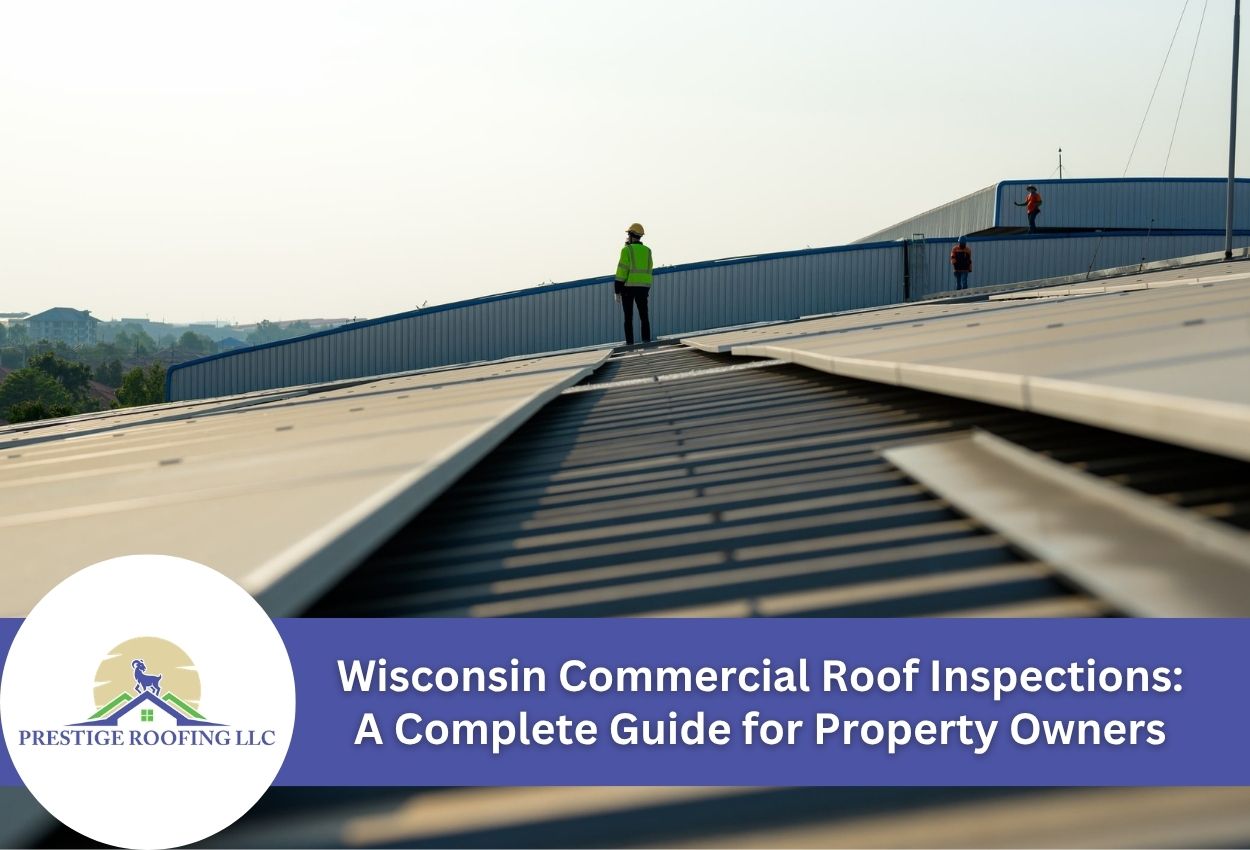
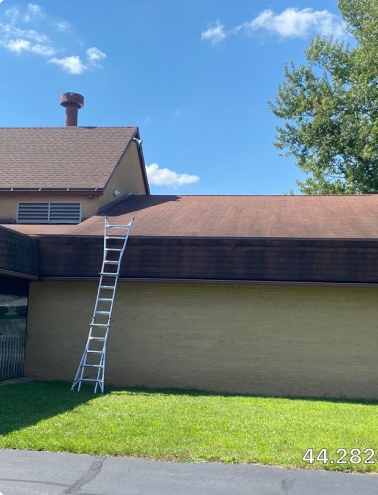
Certified inspectors begin the metal roof inspection process with safety preparations and specialized equipment to ensure thorough evaluation without property damage. Professional roof assessment requires fall protection gear, non-slip footwear, and appropriate ladders sized for specific building heights. Weather conditions receive careful consideration since wet or icy surfaces create hazardous inspection environments that compromise both safety and accuracy.
The systematic inspection sequence starts with ground-level visual assessment to identify obvious metal roofing problems before accessing the surface of the roof. Inspectors examine gutters, downspouts, and visible flashing from safe vantage points while documenting initial observations. Binoculars help evaluate panel alignment, fastener condition, and coating’s integrity without immediate roof access during this preliminary commercial roof inspection phase.
Detailed rooftop examination follows established patterns to ensure complete coverage of all metal roof components. Inspectors document findings through photographs, measurements, and written reports that provide property owners with actionable maintenance recommendations. This methodical approach to metal roof maintenance creates records supporting warranty claims and insurance requirements while establishing baseline conditions for future inspections.
The Best Timing and Frequency Guidelines for Metal Roof Inspections
Seasonal timing significantly impacts the effectiveness of the metal roof inspection process and inspector safety during evaluation procedures. Spring inspections reveal winter storm damage, ice dam effects, and thermal expansion issues that develop during temperature fluctuations. Fall assessments prepare metal roofing systems for harsh weather by identifying loose fasteners, damaged seals, and debris accumulation before snow weight creates additional stress on compromised components.
Inspection frequency depends on building age, environmental exposure, and operational requirements that affect metal roof maintenance needs. Commercial roof inspection schedules typically require biannual assessments for buildings over 10 years old, while newer installations may need annual evaluations. Coastal properties, industrial facilities, and buildings exposed to severe weather patterns benefit from quarterly professional roof assessments to monitor accelerated deterioration from environmental factors.
Emergency inspections become necessary after severe weather, including hailstorms, high winds, or heavy snow that may create immediate metal roofing problems. Property owners should schedule a quick evaluation within 48 hours of major weather to document damage for insurance claims and prevent secondary issues from developing through delayed response to roof inspection signs.
DIY Safety Considerations Versus Professional Inspector Expertise
Property owners attempting the DIY metal roof inspection process face significant safety risks and equipment limitations that can lead to injuries and missed problems. Walking on metal roofing surfaces requires specialized non-slip footwear and fall protection equipment that most homeowners lack. Improper ladder placement or inadequate safety measures during metal roof maintenance activities create liability concerns that could void insurance coverage if accidents occur.
Professional inspectors bring certified training and specialized knowledge that enables the identification of subtle metal roofing problems invisible to untrained observers. Licensed professionals recognize early corrosion patterns, thermal stress indicators, and structural fatigue signs that property owners typically overlook during amateur inspections. Their expertise extends beyond basic roof inspection signs to include understanding manufacturer specifications, building codes, and proper documentation requirements for commercial roof inspection standards.
The equipment costs and technical knowledge required for a thorough professional roof assessment exceed what most property owners can reasonably acquire. Thermal imaging cameras, moisture meters, and specialized testing tools provide accurate condition evaluation that visual inspection alone cannot achieve. Professional certification ensures inspectors stay current with evolving metal roofing technology and industry best practices that affect long-term system performance.
Acting on Inspection Results and Developing Metal Roof Maintenance Strategies
Prioritizing repair recommendations based on professional roof assessment findings ensures efficient allocation of maintenance resources and prevents minor issues from becoming major problems. Urgent metal roofing problems, such as active leaks, loose fasteners, or structural damage,e require immediate attention to prevent further deterioration. Medium-priority items, including coating wear or minor sealant gaps, can be scheduled within the next maintenance cycle without compromising the roof’s structural integrity.
Establishing relationships with qualified contractors before roof inspection signs indicate immediate repairs creates advantages during emergencies. Vetted professionals familiar with specific metal roof maintenance requirements provide faster response times and consistent quality standards. Regular contractor partnerships often result in preferential scheduling and competitive pricing for ongoing commercial roof inspection and repair services.
Creating systematic maintenance schedules based on the metal roof inspection process helps property owners budget for necessary work while extending the roof’s lifespan. Annual maintenance planning incorporates both preventive measures and recommended repairs identified during professional assessments. This proactive approach to metal roof maintenance reduces long-term costs compared to reactive repair strategies that address problems only after significant damage occurs.
Ensure Your Property’s Safety with Prestige Roofing LLC’s Metal Roof Inspection Services
If you’re noticing any of the common warning signs of metal roof damage, such as rust spots, loose panels, or unusual interior conditions like water stains and temperature irregularities, it’s important to act swiftly. Delaying a professional inspection can lead to severe damage and expensive repairs. Prestige Roofing LLC specializes in thorough metal roof inspections and maintenance strategies that help extend the lifespan of your roof and prevent potential disasters.
Our expert team at Prestige Roofing LLC is equipped with the knowledge and tools necessary to conduct detailed assessments from structural examinations to interior checks. Don’t wait for the damage to get worse. Call us today at (920) 791-0414 to schedule your metal roof inspection and ensure your property remains secure and well-maintained.